The Role of a ph measurement electrode in Modern Systems
In the demanding environment of a UK commercial plant room, the ph measurement electrode serves as the primary diagnostic tool for water chemistry stability. Without accurate monitoring, the delicate balance of closed-loop heating or chilled water systems can shift, leading to acidic corrosion or alkaline scaling. A high-quality ph measurement electrode provides the continuous data stream necessary for Facilities Managers and M&E contractors to verify that the system is operating within the parameters defined by BSRIA BG29. Neglecting this measurement can lead to the rapid degradation of expensive system components, including boiler heat exchangers and distribution pipework, which are susceptible to piting and microbiological growth if the pH levels deviate from the specified range of 8.2 to 10.0 for steel systems.
Choosing the correct ph measurement electrode involves understanding the specific electrochemical requirements of industrial fluids. Unlike domestic sensors, an industrial-grade ph measurement electrode must be robust enough to withstand the pressure and temperature fluctuations found in busy plant rooms. Modern systems often integrate these electrodes directly into the BMS via 4-20 mA or Modbus signals, allowing for automated dosing and immediate alerts if the chemistry fails. This proactive approach is much more effective than relying on monthly manual sampling, which only provides a snapshot in time. UKGP Industrial focuses on providing high-spec solutions that meet these rigorous British standards, ensuring that your plant room monitoring is both reliable and commercially efficient for the life of the building.
When specifying a ph measurement electrode, engineering consultants must look for features that simplify the commissioning process. BSRIA BG29:2020 highlights the importance of water quality during the pre-commission cleaning phase, where pH levels can fluctuate wildly due to chemical cleaning agents. A factory-calibrated ph measurement electrode reduces the margin for error during site setup, ensuring that the system starts its operational life in the best possible condition. UKGP Industrial offers sensor kits that are designed for ease of installation, featuring M12 cable kits and IP68 ratings to protect against the damp, harsh environments often found in subterranean plant rooms. By investing in professional-grade sensing technology, contractors can provide their clients with documented proof of water quality compliance from day one.
- Ensures compliance with BSRIA BG50 for closed-loop water systems
- Prevents pitting corrosion in steel and copper pipework
- Enables real-time data logging via BMS integration
- Reduces reliance on infrequent manual chemical testing
- Protects high-value boilers and heat exchangers
Maintaining BSRIA BG50 Standards with Continuous Monitoring
BSRIA BG50 provides clear guidance on the monitoring of water quality in closed-loop systems, emphasizing that the ph measurement electrode should be part of a wider water management strategy. The standard suggests that consistent pH levels are the first line of defence against metallurgical failure. If a ph measurement electrode detects a drop in alkalinity, it often indicates the depletion of chemical inhibitors or the ingress of fresh, oxygenated water. By catching these issues early, maintenance teams can intervene before permanent damage occurs to the system's plate heat exchangers or circulation pumps. Our industrial sensor kits provide the precision required to meet these stringent industry benchmarks, offering a 2-year warranty for peace of mind in high-stakes commercial environments.
The longevity of a ph measurement electrode is heavily dependent on the quality of its construction and the frequency of its calibration. For commercial plant rooms, an IP68-rated transmitter is essential to prevent moisture ingress, which is the leading cause of electrical signal drift and false readings. When your ph measurement electrode is factory-calibrated, it ensures a plug-and-play experience for the M&E contractor, reducing the time spent on-site with buffer solutions and manual adjustments. UKGP Industrial understands these operational pressures, which is why our sensors are designed for maximum durability. A reliable signal—whether 4-20 mA or Modbus—allows for seamless integration into the plant's control logic, facilitating the automated adjustment of chemical dosing pots to restore perfect water balance without human intervention.
Procurement leads should recognise that the low capital cost of a ph measurement electrode is insignificant compared to the potential costs of a system-wide corrosion failure. A single leak caused by acidic water can lead to thousands of pounds in property damage and system downtime. By specifying an industrial pH sensor & transmitter from UKGP, you are choosing a solution designed for the UK market, featuring a comprehensive kit with an M12 cable and a robust transmitter. This ensures that the pH data is transmitted accurately over long distances to the central control panel. Maintaining water quality isn't just a technical requirement; it is a commercial necessity to protect the ROI of the building's mechanical services and ensure long-term tenant satisfaction through reliable heating and cooling.
- Factory-calibrated sensors for immediate on-site accuracy
- Available with 4-20 mA or Modbus communication protocols
- Rugged IP68 rating for wet plant room environments
- Comprehensive 2-year warranty for commercial security
- M12 cable kit included for simple, secure connections
Integrating Sensors with Chemical Dosing Pots
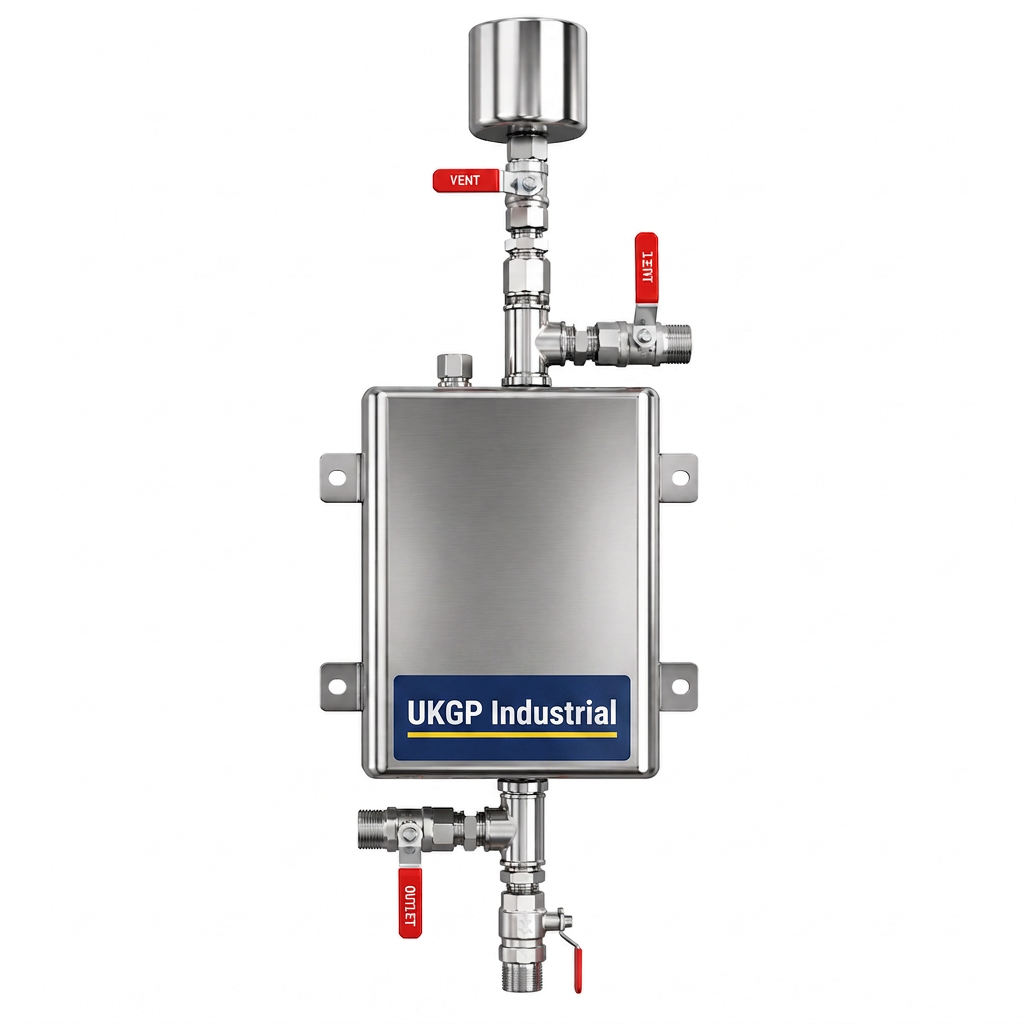
The data provided by the ph measurement electrode is most useful when it informs the chemical treatment regime. In many systems, chemical dosing pots are used to introduce inhibitors manually, but the ph measurement electrode provides the evidence of when these additives are required. If the pH level drifts outside of the BS 8552 recommendations, it is a clear signal that the dosing pot should be utilised to re-establish the protective film on internal metal surfaces. This integrated approach ensures that chemicals are not wasted, and that the system is never left under-protected. UKGP Industrial provides the full suite of equipment to manage this cycle, from the precision electrodes to the heavy-duty dosing pots required for commercial-scale systems.
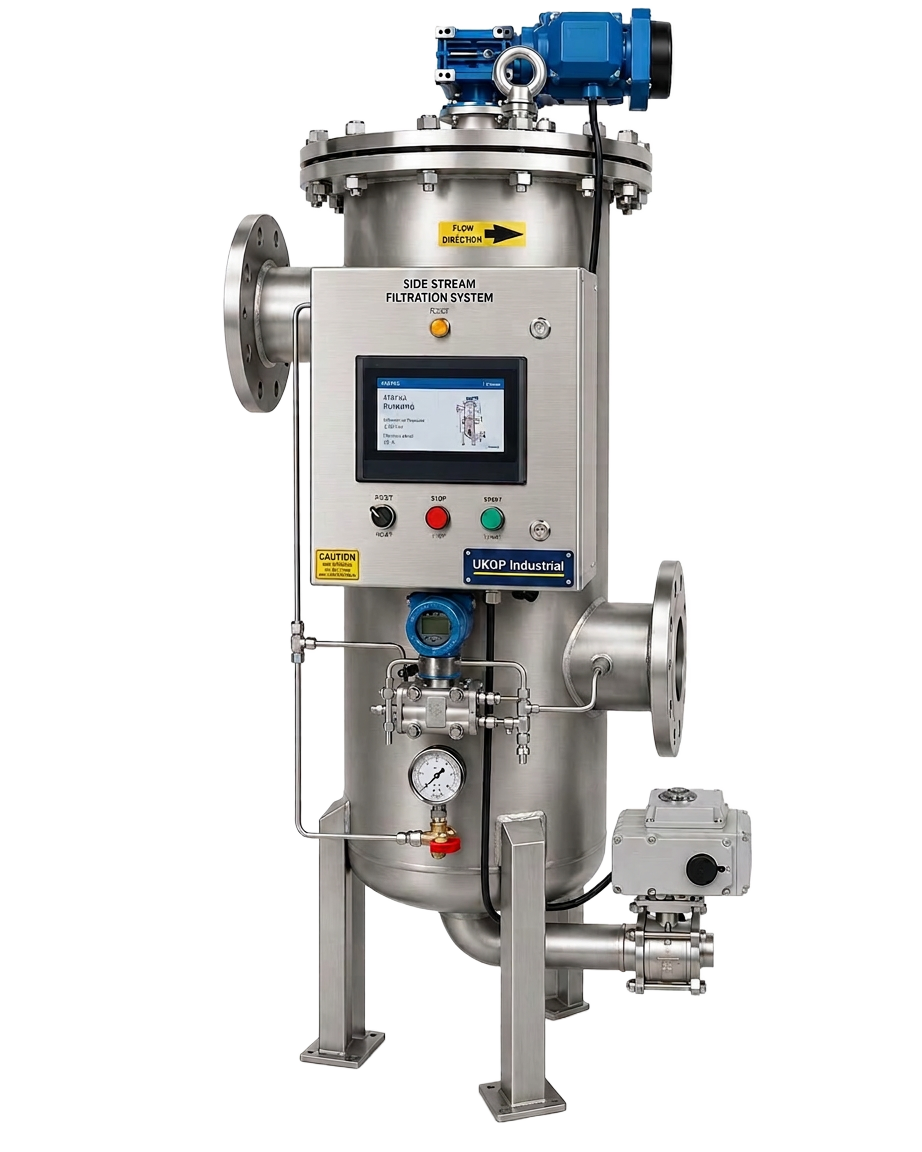
Strategic placement of the ph measurement electrode is also vital for accurate readings. It should ideally be located in a bypass loop or a side stream assembly where flow is consistent but the sensor is protected from the highest velocities. This ensures that the ph measurement electrode has a representative sample of the system's water without being subjected to unnecessary mechanical wear. When combined with our side stream filtration skids, the pH sensor can monitor the water quality as it passed through fine filtration, ensuring that both chemical and physical contaminants are managed simultaneously. This holistic view of plant room health is what separates modern, high-efficiency buildings from legacy systems that suffer from frequent breakdowns and inefficient heat transfer.
For plant room engineers, the ease of maintenance is a top priority. A ph measurement electrode that is easy to remove and clean will be maintained more frequently, leading to more accurate data over the long term. Our M12 cable kits allow for quick disconnection, meaning that the ph measurement electrode can be serviced or replaced without complex re-wiring. This practical design philosophy is woven into all UKGP products, whether you are installing expansion bellows or low loss headers. We focus on the small details that make life easier for the site team, while providing the technical performance that consulting engineers demand. Request a quote today for our industrial pH sensor & transmitter to upgrade your facility's monitoring capabilities.
- Informs the efficient use of chemical dosing pots
- Works alongside side stream filtration for total system health
- Easy-disconnect M12 cables for simplified maintenance
- Supports BS 8552 monitoring best practices
- Prevents the over-use or under-use of expensive inhibitors
The Technical Specification of an Industrial pH Sensor
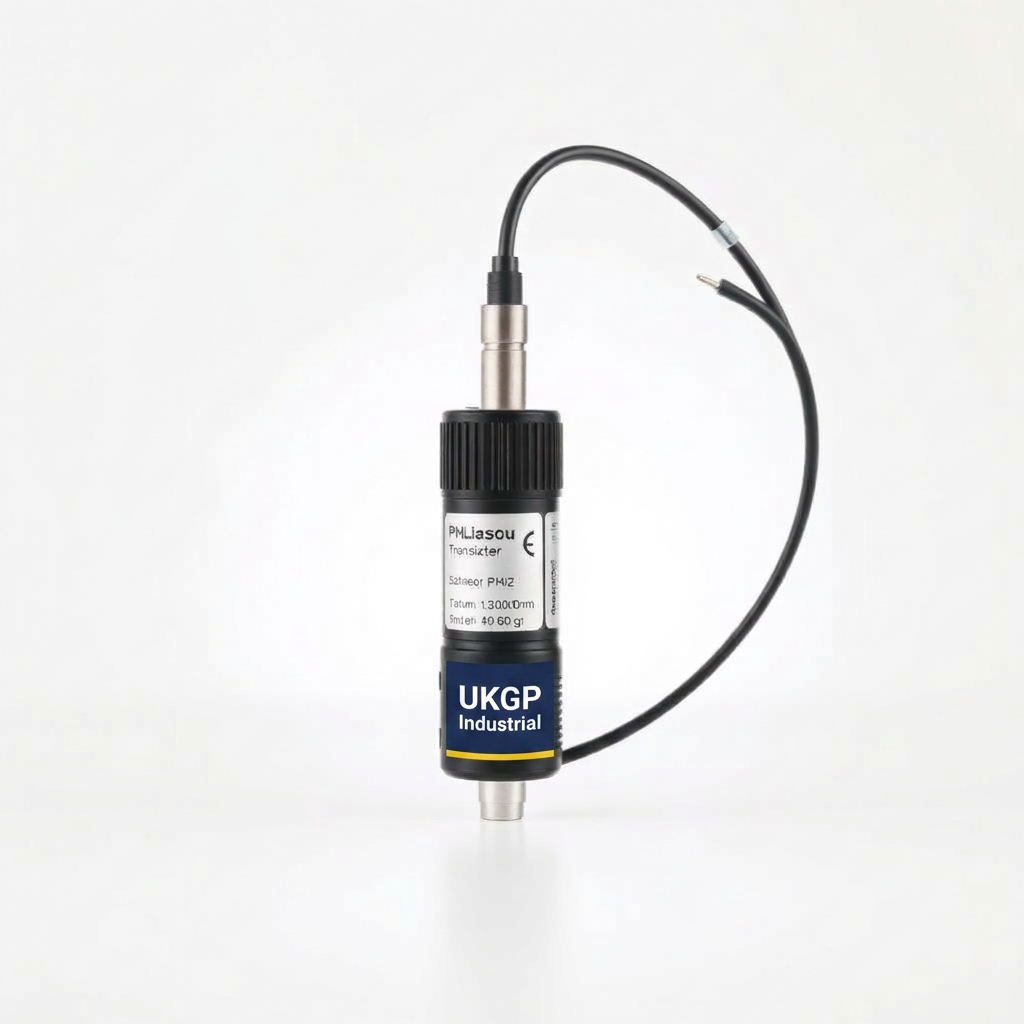
When we look at the technical requirements of an industrial ph measurement electrode, the transmitter is just as important as the glass electrode itself. A high-quality transmitter converts the high-impedance signal from the electrode into a robust 4-20 mA or Modbus RTU signal that can travel hundreds of metres without interference. This is crucial in large commercial developments where the plant room might be distant from the primary BMS controller. The UKGP industrial pH sensor & transmitter kit is engineered specifically for these challenges, providing a stable output that engineers can trust. With its IP68 rating, the transmitter housing is completely dust-tight and can withstand immersion, making it ideal for the often-unpredictable environment of a commercial plant room floor.
Calibration is another area where a commercial-grade ph measurement electrode outperforms general-purpose alternatives. Because the UKGP sensor is factory-calibrated, the initial commissioning time is significantly reduced, helping projects stay on schedule. Regular calibration is still required as per BS 8552, but starting with a precision-tuned device ensures a more reliable baseline. For the consultant, this means the system meets the high standards of CIBSE guidelines for water quality management. For the FM, it means fewer 'phantom' alarms and a more stable system that doesn't require constant manual intervention. The inclusion of a 2-year warranty further reinforces the reliability of our technical sensing components compared to cheaper, short-lived alternatives often found on the market.
Finally, the ph measurement electrode must be compatible with the chemical environment it monitors. In many UK heating systems, the use of glycol or specific corrosion inhibitors can affect the response of a standard electrode. The UKGP ph measurement electrode is selected for its broad compatibility and resistance to electrode 'poisoning,' ensuring a long service life even in systems with high chemical concentrations. If you are designing or maintaining a system that utilizes plate heat exchangers or low loss headers, ensuring the pH is correct is essential to prevent these components from fouling or corroding. Our team at UKGP Industrial is ready to provide technical support and competitive pricing for your next project, ensuring you have the right sensor for the job.
- Choice of 4-20 mA or Modbus for flexible BMS integration
- Factory-calibrated for rapid on-site commissioning
- High resistance to electrode poisoning in chemical-rich water
- Robust IP68 transmitter housing for longevity
- Compatible with all major UK commercial system chemistries
Protecting Assets from Expansion Bellows to Heat Exchangers
Water quality impacts every single component in a mechanical circuit, from the smallest valve to the largest plate heat exchanger. The data from a ph measurement electrode helps protect flexible components like expansion bellows from chloride-induced stress corrosion cracking, which can occur if pH levels are not properly managed. In the presence of high temperatures, even slight deviations in pH can accelerate the degradation of stainless steel bellows and EPDM gaskets. By maintaining a constant watch with a ph measurement electrode, you are effectively extending the life of every mechanical joint and seal in the building. This is why continuous pH monitoring is increasingly becoming a standard specification for high-specification UK office and residential developments.
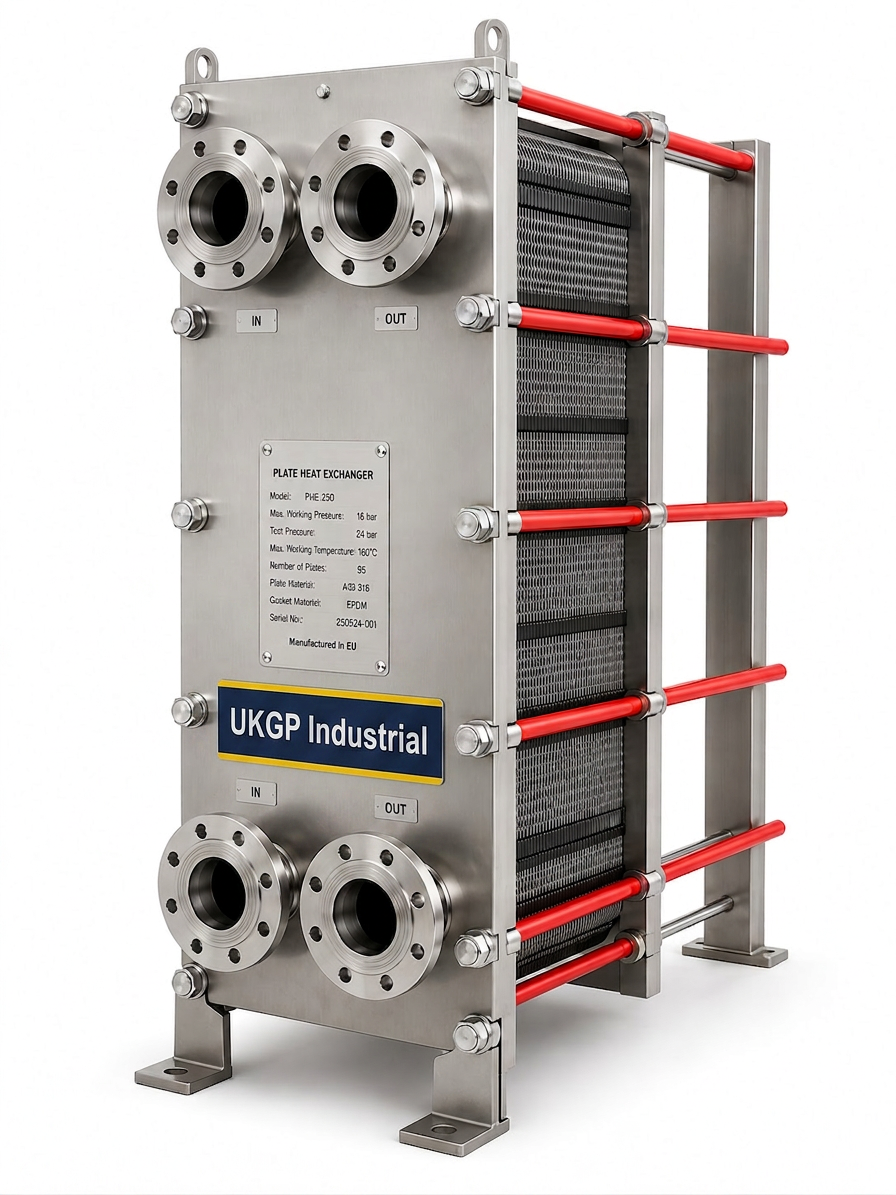
Plate heat exchangers are particularly sensitive to both corrosion and scale formation. A ph measurement electrode that detects a rise in pH can alert staff to the risk of calcium carbonate scaling, which rapidly reduces heat transfer efficiency and increases pumping costs. Conversely, low pH leads to acid corrosion of the thin plates, potentially causing cross-contamination between circuits. By integrating a UKGP industrial ph measurement electrode into your primary or secondary circuits, you gain the early warning system needed to prevent these failures. Our sensors provide the precision required to keep heat transfer surfaces clean, ensuring the building operates at its peak energy efficiency, which is a key requirement for modern ESG and sustainability targets in the UK property sector.
Installing a ph measurement electrode is a straightforward process when you use the UKGP kit, which includes the sensor, transmitter, and M12 cable. This 'all-in-one' approach eliminates the risk of component mismatch and ensures that the installation meets British electrical and plumbing standards. Whether you are an FM looking to upgrade a legacy site or a contractor working on a new-build plant room, our technical team is available to discuss the integration of pH sensing with our other products, such as air & dirt separators or low loss headers. Contact UKGP Industrial to secure a robust monitoring solution that provides lasting protection for your mechanical assets and ensures ongoing compliance with UK water quality regulations.
- Protects expansion bellows from stress corrosion cracking
- Maintains plate heat exchanger efficiency by preventing scale
- Supports ESG targets by ensuring peak thermal performance
- Simple integration with current UK mechanical specifications
- Technical support available for bespoke plant room layouts
Best Practices for ph measurement electrode Installation
When installing a ph measurement electrode, always ensure it is mounted in a position where the probe remains fully submerged even when the system is static. If the electrode dries out, it can lose its calibration or become permanently damaged. In most UK plant rooms, this is achieved by using a U-trap or a dedicated sensor housing that remains flooded. The ph measurement electrode should also be accessible for routine cleaning, as films of oil or debris can coat the glass bulb and slow the response time. Using a UKGP kit makes this easier, as the M12 cable can be quickly detached, allowing the engineer to remove the sensor for a quick wipe-down and recalibration in accordance with BS 8552 guidelines.
Connectivity is the next consideration for a successful ph measurement electrode deployment. In the past, signal loss was a common problem, but modern transmitters have resolved this issue. By choosing between 4-20 mA or Modbus, engineers can select the protocol that best fits their site's existing BMS infrastructure. Modbus is particularly useful for multiple-sensor arrays, allowing for digital accuracy and easier troubleshooting over a single daisy-chained cable. The UKGP ph measurement electrode transmitter is designed to handle these digital communications with ease, providing a high level of reliability for mission-critical buildings like data centres or hospitals where maintenance of the heating and cooling systems is non-negotiable.
Finally, ensure that your maintenance schedule includes a verification of the ph measurement electrode at least every six months. While our industrial-grade sensors are incredibly stable, the harsh environment of a plant room means that periodic checks against a known buffer solution are essential to confirm accuracy. This ensures that the data being used to drive your chemical dosing and filtration strategies is 100% correct. At UKGP Industrial, we don't just supply parts; we provide the technical foundations for excellence in building services. Reach out to our Surrey-based team for a quote on our industrial pH sensor & transmitter kits and ensure your site is fully compliant with the latest BSRIA and BS EN standards.
- Mount in a 'always wet' position to prevent sensor damage
- Utilise Modbus for multi-sensor digital reliability
- Schedule bi-annual calibration to maintain BS 8552 compliance
- Keep electrodes clean to ensure fast response times
- Choose UKGP for a complete sensing solution with a 2-year warranty
Frequently asked questions
How often should an industrial ph measurement electrode be calibrated?
- In accordance with BS 8552 and BSRIA BG50, we recommend checking the calibration of your ph measurement electrode every 3 to 6 months. While our sensors are factory-calibrated, environmental factors in a plant room can cause slight drift over time.
What is the benefit of an IP68-rated pH transmitter?
- An IP68 rating ensures that the transmitter is completely protected against dust and can withstand long periods of immersion in water. This is vital in plant rooms where leaks, pipe sweating, or wash-downs can expose electronics to moisture.
Can I connect the UKGP pH sensor to my existing BMS?
- Yes. Our industrial pH sensor & transmitter kits provide standard 4-20 mA or Modbus outputs, making them compatible with almost all modern Building Management Systems used in the UK.
Does the ph measurement electrode come with a warranty?
- Our industrial pH sensor & transmitter kits include a comprehensive 2-year warranty, providing commercial-grade reliability for M&E contractors and facility managers.
What is included in the UKGP pH sensor kit?
- Each kit is a complete solution containing the professional-grade sensor, the transmitter, and a high-quality M12 cable kit for secure and easy electrical installation.