Why Understanding How to Calibrate pH Sensor Gear Matters
In the UK's commercial building services sector, the alkalinity of system water is a primary indicator of overall health. BSRIA BG50 guidelines explicitly state the necessity of monitoring pH levels to prevent the acidic degradation of metallic components or the scaling associated with excessive alkalinity. When an engineer knows how to calibrate ph sensor units effectively, they move from guesswork to precision, ensuring that chemical dosing regimes are based on valid data. Neglecting this maintenance task can lead to drift, where the transmitter reports a safe pH 8.5, but the reality is much lower, inviting oxygen-induced pitting or microcell corrosion. These issues are expensive to remediate and often lead to premature failure of boilers or chillers, impacting the overall lifecycle cost of the building assets.
Precision in measurement is not merely about ticking a compliance box; it is about commercial viability and energy efficiency. Industrial and M&E contractors must appreciate that pH glass electrodes undergo physical changes over time due to coating or electrolyte exhaustion. By mastering how to calibrate ph sensor probes, on-site facilities management teams can extend the life of their instrumentation while providing reliable feedback to building management systems (BMS). A calibrated sensor provides the stable 4-20 mA or Modbus output required for automated dosing systems to function without oscillation or over-dosing, which waste expensive chemicals and potentially harm the environment. This technical competency is the cornerstone of modern, smart HVAC maintenance and water quality management in high-demand environments like data centres or hospitals.
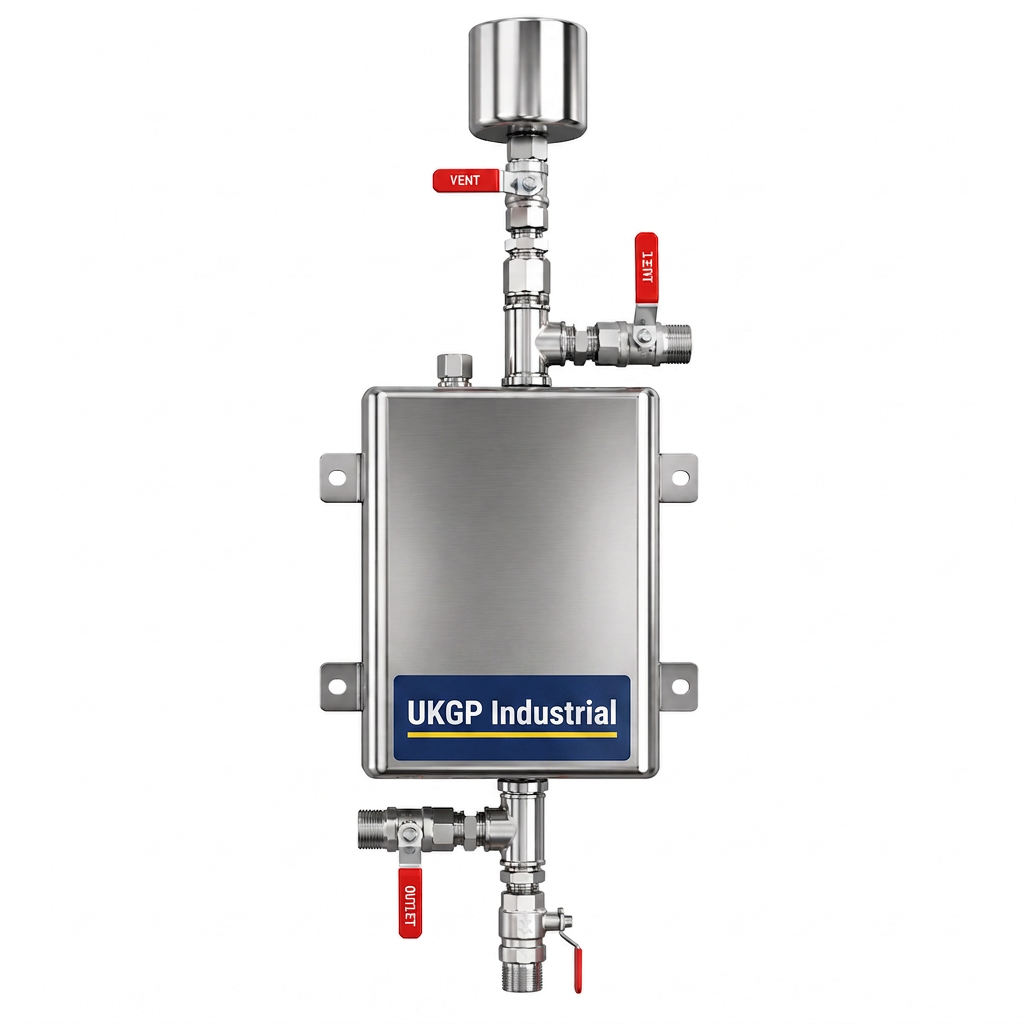
Training plant-room staff on the nuances of sensor maintenance ensures that the specified design parameters of the HVAC system are maintained throughout its operational life. The chemical dosing pots allow for initial treatment, but continuous monitoring via an industrial pH transmitter is what prevents long-term deviation. Without a rigorous approach to understanding how to calibrate ph sensor equipment, the risk of undetected system contamination increases exponentially. This process involves verifying of both the zero point (offset) and the slope (efficiency). Regular intervals for this procedure are recommended by CIBSE, usually aligned with quarterly water quality sampling. By standardising this technique, building owners can be confident that their infrastructure remains compliant with BS 8552 and that their warranties for major plant items remain valid and undisputed.
- Ensures compliance with BSRIA BG50 and BG29 water quality standards
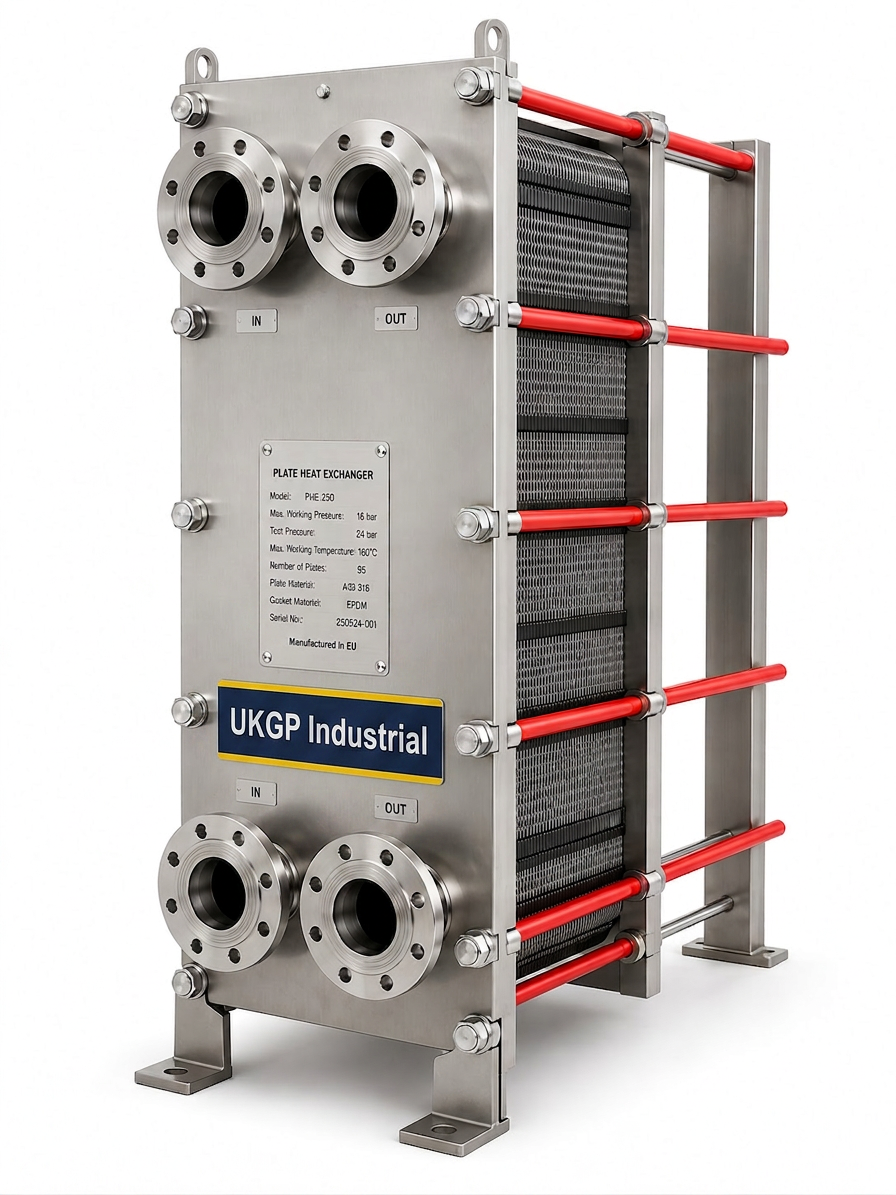
- Prevents costly corrosion damage to plate heat exchangers and pipework
- Provides accurate 4-20 mA or Modbus data to the building management system
- Reduces chemical wastage in chilled water and LTHW systems
- Extends the operational life of the industrial pH electrode
Preparation for the Calibration Procedure
Before beginning the process of how to calibrate ph sensor hardware, preparation of the workspace and materials is paramount. You will require high-quality buffer solutions, typically pH 4, 7, and 10, which must be fresh and within their expiry dates. Temperature compensation is also a critical factor; because the pH of a solution is temperature-dependent, your buffer solutions should ideally be at the same temperature as the process water or the sensor must be able to compensate for the difference. Industrial pH transmitters often include automatic temperature compensation (ATC), but manual verification ensures the highest degree of accuracy. Ensure you have deionised water available for rinsing the probe between buffers to prevent cross-contamination, which is a common error that leads to calibration failure and inaccurate slope readings across the scale.
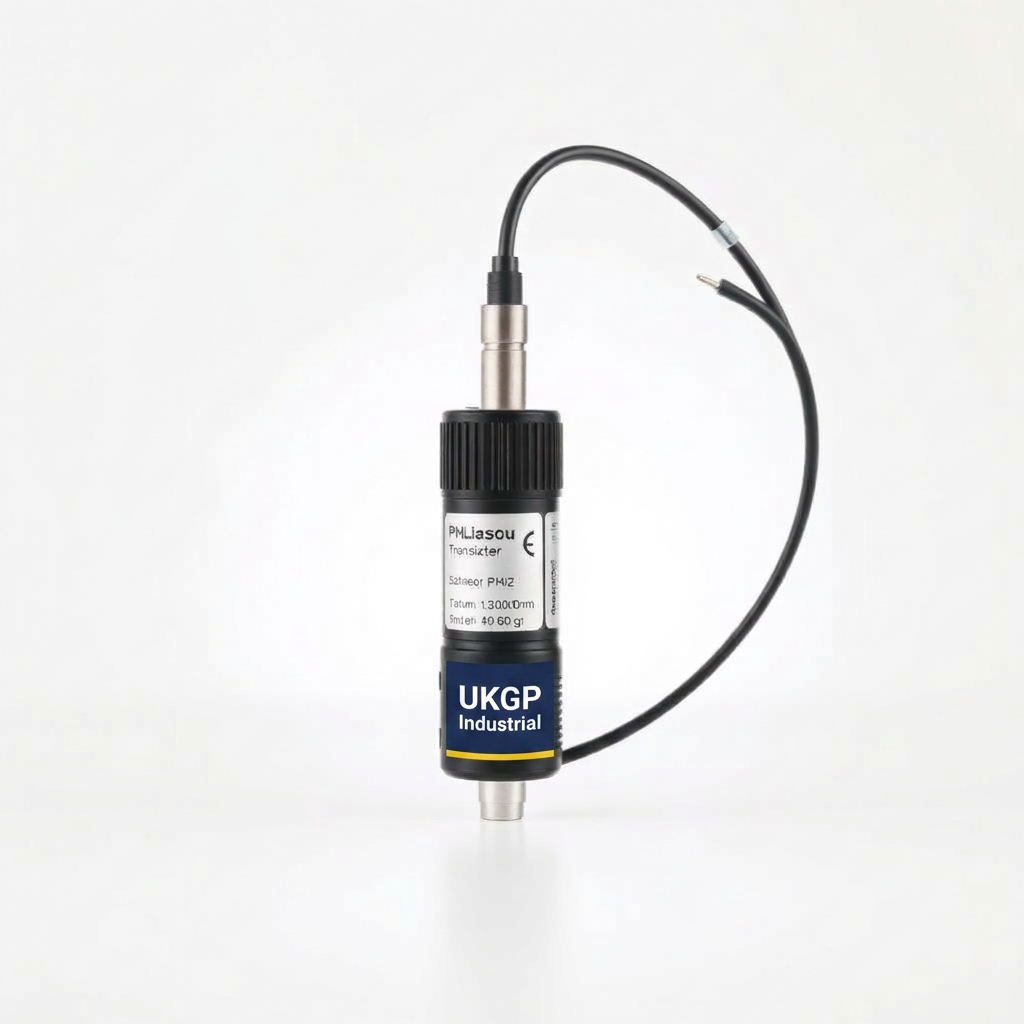
The environment in a plant room can be harsh and cramped, so ensuring the transmitter is accessible is important for a successful procedure. When looking at how to calibrate ph sensor systems, check the M12 cable connection for any signs of ingress or damage, as signal noise can interfere with the calibration signal. For UKGP industrial pH sensor & transmitter kits, the IP68 rating provides significant protection, but cleanliness is still vital for the electrode tip. Use a soft cloth or specialized cleaning solution if the glass bulb appears fouled with oil or mineral deposits. This pre-cleaning stage is often overlooked but is essential because a dirty probe simply cannot be calibrated accurately, regardless of the quality of the transmitter or the buffer solutions used.
Documentation is the final part of preparation. In accordance with BS 8552, every calibration event should be logged to provide a trail of evidence for system maintenance audits. This log should include the date, the name of the engineer, the buffer values used, the initial readings, and the final slope percentage. Understanding how to calibrate ph sensor gear also means understanding when a probe is reaching its end of life. If the transmitter indicates a slope below 85% after cleaning and calibration, it is time to order a replacement. This proactive approach prevents unexpected downtime and ensures that the water quality records provided to building consultants are beyond reproach, maintaining the reputation of the FM provider or M&E contractor.
- Source fresh pH 4, 7, and 10 buffer solutions for a 3-point calibration
- Prepare deionised water for rinsing the probe between buffer steps
- Inspect the M12 cable kit and transmitter housing for physical integrity
- Verify the temperature of buffers to ensure accurate compensation
- Ready a maintenance log for BSRIA compliance documentation
Step-by-Step Guide: How to Calibrate pH Sensor Transmitters
The actual procedure of how to calibrate ph sensor units starts with the offset, or the 'zero' point, which is typically done using a pH 7 buffer solution. After isolating the sensor from the process flow and rinsing it with deionised water, submerge it in the pH 7 buffer. Allow the reading to stabilise on the transmitter display. For UKGP transmitters, the interface is designed to be intuitive, allowing you to confirm the 7.00 value easily. Once the offset is set, you move to the 'slope' calibration using either pH 4 or pH 10, depending on whether the system water is expected to be acidic or alkaline. For most HVAC applications following BG50, an alkaline buffer is used as target pH levels are usually between 8.2 and 9.5 for steel systems.
During the slope adjustment, the transmitter calculates the efficiency of the electrode. This is where most errors in how to calibrate ph sensor systems occur; engineers often do not wait long enough for the sensor to reach thermal equilibrium with the buffer. For a precise 4-20 mA output, the transmitter must have a stable millivolt input from the probe. If you are using a Modbus integration, ensure the digital value matches the buffer after the scaling is applied. UKGP industrial pH sensors come factory-calibrated to simplify this initial setup, however, field calibration is always required upon commissioning to account for site-specific installation variables such as long cable runs or local electromagnetic interference that could affect signal integrity.
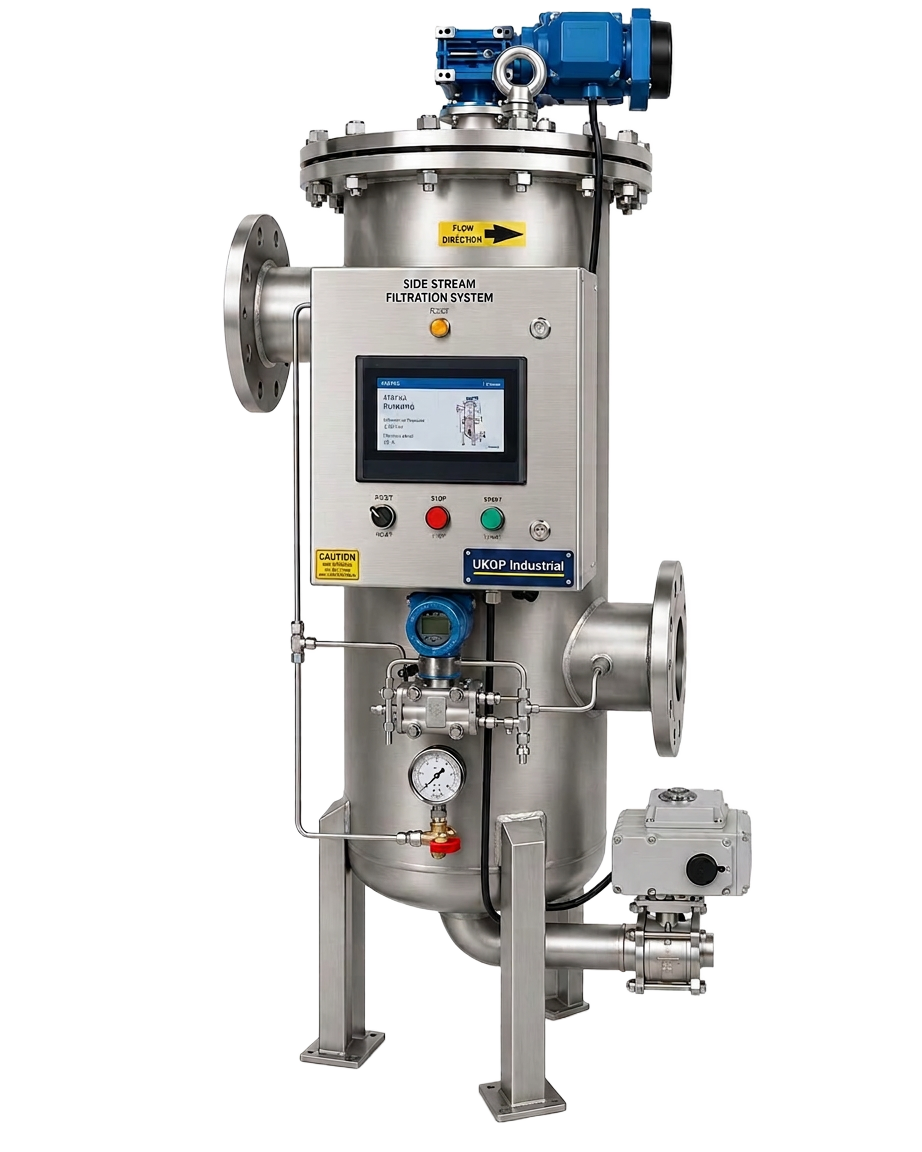
After the slope is confirmed, rinse the probe once more and perform a 'check' by placing it back into the first buffer. If the reading is within 0.05 pH units, the calibration is successful. If not, the process must be repeated. When you have mastered how to calibrate ph sensor hardware, the entire process takes less than ten minutes per unit but provides months of reliable service. Secure the sensor back into the flow cell or pipework, ensuring there are no leaks and that the M12 cable is securely fastened. Finally, verify that the BMS is receiving the correct live data before leaving the plant room. If the system requires a chemical adjustment, the low loss header or side-stream filtration unit can then be adjusted based on these highly accurate metrics.
- Rinse probe and stabilise in pH 7 buffer for the zero-point offset
- Apply pH 4 or 10 buffer to set the slope (sensitivity) of the transmitter
- Allow adequate time for temperature compensation to equalise across the probe
- Confirm the transmitter output (4-20 mA or Modbus) matches buffer values
- Reset the sensor into the process and verify BMS communication
Addressing Signal Integrity and Transmitter Integration
In modern commercial plant rooms, the distance between the sensor and the controller can be significant. When discussing how to calibrate ph sensor equipment effectively, we must consider signal degradation. Using an integrated transmitter that converts the high-impedance pH signal into a robust 4-20 mA current loop or a digital Modbus signal right at the sensor head is best practice. This avoids the common pitfalls of millivolt signal loss over long cable distances. The UKGP solution includes a matched transmitter and M12 cable kit to ensure that the precision achieved during calibration is actually delivered to the control panel. Without this hardware integrity, even the most perfect calibration procedure will be undermined by electrical noise from adjacent pumps and variable speed drives.
Furthermore, the choice between 4-20 mA and Modbus integration affects how to calibrate ph sensor diagnostics. A digital Modbus connection can often transmit secondary data, such as sensor health and temperature, which provides the FM team with advanced warning of calibration drift. For engineers, this means fewer emergency site visits and more scheduled, efficient maintenance. When installing these systems, ensure the IP68 rating of the sensor is not compromised by poor cable termination. Proper grounding of the shield in the M12 cable is also necessary to prevent ground loops, which are a frequent cause of 'wandering' pH readings in industrial environments. By addressing these physical installation factors, the calibration remains stable for much longer intervals, reducing the total cost of ownership.
Ultimately, the goal of learning how to calibrate ph sensor hardware is to facilitate automated building control. In systems involving side-stream filtration or complex heat exchangers, the pH level dictates the corrosion rate. If the transmitter is incorrectly calibrated, the entire water treatment strategy fails. This is why UKGP provides factory-calibrated sets that are ready for immediate deployment, with a 2-year warranty to guarantee reliability. Whether you are a procurement lead sourcing for a new build or a site engineer maintaining an existing plant, investing in high-quality pH instrumentation with clear calibration protocols is the most effective way to safeguard the mechanical integrity of your heating and cooling systems.
- Use 4-20 mA or Modbus to eliminate signal interference over long cable runs
- Ensure M12 cable kits are correctly shielded and grounded to prevent drift
- Utilise IP68-rated equipment to withstand damp plant room conditions
- Leverage digital diagnostics for proactive sensor health monitoring
- Match transmitter output to the specific requirements of the BMS controller
Maintaining Compliance with BSRIA and BS EN Standards
Adhering to British Standards and BSRIA guidelines is non-negotiable for professional building services. BSRIA BG29 and BG50 highlight that water monitoring is a continuous requirement, not a one-off task. Specifically, knowing how to calibrate ph sensor units is as important as the initial water treatment itself. BS EN 14917 and other relevant mechanical standards assume that the water quality is being maintained within design parameters to prevent stress corrosion cracking and other mechanical failures. If a sensor is out of calibration, the results of a water analysis report can be misleading, prompting unnecessary and expensive chemical dosing or, worse, failing to highlight a critical drop in pH that could be eating away at your expansion bellows or plate heat exchangers.
The legal and commercial implications of poor water chemistry are significant. In the event of a system failure, manufacturers of boilers and chillers will often request the last 12 months of water quality logs. If these logs show a lack of regular sensor maintenance or if the calibration process is not documented, warranties may be voided. By implementing a clear protocol on how to calibrate ph sensor transmitters, M&E contractors can add value to their service contracts, providing clients with peace of mind and verified data. UKGP’s industrial pH sensors are designed with these professional standards in mind, providing the reliability needed to meet the stringent requirements of UK building regulations and the specific demands of modern energy-efficient plant rooms.
Finally, ensure that your team is equipped with the right tools for the job. A high-quality transmitter that is easy to navigate makes the task of how to calibrate ph sensor systems much more likely to be performed correctly. UKGP's kits are supplied with everything needed—the sensor, transmitter, and M12 cable—ensuring compatibility and ease of use. This holistic approach to product supply ensures that the technical requirements of CIBSE and BSRIA are met with minimal fuss. For those managing large portfolios of commercial property, standardising on a reliable pH measurement platform simplifies the training process for engineers and ensures consistency in water quality reporting across all sites.
- Align maintenance schedules with the quarterly requirements of BSRIA BG50
- Keep detailed logs of calibration to protect plant warranties
- Ensure all pH monitoring equipment meets BS 8552 water sampling standards
- Regularly replace electrodes that fail to meet slope efficiency targets
- Standardise equipment across sites to simplify engineer training and audits
Conclusion: Procurement and Technical Support
Selecting the right partner for water quality monitoring equipment is as crucial as the hardware itself. At UKGP, we specialise in providing the UK building services industry with robust, industrial-grade solutions that stand up to the rigours of the plant room. Our pH sensor and transmitter kits are engineered for longevity, featuring factory calibration and a 2-year warranty as standard. By choosing a UK-based supplier with deep technical knowledge of BSRIA and CIBSE requirements, you ensure that your projects are supported by experts who understand the practicalities of how to calibrate ph sensor systems in the field. This expertise helps prevent the common errors that lead to system failure and costly downtime.
For procurement leads and FMs, our pH kits represent excellent value by reducing the need for frequent replacements and minimising the risk of water-related damages. Whether you are integrating into a legacy 4-20 mA system or a modern Modbus-enabled network, our equipment provides the flexibility and accuracy you need. We encourage you to reach out for a quote on our industrial pH sensor & transmitter sets, which include the electrode, the transmitter, and the necessary M12 cable kit. Our team is available to provide technical guidance on installation and calibration to ensure your system remains within the recommended pH limits for optimal performance and compliance.
Don't leave your water chemistry to chance. Accurate monitoring is the only way to truly know that your inhibitors are working and your plant is protected from corrosion. Contact UKGP today to discuss how our pH measurement solutions can be integrated into your next project. From chemical dosing pots to expansion bellows and side-stream filtration, we provide the full suite of components needed for a healthy, efficient HVAC system. Let us help you master the process of how to calibrate ph sensor technology so your building operates at its peak for years to come. Request a quote or technical datasheet via our website to get started.
- Request a quote for complete pH sensor, transmitter, and cable kits
- Access technical datasheets for 4-20 mA and Modbus integration
- Benefit from our 2-year warranty on all industrial pH instrumentation
- Ensure your plant room meets UK building services compliance standards
- Consult with Surrey-based experts for bespoke water quality solutions
Frequently asked questions
How often should I calibrate an industrial pH sensor?
- In accordance with BSRIA BG50, it is recommended to check and calibrate your pH sensor at least quarterly. In systems with higher contamination risks or where chemical dosing is high, monthly calibration may be necessary to ensure accuracy.
What buffers are best for HVAC ph sensor calibration?
- For most UK heating and cooling systems, a 2-point or 3-point calibration using pH 7 (neutral) and pH 10 (alkaline) buffers is best, as the target pH for treated water is typically above 8.2.
Can I use any M12 cable for my pH transmitter?
- While M12 is a standard, it is vital to use high-quality shielded cables, like the UKGP M12 cable kit, to prevent electromagnetic interference from affecting the sensitive pH signal, especially over longer distances.
What does a 'low slope' warning mean during calibration?
- A low slope (typically below 85%) indicates that the pH electrode is exhausted or fouled. If cleaning the probe doesn't improve the slope, the sensor bulb has likely reached the end of its life and requires replacement.
Does your pH transmitter support Modbus RTU?
- Yes, our industrial pH transmitters are available with both 4-20 mA and Modbus RTU options, allowing for seamless integration into modern Building Management Systems (BMS) for real-time monitoring and logging.