The importance of knowing how to calibrate ph probe hardware
In the sphere of UK building services, maintaining water chemistry is not merely a recommendation but a regulatory necessity. Incorrect pH levels in process water can lead to rapid degradation of heat exchangers and pipework through galvanic corrosion or scale formation. Therefore, learning how to calibrate ph probe devices accurately is the first line of defence for any plant-room engineer. Without regular calibration against known buffers, the millivolt signal from the glass electrode drifts over time due to aging and coating, leading to false readings that could result in inappropriate chemical dosing. This drift, if unchecked, compromises the entire water treatment strategy, potentially voiding manufacturer warranties on boilers and chillers that require specific water quality parameters to remain valid under BSRIA BG29 and BG50 frameworks.
Precision in monitoring is essential when dealing with high-value assets. When an engineer understands how to calibrate ph probe units effectively, they ensure that the 4-20 mA or Modbus feedback loop to the Building Management System (BMS) is reflecting real-world conditions. This reliability allows for automated chemical dosing pots to trigger only when necessary, saving on expensive inhibitor chemicals and reducing the environmental impact of system blowdowns. It is important to remember that pH is a logarithmic scale; a shift of just one pH unit represents a tenfold change in acidity. This sensitivity dictates that even minor calibration errors can result in significant system damage over a relatively short operational window. Regular maintenance schedules must account for this sensitivity by incorporating professional-grade calibration procedures.
Commercial and industrial environments present unique challenges for water quality sensors, including temperature fluctuations and pressure spikes. Learning how to calibrate ph probe sensors while accounting for these factors is vital for long-term operational stability. UKGP Industrial suggests that for critical heating and cooling infrastructure, calibration checks should be performed monthly as a minimum, or whenever the system undergoes significant makeup water additions. By following a structured calibration protocol, contractors can guarantee the longevity of the installation and provide the end-user with documented evidence of system health. This proactive approach to water chemistry management aligns with current best practices in the UK engineering sector, focusing on preventative maintenance rather than emergency reactive repairs which are often far more costly and disruptive.
- Ensures compliance with BSRIA BG50 closed-circuit water guidelines
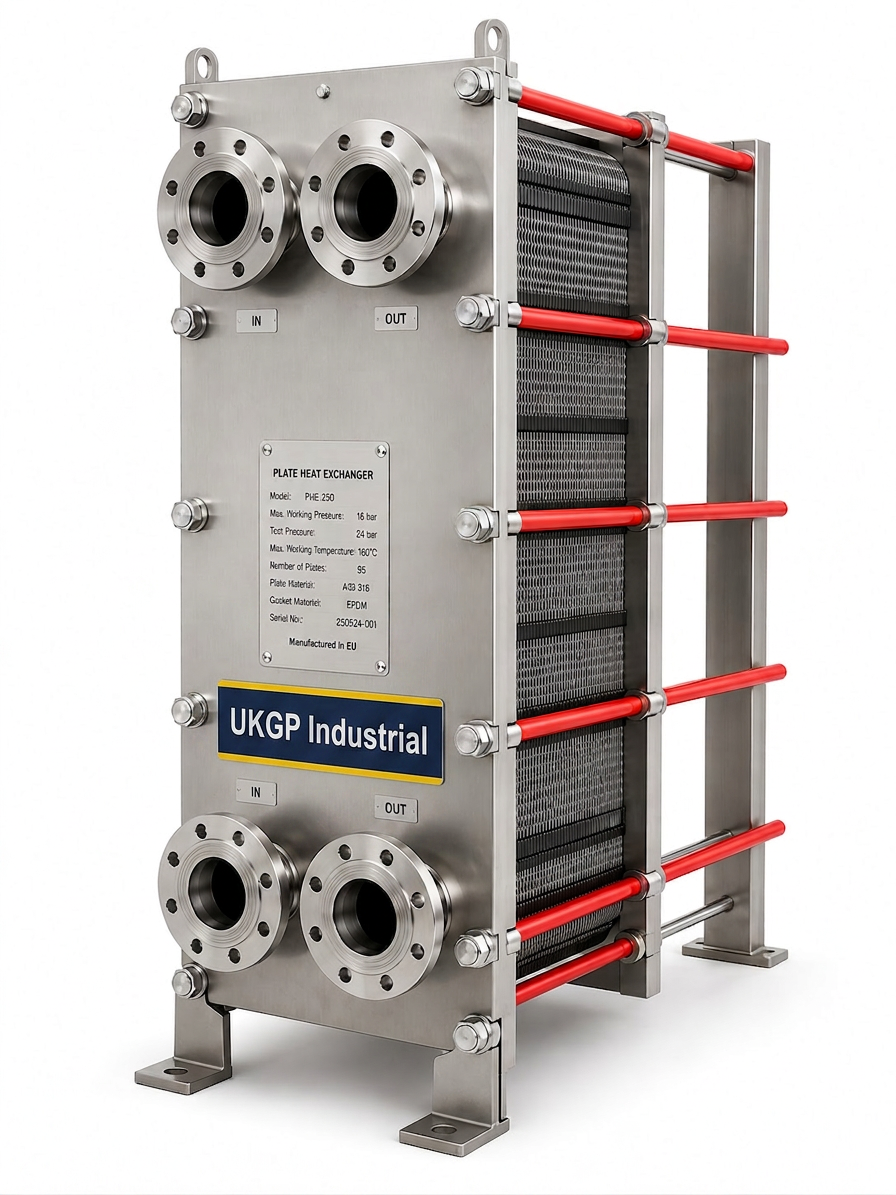
- Prevents accelerated corrosion of plate heat exchangers
- Reduces chemical waste by ensuring accurate dosing triggers
- Maintains valid equipment warranties through documented maintenance
Step-by-step procedure on how to calibrate ph probe systems
The actual process of how to calibrate ph probe sensors begins with thorough cleaning. Before inserting the probe into calibration buffers, the electrode must be rinsed with deionised water to remove any process water contaminants. Using a soft, non-abrasive cloth or tissue, gently blot the sensor—never wipe, as this can create a static charge that interferes with the reading. Once cleaned, the probe should be immersed in a pH 7.0 buffer solution, which acts as the 'neutral' or 'zero' point. Allow the reading on the transmitter to stabilise completely; this ensures that the internal electrolyte and the glass membrane have reached equilibrium with the buffer. This two-point calibration process is standard for most industrial applications where the expected pH range is between 4 and 10.
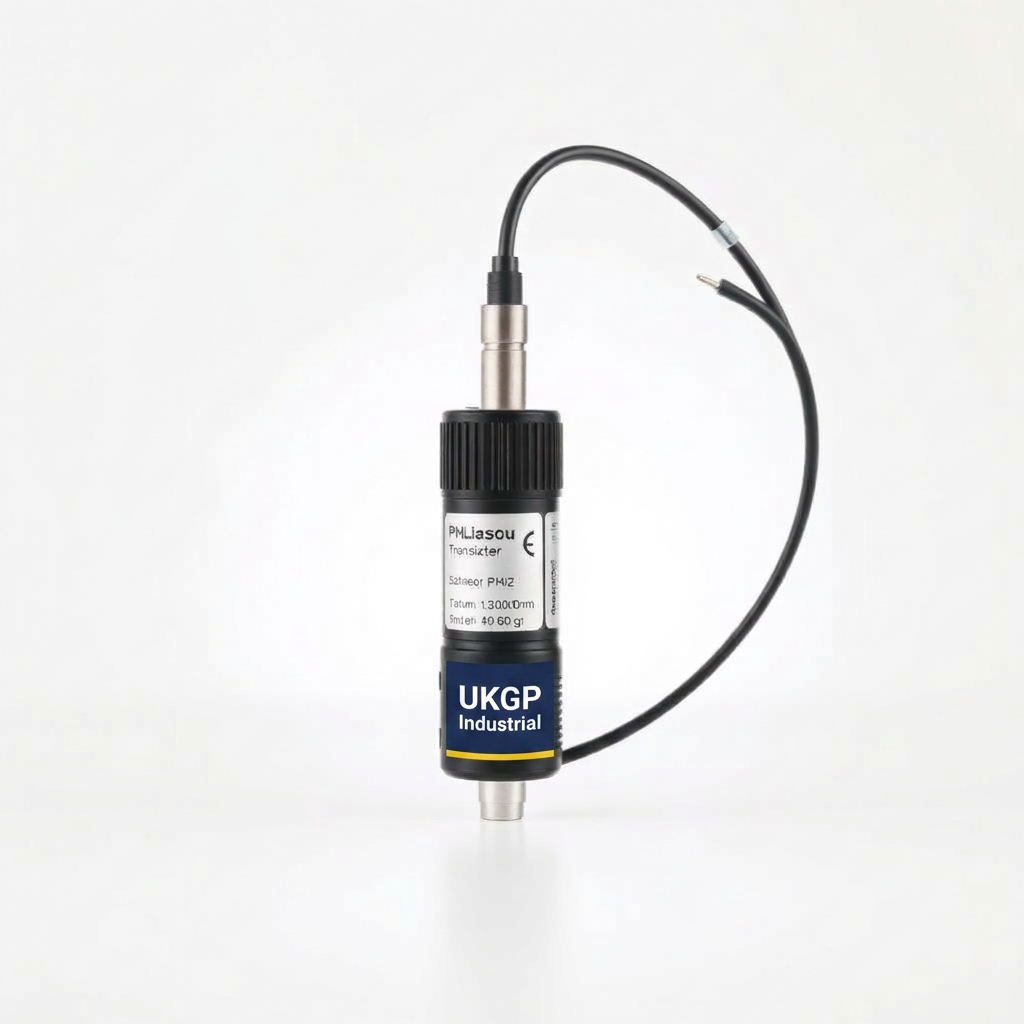
After the neutral point is set, the second part of how to calibrate ph probe systems involves using a slope buffer, typically pH 4.0 for acidic systems or pH 10.0 for alkaline systems like UK heating loops. Again, rinse the probe with deionised water between buffers to avoid cross-contamination. Submerge the sensor in the second buffer and wait for the transmitter to lock onto the value. Most modern digital transmitters, such as those supplied in the UKGP kit, will automatically calculate the electrode slope and offset. A slope between 85% and 105% is generally considered acceptable. If the slope falls outside this range, it indicates that the electrode is nearing the end of its life or is significantly fouled, requiring either deep cleaning or total replacement.
Finally, always record the pre-calibration and post-calibration values in the site logbook. This documentation is essential for audit trails and for identifying trends in sensor performance. When considering how to calibrate ph probe hardware, engineers should also check the integrity of the M12 cable kit and connections. Ensuring the IP68 seal is intact prevents moisture ingress, which is a common cause of signal fluctuation in plant-room environments. Once the calibration is complete and the sensor is reinstalled into the flow cell or pipework, verify that the transmitter output matches the expected value on the head-end BMS. This end-to-end verification confirms that the entire monitoring loop is functioning correctly and provides peace of mind for the facility management team.
- Clean probe with deionised water before and after buffer immersion
- Perform a two-point calibration using pH 7.0 and pH 4.0 or 10.0 buffers
- Verify electrode slope remains within the 85-105% efficiency range
- Check M12 cable kit and IP68 housing for signs of wear or moisture
Maintaining accuracy in HVAC water quality monitoring
In large-scale UK commercial buildings, the pH of the water is a primary indicator of the health of the corrosion inhibitor. Many inhibitors used in UK HVAC systems are molybdenum or nitrite-based, which require a specific alkaline pH range to remain effective. If an engineer forgets how to calibrate ph probe equipment, they might miss the subtle drop in pH that precedes widespread pitting corrosion. This is particularly dangerous in systems featuring aluminium components, where the pH must be tightly controlled within a narrow window to prevent the metal from dissolving. Regular calibration ensures the reported data is actionable and that the chemical dosing pots are adding the correct amount of alkalinity builder to stay within the CIBSE recommended limits.
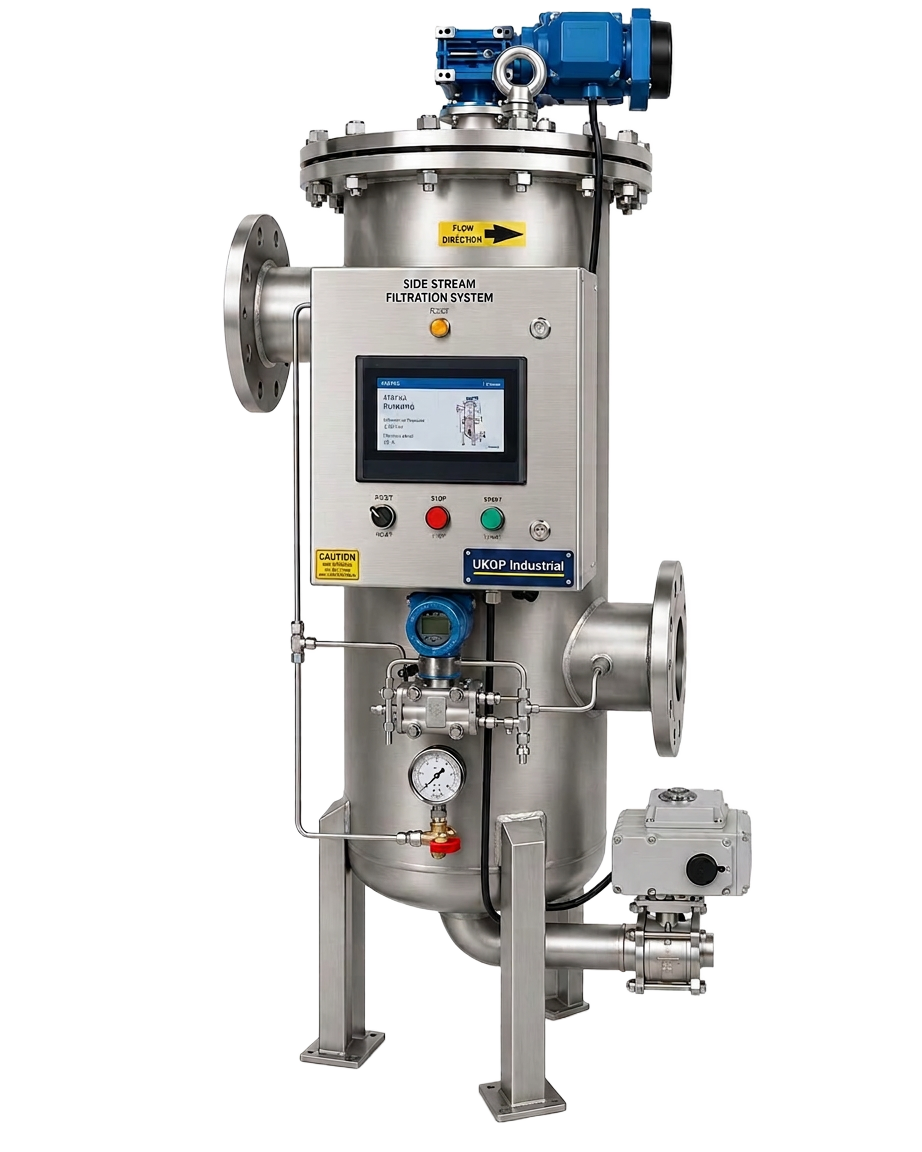
To further support system longevity, the integration of side stream filtration is often recommended alongside accurate pH monitoring. While the pH sensor tracks chemical health, the filtration unit removes the suspended solids that can shield bacteria or cause erosion-corrosion. When you master how to calibrate ph probe sets, you gain a clearer picture of how effectively your total water treatment package is performing. For example, a sudden drift in pH despite correct calibration might indicate biological activity or an undetected leak introducing fresh, raw water into the loop. Accurate sensors allow these issues to be detected early, long before the symptoms manifest as reduced heat transfer or pump failure, thus protecting the asset's lifcycle and operational efficiency.
For those managing complex plant rooms, UKGP Industrial provides a comprehensive pH sensor & transmitter solution designed for the rigours of the UK market. Our kit includes a high-quality industrial sensor, a dedicated transmitter, and a secure M12 cable kit. Offering both 4-20 mA and Modbus connectivity, our units are factory-calibrated but easily adjustable on-site for those who know how to calibrate ph probe devices. With an IP68 rating and a 2-year warranty, our equipment is built to withstand the damp and dusty conditions of a busy utility space. To ensure your system remains within BSRIA guidelines, contact our technical team today for a quote on our robust pH monitoring solutions that provide the reliability and accuracy your infrastructure deserves.
- Protects aluminium and copper components from pH-driven corrosion
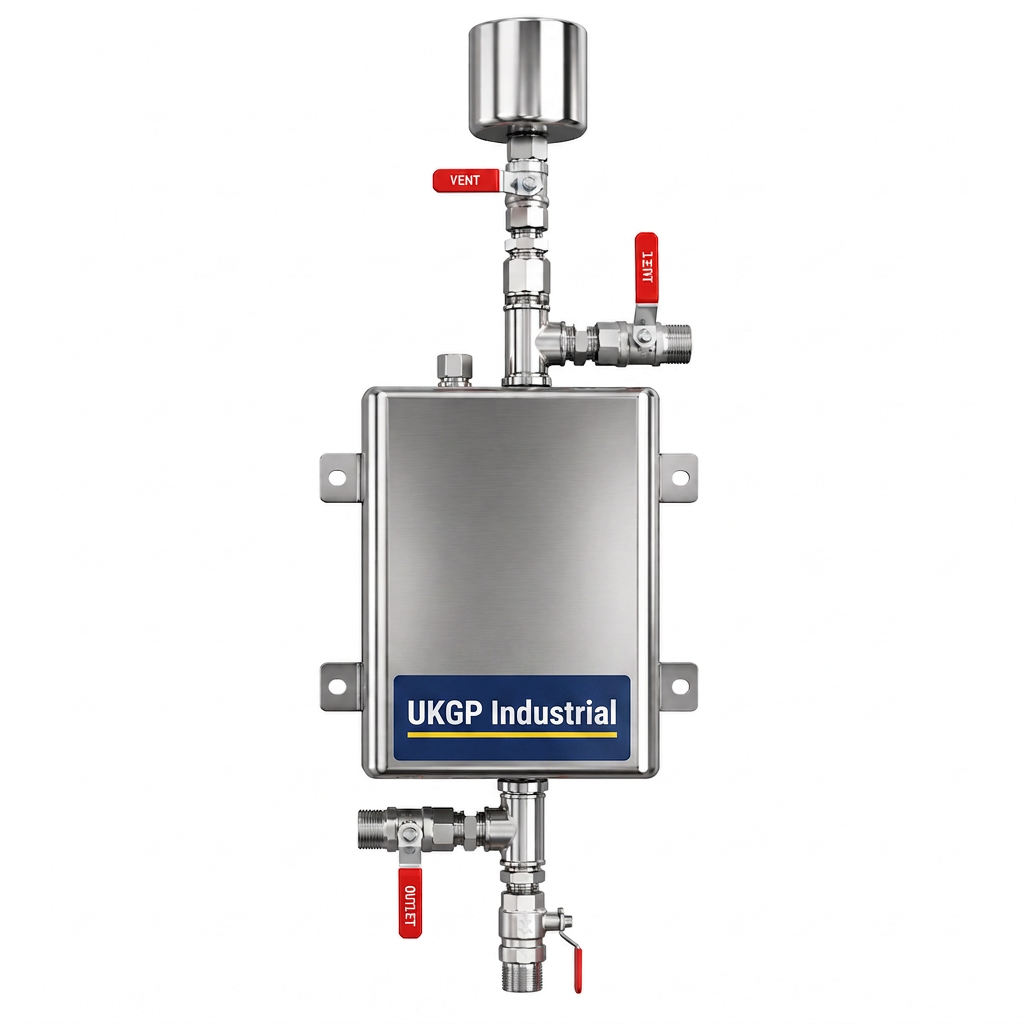
- Complements side stream filtration for total system protection
- Enables early detection of leaks or biological contamination
- Compatible with Modbus and 4-20 mA BMS integration
Practical considerations for ph sensor installation
Where you install the sensor is almost as important as knowing how to calibrate ph probe units. For the most accurate and stable readings, the sensor should be installed in a location with a steady flow and minimal turbulence. Often, this is achieved using a bypass assembly or a dedicated flow cell. Installing the sensor directly into a main high-velocity header can lead to 'streaming potentials' that cause reading instability. Furthermore, ensure that the sensor is always submerged; if the pipe runs half-empty, the glass bulb will dry out, leading to irreversible damage or significantly skewed readings. High-quality transmitters will often include an alarm feature to signal when a reading is out of range, but this only works if the initial calibration is sound.
Temperature compensation is another critical factor when discussing how to calibrate ph probe technology. pH is temperature-dependent; as water heats up, the chemical activity changes. UKGP transmitters include automatic temperature compensation (ATC) to adjust the reading based on the fluid temperature. However, the calibration buffers themselves are also temperature-sensitive. Most buffer bottles include a table showing the pH value at various temperatures (e.g., pH 7.00 at 25°C might be pH 7.06 at 15°C). For the highest precision in a cold plant room, engineers should use these tables or allow the buffers to reach a standard room temperature before beginning the calibration process. This attention to detail differentiates a basic check from a professional-grade commissioning service.
Standardisation across a site is recommended for ease of maintenance. Using the same UKGP industrial pH sensor & transmitter across all chilled and heating loops simplifies the training required for staff to learn how to calibrate ph probe hardware. It also allows for a streamlined spare parts inventory, as the same M12 cable kits and electrodes can be held in stock. Our products are factory-calibrated to reduce out-of-the-box setup time, but we always recommend an on-site 'buffer check' during commissioning to account for any shipping vibrations. By choosing a unified monitoring platform, procurement leads can ensure that their technical teams are equipped with reliable, IP68-rated tools that deliver consistent performance under the demanding conditions expected in UK building services installations.
- Install in a bypass or flow cell to ensure stable flow conditions
- Keep the electrode submerged at all times to prevent drying out
- Account for temperature dependency of buffers during site calibration
- Unify sensor models across the facility to streamline maintenance
Troubleshooting common calibration issues
Even when following the correct steps for how to calibrate ph probe sensors, engineers may encounter errors like 'Slow Response' or 'Out of Range'. A slow response is typically caused by a coating on the glass membrane—often oils, scale, or bacterial slime. This can usually be resolved by a gentle soak in a mild acid or a specific cleaning solution, followed by a thorough rinse. If the sensor is slow to react after cleaning, the internal reference junction may be clogged. In most industrial process water applications, the reference is a non-refillable gel type; if this becomes contaminated or depleted, the entire electrode must be replaced. High-quality UKGP sensors are designed for longevity, but they still remain a consumable part of the system.
Electrical interference is another common hurdle when learning how to calibrate ph probe systems. If the value on your transmitter jumps erratically when a nearby pump starts, you may be experiencing a ground loop or EM interference. Using shielded cables and ensuring the transmitter is properly grounded is essential. The UKGP M12 cable kit is designed to provide high-quality signal transmission with excellent noise rejection, but the installer must still follow best practices for cable routing, keeping signal lines away from high-voltage power cables. If calibration is impossible despite clean buffers and a new sensor, the fault likely lies in the cabling or the transmitter's analogue input configuration.
Finally, always check the expiration date of your buffer solutions. Using expired or contaminated buffers is the most frequent reason for failing to correctly perform how to calibrate ph probe tasks. Once a buffer bottle is opened, it has a limited shelf life; pH 10 buffers are particularly prone to absorbing CO2 from the air, which lowers their pH over time. For critical systems, always use fresh buffer sachets or pour small amounts of bottled buffer into clean beakers, discarding the used liquid afterwards. This ensures that the reference point you are using is absolutely accurate. For any site-specific questions regarding recalibration intervals or replacement parts, the UKGP Industrial team is available to provide expert guidance and fast delivery of replacement kits.
- Clean glass membranes regularly to prevent slow response times
- Use shielded M12 cables to eliminate electrical noise and jitter
- Always use fresh, in-date buffer solutions for every calibration
- Replace electrodes if the slope falls below 85% after cleaning
Conclusion: Best practices for pH monitoring
Mastering how to calibrate ph probe instrumentation is a core skill for anyone responsible for the uptime of UK industrial heating and cooling systems. By adhering to a rigorous schedule and using high-quality equipment, you protect the building's infrastructure from the catastrophic effects of uncontrolled water chemistry. Accurate pH data allows for the fine-tuning of chemical dosing, ensuring that the system remains within the parameters defined by BS 8552 and BSRIA BG50. This not only extends the life of the plant but also contributes to the overall energy efficiency of the building by preventing the insulating effects of scale buildup on heat transfer surfaces.
Infrastructure managers should view pH monitoring as an investment rather than an overhead. A high-quality UKGP industrial pH sensor & transmitter assembly, featuring an IP68 rating and a 2-year warranty, provides the reliability needed for 24/7 operations. When your team knows how to calibrate ph probe units efficiently, they spend less time troubleshooting and more time optimising system performance. Our factory-calibrated units, complete with M12 cable kits and versatile output options like 4-20 mA or Modbus, are designed for rapid deployment and ease of use in even the most challenging plant-room environments across the UK.
To upgrade your water quality monitoring regime or to replace failing legacy equipment, consider the UKGP range of sensing solutions. We offer technical support to ensure your engineers are confident in how to calibrate ph probe hardware and can provide all necessary accessories from dosing pots to side stream filters. Ensure your facility's compliance and operational integrity by choosing industrial-grade sensors that are built to last. Contact us today for a technical consultation or to request a competitive quote for your next project, ensuring your process water remains perfectly balanced for years to come.
- Integrate 4-20 mA and Modbus outputs for real-time BMS oversight
- Document every calibration event for BSRIA compliance audits
- Standardise on IP68-rated hardware for maximum environmental resistance
- Consult UKGP Industrial for bespoke water quality monitoring kits
Frequently asked questions
How often should I calibrate my industrial pH probe?
- In accordance with BSRIA BG50 guidelines, we recommend a calibration check once a month for most closed-loop HVAC systems. If the system is subject to heavy makeup water or aggressive chemical dosing, weekly checks may be required until the system stabilises.
What buffers do I need to calibrate a heating system pH probe?
- Typically, you will need pH 7.0 (neutral) and pH 10.0 (alkaline), as most UK heating loops are treated to remain slightly alkaline (pH 8.2 to 9.5). For chilled water systems, a pH 4.0 buffer might be used as the second point if the system is at risk of acidification.
Why is my pH reading drifting after I just calibrated it?
- Drift is often caused by temperature fluctuations or electrical interference. Ensure your transmitter has automatic temperature compensation and that you are using a shielded M12 cable kit. If the drift persists, check for air bubbles trapped around the sensor bulb.
Can I use any transmitter with the UKGP pH sensor?
- Our sensors are designed for optimal performance with the UKGP industrial pH transmitter, but they use standard signals compatible with most BMS controllers. For the most reliable results and a 2-year warranty, we recommend the complete matched kit.
What is the lifespan of an industrial pH sensor?
- In a well-maintained heating loop, a sensor typically lasts 12 to 24 months. However, this varies based on temperature and water cleanliness. Knowing how to calibrate ph probe units helps you identify when the sensor slope is degrading, signaling the need for a replacement.