Understanding how to calibrate pH meter sensors in-situ
In a commercial plant room or industrial process line, accuracy is not a set-and-forget metric; it is a moving target influenced by temperature, pressure, and chemical fouling. When engineers ask how to calibrate pH meter equipment, they are often dealing with drift caused by the accumulation of micro-scale scale or anaerobic bacteria common in closed-loop heating and cooling circuits. Regular calibration ensures that the chemical dosing controllers receive an accurate 4-20 mA or Modbus signal, preventing over-dosing of inhibitors or under-dosing of biocides. This precision is essential for adhering to the stringent requirements of BSRIA BG50, which mandates frequent water chemistry monitoring to prevent metallic corrosion and micro-biologically influenced corrosion (MIC) that can lead to catastrophic component failure.
The process of calibrating an in-line sensor differs significantly from laboratory handheld units. On a process line, the sensor is typically seated in a flow-through tee or mounted directly on a low loss header where it senses the bulk fluid properties. Calibration usually involves either a two-point or three-point buffer method using pH 4.0, 7.0, and 10.0 solutions. The primary goal of knowing how to calibrate pH meter hardware is to adjust the slope and offset of the transmitter. This ensures that the electrical output precisely matches the measured acidity or alkalinity of the process fluid. For UK facilities managers, this task should be scheduled at least quarterly, or more frequently if the system is undergoing a commissioning clean or if large make-up water volumes are being introduced to the loop.
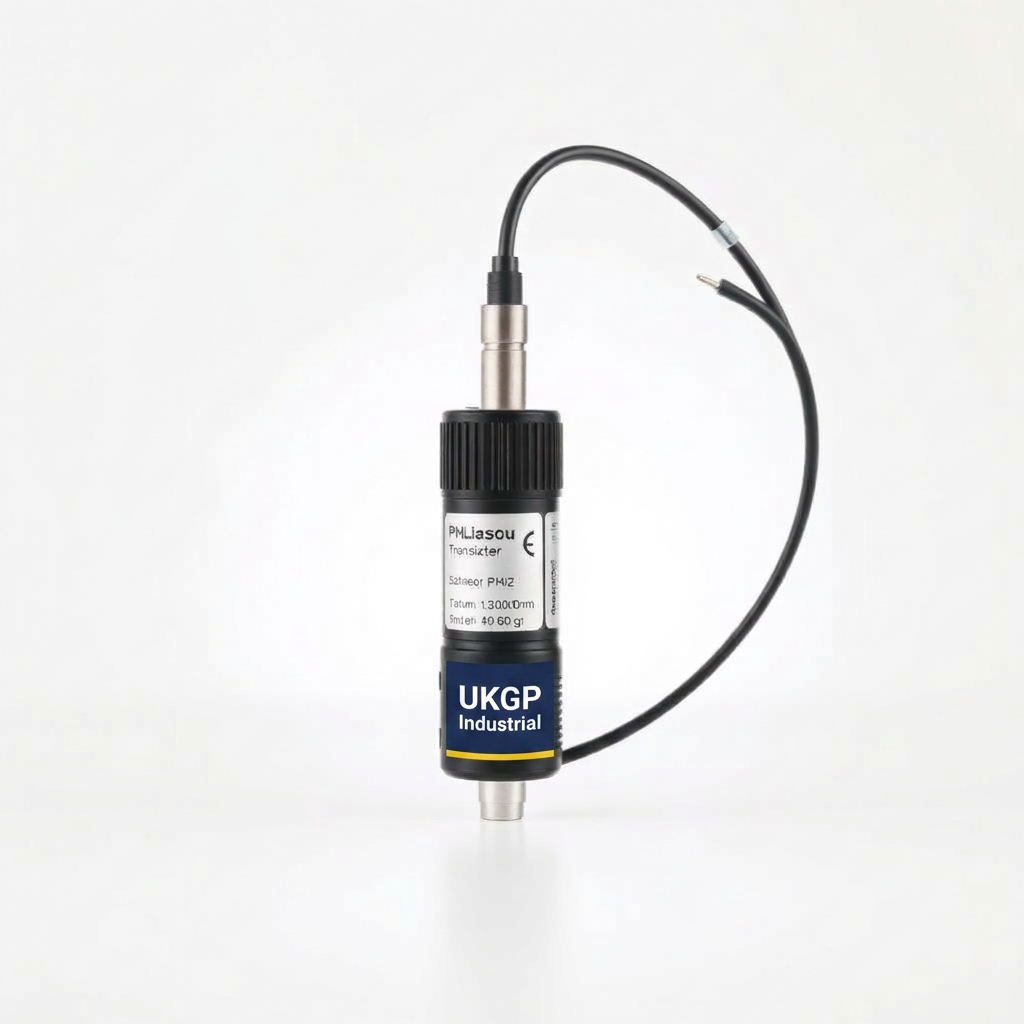
Precision in measurement directly correlates with the longevity of your industrial infrastructure. If the pH level falls below the recommended range for steel or copper components, the resulting acidic environment accelerates pitting corrosion. Conversely, excessively high pH can damage aluminium heat exchangers found in modern high-efficiency boilers. By mastering how to calibrate pH meter devices, UK building services consultants can ensure that their designs deliver the expected lifespan. Choosing UKGP industrial pH sensors and transmitters simplifies this maintenance because our kits are factory-calibrated prior to dispatch, offering a reliable baseline. This allows your team to focus on the nuances of the water chemistry rather than troubleshooting faulty instrumentation or inconsistent sensor signals across the plant room.
- Aligns system maintenance with BSRIA BG50 and BG29 water quality standards
- Prevents costly over-dosing of chemicals and scale buildup
- Extends the operational life of boilers, chillers, and heat exchangers
- Ensures consistent 4-20 mA or Modbus feedback to the BMS
Preparation and cleaning before the calibration process
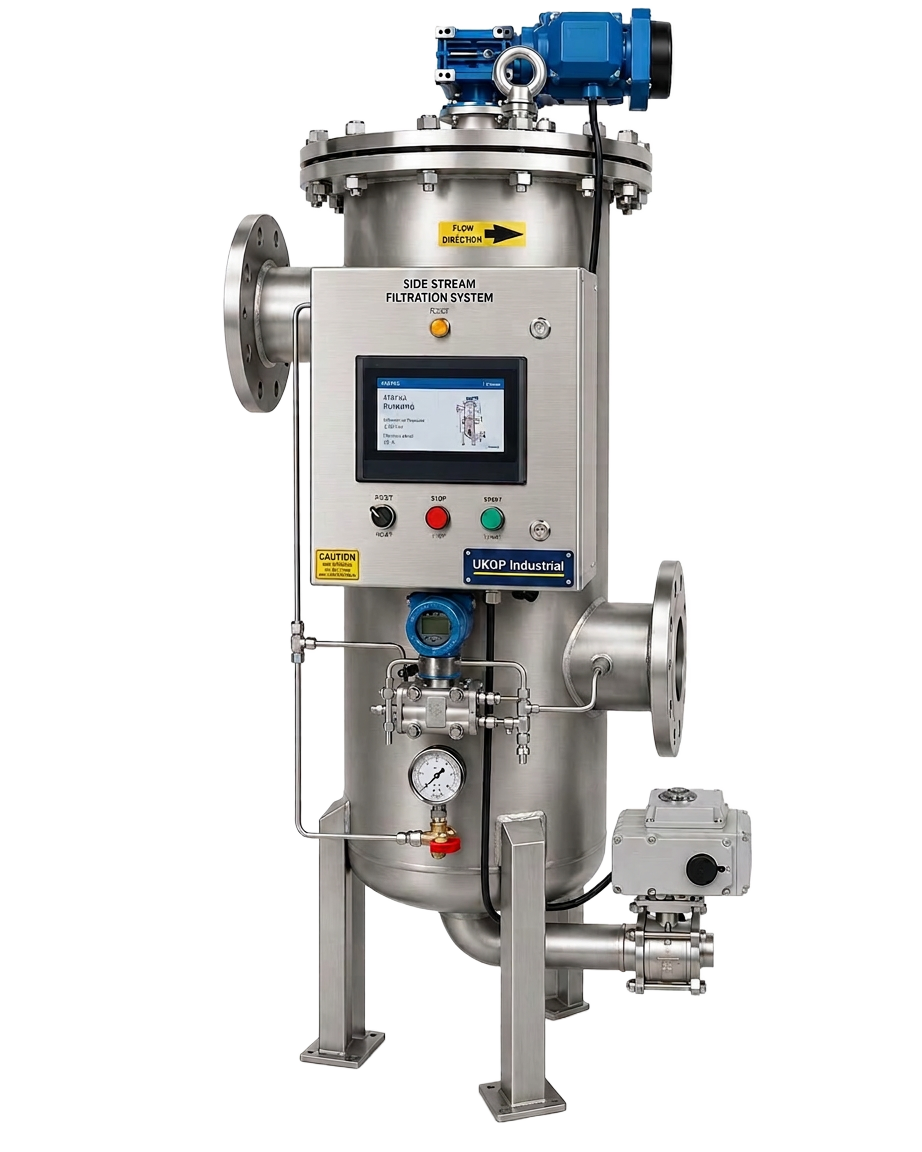
Before you begin the steps of how to calibrate pH meter probes, physical cleaning is a non-negotiable prerequisite. Over time, the glass electrode of an industrial sensor becomes coated with a bio-film or mineral scale, especially in systems using side stream filtration where fine particulates are still present. To clean the sensor, it should be carefully removed from the pipework—ideally using an isolation valve to prevent system draining. Use a soft cloth and a dedicated cleaning solution or a mild 5% hydrochloric acid dip to remove stubborn deposits. Never scrub the bulb, as the delicate ion-exchange layer can be scratched, leading to sluggish response times and permanent measurement error that cannot be resolved through electronic adjustment alone.
Once the sensor is clean, it must be thoroughly rinsed with deionised water to prevent contamination of the calibration buffers. Contaminated buffers are the leading cause of failed calibrations in industrial settings. When learning how to calibrate pH meter units, engineers often overlook the 'buffer temperature compensation' aspect. Most modern transmitters, like those supplied by UKGP, include temperature sensors to adjust the slope based on the ambient buffer temperature, but it remains best practice to allow the sensor and the buffer solutions to reach thermal equilibrium before starting the procedure. This attention to detail ensures that the offset calculated by the transmitter is based on true chemistry rather than thermal spikes caused by moving from a hot plant room to a cold storage area.
If you encounter a sensor that refuses to calibrate despite thorough cleaning, it may have reached the end of its service life or suffered electrolyte depletion. In these instances, attempting to force the calibration will only lead to unreliable readings and potential system damage. For high-stakes environments, such as commercial district heating or mission-critical data centres, always have a spare UKGP industrial pH sensor and transmitter kit on hand. Our kits come with a 2-year warranty and IP68 protection, providing the reliability required for harsh UK industrial environments. By integrating these robust sensors into your maintenance regime, you reduce the time spent troubleshooting and ensure that the process of how to calibrate pH meter installations remains a straightforward, repeatable technician task.
- Use 5% HCl or specialized cleaning solutions for scale removal
- Rinse with deionised water to maintain buffer purity
- Allow probes and buffers to reach thermal equilibrium
- Check for physical cracks or electrolyte leakage in the electrode
The two-point calibration protocol for HVAC loops
The standard industry protocol for how to calibrate pH meter sensors involves a two-point calibration, typically using pH 7.0 as the 'zero' or 'offset' point and pH 4.0 or 10.0 to establish the 'slope'. For most closed-circuit HVAC applications, where pH is ideally maintained between 8.2 and 9.5 for steel protection, using 7.0 and 10.0 buffers provides the greatest accuracy in the alkaline range. First, submerge the cleaned probe in the 7.0 buffer and wait for the transmitter reading to stabilise. Adjust the transmitter to read exactly 7.0. This step accounts for any zero-point drift that has occurred since the last maintenance interval, ensuring the baseline of your building services water chemistry remains accurate to the CIBSE guidelines.
The second step in how to calibrate pH meter systems is to rinse the probe and place it in the second buffer, usually pH 10.0 for alkaline HVAC systems. The transmitter will then calculate the efficiency of the electrode, often expressed as a percentage of the theoretical Nernstian slope (which is 59.16 mV per pH unit at 25°C). A healthy industrial sensor should have a slope between 90% and 105%. If the slope falls below 85%, the sensor is likely nearing failure and should be replaced to prevent erroneous chemical dosing. UKGP's transmitter kits simplify this by providing clear digital readouts and easy-to-navigate menus that guide the engineer through these steps, ensuring that even under-pressure maintenance teams can achieve professional-grade results without extensive training.
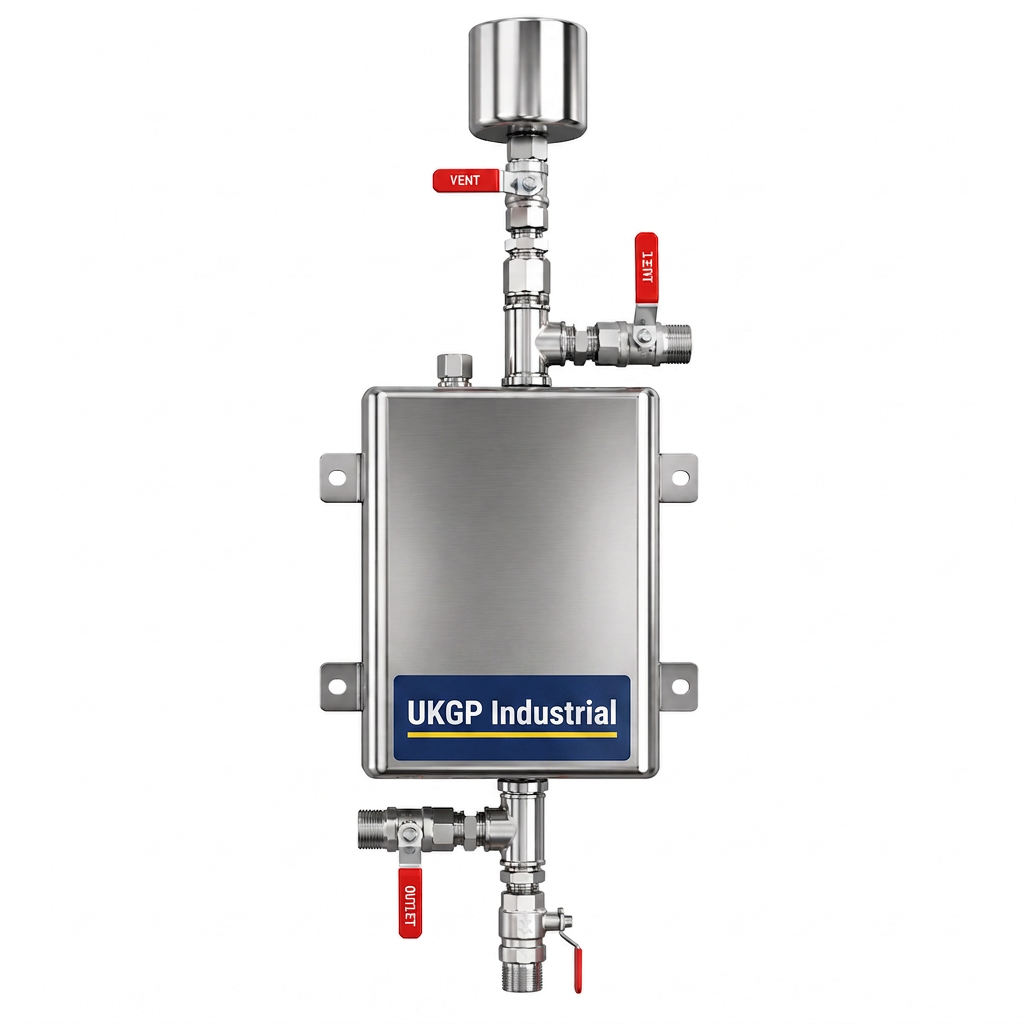
After completing the two points, it is good practice to perform a 'look-back' check by placing the sensor back into the pH 7.0 solution to ensure it returns to the correct value. If the reading is off by more than 0.05 pH units, the calibration should be repeated. Once satisfied, the sensor can be re-installed into the process line. Professionals often mount these sensors on low loss headers or primary loops where flow is consistent. If your system requires new installation points, UKGP can supply high-quality low loss headers and pH sensor kits to ensure your monitoring station is positioned for maximum accuracy. Understanding how to calibrate pH meter equipment correctly ensures that your investment in sophisticated chemical dosing pots and filtration systems is actually protecting the plant as intended.
- Use pH 7.0 for the zero point and pH 10.0 for the slope in alkaline loops
- Aim for a sensor slope efficiency between 90% and 105%
- Verify stability for at least 60 seconds at each calibration point
- Double-check with a 7.0 buffer after the two-point procedure is complete
Integrating sensor data with the Building Management System
Knowing how to calibrate pH meter hardware is only one half of the equation; ensuring that the calibrated data reaches the Building Management System (BMS) correctly is equally vital. UKGP industrial pH transmitters offer both 4-20 mA analogue outputs and Modbus digital communication. When the transmitter is calibrated, the output scale must correspond exactly to the BMS inputs. For example, if the transmitter is scaled to 4 mA at pH 0 and 20 mA at pH 14, the BMS must be programmed with the same scaling. This end-to-end verification ensures that the FM team sees the same data on their dashboard that the engineer sees at the sensor head in the plant room, facilitating rapid response to chemistry deviations.
Modern industrial sensors are increasingly expected to handle harsh conditions safely. UKGP provides an IP68-rated housing and M12 cable kits to ensure that even in damp or humid UK plant rooms, the electrical integrity of the signal is maintained. When you learn how to calibrate pH meter transmitters, you should also check the cable connections for any signs of corrosion or moisture ingress. A faulty M12 connection can introduce resistance into the loop, causing the BMS to report a different pH than the actual value measured at the probe. By using high-quality UKGP components, you eliminate these common 'phantom' errors that plague lower-specification systems, ensuring your process line monitoring remains rock-solid year after year.
For consultants and M&E contractors, specifying a factory-calibrated UKGP industrial pH sensor & transmitter with a 2-year warranty provides peace of mind. These units come as a complete kit, including the sensor, transmitter, and M12 cabling, reducing the chance of compatibility issues during the site handover phase. When contractors understand how to calibrate pH meter installations properly, they can demonstrate compliance with BS 8552 for water sampling and BSRIA BG29 for pre-commissioning cleaning. This documented accuracy is often a prerequisite for signing off large-scale commercial HVAC projects, making the choice of reliable UKGP instrumentation a commercially sound decision for all stakeholders involved in the supply chain.
- Factory-calibrated kits reduce site commissioning time
- M12 cable kits and IP68 housings prevent signal interference
- Dual connectivity with 4-20 mA and Modbus for BMS flexibility
- Documented calibration supports BS 8552 and BSRIA BG29 compliance
Maintaining accuracy in high-pressure process lines
In high-pressure process lines, the physical stress on a pH probe can lead to accelerated drift. Engineers must understand how to calibrate pH meter sensors while accounting for the pressure effects on the reference junction. High-quality UKGP sensors are designed to withstand industrial pressures, but the chemical equilibrium at the glass membrane can still shift slightly when moving from a pressurized pipe to an atmospheric buffer solution. To mitigate this, some high-end systems utilize pressure-compensated sensors or require that calibration be performed as quickly as possible once the probe is removed to prevent the electrolyte from drying or reacting with ambient air, which can distort the next set of readings.
The frequency of calibration in industrial settings also depends on the flow rate. In systems with high-velocity flow, such as those filtered by side stream filtration, the sensor can experience 'streaming potentials' or physical erosion. If your facility utilizes side stream filtration, ensure the pH sensor is located in a bypass loop with regulated flow, or downstream of the filters where turbulence is lower. When you address how to calibrate pH meter units in these environments, look for signs of physical wear on the sensor body. If the sensor is significantly worn, the calibration process will become increasingly difficult, with the transmitter struggling to find a stable endpoint, indicating it is time for a UKGP replacement sensor.
Ultimately, the goal of industrial pH monitoring is to provide a predictive window into your system's health. By standardizing on UKGP industrial pH sensors and transmitters, you gain the benefit of hardware that is built for the rigours of UK plant rooms. Our transmitters are intuitive, allowing on-site staff to perform calibrations without requiring expensive outside contractors. When your team knows how to calibrate pH meter equipment and does so regularly, you significantly reduce the risk of unexpected downtime. For procurement leads, investing in a robust monitoring kit with a 2-year warranty represents a savvy way to lower the total cost of ownership while protecting multi-million pound plant assets from the silent threat of corrosion.
- Install sensors in regulated bypass loops to minimize erosion
- Monitor for streaming potentials in high-velocity process lines
- Perform frequent checks if using advanced side stream filtration
- Order UKGP replacement sensors before the slope drops below 85%
Best practices for document-control and compliance
In the UK, regulatory compliance and audit trails are becoming increasingly important for facilities management. Part of knowing how to calibrate pH meter systems is maintaining an accurate calibration log. This log should record the date, the initial readings, the adjusted slope and offset, and the batch numbers of the buffers used. This documentation is vital during BSRIA BG50 audits or when investigating the cause of a component failure. It proves that the M&E contractor or FM team followed the manufacturer's guidelines and adhered to industry best practices, protecting you against liability and ensuring that warranty claims on other plant equipment, like plate heat exchangers, remain valid.
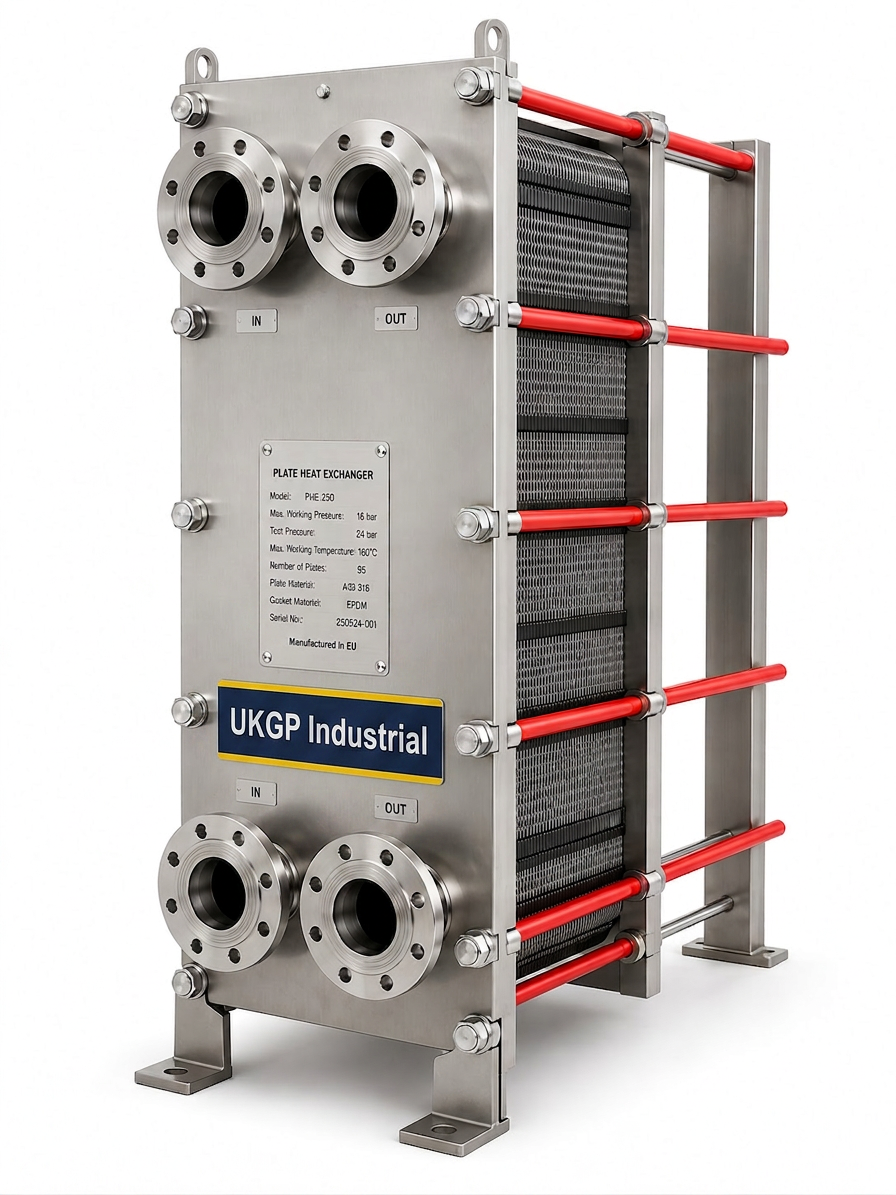
Plate heat exchangers are particularly sensitive to pH imbalances, as their thin plates can be quickly compromised by corrosive water. By ensuring your pH transmitters are accurately maintained, you protect these expensive assets. When you carry out or supervise the task of how to calibrate pH meter hardware, ensure that the transmitter's 2-year warranty remains active by only using approved buffer solutions and cleaning agents. Using UKGP-supplied sensors and transmitters provides you with a single point of contact for technical support, ensuring that if a calibration fails, you have expert UK-based advice just a phone call away to help resolve the issue and get your process line back in balance.
In conclusion, the ability to maintain accurate pH readings is the cornerstone of effective water treatment in the industrial sector. From the initial commissioning under BSRIA BG29 to the long-term operation under BG50, knowing how to calibrate pH meter units ensures that your system remains efficient, safe, and compliant. We invite you to contact UKGP today to request a quote for our industrial pH sensor & transmitter kits. With factory calibration, IP68 protection, and both 4-20 mA and Modbus outputs, our solutions are the preferred choice for UK building services consultants and plant engineers who require reliability and precision in every drop.
- Maintain detailed logs for BSRIA BG50 and BG29 compliance audits
- Protect plate heat exchangers and boilers from pH-driven corrosion
- Utilise UKGP technical support for troubleshooting calibration issues
- Request a quote for factory-calibrated sensor and transmitter kits
Frequently asked questions
How often should I calibrate an industrial pH sensor?
- For industrial HVAC and process lines in the UK, we recommend a calibration check every 1 to 3 months, depending on the water quality and system load. Systems undergoing active commissioning or chemical cleaning may require weekly checks to comply with BSRIA BG29 standards.
Can I use any buffer solution for my UKGP transmitter?
- Yes, but for the highest accuracy, we recommend using fresh, high-quality buffers with pH values of 4.0, 7.0, and 10.0. Ensure the transmitter is set to the correct buffer profile to account for temperature-related variations in the buffer's pH value.
What is the typical lifespan of an industrial pH sensor?
- In a well-maintained closed-loop system, an industrial pH sensor typically lasts between 12 and 24 months. Factors like high temperatures, extreme pH levels, and abrasive particulates can shorten this lifespan, which is why UKGP offers a 2-year warranty on our transmitter kits.
Why is my pH meter reading drifting despite frequent calibration?
- Drift is often caused by probe fouling or an aging reference junction. If you have followed the steps on how to calibrate pH meter probes and still see drift, the sensor may need deep cleaning or replacement. Ensure the M12 cable connections are dry and secure, as moisture ingress can also cause signal instability.
Do I need a separate transmitter for the 4-20 mA output?
- No, the UKGP industrial pH sensor & transmitter kit includes the transmitter unit which converts the millivolt signal from the sensor into a robust 4-20 mA or Modbus signal, making it ready for direct integration with your BMS or PLC.