Understanding Why Accurate pH Monitoring Matters
In modern UK building services, the chemical balance of closed-loop heating and chilled water systems is governed by strict industry standards like BSRIA BG29 and BG50. Deviations in pH levels can lead to rapid metallic corrosion or unwanted mineral precipitation, both of which compromise the efficiency of plate heat exchangers and boiler plant. Knowing how to calibrate a ph probe correctly is the first step in establishing a reliable preventative maintenance regime. Without accurate data, chemical dosing becomes guesswork, potentially leading to over-treatment or, worse, accelerated pipework degradation that results in costly downtime for facility managers and mechanical contractors.
The electrochemical nature of pH electrodes means they are subject to 'drift' over time due to reference junction depletion or electrode coating. This is why a regular scheduled SOP is essential for all plant room engineers. When you understand how to calibrate a ph probe, you ensure that the 4-20 mA or Modbus signals sent to your BMS are reflecting the true state of the system fluid. BSRIA guidelines suggest that water quality should be checked at least quarterly, but for high-value commercial assets, continuous monitoring via a calibrated industrial transmitter is the only way to catch acidified water events before they cause irreparable damage to expansion bellows and valves.
Procurement leads and M&E contractors must specify instrumentation that is both durable and easy to maintain. A industrial pH sensor that lacks a clear calibration pathway is a liability in a heavy-duty environment. By following a structured approach to calibration, you extend the service life of the sensor and maintain the integrity of the entire hydronic circuit. Whether you are managing a decentralised heat network or a single commercial boiler room, the precision of your sensors determines the success of your corrosion inhibition strategy. It is not just about the hardware; it is about the repeatable process behind the data points.
- Aligns with BSRIA BG50 requirements for water quality monitoring.
- Prevents premature failure of expensive HVAC components.
- Reduces chemical waste by enabling precise dosing control.
- Ensures data integrity for automated BMS reporting.
Standard Preparation for how to calibrate a ph probe
Before beginning the procedure, gather all necessary materials including high-quality buffer solutions, typically pH 4.01, 7.00, and 10.01. It is vital to use fresh buffers that have not expired, as exposure to air can alter their values, particularly the alkaline solutions which absorb CO2. When learning how to calibrate a ph probe, experts recommend using the 'two-point' method for neutral systems or the 'three-point' method for systems expected to experience wider fluctuations. Ensure the sensor is clean and free from oils or biological growth, which are common in cooling tower or poorly treated heating applications.
Temperature compensation is another critical factor in the SOP. Because pH is temperature-dependent, your buffer solutions should ideally be at the same temperature as the process fluid, or you must use a transmitter with automatic temperature compensation (ATC). Our industrial transmitters simplify this by integrating temperature data directly with the pH logic. As you prepare to learn how to calibrate a ph probe, ensure you have deionised water available for rinsing the probe between buffer immersions. Never wipe the glass bulb with a dry cloth, as this creates static charges that interfere with the millivolt readings and can lead to erratic measurements.
Documentation is often overlooked but remains a core requirement of BS 8552. Each calibration event should be recorded with the date, the buffers used, and the slope efficiency (%) of the electrode. A new electrode typically has a slope of 95% to 102%. When this falls below 85%, it indicates that the sensor is nearing the end of its functional life and should be replaced. By mastering how to calibrate a ph probe, engineers can predict sensor failure before it occurs, allowing for planned procurement of UKGP replacement kits rather than reacting to emergency system alarms or catastrophic corrosion failures.
- Always use certified NIST-traceable buffer solutions.
- Rinse with deionised water to prevent cross-contamination.
- Verify the temperature of the buffers for accurate slope calculation.
- Inspect the reference junction for any visible blockages or discolouration.
The 2-Point and 3-Point Calibration Step-by-Step
To begin the 2-point process on how to calibrate a ph probe, first submerge the cleaned electrode into the pH 7.00 buffer (the offset). Wait for the millivolt reading on the transmitter to stabilise. Most modern UKGP transmitters feature a user-friendly interface that allows you to lock in this neutral point. Once the 'zero' point is established, rinse the probe thoroughly with DI water. This second step is vital; any residual neutral buffer left on the sensor will skew the next reading and invalidate the calibration. This initial step ensures the electronics are correctly mapped to the sensor's current electrochemical state.
Next, move to the second buffer, typically pH 4.01 if the system is expected to be acidic, or pH 10.01 for the alkaline environments typical of heating water treated to BSRIA standards. Submerge the sensor and allow the transmitter to calculate the 'slope'. Successful completion of this step confirms that the sensor can accurately track changes across the scale. Learning how to calibrate a ph probe using this dual-buffer approach provides a linear reference for the device. If the transmitter displays an error during this stage, it usually points to a fouled electrode or contaminated buffers that need immediate attention.
For the ultimate in precision, a 3-point calibration includes the neutral, acidic, and alkaline buffers. This is the gold standard for high-performance industrial environments. It provides a 'segmented' calibration curve that is more accurate if the process pH fluctuates significantly above and below neutral. Once you know how to calibrate a ph probe at three points, you can be confident in the data integrity of your 4-20 mA or Modbus output. For HVAC systems where chemical dosing pots are used to adjust levels, having this high-resolution data ensures that every millilitre of inhibitor is used effectively to protect the plant.
- Step 1: Offset calibration using pH 7.0 neutral buffer.
- Step 2: Slope calibration using pH 4.0 or 10.0 buffer.
- Step 3: Verification of the slope percentage on the transmitter display.
- Step 4: Final rinse and re-installation into the flow cell or pipework.
Integrating Sensors with Side Stream Filtration
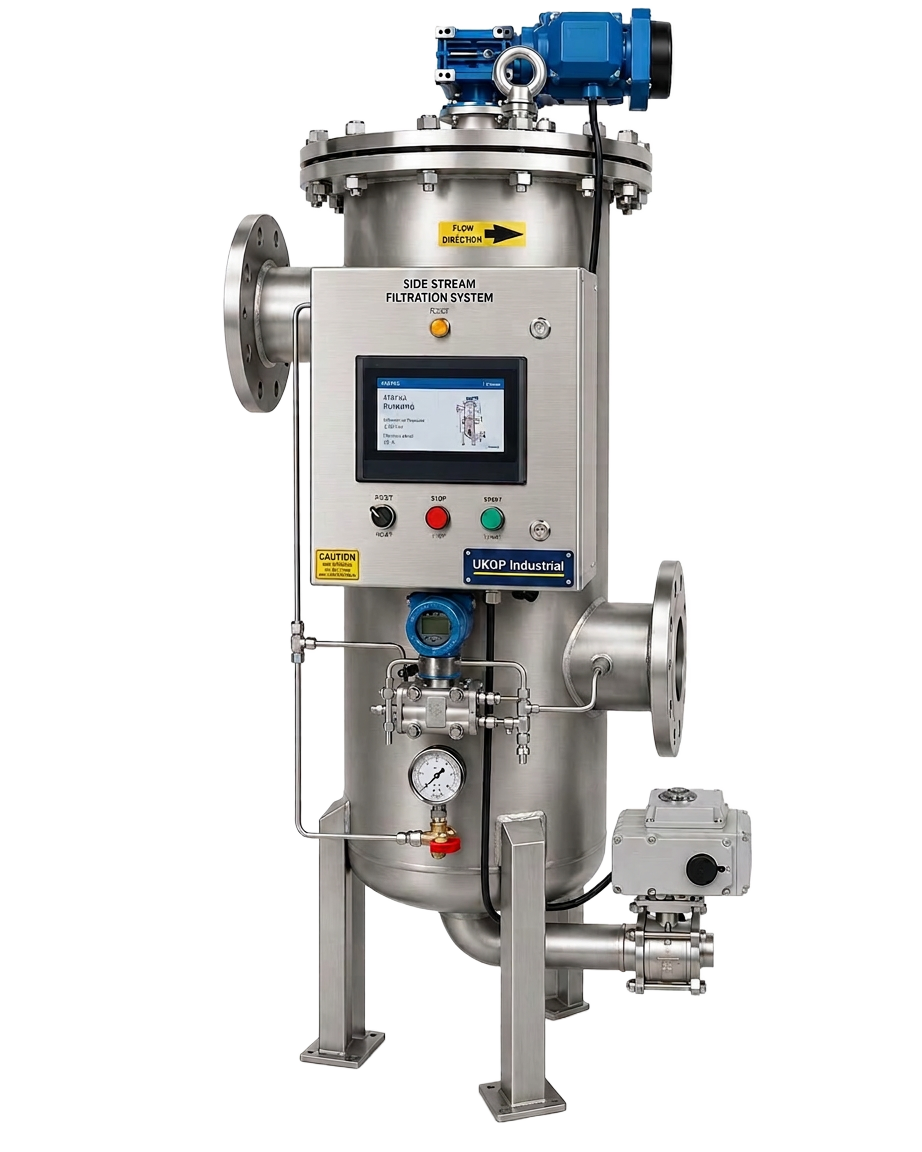
In many commercial plant rooms, pH sensors are integrated directly into side stream filtration skid units. This arrangement allows for the continuous monitoring of water quality while simultaneously removing suspended solids. When considering how to calibrate a ph probe in this context, it is important to utilize a bypass loop with isolation valves. This allows the engineer to remove the probe for calibration without shutting down the entire filtration system. The integration of high-quality sensors within these skids ensures that FM teams receive real-time alerts if filtration or chemical treatment parameters fall outside of the BSRIA BG50 recommended ranges.
A well-maintained filtration system helps to protect the delicate pH electrode by removing the abrasive magnetite and debris that can scratch the glass membrane or clog the reference junction. If you are struggling with how to calibrate a ph probe frequently due to fouling, it may be a sign that your side stream filtration is inadequate. UKGP side stream units are designed to work in harmony with our sensors, providing a stable flow environment that minimises turbulence and air bubbles around the electrode. This synergy between physical filtration and electronic monitoring is the hallmark of a resilient modern HVAC system design.
Contractors should ensure that the sensor placement within the filtration loop is accessible for the technician performing the SOP. If the sensor is tucked away in an unreachable location, the likelihood of routine calibration occurring—as specified in the O&M manuals—drops significantly. By prioritising both filtration and accessible instrumentation, you reduce the total cost of ownership and ensure the longevity of heat exchangers and boiler components. This holisitic approach to water treatment is common in UK best practice for large-scale residential developments and district heating schemes.
- Install sensors in bypass loops for easy maintenance access.
- Synergise filtration with monitoring to reduce sensor fouling.
- Ensure flow rates across the sensor membrane are consistent.
- Combine pH data with filtration performance for full system visibility.
Maintaining the Transmitter and Cable Infrastructure
Knowing how to calibrate a ph probe is only half the battle; the electronic transmission of that data must also be robust. In industrial environments, electromagnetic interference (EMI) can distort the low-voltage millivolt signals from a pH probe. This is why UKGP supplies high-quality M12 cable kits and IP68-rated transmitters. A properly shielded cable ensures that the calibration value you set at the probe is the same value that reaches the BMS. During the SOP, engineers should inspect cables for any signs of brittleness or moisture ingress at the connectors, as these are common failure points in humid plant room conditions.
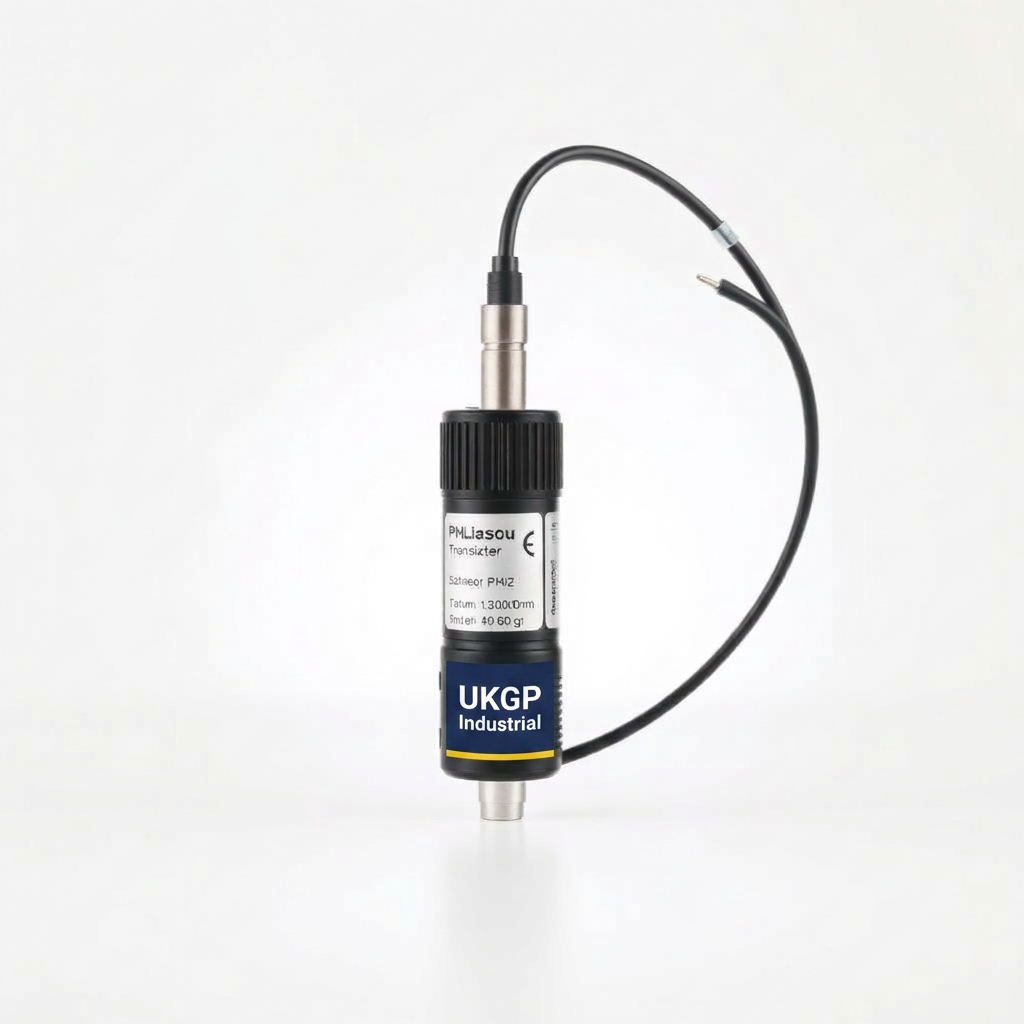
Our industrial pH transmitters are factory-calibrated but require field adjustment to account for the specific sensor chemistry. With options for 4-20 mA or Modbus communication, these units offer a 2-year warranty and are built to withstand the rigours of continuous operation. When you execute the process of how to calibrate a ph probe, the transmitter acts as the brain, interpreting the sensor's health. If the transmitter is mounted too far from the probe without a pre-amplifier, the signal can degrade. UKGP designs minimize this risk by utilizing integrated solutions that make the calibration process intuitive for site staff.
Finally, always ensure the transmitter enclosure is properly sealed after any adjustment. The IP68 rating is only effective if the cable glands are tightened and the cover is secure. While focusing on how to calibrate a ph probe, take a moment to verify that the transmitter display is clear and that the output signal matches the local reading. This end-to-end verification is what separates a standard technician from a building services expert. If your current instrumentation is difficult to calibrate or unreliable, it may be time to upgrade to a UKGP industrial kit to ensure long-term compliance with British Standards.
- Utilise IP68-rated transmitters for harsh plant room environments.
- Check M12 cable kits for integrity during every calibration cycle.
- Confirm BMS signal matching after every 2-point calibration.
- Leverage a 2-year warranty for peace of mind on critical infrastructure.
Best Practices for Sensor Longevity and Storage
A common mistake when learning how to calibrate a ph probe is failing to store the sensor correctly between uses or during system shutdowns. pH electrodes must never be stored in dry conditions or in deionised water, as this leaches the electrolyte from the reference junction. Instead, always use a dedicated storage solution (3M KCl) inside the protective cap. This keeps the glass membrane hydrated and ready for the next calibration cycle. A well-stored sensor will calibrate faster and maintain its slope much longer than one that has been allowed to dry out or become contaminated by stagnant system water.
Following a strict SOP on how to calibrate a ph probe also involves knowing when to clean rather than just calibrate. If you notice the response time is sluggish, a gentle wash with a mild detergent or a specialized protein cleaning solution can often restore performance. This is particularly relevant in systems where organic inhibitors or glycol are present. By maintaining a clean sensor, you ensure that the calibration process is representative of the actual water chemistry, not just the buildup on the probe surface. This practical maintenance extends the replacement interval, providing better value for procurement leads.
In summary, the ability to accurately monitor system pH is fundamental to the protection of heat networks and HVAC infrastructure. By implementing this guide on how to calibrate a ph probe, UK plant room engineers can satisfy the requirements of BSRIA BG50 and BS 8552, ensuring their chemical water treatment is both effective and verifiable. For those looking to upgrade their monitoring capabilities, the UKGP industrial pH sensor & transmitter kit offers a robust, factory-calibrated solution with a 2-year warranty, designed specifically for the UK's demanding commercial and industrial sectors.
- Store sensors in 3M KCl solution to maintain hydration.
- Clean sensors before calibration to ensure accurate slope readings.
- Monitor electrode 'age' via transmitter slope percentage data.
- Specify UKGP kits for reliable, long-term HVAC water monitoring.
Frequently asked questions
How often should I calibrate my industrial pH probe?
- Per BSRIA BG50 guidelines, water quality should be checked regularly. For industrial transmitters, we recommend a 2-point calibration every 1-3 months depending on the system's stability and cleanliness.
What buffers should I use for a closed-loop heating system?
- Since most heating systems are treated to be slightly alkaline (pH 9-10), you should use pH 7.00 and pH 10.01 buffers for a 2-point calibration to bracket the expected range.
Why is my pH probe slow to respond during calibration?
- Sluggish response is usually due to a fouled membrane or an old sensor. Try cleaning the bulb with a soft brush and mild detergent, or the sensor may be reaching the end of its 12-24 month lifespan.
Can I use tap water to rinse my electrode?
- Tap water is acceptable for a quick rinse if DI water is unavailable, but you must never store the probe in tap water or use it for the final rinse, as the ions can interfere with the sensor's reference junction.
Does the UKGP transmitter support Modbus?
- Yes, our industrial pH transmitters are available with either standard 4-20 mA analogue outputs or Modbus digital communication for seamless BMS integration.