The Electrochemical Foundation: How does a pH probe work?
In the sphere of industrial water monitoring, the fundamental query of how does a ph probe work is answered by the principle of potentiometry. At its core, a pH probe is an electrochemical sensor that measures the electrical potential difference between two electrodes submerged in a solution. One of these is a glass electrode, featuring a thin, hydrogen-ion-sensitive glass bulb, and the other is a stable reference electrode. When the probe is immersed in the process water of a heating or cooling circuit, hydrogen ions in the liquid interact with the hydrated layer on the outside of the glass membrane. This interaction creates a millivolt signal that is directly proportional to the acidity or alkalinity of the water, which is then interpreted by a transmitter.
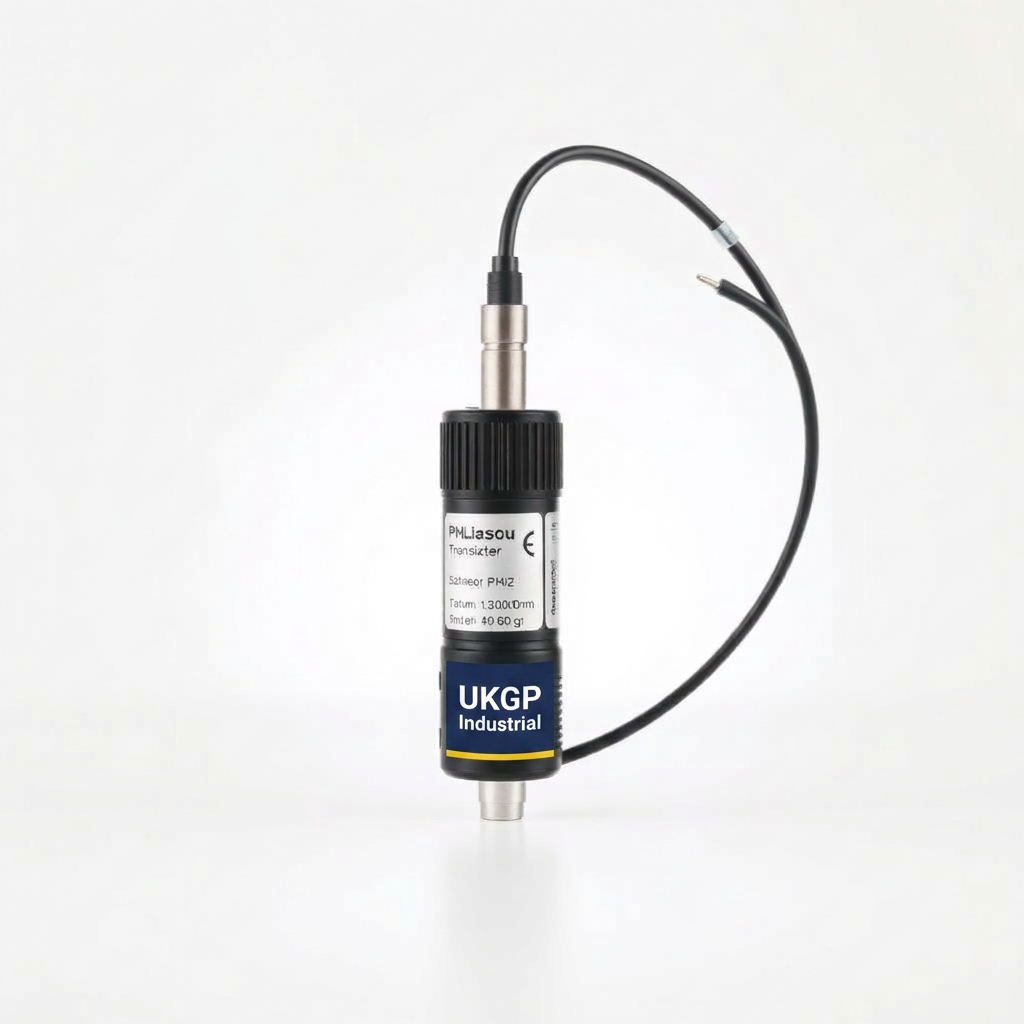
Understanding how does a ph probe work requires looking at the internal structure of the glass electrode, which contains a neutral buffer solution. The difference in hydrogen ion concentration between the internal buffer and the external process fluid creates a potential across the glass membrane. This is defined by the Nernst equation, which provides the mathematical framework for converting voltage into a pH value on the 0-14 scale. For UK M&E contractors, this precision is essential because even slight deviations in pH can indicate the breakdown of corrosion inhibitors or the onset of microbial activity. A high-quality UKGP industrial pH sensor & transmitter ensures this sensitive millivolt signal is accurately converted into a robust 4-20 mA or Modbus output for BMS integration.
Crucially, the glass bulb is not merely a container but a semi-permeable ion-exchange layer. When engineers ask how does a ph probe work, they must appreciate that the 'measurement' is actually a measurement of charge density on the surface of this glass. Modern industrial sensors are designed to provide a stable, repeatable signal even in the presence of turbulent flow or high system pressures. By integrating a factory-calibrated UKGP sensor, site teams can move away from manual dip-testing and towards continuous, real-time monitoring. This proactive approach is exactly what is required to meet the rigorous water quality standards set out in BSRIA BG29 and CIBSE guidelines, ensuring that the critical infrastructure remains protected against the hidden costs of chemical imbalance.
- The Nernst Equation: The scientific basis for converting millivolts to pH values.
- Reference Electrode: Provides a stable baseline voltage regardless of pH changes.
- Glass Membrane: A high-impedance barrier that reacts specifically to hydrogen ion activity.
- BMS Integration: Converting raw electrochemical data into actionable process control.
BSRIA BG50 and the Necessity of Accurate Measurement
The BSRIA BG50 Water Treatment for Closed Heating and Cooling Systems manual is the industry standard for maintaining system health in the UK. One cannot fulfill these requirements without accurate, live data, which brings us back to the operational mechanics of how does a ph probe work. In closed loops, pH levels are typically maintained between 9.0 and 10.5 for steel systems to promote passivity. If the pH drops, the protective magnetite layer on pipes can strip away, leading to rapid pitting and sludge formation. Conversely, excessively high pH can damage non-ferrous components, particularly aluminium heat exchangers. Reliable pH sensors are therefore not optional; they are a critical safety component for the entire plant room.
Effective monitoring transition from manual to automated systems is often hampered by a lack of understanding regarding how does a ph probe work in harsh environments. In a busy plant room, temperature fluctuations and mechanical vibration can interfere with delicate electrochemical readings. This is why UKGP provides an industrial pH sensor & transmitter kit that includes a high-grade M12 cable and an IP68-rated housing. By using factory-calibrated equipment with a 2-year warranty, facility managers can satisfy the audit requirements of BS 8552, which provides guidance on sampling and monitoring water quality in buildings. Continuous monitoring allows for immediate dosing adjustments through chemical dosing pots before corrosion becomes irreversible.
Ultimately, the goal of adherence to BSRIA guidelines is to extend the lifecycle of the building's assets. When discussing how does a ph probe work with procurement leads, the focus should be on the total cost of ownership. A failed sensor leads to 'blind' operations, where chemical concentrations are guessed rather than measured. By installing a UKGP transmitter with 4-20 mA or Modbus connectivity, you ensure that the BMS is always fed with accurate data. This allows for automated alerts when parameters drift, ensuring that M&E contractors can intervene with precise chemical dosing rather than reactive flushes, which are both costly and disruptive to building occupants.
- Asset Longevity: Maintaining pH levels to protect expensive metallurgy.
- Audit Readiness: Meeting BS 8552 and BSRIA BG50 documentation standards.
- Reduced Maintenance: Avoiding the sludge build-up caused by corrosion.
- Data Accuracy: Eliminating the errors inherent in manual site testing.
Thermal Influence and Compensated Readings
A critical aspect of how does a ph probe work is the relationship between temperature and ion activity. As temperature increases, hydrogen ions move more vigorously, which can lead to a shift in the electrical potential measured by the glass bulb, even if the actual chemical composition hasn't changed. This is known as temperature dependence. For a building services engineer, this means that a pH reading taken at 20°C will differ from one taken at 60°C within a primary heating circuit. High-spec industrial sensors incorporate an internal temperature element (often a Pt100 or Pt1000) to provide Automatic Temperature Compensation (ATC), ensuring the reported pH is accurate across the operating range.
Without compensation, the signal processed by the transmitter would follow the Nernstian slope change, leading to false Alarms in the BMS. This is why when choosing hardware, it is imperative to look for a transmitter that can handle these complex calculations in real-time. The UKGP industrial pH sensor & transmitter is designed specifically for these varying industrial loads. By providing a pre-calibrated solution that accounts for thermal shifts, the system remains stable whether the plant is running at peak load or in setback mode. This level of technical sophistication is what separates a basic laboratory probe from a rugged industrial sensor suited for Surrey’s plant rooms and beyond.
In addition to thermal compensation, the physical durability of the sensor is paramount. When considering how does a ph probe work in high-demand environments, the pressure rating of the sensor housing must be scrutinised. UKGP sensors are built to withstand the typical pressures found in commercial low loss headers and primary circuits. By selecting a sensor with an IP68 rating and a 2-year warranty, engineers are guaranteed a tool that can survive the humid, hot, and often cramped conditions of a modern plant room. This reliability ensures that the thermal feedback loop remains intact, providing the most accurate representation of the system’s chemical health at all times.
- Automatic Temperature Compensation (ATC): Vital for accuracy in variable-temperature loops.
- Nernstian Slope: The mathematical curve that defines pH sensitivity relative to temperature.
- IP68 Durability: Essential for long-term submersion or high-humidity environments.
- Pt100/Pt1000 Integration: Internal sensors that feed temperature data to the transmitter.
Installation Best Practices for Industrial Probes
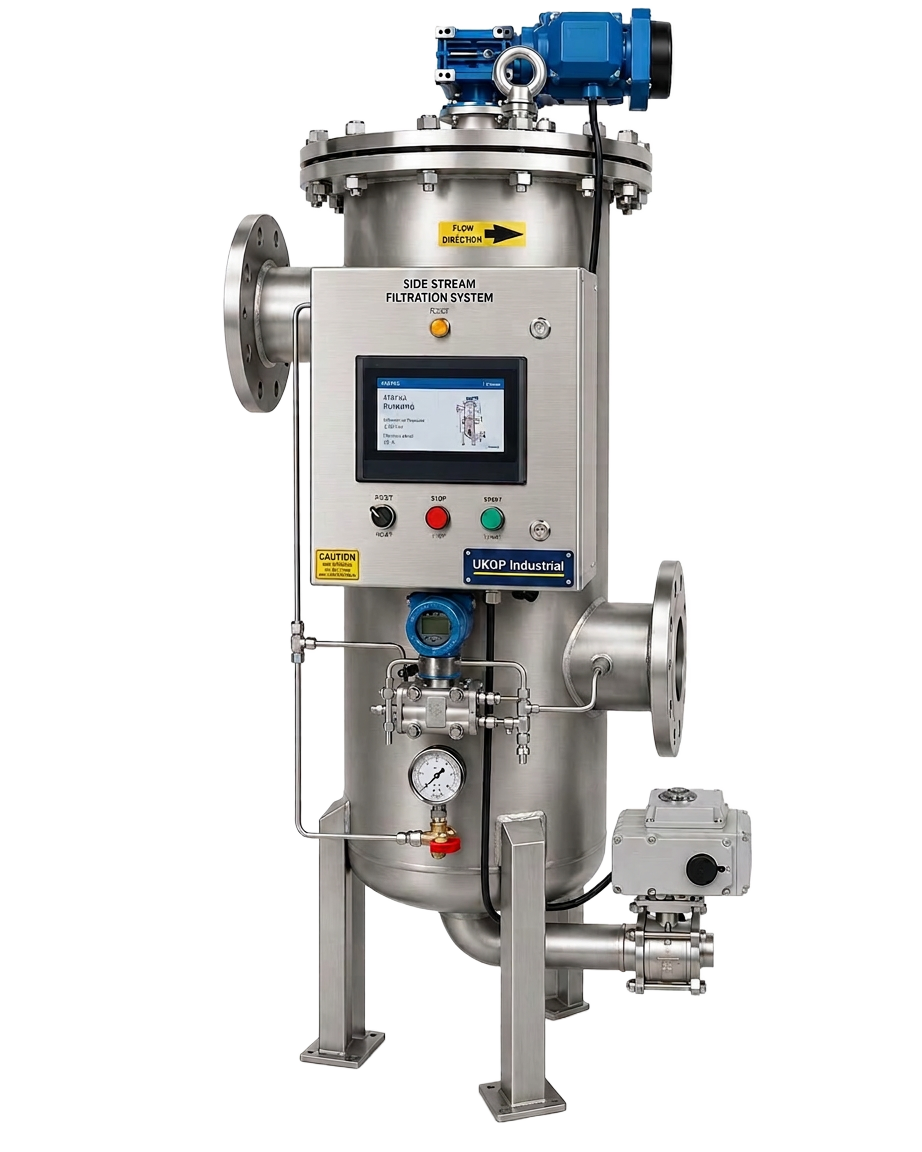
If you want to ensure the longevity of your hardware after learning how does a ph probe work, correct installation is non-negotiable. pH probes must be installed in a way that the glass bulb remains constantly wetted; if the bulb dries out, the hydrated gel layer is destroyed, and the sensor will fail. Typically, this means installing the probe in a bypass line or a specific sensor housing within a side stream filtration loop. The probe should be mounted at an angle (usually at least 15 degrees above the horizontal) to ensure that the internal electrolyte stays in contact with the glass membrane, preventing air bubbles from being trapped inside the electrode tip.
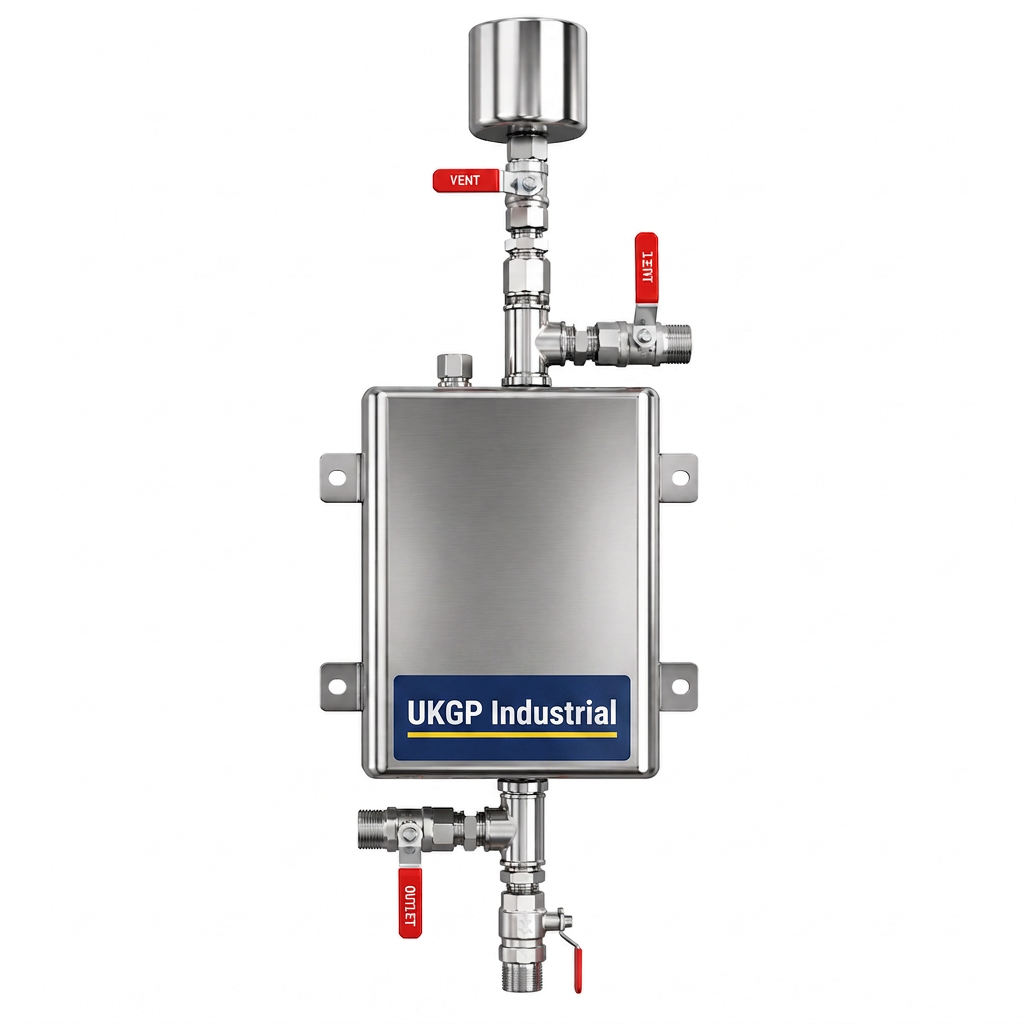
M&E contractors must also consider the ease of maintenance. While a UKGP industrial pH sensor & transmitter is factory-calibrated and highly stable, periodic cleaning and calibration checks are necessary to fight off 'fouling'—the build-up of oils or scale on the glass. By using the provided M12 cable kit, the sensor can be easily disconnected from the transmitter for servicing without having to re-pull long cable runs through the plant room. This practical design consideration reflects the needs of on-site engineers who require fast, efficient turnaround times during planned maintenance shutdowns. A well-placed sensor in a accessible part of the circuit, such as near the air & dirt separators, ensures routine checks are actually performed.
Finally, the electrical environment of the plant room must be considered. Because the raw signal from a pH probe is a high-impedance millivolt signal, it is highly susceptible to electromagnetic interference (EMI) from large pumps and VFDs. The transmitter's role is to convert this high-impedance signal into a low-impedance 4-20 mA or digital Modbus signal immediately. This conversion is a key part of how does a ph probe work in a modern industrial setting. It allows the data to be transmitted over long distances to a central control panel without degradation. This ensures that the pH data reaching the BMS is as clean and accurate as the day the system was commissioned.
- Wetted Bulb: The membrane must never dry out to maintain electrochemical reactivity.
- Mounting Angle: Preventing air entrapment for consistent millivolt readings.
- EMI Protection: Converting signals to 4-20 mA or Modbus to resist interference.
- M12 Connectivity: Simplifying the sensor removal process for calibration and cleaning.
Comparing 4-20 mA and Modbus Transmitter Outputs
When specifying a monitoring system, understanding how does a ph probe work in conjunction with common communication protocols is vital for system integration. The 4-20 mA analogue output is the traditional standard, prized for its simplicity and robustness. It is highly resistant to electrical noise and can be easily diagnosed with a basic multimeter. In a 4-20 mA setup, the transmitter scales the 0-14 pH range to a 4 mA (pH 0) to 20 mA (pH 14) current loop. This is often the preferred choice for straightforward chemical dosing controls where a direct link to a pump or a single BMS input is required.
However, many modern UK commercial buildings are moving towards digital protocols like Modbus RTU. When you integrate a UKGP transmitter with Modbus capabilities, you unlock significantly more data than just the pH value. You can pull temperature diagnostics, sensor health status, and calibration history directly into the building's digital twin or SCADA system. Knowing how does a ph probe work in a digital network allows for 'predictive maintenance' strategies. For example, the system can flag a slow response time in the sensor before it actually fails, allowing the facilities team to order a replacement UKGP sensor in advance, thus maintaining total system uptime.
Choosing between these two outputs depends on the complexity of the project and the existing BMS infrastructure. For contractors and consultants in Surrey and across the UK, the UKGP industrial pH sensor & transmitter offers the flexibility to work with either standard. Whether you are retrofitting an older plant room or designing a new-build Grade A office space, having a reliable, factory-calibrated sensor with a 2-year warranty provides peace of mind. By ensuring the transmitter matches the site's communication needs, you ensure that the sophisticated electrochemical data gathered by the glass bulb is utilised effectively to prevent corrosion and scale.
- 4-20 mA Analogue: Simple, robust, and industry-standard for direct control loops.
- Modbus Digital: Provides rich data sets including temperature and diagnostic alerts.
- System Flexibility: UKGP transmitters support both modern and legacy BMS protocols.
- Predictive Alerts: Using digital data to identify sensor fouling before it affects the process.
Ensuring Long-Term Accuracy and Calibration
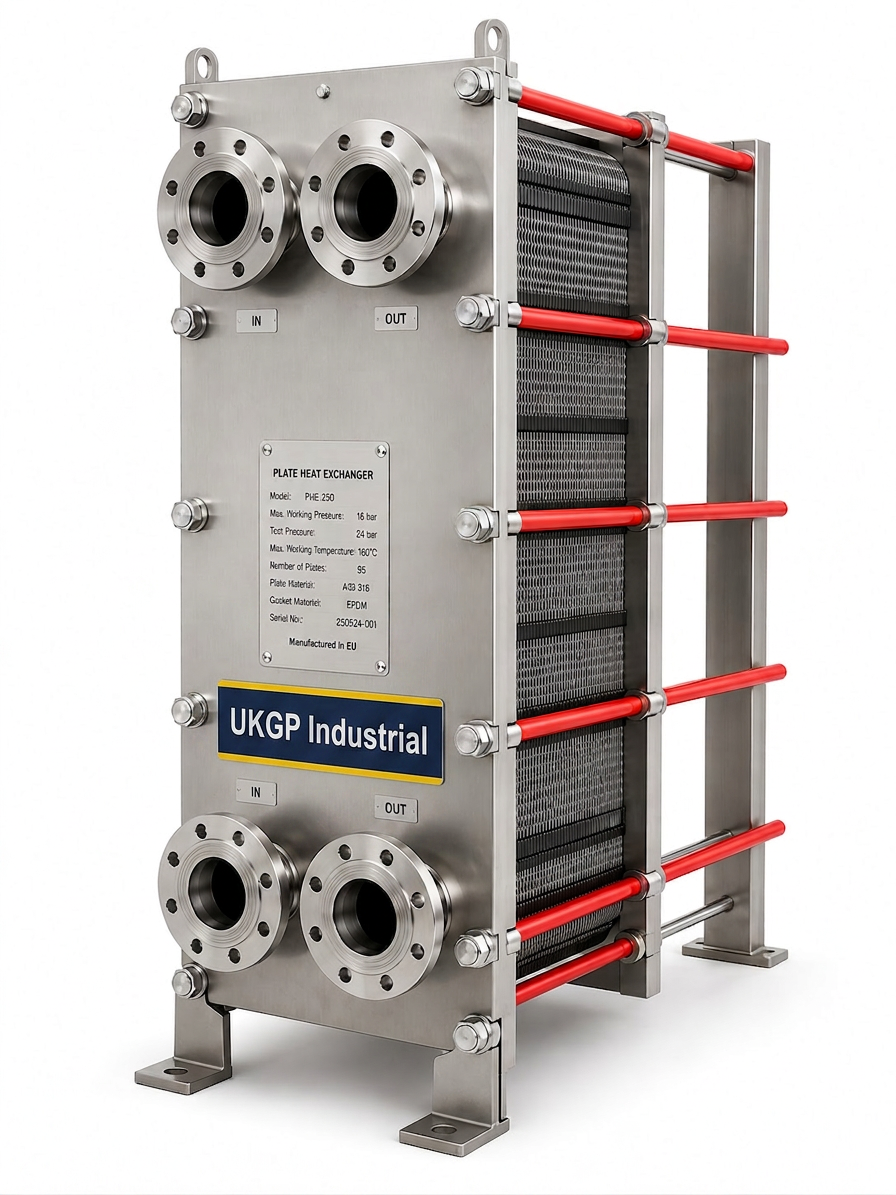
The question of how does a ph probe work ultimately leads to the question of how to keep it working. All pH sensors experience 'drift' over time as the reference electrode's electrolyte is slowly used or contaminated. This is why even a factory-calibrated UKGP sensor should be checked periodically against known buffer solutions (usually pH 4, 7, and 10). Calibration adjusts the transmitter to account for changes in the sensor's 'offset' (the reading at pH 7) and 'slope' (the sensitivity of the glass bulb). In a high-pressure heating system, this maintenance ensures that the water remains within the BSRIA BG50 specified limits, protecting the plate heat exchanger from corrosive damage.
Fouling is another common issue in industrial circuits, where oil or bio-films coat the glass bulb. If the bulb is coated, it cannot interact with the hydrogen ions in the water, leading to a slow or unresponsive signal. Understanding how does a ph probe work means knowing that the glass surface must be pristine. Routine cleaning with a mild detergent or specific cleaning solutions can restore the sensor’s responsiveness. Because UKGP provides a 2-year warranty and a rugged build, you can be confident that the sensor is designed to survive these necessary maintenance cycles, providing a much higher return on investment than cheaper, disposable alternatives.
In summary, the transition from understanding how does a ph probe work to implementing a successful water treatment strategy requires the right hardware and a commitment to regular monitoring. By combining UKGP’s industrial pH sensor & transmitter with components like side stream filtration and air & dirt separators, you create a robust ecosystem that prevents common failure modes in UK HVAC systems. We invite consultants and engineers to reach out for a technical quote on our UKGP sensor kits, featuring factory-calibrated accuracy, IP68 protection, and the industrial-grade reliability needed for the UK’s most demanding plant rooms.
- Calibration Intervals: Regular checks against buffers to counteract sensor drift.
- Cleaning Protocols: Removing films to maintain ion-exchange at the glass membrane.
- Warranty Protection: A 2-year warranty provides security for your monitoring investment.
- Comprehensive Protection: Integrating pH monitoring with physical filtration for best results.
Frequently asked questions
How often should I calibrate my industrial pH probe?
- For systems following BSRIA BG50 guidelines, we recommend checking calibration monthly. However, with high-quality UKGP industrial sensors, you may find the stability allows for quarterly calibration depending on the water quality and system pressure.
What is the lifespan of a glass bulb pH sensor?
- In a typical UK heating loop, a well-maintained pH sensor usually lasts 12 to 24 months. UKGP offers a 2-year warranty on our industrial pH sensor & transmitter kits, highlighting our confidence in the sensor's durability.
Can I use a standard lab pH probe in a plant room?
- No. Laboratory probes are not designed for the high pressures and temperatures of industrial circuits. An industrial pH sensor from UKGP features ruggedised glass and IP68-rated housings to withstand these conditions.
Why is temperature compensation so important for pH?
- The electrochemical reaction at the glass bulb is temperature-sensitive. Without Automatic Temperature Compensation (ATC), your pH reading will drift as the system heats up, leading to inaccurate data in your BMS.
Does a pH probe work in glycol-filled systems?
- Yes, but it is important to monitor the sensor for fouling, as glycol can sometimes create a film on the glass bulb. Regular cleaning ensures the sensor continues to provide accurate data in anti-freeze loops.