Moving Beyond the hanna ph meter for HVAC Maintenance
In the UK building services sector, maintaining precise chemical balance in chilled water and LTHW systems is non-negotiable for asset longevity. While a handheld hanna ph meter is an excellent tool for spot-checks and field service engineers, it often falls short in modern, automated plant rooms where real-time data logging is required. Industrial HVAC systems are subject to constant temperature fluctuations and hydraulic pressure, environments where portable consumer-grade glass electrodes can struggle with durability. For facilities managers focused on BSRIA BG50 compliance, reliance on manual testing alone creates data gaps that can lead to undetected corrosion cycles.
The transition from a portable hanna ph meter to a fixed pH transmitter represents a significant upgrade in system governance. Standard handhelds require frequent manual intervention, including battery management and manual data entry into maintenance logs. By contrast, industrial inline sensors provide a continuous 4-20mA or Modbus output, allowing for seamless integration with a building management system (BMS). This integration ensures that any drift in pH levels, which might indicate a leak or chemical degradation, triggers an immediate alarm rather than waiting for the next scheduled site visit by a technician carrying a manual tester.
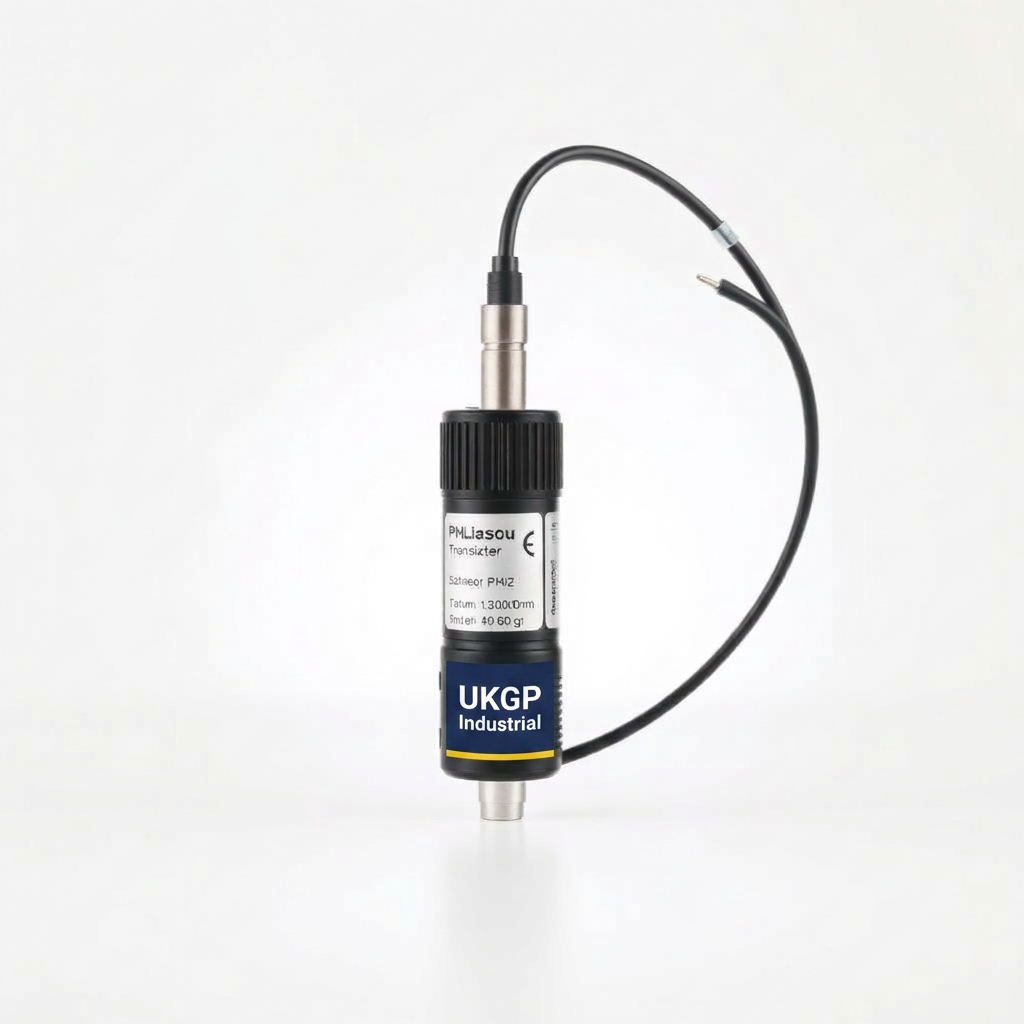
Precision in pH measurement is the first line of defence against pitting and metabolic activity within closed loops. When engineers compare a standard hanna ph meter to a dedicated industrial sensor, the primary difference is the resilience of the junction and the ease of integration with dosing equipment. Our UKGP industrial pH sensor and transmitter kits are designed to replace the need for constant manual sampling, offering a 'fit and forget' solution that remains accurate even in the high-flow environments typical of low loss headers and primary heating circuits. This shift is essential for high-value commercial properties where cooling uptime is a critical KPI.
- Elimination of manual sampling errors common with handheld devices.
- Seamless BMS integration via 4-20mA or Modbus protocols.
- Enhanced durability for high-pressure plant room environments.
- Continuous data logging to support BSRIA BG50 reporting standards.
BSRIA BG50 and the Role of Continuous Monitoring
The BSRIA BG50 standard emphasizes the importance of 'Water treatment for closed heating and cooling systems'. To meet these rigorous guidelines, engineers must ensure that water chemistry is not only correct at the time of commissioning but maintained throughout the system's life cycle. Relying solely on a technician's hanna ph meter during quarterly visits may miss critical acidification events. By implementing a fixed UKGP pH sensor, you ensure that the system stays within the recommended pH range of 9.0 to 10.5 for steel systems, or 8.2 to 8.5 for those containing aluminium components, without constant manual oversight.
Advanced monitoring is also critical for the early detection of microbiological activity. A sudden drop in pH, often undetected by periodic testing with a hanna ph meter, can signal the presence of sulphate-reducing bacteria (SRB) or acid-producing bacteria (APB). These biological threats can cause rapid, localised corrosion that compromises pipework integrity. By installing a permanent industrial transmitter with an IP68 rating, M&E contractors can provide their clients with 24/7 peace of mind, ensuring that chemical inhibitors are performing correctly and that any deviations are caught before they translate into expensive scale or sludge issues.
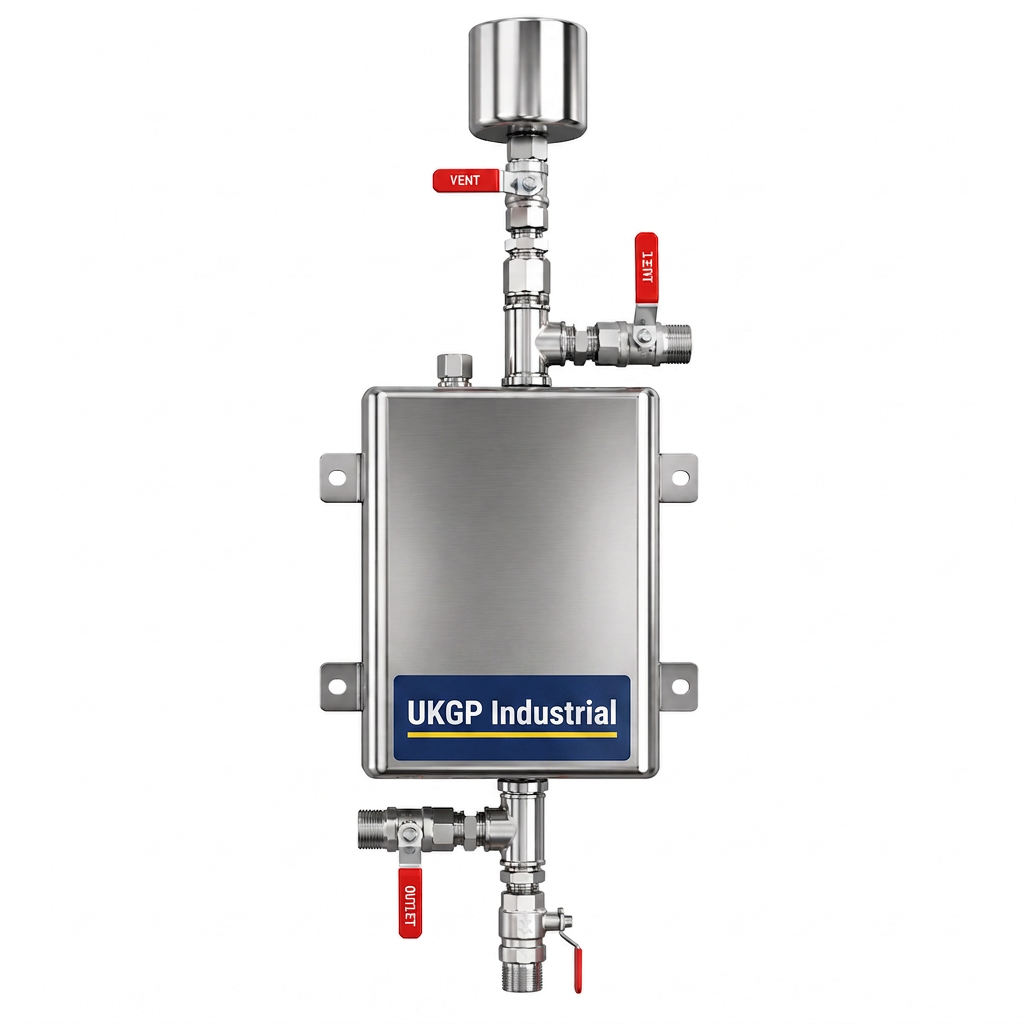
For procurement leads and FM directors, the commercial argument for fixed sensors over a manual hanna ph meter is clear: reduced labor costs and improved asset protection. The cost of a single major repair due to corrosion far outweighs the investment in high-quality sensing equipment. When paired with our air and dirt separators, a fixed pH sensor ensures that the fluid environment is optimal for heat transfer efficiency, directly impacting the carbon footprint and energy expenditure of the building. Our kits come factory-calibrated, meaning they can be deployed immediately into existing maintenance regimes with minimal setup time.
- Alignment with BSRIA BG50 guidelines for water quality management.
- Early detection of bacterial growth through pH trend analysis.
- Reduction in lifetime maintenance costs compared to manual testing.
- Improved energy efficiency through optimized water chemistry.
Technical Specifications of Industrial pH Transmitters
When selecting an industrial alternative to a hanna ph meter, technical specifications must meet the demands of heavy-duty plant rooms. A standard handheld hanna ph meter is often not built to withstand the electromagnetic interference (EMI) found in rooms packed with variable speed drives and pumps. Our industrial transmitters are housed in robust enclosures with high-grade shielding to ensure signal stability. They offer flexibility in communication, supporting standard 4-20 mA loops for legacy systems or Modbus RTU for modern digital infrastructure, facilitating detailed remote monitoring via a cloud-based dashboard or local BMS.
The UKGP industrial pH sensor & transmitter kit is a comprehensive solution including the sensor, transmitter, and a high-quality M12 cable kit. Unlike the delicate probes found on a multi-purpose hanna ph meter, our industrial sensors feature a large surface area for the reference junction, reducing the risk of fouling in glycol-rich or dirt-heavy systems. Furthermore, the IP68 rating ensures that even in the damp, challenging conditions of a basement plant room, the electronics remain fully protected. This durability is backed by a 2-year warranty, reflecting our confidence in the product's lifespan in commercial UK HVAC applications.
Calibration is another area where industrial units excel over a portable hanna ph meter. While handhelds need frequent re-calibration before every use to maintain accuracy, our transmitters are factory-calibrated and designed for long-term stability. The included M12 cable kit simplifies the installation process for M&E contractors, allowing for quick head-unit replacement if required without disturbing the main wiring. We recommend contacting our Surrey-based technical team to discuss how these transmitters can be integrated into your next project to provide the level of precision required by modern CIBSE guidelines for water quality monitoring.
- IP68 rated housing for moisture and dust protection.
- Dual communication options: 4-20 mA or Modbus RTU.
- Robust M12 cable kit for easy installation and maintenance.
- Factory-calibrated sensors with a 2-year industrial warranty.
Integrating Sensors with side-stream-filtration and Dosing
A holistic approach to water treatment involves more than just measurement; it requires a reactive strategy. While a hanna ph meter can provide a reading, it cannot automatically trigger a dosing cycle. By integrating our industrial pH transmitters with chemical dosing pots or automated dosing skids, the system can self-correct when pH levels drift outside of the set parameters. This is particularly important after a system top-up, where fresh water may have diluted the inhibitor concentration. The transmitter signals the pump to inject the necessary chemicals, maintaining the protective film on the internal pipework surfaces.
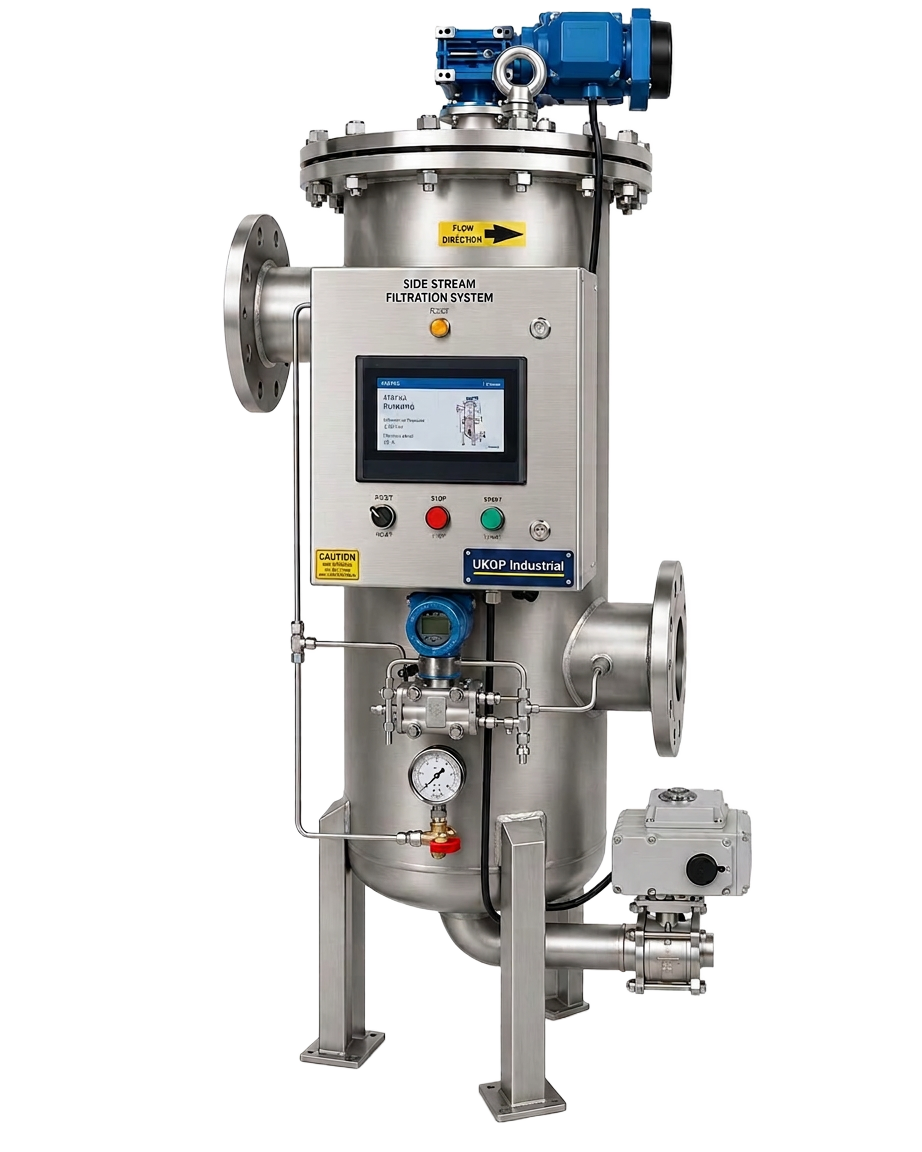
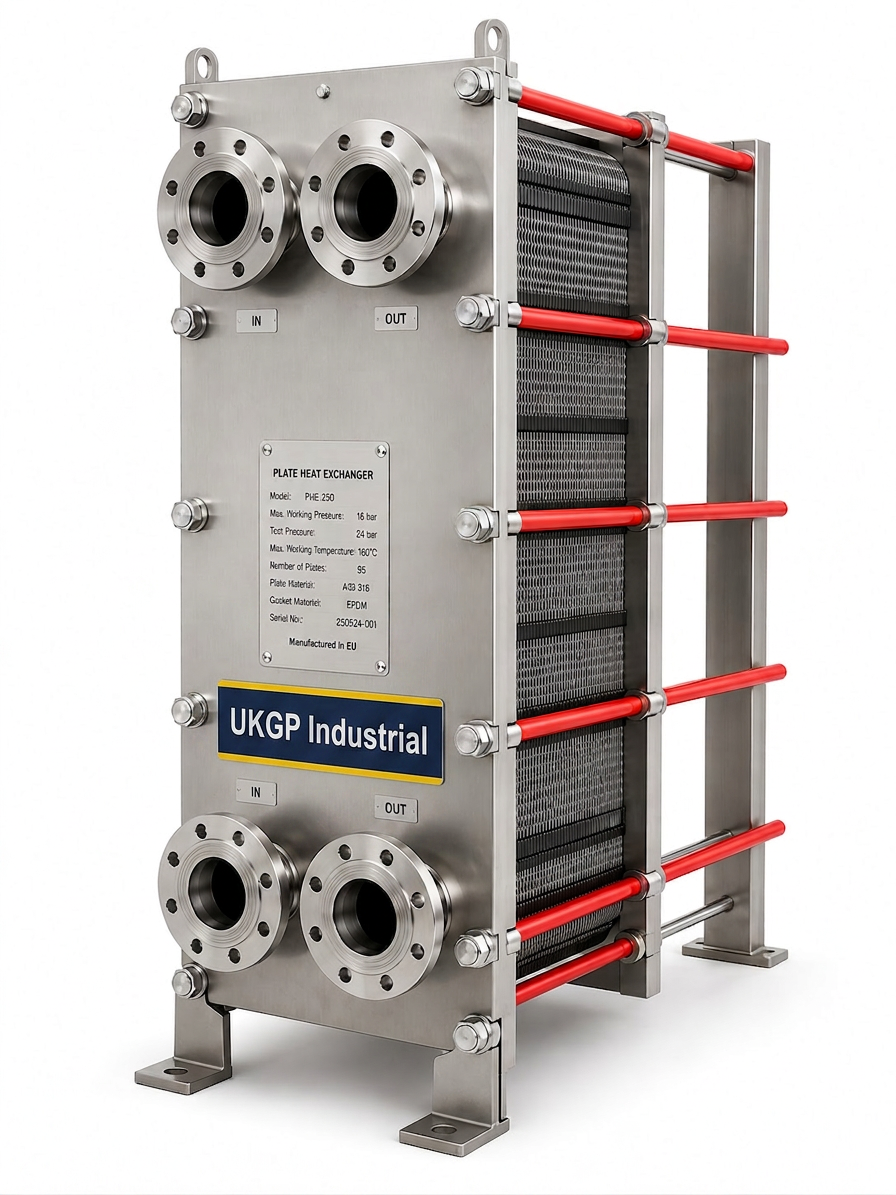
Coupling sensing technology with side-stream filtration units provides the ultimate protection for plate heat exchangers and boiler blocks. While the filtration unit removes suspended solids as per BSRIA BG29 requirements, the pH sensor ensures the chemical environment remains non-corrosive. This prevents the formation of new corrosion products that could overwhelm the filters. Compared to the reactive nature of using a manual hanna ph meter, this proactive setup ensures that the heat transfer surfaces remain clean and efficient, extending the service life of major plant components and reducing the frequency of chemical cleaning.
For engineers designing large-scale LTHW networks, the placement of these sensors is critical. We recommend installing pH sensors near the return header or low loss header to get a representative sample of the system's overall condition. Investing in a permanent transmitter here provides far more reliable data than sporadic dipping with a hanna ph meter at various drain points. Our technical sales team can provide detailed CAD drawings and installation advice to assist in the specification process, ensuring that the sensor is positioned correctly for accurate readings and easy access for the occasional cleaning required under BS 8552 protocols.
- Automated chemical dosing based on real-time transmitter data.
- Synergy with side-stream filtration for comprehensive water care.
- Strategic sensor placement for representative system sampling.
- Compliance with BS 8552 for water sampling and monitoring.
The Engineering Case for Permanent Measurement
Consulting engineers are increasingly specifying permanent pH monitoring to mitigate the risks associated with modern thin-walled pipework and high-efficiency heat exchangers. A handheld hanna ph meter, while useful for auditing, cannot provide the high-frequency data needed to troubleshoot transient issues like pump seal leaks or expansion vessel failures that lead to air ingress. Air ingress rapidly changes the water chemistry, and only a fixed industrial transmitter can capture these events in real-time. This level of data is invaluable when conducting a root-cause analysis of component failures under CIBSE AM14 standards.
Furthermore, the use of a hanna ph meter often results in inconsistent readings due to different technicians using varied calibration fluids or techniques. By standardising on a UKGP industrial sensor, you ensure that the baseline remains consistent across the entire building portfolio. Our transmitters are designed to operate accurately across a wide temperature range, which is a common failure point for cheaper portable meters. Whether monitored through a local 4-20mA loop or a wider Modbus network, the reliability of the data allows for more confident decision-making regarding chemical dosages and system flushes.
Transitioning away from manual testing with a hanna ph meter also supports the digitisation of maintenance records. In an era where digital twins and remote site management are becoming standard, having an analog or digital output from your water system is essential. Our Surrey warehouse stocks complete kits for rapid dispatch, helping M&E contractors meet tight project deadlines. Each unit is built to withstand the rigours of the UK's industrial sectors, providing a professional-grade alternative to consumer-level instruments. Request a quote today to see how we can provide a robust sensing solution for your plant room project.
- Real-time detection of air ingress and pressure loss events.
- Standardised data collection across multi-site portfolios.
- Superior temperature compensation for accurate hot-loop readings.
- Alignment with CIBSE AM14 for effective building maintenance.
Installation and Maintenance Best Practices
Correct installation is paramount when upgrading from a hanna ph meter to a fixed industrial system. The sensor should be installed in a bypass loop or a low-velocity zone to prevent electrode erosion while ensuring a fresh supply of system water. Our M12 cable kits make the electrical connection straightforward, but care must be taken to route cables away from high-voltage lines to prevent signal noise. Unlike the simple operation of a hanna ph meter, a fixed transmitter requires an understanding of the 4-20mA scaling or Modbus registers, which our technical documentation clearly outlines for site electricians.
Maintenance for an industrial sensor is significantly lower than for a portable hanna ph meter, which requires careful storage in KCI solution and constant cleaning. While the UKGP sensor is designed for longevity, we recommend a bi-annual inspection to check for biofilm or debris on the electrode. Because our system is factory-calibrated and includes a 2-year warranty, the primary task for the facility manager is simply verifying the reading against a reference solution every six months. This predictable maintenance schedule is much easier to manage than the erratic performance of handheld devices that have been left in a toolbox for months.
In conclusion, while the hanna ph meter serves a purpose in the initial commissioning phase, the sophisticated needs of today's industrial and commercial HVAC systems demand more. By upgrading to a UKGP industrial pH sensor and transmitter, you gain the accuracy, connectivity, and durability required to meet BSRIA and BS EN standards. Our Surrey-based experts are ready to help you select the right configuration, whether you require Modbus for a new-build project or 4-20mA for a retrofit. Protect your investment in expansion bellows and boilers by ensuring your water chemistry is monitored by the very best in industrial sensing technology.
- Bypass loop installation for sensor protection and accuracy.
- Simple M12 connectivity to reduce installation time on-site.
- Long-term stability with minimal bi-annual maintenance checks.
- Professional technical support and documentation from UK experts.
Frequently asked questions
Why should I use an industrial transmitter instead of a hanna ph meter?
- An industrial transmitter provides continuous, real-time data to your BMS, allowing for automated alarms and chemical dosing. Handheld hanna ph meter devices only provide a snapshot in time and are prone to manual logging errors and battery failures.
What communication protocols does the UKGP pH transmitter support?
- Our transmitters support both industry-standard 4-20 mA analogue loops and digital Modbus RTU communication, making them compatible with almost all modern UK building management systems (BMS).
Does the industrial sensor require frequent calibration?
- No. Unlike a hanna ph meter which often needs daily calibration, our industrial sensors are factory-calibrated and designed for high stability. We recommend a simple verification check every 6 to 12 months.
Is the UKGP sensor kit suitable for high-temperature HVAC loops?
- Yes, our industrial sensors feature integrated temperature compensation and are designed to handle the typical operating temperatures of LTHW and chilled water circuits far more reliably than portable testing units.
What is included in the UKGP pH sensor & transmitter kit?
- The kit is a complete solution containing the industrial-grade pH sensor, the signal transmitter, a robust M12 cable kit for easy installation, and full technical documentation to assist with BMS integration.