The Role of the electronic pH meter in BSRIA Compliance
In the UK commercial sector, adherence to BSRIA BG50 'Water Treatment for Closed Heating and Cooling Systems' is the benchmark for operational excellence. Monitoring acidity and alkalinity is not merely a box-ticking exercise; it is the first line of defence against metallurgical failure. An industrial electronic pH meter allows facilities managers to move beyond manual dip-tests that only provide a snapshot in time. High-quality systems require continuous monitoring to detect the breakdown of scale inhibitors or the ingress of oxygen, which can rapidly shift the pH and void manufacturer warranties on boilers and plate heat exchangers.
Manual sampling often leads to delayed reactions, where corrective chemical dosing happens long after a corrosive event has begun. By integrating a permanent electronic pH meter into the building management system, engineering teams receive immediate alerts when levels drift outside the typical 9.0 to 10.5 range required for steel systems. This proactive approach significantly reduces the risk of pitting corrosion and the accumulation of magnetite. UKGP provides technical guidance to ensure that your measurement hardware matches the specific metallurgy of your heat network, whether dealing with standard carbon steel or sensitive aluminium heat exchangers.
Furthermore, documentation for BS 8552 sampling programmes is significantly bolstered by automated data logging. When an electronic pH meter is linked via a 4-20 mA or Modbus connection, it creates a transparent audit trail of system health. This is vital for handover procedures under BSRIA BG29, proving that the system was cleaned, flushed, and inhibited correctly before building occupancy. Robust industrial selection means choosing instruments that can withstand the high-temperature and high-pressure environments typical of UK secondary heating loops without frequent drift or hardware failure.
- Ensures alignment with BSRIA BG50 pH range recommendations
- Reduces reliance on infrequent manual chemical testing
- Provides an automated audit trail for BS 8552 compliance
- Protects expensive system components from acid-induced corrosion
Technical Specifications for Industrial Environments
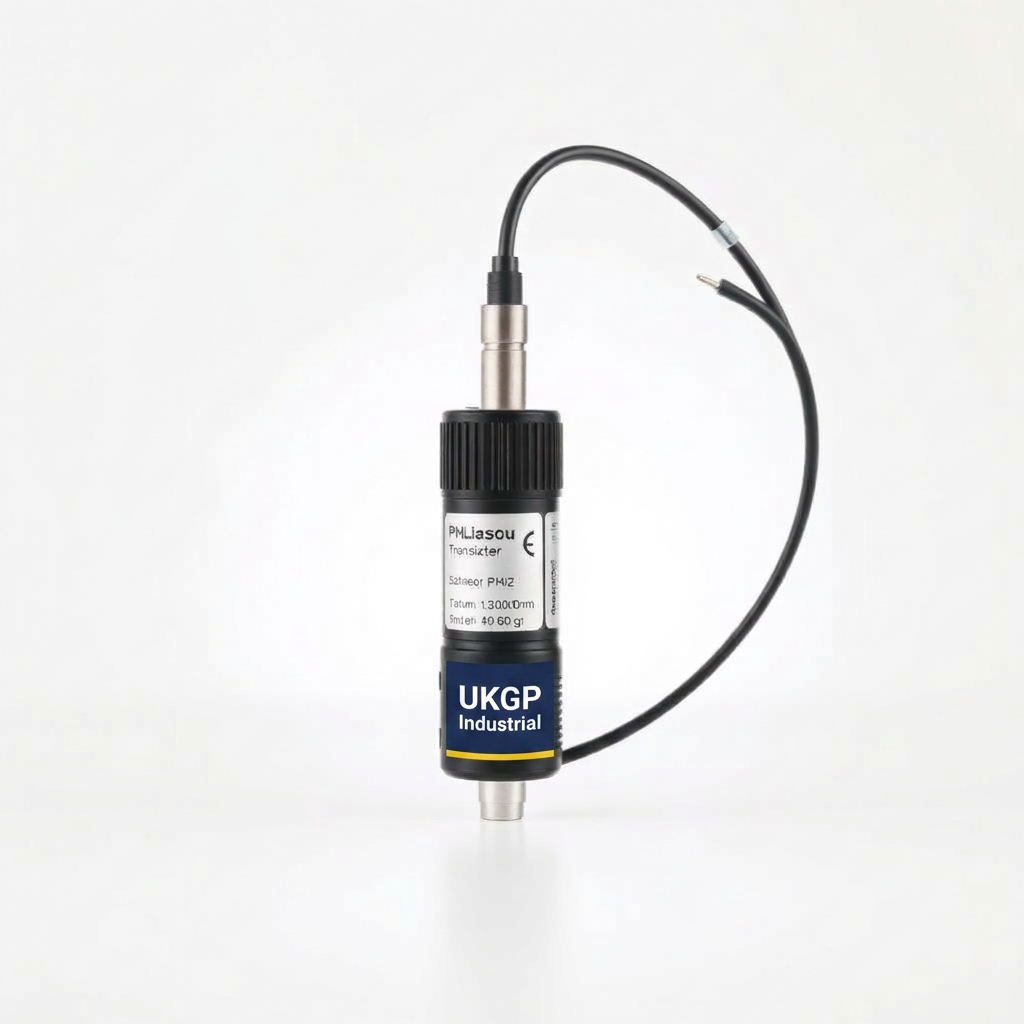
Selecting an electronic pH meter for an industrial plant room requires a different set of specifications than laboratory-grade equipment. The hardware must be resilient against the electrical noise and vibration common in mechanical centres. A high-quality industrial sensor should offer a ruggedised build, often requiring an IP68 rating to protect against the damp and humid conditions found in basement plant rooms. For M&E contractors, ease of installation is a priority, which is why UKGP offers comprehensive kits including the sensor, transmitter, and M12 cable kits to simplify the commissioning process.
Precision in data transmission is equally critical. While standard 4-20 mA loops are common for integration into older BMS panels, modern smart buildings often require Modbus RTU protocols to provide more granular diagnostic data. This level of connectivity allows the electronic pH meter to report not just the pH value, but also temperature and sensor health indicators. Such features are essential for predictive maintenance, allowing engineers to clean or replace electrodes before they fail. When specifying, always verify that the transmitter simplifies the calibration process through user-friendly interfaces to ensure long-term accuracy.
Durability is non-negotiable when dealing with the harsh chemicals found in dosing pots and side stream loops. The electrode glass must be robust enough to handle the flow rates of a primary circuit without excessive mechanical wear. UKGP's industrial pH solutions are factory-calibrated to ensure accuracy from day one, backed by a 2-year warranty that reflects the build quality required for UK commercial infrastructure. Whether you are managing a district heating network or a small commercial boiler room, the reliability of your electronic pH meter determines the lifespan of your entire hydronic system.
- IP68 rated enclosures for maximum moisture protection
- Dual output options: 4-20 mA or Modbus RTU
- Factory-calibrated sensors for immediate 'out-of-the-box' precision
- Comprehensive 2-year warranty for peace of mind
Integration with Side Stream Filtration and Dosing
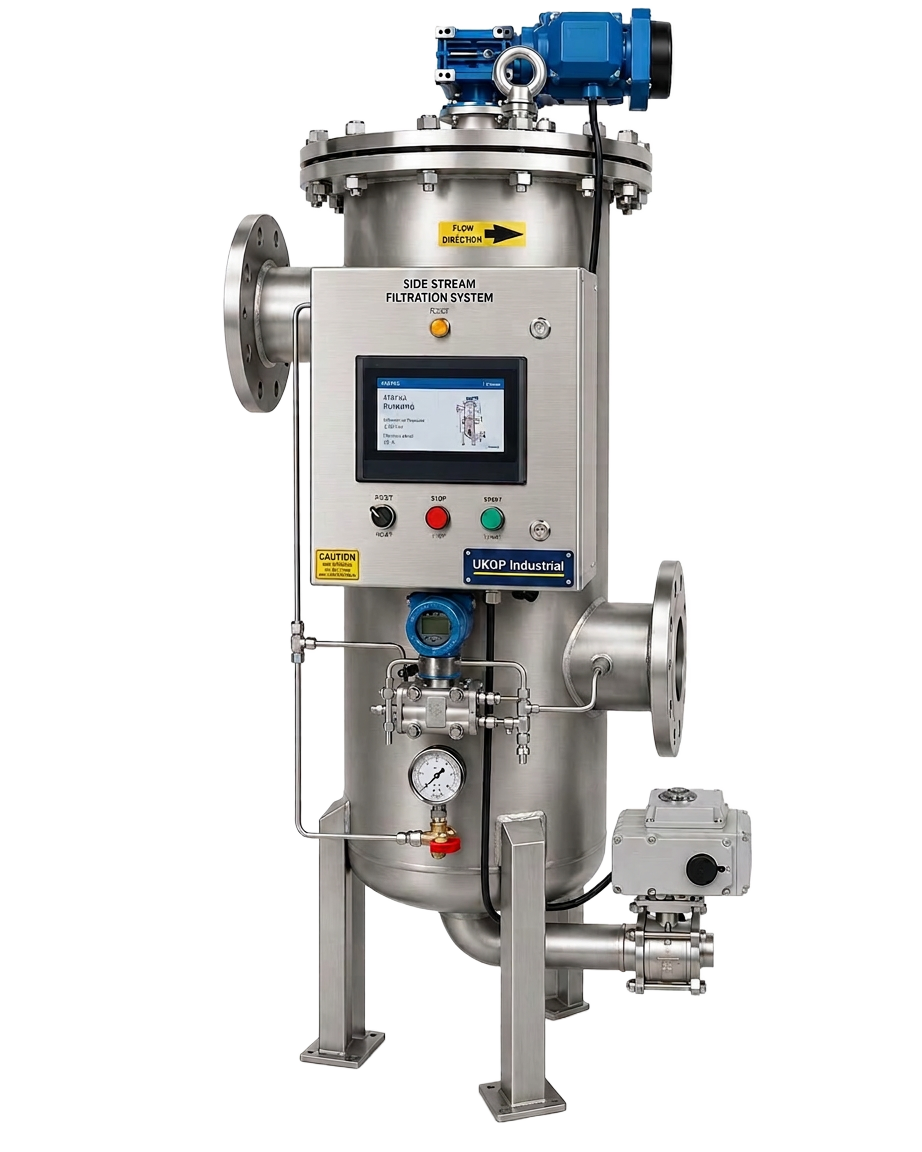
An electronic pH meter does not operate in a vacuum; it is a critical component of a wider water quality strategy. In many UK systems, the pH sensor is installed as part of a side stream filtration bypass or a dedicated sampling line. This allows for accurate measurement without subjecting the delicate sensor to the full turbulence of the main flow. When the electronic ph meter detects a drop in alkalinity, it can trigger a signal to automated chemical dosing pumps, ensuring that corrosion inhibitors are replenished precisely when needed rather than on a generic timed schedule.
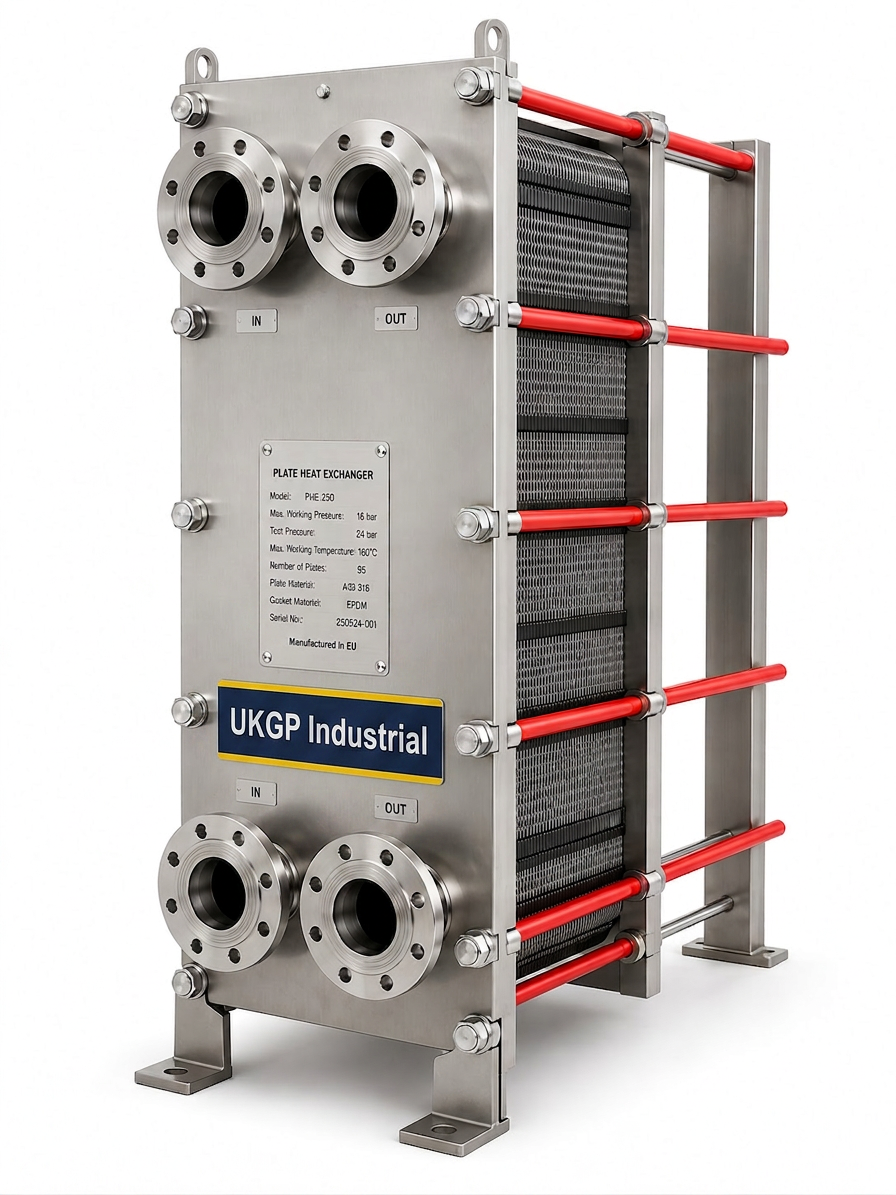
Proper placement is key to obtaining a representative sample. Installing the sensor after a high-efficiency magnetic filter or side stream unit ensures that the probe glass remains free from magnetite coating, which can otherwise cause significant measurement drift. This synergy between filtration and electronic monitoring is recommended by BSRIA to ensure the longevity of high-efficiency boilers and chillers. By maintaining the correct chemistry, you also prevent the formation of biofilm and scale that can restrict flow through plate heat exchangers and reduce overall thermal efficiency.
For M&E contractors and procurement leads, sourcing a combined solution ensures component compatibility. Integrating a UKGP electronic pH meter alongside our advanced filtration skids provides a complete package for system protection. This holistic approach simplifies the supply chain and ensures that the technical support for both the mechanical filtration and the electronic monitoring comes from a single, expert UK source. High-performing systems depend on this marriage of mechanical hardware and precision electronic sensing to meet modern energy efficiency targets.
- Optimises chemical dosing by reacting to real-time pH shifts
- Prevents sensor fouling through strategic placement after filtration
- Supports the thermal efficiency of plate heat exchangers
- Single-source procurement for filtration and monitoring hardware
Protecting Assets from Corrosion and Scale
Chemical imbalances in a closed-loop system lead to two primary failure modes: corrosion and scale. Steel components are particularly vulnerable to low pH levels, which can lead to rapid thinning of pipe walls and the eventual failure of expansion bellows or pump seals. Conversely, excessively high pH can be detrimental to systems containing non-ferrous metals like aluminium. An electronic pH meter provides the constant vigilance needed to navigate this narrow window of safety. By catching a pH excursion early, engineers can adjust the chemical balance before the damage becomes irreversible.
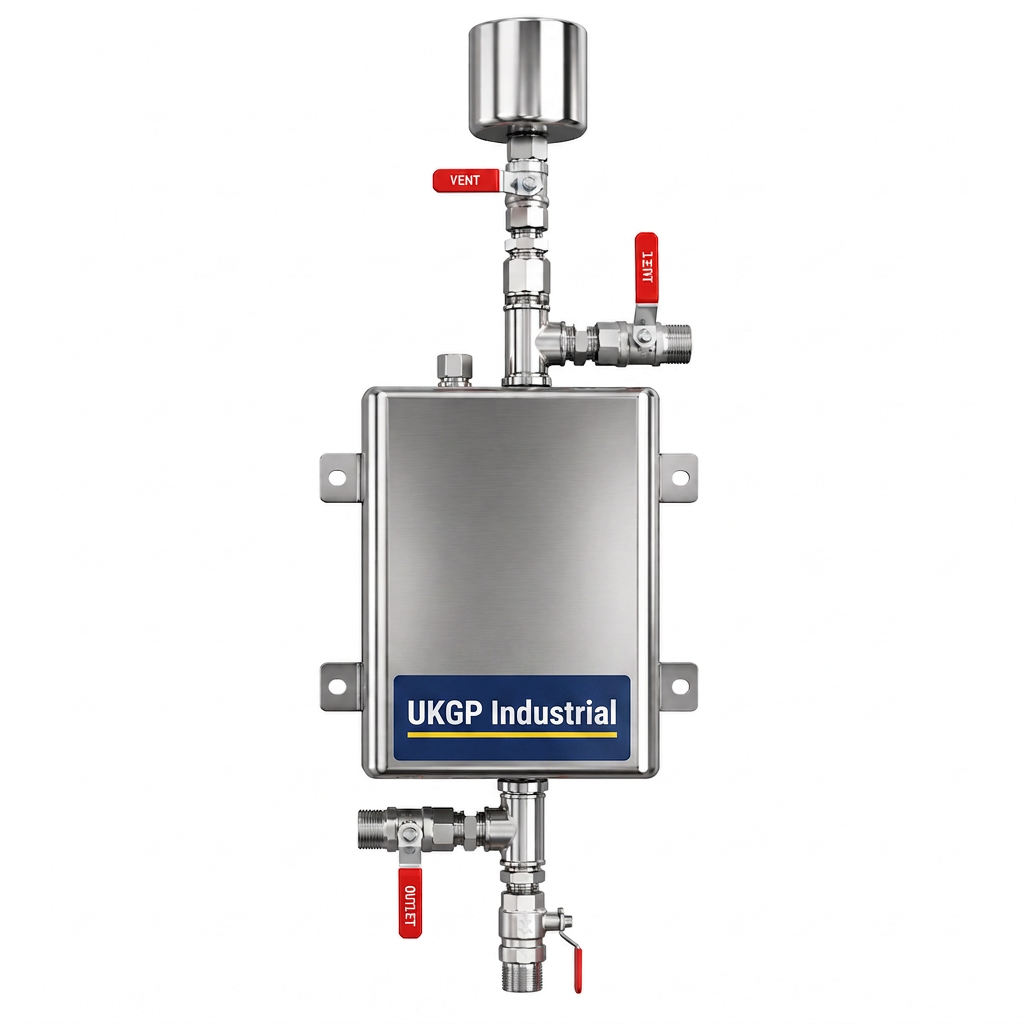
Scale formation is equally problematic, as it acts as an insulator, forcing boilers to work harder to achieve the same heat output. This increase in energy consumption is a major concern for FM leads focused on carbon reduction and utility costs. The data provided by a calibrated electronic pH meter allows for the fine-tuning of water softeners and scale inhibitors. In systems using low loss headers to manage hydraulic separation, maintaining the correct water chemistry is vital to prevent the accumulation of sludge in the header, which can disrupt flow distribution across the circuits.
Investing in a high-grade electronic ph meter is a small price to pay compared to the cost of a full system flush or the emergency replacement of a corroded boiler section. Modern industrial sensors, such as those supplied by UKGP, offer the stability required to minimize maintenance tasks. Because our sensors are factory-calibrated and designed for the rigorous demands of the UK industrial sector, they provide a reliable 'fit and forget' solution for busy plantroom staff. For an accurate quote on a complete sensor and transmitter kit, contact our technical team today to discuss your specific system requirements.
- Prevents premature failure of expansion bellows and seals
- Mitigates scale build-up to maintain system thermal efficiency
- Protects sensitive aluminium components from high-alkalinity damage
- Reduces long-term energy costs through better chemical control
Installation Best Practices for Sensor Longevity
To get the most out of your electronic pH meter, the installation must follow best engineering practices. The sensor should be installed in a location where it is always submerged in liquid, even when the system is static, to prevent the probe from drying out. A vertical or 45-degree angle installation is typically preferred to prevent air bubbles from being trapped against the sensor face, which would lead to erratic readings. Using an M12 cable kit ensures a secure, waterproof electrical connection that can withstand the vibrations of nearby pumps and heavy plant.
Cable management is often overlooked but is crucial for signal integrity. Signal cables for an electronic ph meter should be kept separate from high-voltage power lines to avoid electromagnetic interference, which can cause 'ghost' readings in the BMS. If using the 4-20 mA output, ensure the loop is correctly powered and that the transmitter is mounted in an accessible location for ease of calibration. Following these steps during the initial fit-out ensures that the monitoring system remains accurate for years, providing reliable data for BSRIA BG50 compliance reports.
Finally, always include an isolation valve and a bypass loop during the installation phase. This allows for the electronic pH meter to be removed for cleaning or calibration without having to drain down the entire system or interrupt flow. This design consideration is appreciated by maintenance teams and is a mark of a well-designed plant room. UKGP's kits are designed with these practicalities in mind, providing the necessary transmitters and cabling to ensure a smooth integration into any existing or new-build commercial heating or cooling network.
- Install in a bypass loop to allow for online maintenance
- Ensure the sensor remains wet at all times to avoid damage
- Separate signal cables from power lines to reduce interference
- Utilise M12 connectors for stable, industrial-grade wiring
Summary: Selecting the Right electronic pH meter
In conclusion, the selection of an electronic pH meter for industrial use should be based on accuracy, connectivity, and durability. Relying on inferior sensors or manual testing is a risk that few modern facility managers can afford to take, given the high costs of plant repair and the stringent requirements of BSRIA BG50. By choosing an industrial-grade solution, you ensure that your water treatment regime is backed by accurate, real-time data that can be used to optimise chemical usage and extend the life of your equipment.
UKGP offers a premium range of pH sensors and transmitters that are specifically engineered for the UK building services market. Our kits include everything required for a professional installation, featuring factory-calibrated sensors and robust transmitters with flexible output options like Modbus or 4-20 mA. This ensures that regardless of the complexity of your BMS, our hardware will provide the precise data you need to manage your system effectively. All our electronic pH meter products are backed by a 2-year warranty and a UK-based technical support team ready to assist.
For professional consultants and M&E contractors, specifying UKGP hardware means choosing reliability. Our equipment is designed to thrive in the toughest plant room conditions, ensuring that your projects remain compliant and the building's infrastructure remains protected. If you are currently designing a system or looking to upgrade your water quality monitoring, please contact us for a detailed quote. Our industrial electronic ph meter kits are the standard-choice for engineers who value precision and long-term performance in closed-loop system management.
- Prioritise IP68 and factory-calibrated sensors for longevity
- Ensure BMS compatibility via Modbus or 4-20 mA outputs
- Look for UK-based support and 2-year warranties
- Consult UKGP for full technical specifications and quotes
Frequently asked questions
Why is an electronic pH meter better than manual testing kits?
- Manual testing only provides a single point of data at a specific time, which can miss rapid changes in water chemistry. An electronic pH meter provides continuous monitoring and real-time alerts to the BMS, allowing for immediate corrective action in line with BSRIA BG50 guidelines.
Can your pH sensors integrate with existing Building Management Systems?
- Yes, our electronic pH meter kits come with transmitters that support standard 4-20 mA analog outputs or digital Modbus RTU, making them compatible with almost all modern and legacy BMS platforms used in the UK.
How often should an industrial electronic pH meter be calibrated?
- While our sensors are factory-calibrated, we recommend checking the accuracy every 6 months in stable systems, or more frequently if the system is undergoing heavy chemical treatment or if significant drift is noted in the data logs.
What is included in the UKGP pH sensor kit?
- The kit includes a high-grade industrial pH sensor, a dedicated transmitter, and an M12 cable kit. The system is designed for IP68 protection and offers either 4-20 mA or Modbus connectivity for seamless plantroom integration.
Does the pH meter help with BSRIA BG29 compliance?
- Yes, during the pre-commissioning cleaning phase, an electronic pH meter can track the neutralisation and flushing processes, providing the data logs necessary to prove that the system water has reached the required specifications for handover.