The Critical Role of Calibrating a pH Meter
In the UK's commercial HVAC sector, maintaining precise control over water chemistry is not just about equipment longevity; it is a fundamental requirement for system efficiency and regulatory compliance. When UK building services consultants specify water treatment regimes, they rely on accurate data to prevent the deleterious effects of acid corrosion or alkaline scaling. Calibrating a ph meter is the only way to ensure that the chemical dosing pots are delivering the correct volumes of inhibitor or biocide. Without regular validation, even the most expensive water treatment chemicals can be rendered ineffective, leading to premature component failure and increased operational costs. This process of calibration aligns the sensor's voltage output with the actual hydrogen ion concentration, providing a reliable baseline for all downstream management decisions.
Engineers operating under the framework of BSRIA BG29 and BG50 understand that water quality monitoring is a continuous obligation, not a periodic tick-box exercise. For high-rise plant rooms and district heating hubs, the margin for error is incredibly slim. When calibrating a ph meter, the objective is to eliminate 'drift'—the natural degradation of the glass electrode's sensitivity over time. In London's hard water areas, this maintenance task becomes even more frequent due to the potential for mineral build-up on the probe. Failure to maintain a rigorous calibration schedule can result in false readings, which may hide systematic issues like poor de-aeration or inadequate flushing, eventually compromising the integrity of plate heat exchangers and boiler tubes.
Beyond simple compliance, the commercial implications of inaccurate pH monitoring are significant. Accurate readings obtained after correctly calibrating a ph meter allow for the precise adjustment of system chemistry, reducing the waste of expensive chemical additives. If a sensor reports an incorrect acidity level, it may trigger unnecessary dosing of alkaline chemicals, potentially pushing the system into an excessively high pH range that damages aluminium components. For facilities managers, investing time in the proper verification of their monitoring hardware is a proactive strategy to reduce long-term maintenance liabilities and ensure the system operates within its designed performance envelope for its entire lifecycle.
- Ensures compliance with BSRIA BG50 guidelines for water quality monitoring.
- Prevents metabolic corrosion of metallic components in closed-loop systems.
- Optimises the operational lifespan of plate heat exchangers and boiler assemblies.
- Reduces chemical wastage through precise dosing control.
Common Mistake 1: Ignoring Temperature Compensation
One of the most frequent errors encountered when calibrating a ph meter is the failure to account for temperature fluctuations within the plant room environment. The chemistry of hydrogen ions is inherently temperature-dependent, meaning a fluid will exhibit a different pH level at 10°C than it will at 50°C. Many basic industrial sensors lack integrated temperature compensation (ATC), forcing engineers to manually adjust settings—a step that is often overlooked in busy operational environments. When the calibration buffer solutions and the actual system water are at vastly different temperatures, the resulting data is fundamentally flawed, leading to incorrect chemical interventions and potential system damage.
For professional M&E contractors, using a high-quality industrial pH sensor that features integrated temperature compensation is a prerequisite for reliable performance. UKGP sensors are designed to mitigate these environmental variables, but the initial calibration process still requires a stable thermal environment to achieve the highest possible accuracy. When calibrating a ph meter, ensure that the buffer solutions have reached thermal equilibrium with the probe. Rushing this process leads to thermal lag, where the sensor's internal electronics and the physical probe body are at different temperatures, resulting in a reading that drifts long after the calibration was supposedly completed.
To achieve technical excellence in water monitoring, it is also vital to understand that the pH of the buffer solution itself changes with temperature. Most reputable buffer packets include a reference table showing the expected pH value at various temperatures. If an engineer is calibrating a ph meter in a cold basement in winter, they must calibrate to the buffer's value at 5°C, not the nominal 7.00 value printed in large text. Omitting this step can introduce an error of 0.1 to 0.2 pH units, which is significant enough to move a system outside of the recommended BSRIA protective window, potentially accelerating corrosion in sensitive copper-based components.
- Always allow buffer solutions to acclimatise to the sensor's environment.
- Reference buffer-specific temperature charts during the calibration procedure.
- Use sensors with 4-20 mA or Modbus outputs for real-time temperature feedback.
- Check that the ATC probe is functioning correctly before starting the slope adjustment.
Common Mistake 2: Contaminated Buffer Solutions
The integrity of the calibration depends entirely on the purity of the reference buffers used. A common but costly mistake when calibrating a ph meter is the reuse of buffer solutions or 'topping up' old containers with fresh liquid. Once a buffer solution is exposed to the atmosphere, it begins to absorb carbon dioxide, which slowly alters its pH value, particularly in alkaline buffers (pH 10). Furthermore, dipping a dirty or unrinsed probe into a buffer container introduces cross-contamination from the system water, immediately invalidating the buffer's laboratory-certified value and leading to an inaccurate slope calculation for the transmitter.
Practical field experience suggests that many UK engineers should transition to single-use calibration sachets or strictly controlled decanting procedures. When you are calibrating a ph meter, always rinse the probe with deionised water and gently blot it dry with a lint-free wipe before moving between buffers. It is also essential to check the expiry dates on all calibration fluids; using a buffer that is two years out of date is a cardinal sin in plant room maintenance. These small procedural discipline highlights differentiate a professional contractor from a generic maintenance worker, ensuring that the critical data used for CIBSE compliance is beyond reproach.
Moreover, the order of calibration matters. Standard practice for calibrating a ph meter involves a two-point or three-point process, typically starting at pH 7.00 (the neutral point or 'isopotential') and then moving to either pH 4.01 or pH 10.01 depending on the expected range of the system. If the 7.00 buffer is contaminated, every subsequent point in the calibration will be offset, resulting in a linear error across the entire measurement range. UKGP recommends the use of fresh, traceable buffers for every site visit to ensure the 2-year warranty on our transmitters is supported by robust, clean maintenance records that prove the equipment has been looked after correctly.
- Never return used buffer solution to the original storage bottle.
- Avoid using buffers that have been stored in direct sunlight or high heat.
- Use deionised water for rinsing between calibration points to avoid carry-over.
- Document the batch and expiry date of buffers in the site's water treatment log.
Common Mistake 3: Inadequate Probe Cleaning
A pH sensor is a precision instrument, yet it is often expected to operate in the harsh, debris-filled environments of closed-loop heating systems. Before even attempting the process of calibrating a ph meter, the probe must be physically clean. In many HVAC systems, the electrode becomes coated with magnetite, biofilm, or scale, which acts as a barrier between the glass membrane and the liquid. Attempting to calibrate a fouled probe is a common mistake; the transmitter will eventually 'force' a reading to match the buffer, but the resulting slope and offset will be technically invalid, leading to sluggish response times and inaccurate readings once the probe is back in the process stream.
Cleaning protocols should involve gentle rinsing and, if necessary, the use of mild detergents or specific cleaning solutions to remove oily deposits or mineral scale. Engineers must avoid using abrasive materials or stiff brushes on the delicate glass bulb, as any scratches can cause permanent damage and erratic readings. Once cleaned, the probe should be soaked in a storage solution (typically KCl) for at least 30 minutes before calibrating a ph meter to allow the glass membrane to rehydrate. A 'dry' probe will never calibrate correctly, as the ion exchange layer required for voltage generation will not be fully active, leading to significant drift within hours of installation.
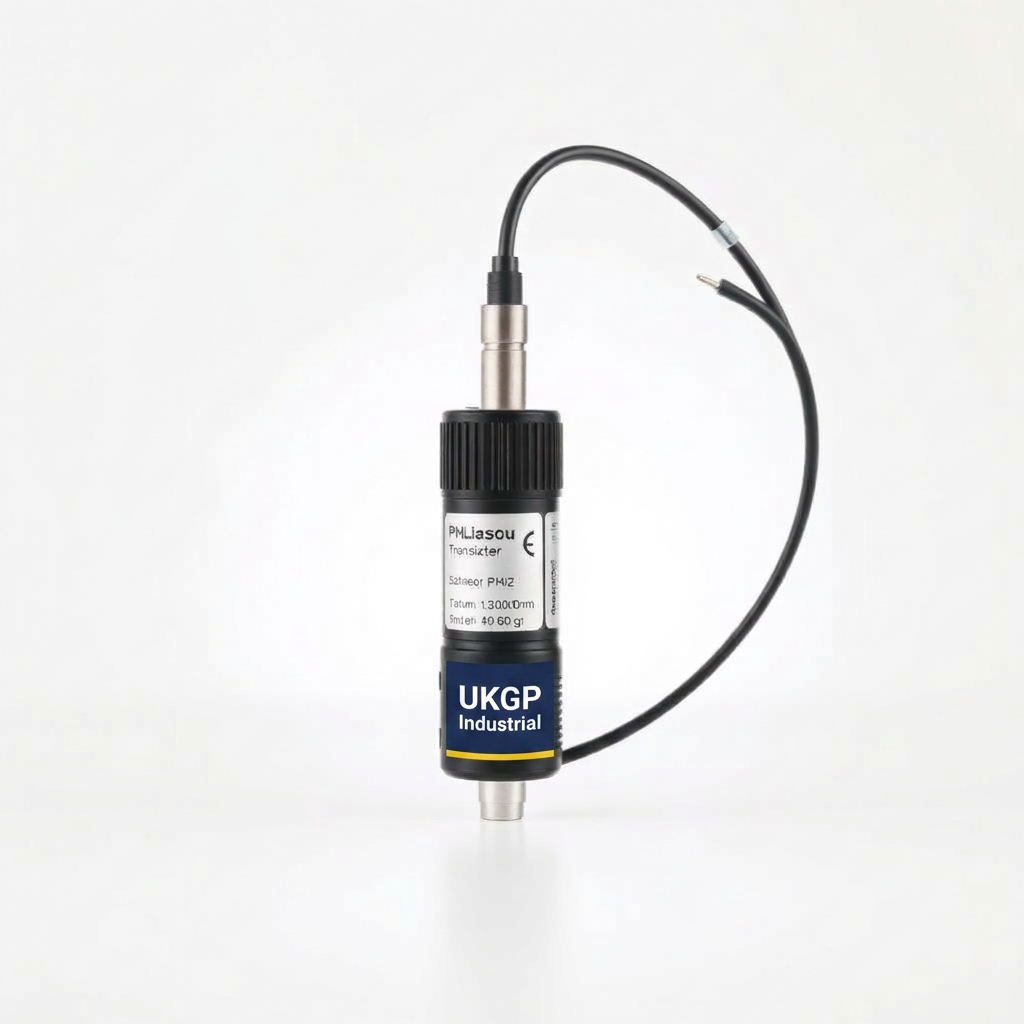
For systems prone to high levels of suspended solids, incorporating air and dirt separators upstream of the sensor housing can significantly reduce the cleaning frequency required. When a UKGP pH transmitter identifies a 'low slope' error during calibration, it is often a sign that the probe is either terminally fouled or beyond its useful life. In such cases, the IP68-rated housing and M12 cable kit of the UKGP industrial pH sensor & transmitter allow for rapid replacement, but a rigorous cleaning schedule often extends the life of the factory-calibrated electrode well beyond the standard expectations for harsh industrial applications.
- Inspect the glass bulb for visible fouling or cracks before calibration.
- Use appropriate chemical cleaners for biofilm or magnetite removal.
- Never store the probe in deionised water as it leaches ions from the glass.
- Rehydrate the electrode in KCl solution if it has been allowed to dry out.
Technical Best Practices for Industrial Applications
To ensure the highest levels of accuracy, the process of calibrating a ph meter should be integrated into a wider digital strategy. Modern transmitters, such as the UKGP range, offer Modbus or 4-20 mA outputs that allow calibration data to be logged remotely. This enables facilities managers to track the 'health' of the sensor over time by monitoring the slope (%) and offset (mV). A healthy sensor should have a slope between 95% and 105%. If the slope falls below 90%, it is a clear indicator that the sensor needs replacing, regardless of whether it can still be 'passed' during a manual calibration session in the plant room.
Furthermore, the location of the sensor in the pipework is just as important as the calibration technique itself. Sensors should be installed in a location with stable flow and pressure to provide a representative sample. If a sensor is installed in a stagnant part of the system, calibrating a ph meter will be a futile effort, as the reading will only reflect the local chemistry of that dead-leg rather than the bulk fluid. By ensuring the sensor is correctly positioned and using the UKGP M12 cable kit for secure, noise-free signal transmission, engineers can be confident that the data reaching the Building Management System (BMS) is precise and actionable for CIBSE-aligned maintenance.
Finally, always consider the 2-year warranty as a baseline for reliability, not an excuse to skip maintenance. Regular verification, even if an full calibration isn't performed, provides peace of mind that the system is protected. Our factory-calibrated UKGP industrial pH sensor & transmitter units are designed to work straight out of the box, but site-specific conditions always dictate a final check. By following the systematic approach of calibrating a ph meter outlined here, M&E contractors can ensure that their projects meet the strict water quality standards required for modern, high-efficiency heat networks and commercial boiler rooms across the UK.
- Monitor the sensor slope as a primary indicator of probe health.
- Ensure the transmitter is correctly integrated with the BMS via Modbus.
- Verify electrode placement to avoid stagnant water readings.
- Maintain detailed logs of all calibration events for audit purposes.
Integrating UKGP Sensors into Your Maintenance Workflow
Transitioning to a more reliable monitoring solution doesn't have to be complex. The UKGP industrial pH sensor & transmitter kit is engineered for simplicity and durability. With an IP68 rating, it is built to survive the humid and sometimes wet conditions of a standard plant room. When your team is tasked with calibrating a ph meter, the intuitive interface of our transmitters makes the process straightforward, reducing the man-hours required for routine water testing. The inclusion of an M12 cable kit ensures that even in electromagnetically noisy environments, the signal remains clear and consistent, avoiding the 'ghost' readings that plague cheaper, unshielded alternatives.
For procurement leads and FMs, moving toward a standardised sensor platform across multiple sites offers significant benefits. Standardisation means that engineers only need to carry a single type of buffer set and follow a uniform procedure for calibrating a ph meter, reducing the likelihood of human error. Our factory-calibrated units provide an excellent starting point, ensuring that upon initial installation, the system is performing to specification. The 2-year warranty we offer is a testament to the robust construction of our sensors, providing long-term value and reducing the total cost of ownership compared to disposable or lower-grade laboratory sensors used in industrial settings.
If you are currently experiencing inconsistent water quality data or find that your existing sensors are failing prematurely, it may be time to upgrade your infrastructure. Our technical team in Surrey is available to discuss your specific requirements, whether you are managing a single plant room or a city-wide district heating network. From selecting the right plate heat exchanger to fine-tuning your pH monitoring, UKGP provides the components and the expertise needed for high-performance water systems. Contact us today for a quote on the UKGP industrial pH sensor & transmitter to ensure your next round of calibrating a ph meter is the most accurate yet.
- Specify IP68-rated equipment for longevity in demanding plant rooms.
- Utilise 4-20 mA or Modbus for seamless connection to existing BMS.
- Benefit from the peace of mind offered by a 2-year warranty.
- Access expert UK-based technical support for all your sensor applications.
Frequently asked questions
How often should I be calibrating a ph meter in a commercial HVAC system?
- According to BS 8552 and BSRIA BG50 guidelines, water quality should be checked regularly. We recommend calibrating a ph meter at least once a month for critical systems, or quarterly for stable, well-maintained closed loops. High-load systems or those with frequent makeup water may require more frequent checks.
Why does my pH reading drift immediately after calibrating a ph meter?
- Drift is usually caused by temperature imbalances or a 'lazy' electrode. Ensure the probe has fully hydrated and that the buffer solutions are at the same temperature as the process water. If drift continues, the electrode may be reach the end of its life and require replacement.
Can I use any buffer solution for calibrating a ph meter?
- You should use traceable, high-quality buffer solutions (usually pH 4, 7, and 10). It is vital to use buffers that are within their expiry date and to never reuse decanted liquid, as atmospheric CO2 absorption will change the pH of the buffer, leading to inaccurate calibration.
What is the benefit of the UKGP factory-calibrated sensor?
- Every UKGP industrial pH sensor & transmitter is factory-calibrated to ensure it meets strict accuracy standards before it leaves our Surrey facility. This provides a reliable baseline for installation, though site-specific calibration is still recommended to account for local installation variables.
Does the UKGP pH transmitter support Modbus RTU?
- Yes, our transmitters are available with either 4-20 mA analogue output or Modbus RS485 digital output, allowing for easy integration into modern Building Management Systems for real-time monitoring and data logging.