Understanding the Role of a Boiler Dirt Separator in HVAC
In modern commercial heating and cooling circuits, the presence of suspended solids remains one of the primary causes of premature equipment failure and catastrophic efficiency loss. A boiler dirt separator is designed specifically to intercept these particles before they can settle in heat exchangers or sensitive control valves. Unlike traditional Y-strainers which can quickly become blinded and restrict flow, a sophisticated separator uses internal medium to slow fluid velocity, allowing gravity and centrifugal forces to pull heavier particles into a collection chamber at the base of the unit. This process is essential for maintaining the laminar flow characteristics required by major UK commercial boiler OEMs and ensuring that energy transfer remains optimal.
The effectiveness of a boiler dirt separator is largely determined by its internal geometry and the ability to capture microscopic particles that standard filters might miss. In the context of BSRIA BG29 and BG50, maintaining low levels of total suspended solids (TSS) is not merely a recommendation but a necessity for system longevity. As fluid passes through the separator, the kinetic energy of the particles is dissipated, leading to proactive removal of non-magnetic debris such as flux residues, casting sand, and scale. This mechanical separation prevents the build-up of sludge in stagnant areas of the plant room piping, ensuring that the system remains balanced and that thermal output meets the design specifications set by CIBSE guidelines.
Furthermore, the commercial benefits of integrating a boiler dirt separator into the primary circuit extend beyond simple equipment protection. By preventing the accumulation of insulating sludge on heat transfer surfaces, these units help maintain the lowest possible return temperatures, which is critical for maximizing the efficiency of condensing boiler technology. Facility managers who neglect this stage of water treatment often face rising fuel bills and increased maintenance call-outs due to blocked pumps and erratic sensor readings. Investing in a high-grade separator at the design or refurbishment stage is the most cost-effective way to secure the operational integrity of a multi-megawatt heating installation over its entire service life.
- Eliminates debris that compromises pump impellers and heat exchangers
- Supports compliance with BSRIA BG50 water quality parameters
- Reduces pressure drops compared to high-maintenance Y-strainers
- Essential for protecting high-efficiency commercial condensing boilers
- Improves long-term system thermal transfer and energy efficiency
Technical Specifications and Selection Criteria
Selecting the correct boiler dirt separator for a specific application requires a detailed analysis of flow rates and system pressure requirements. For large-scale British plant rooms, the device must be rated for the correct PN pressure class and feature flange connections compatible with EN 1092-1 standards. A well-specified unit should handle sizes from DN25 for smaller header connections up to DN300 for main distribution pipework. It is also vital to consider the material of construction; epoxy-coated carbon steel is often preferred for its durability and resistance to the typical chemical additives found in commercial closed-loop systems. Proper sizing ensures that the internal velocity remains low enough for the coalescing media to function efficiently without creating excessive resistance.
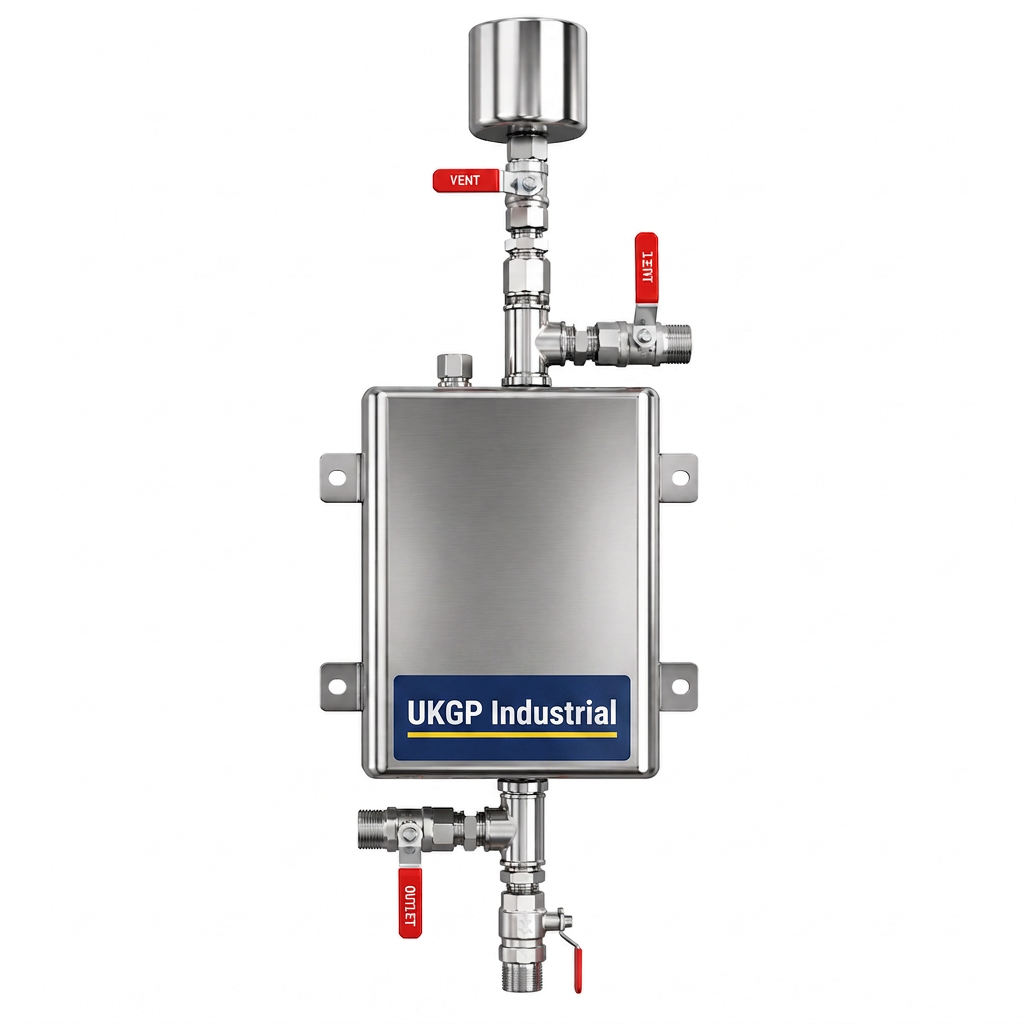
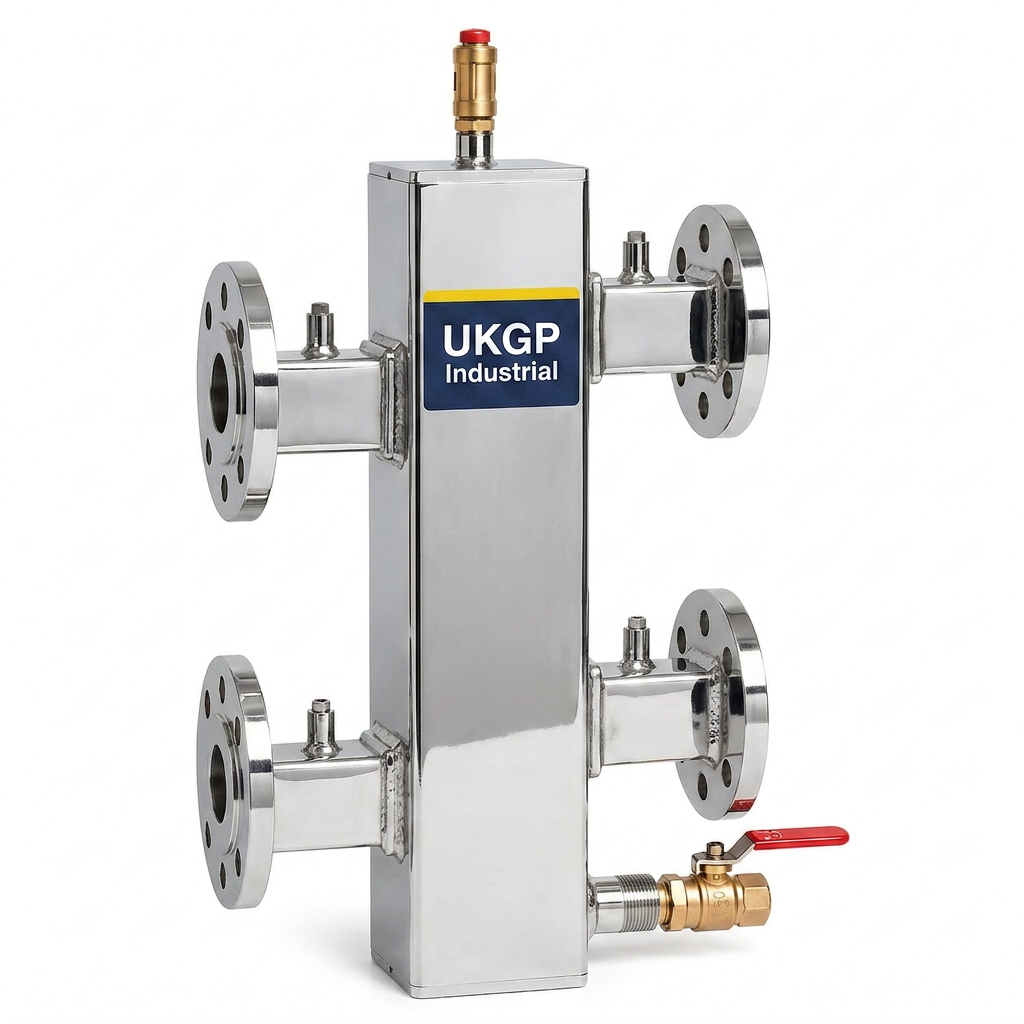
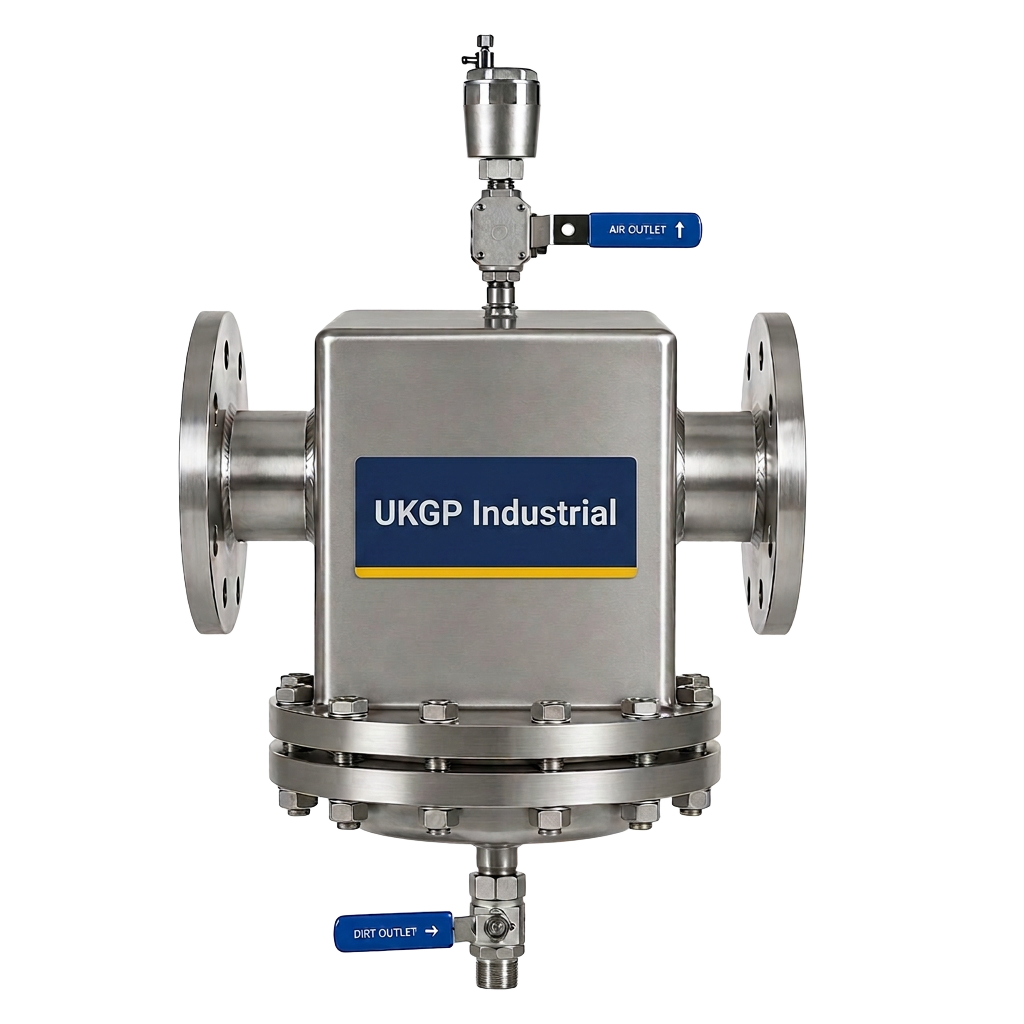
The UKGP range of air and dirt separators represents the pinnacle of this technology, combining high-performance coalescing media with a powerful magnetic catch to address both magnetic and non-magnetic contaminants. These units are available in DN25-DN300 sizes with flanged PN10/16 connections, ensuring they fit seamlessly into any commercial specification. To facilitate easy maintenance, our units come with a dedicated isolation kit, allowing engineers to purge collected debris without shutting down the entire system. Backed by a 2-year warranty, these British-supplied separators provide consultants with the peace of mind that the site will meet strict commissioning standards and achieve the operational goals listed in the project's technical submittals.
When specifying a boiler dirt separator, engineers should also look for a unit that integrates air removal capabilities. While separate air and dirt units exist, a combined microbubble and dirt separator is often the more space-efficient and cost-effective solution for a crowded plant room. This dual-action approach removes both dissolved gases that cause corrosion and the solid particles that result from it. By requesting a quote for a UKGP combined unit, procurement leads can source a robust, flanged solution that simplifies the installation process and reduces the number of leak paths in the system, all while ensuring the boiler plant is shielded from the most common causes of operational downtime.
- Available in DN25 to DN300 sizes to suit most commercial pipework
- Flanged PN10/16 connections compliant with UK building standards
- Integrated coalescing media for high-efficiency particle separation
- Includes isolation kit for simplified, no-shutdown maintenance
- Supplied with a 2-year warranty for commercial peace of mind
The Impact of Magnetite on Commercial Heating Plant
Magnetite, or black iron oxide, is the single most destructive force in a commercial heating secondary or primary circuit. It forms as a result of oxygen ingress and the subsequent corrosion of ferrous components such as radiators and steel pipework. Without a boiler dirt separator equipped with a magnetic rod, these fine particles circulate freely, eventually being drawn into the magnetic fields of modern variable-speed circulating pumps. Once inside the pump housing, magnetite acts as an abrasive paste, wearing down bearings and seals, leading to expensive repairs and system failure. A high-strength magnetic insert within the separator ensures that even the smallest sub-micron particles are trapped and held securely away from the main flow.
In a plant room environment, the boiler dirt separator should be positioned in the return line to catch debris before it enters the boiler heat exchanger. This is particularly critical when retrofitting new boilers onto old pipework, where decades of accumulated debris can be dislodged by the increased flow velocities of new pumps. CIBSE recommends thorough system cleaning (as per BSRIA BG29) followed by the installation of permanent filtration or separation devices to prevent re-contamination. The magnetic element of the separator should be easily removable, allowing the captured magnetite to be flushed away during routine maintenance intervals without the need for complex tools or lengthy shutdowns.
Beyond pump protection, removing magnetite is essential for the accuracy of system sensors and control valves. Fine iron oxide can coat pH sensors and transmitters, leading to drifted readings and incorrect chemical dosing volumes. Similarly, the tight tolerances of balancing valves and three-way mixing valves make them highly susceptible to stickiness or seizing if the water is heavily laden with grit and sludge. By installing a robust boiler dirt separator, you are not just protecting the boiler itself, but safeguarding the entire control infrastructure of the building’s HVAC system, ensuring that the BMS can manage the environment precisely as designed.
- Prevents abrasive wear in modern high-efficiency circulator pumps
- Captures sub-micron magnetite that bypasses standard filters
- Protects internal boiler waterways from insulating sludge layers
- Reduces the risk of seizing in motorised control and balancing valves
- Enhances the reliability of pH and temperature sensors
Maintaining Water Quality Standards and Compliance
For UK building services engineers, compliance with BS 8552 and BSRIA BG50 is the benchmark for professional water treatment management. These standards emphasise that mechanical filtration and separation are cornerstone elements of a wider water quality strategy. A boiler dirt separator provides a verifiable point of maintenance where engineers can visually inspect the amount of debris being captured, giving an early indication of corrosion levels within the wider system. If a separator requires frequent purging, it may signal that the chemical inhibitor levels are insufficient or that there is a fresh water leak introducing oxygen into the system, allowing the facility manager to take corrective action before major damage occurs.
Legally and contractually, many boiler manufacturers will only honour warranties if the system has been cleaned and a suitable boiler dirt separator is in place. This is especially true for modern, compact heat exchangers with narrow waterways that are prone to blockages. By documenting the installation and regular maintenance of the separator, contractors can provide the necessary evidence to satisfy warranty requirements and ensure that the client’s investment is protected. The presence of such a device also simplifies the process of system sampling and testing, as it helps maintain a more consistent water chemistry by removing the solids that often interfere with metallurgical analysis.
Ultimately, the goal of installing a boiler dirt separator is to create a 'closed' environment where the water remains clear and non-aggressive. This reduces the need for frequent chemical flushes, which can be both expensive and environmentally taxing. Instead, a well-managed system relies on the ongoing mechanical action of the separator to polish the water. For procurement leads, choosing a high-quality UKGP separator means selecting a product that is built to last the lifetime of the plant room, providing a sustainable solution that supports the building's operational efficiency targets and carbon reduction goals.
- Documented separation supports manufacturer warranty claims
- Simplifies compliance with BS 8552 sampling procedures
- Reduces the frequency and cost of chemical system flushes
- Acts as an early warning system for internal corrosion issues
- Supports long-term carbon reduction through efficiency gains
Installation Best Practices for Plant Room Engineers
Correct positioning is the most critical factor in the performance of a boiler dirt separator. It should ideally be installed on the return pipework, as close to the boilers as possible, to ensure all returning fluid is treated before entering the primary heat exchanger. However, in systems where a low loss header is used, the separator can be positioned on the primary return to protect the boiler loop specifically. It is essential to ensure that there is sufficient clearance above or below the unit (depending on the model) to allow for the removal of the magnetic rod and the operation of the blow-down valve. Failure to provide this access often leads to the separator being ignored during routine maintenance, negating its benefits.
When installing a flanged boiler dirt separator, engineers must ensure that the pipework is correctly aligned and supported to prevent placing undue stress on the unit's body. The use of the supplied isolation kit is highly recommended, as it allows for the blow-down process to be conducted safely while the system is under pressure. During the commissioning phase, it is best practice to purge the separator more frequently to remove any construction debris or residues dislodged during the initial start-up. This proactive approach prevents 'teething' problems such as blocked control valves or sensor fouling that can delay project handover and lead to negative client feedback.
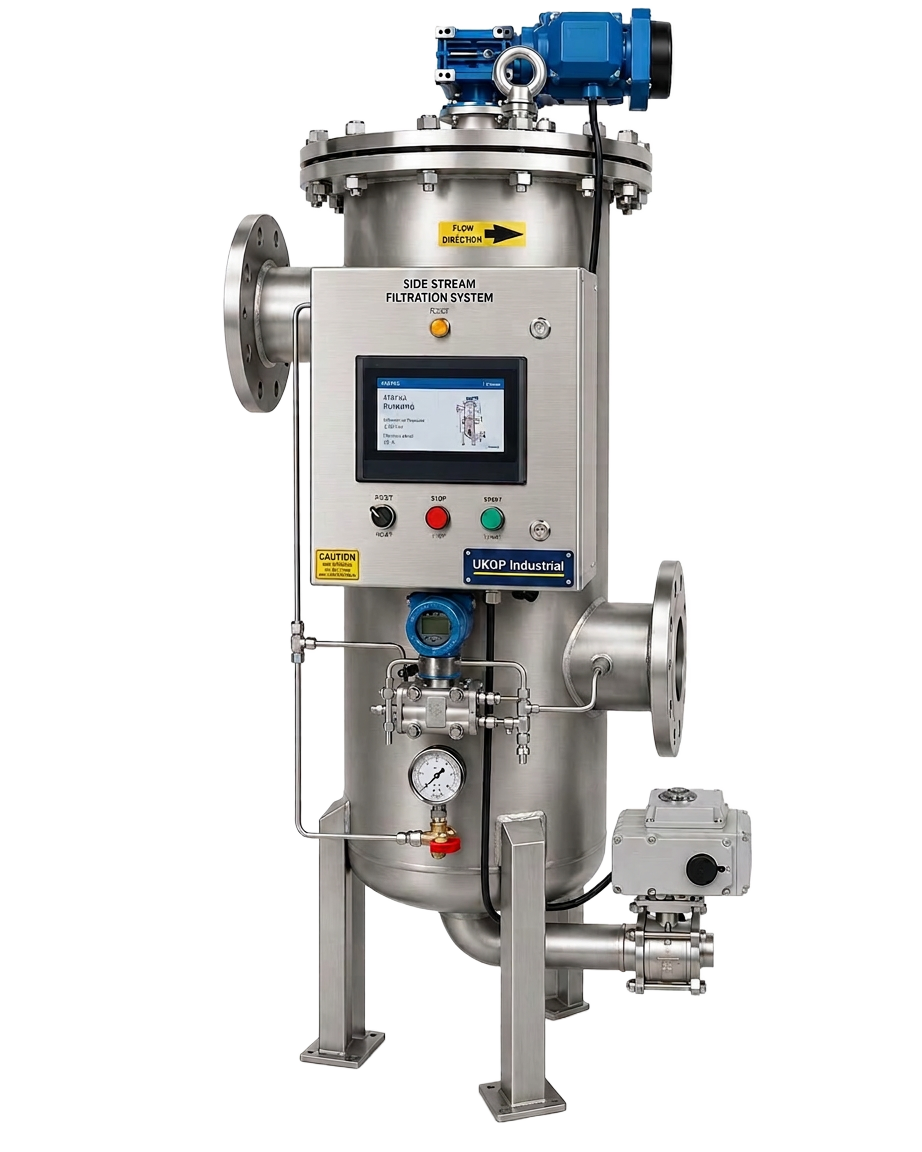
For systems with high flow rates or large volumes, such as those found in district heating or large commercial office blocks, it may be necessary to install multiple separators or combine them with a side stream filtration skid for even higher levels of water clarity. The boiler dirt separator handles the bulk of the larger particles, while the side stream filter targets sub-micron debris and organic matter. This multi-layered approach is the gold standard for high-value plant rooms. By consulting with UKGP’s technical team, M&E contractors can receive a tailored recommendation that ensures the filtration strategy is perfectly matched to the system's specific volume and flow characteristics.
- Install on return pipework ahead of the primary heat source
- Ensure adequate clearance for magnetic rod and flush valve access
- Use provided isolation kits to enable safe on-load maintenance
- Flush frequently during the initial system commissioning phase
- Consider side stream filtration for high-volume district heating
Economic Benefits and System Longevity
While the initial capital expenditure of a commercial boiler dirt separator may seem like an additional cost, the return on investment is often realised within the first two years of operation. By preventing the loss of efficiency associated with fouled heat exchangers, the unit contributes directly to lower gas or electricity consumption. In a large plant room, even a 3% drop in efficiency can result in thousands of pounds of wasted energy annually. Furthermore, the reduction in emergency repair specialist costs and the prevention of premature pump replacement significantly lower the total cost of ownership (TCO) for the building's HVAC assets. This makes the separator a favourite for procurement leads focused on long-term value.
The durability of a UKGP boiler dirt separator is a key factor in its commercial appeal. Constructed to withstand the rigours of a busy plant room, these units provide a 2-year warranty and are designed for a service life exceeding 20 years with minimal maintenance. Unlike complex electronic filtration systems, the mechanical nature of these separators means there are no internal moving parts to wear out or electronic components to fail. This simplicity translates to reliability, which is the most valued commodity for any facility manager responsible for critical infrastructure. Choosing a proven British supplier like UKGP ensures that technical support and spare parts, such as replacement isolation kits or seals, are always readily available.
In conclusion, the boiler dirt separator is an indispensable component of any modern, high-performance heating system. It provides the essential mechanical cleaning required to meet BSRIA standards, protects high-value components like pumps and heat exchangers, and ensures that the system operates at peak efficiency from the day of commissioning until the end of its life cycle. For those looking to upgrade their plant room or specify a new project, our DN25-DN300 flanged air and dirt separators offer the perfect balance of performance and ease of installation. Contact UKGP today to request a quote and ensure your heating system is equipped with the very best in separation technology.
- Rapid ROI through maintained system energy efficiency
- Long service life with no internal moving parts to fail
- Protects against the high costs of emergency HVAC repairs
- Available for immediate quote with expert technical support
- Enhances the professional reputation of M&E contractors
Frequently asked questions
What is the difference between a strainer and a boiler dirt separator?
- A strainer uses a mesh to trap particles, which can quickly block and restrict flow. A boiler dirt separator uses internal coalescing media to slow flow and allow particles to settle into a collection chamber without restricting the main flow path, even when full.
How often should a commercial boiler dirt separator be cleaned?
- During the first month after commissioning, it should be flushed weekly. For a stabilised system, a monthly or quarterly blow-down is usually sufficient, depending on the results of water quality tests and BSRIA BG50 monitoring.
Where is the best place to install a boiler dirt separator in the plant room?
- It should be installed on the main return pipework, ideally before the water enters the boilers or the plate heat exchanger. This ensures all debris returning from the building circuit is captured before it can damage the primary plant.
Can a boiler dirt separator help with BSRIA BG50 compliance?
- Yes, it is a critical component for meeting the suspended solids requirements of BSRIA BG50. It provides a mechanical means of removing debris, which is essential for maintaining the water quality standards expected in UK commercial buildings.
Do I need a magnetic boiler dirt separator for a non-ferrous system?
- While copper or plastic systems won't generate magnetite, many other components like pumps and valves are ferrous. Magnetite can also be introduced from older parts of a system. A magnetic separator is always recommended for comprehensive protection.