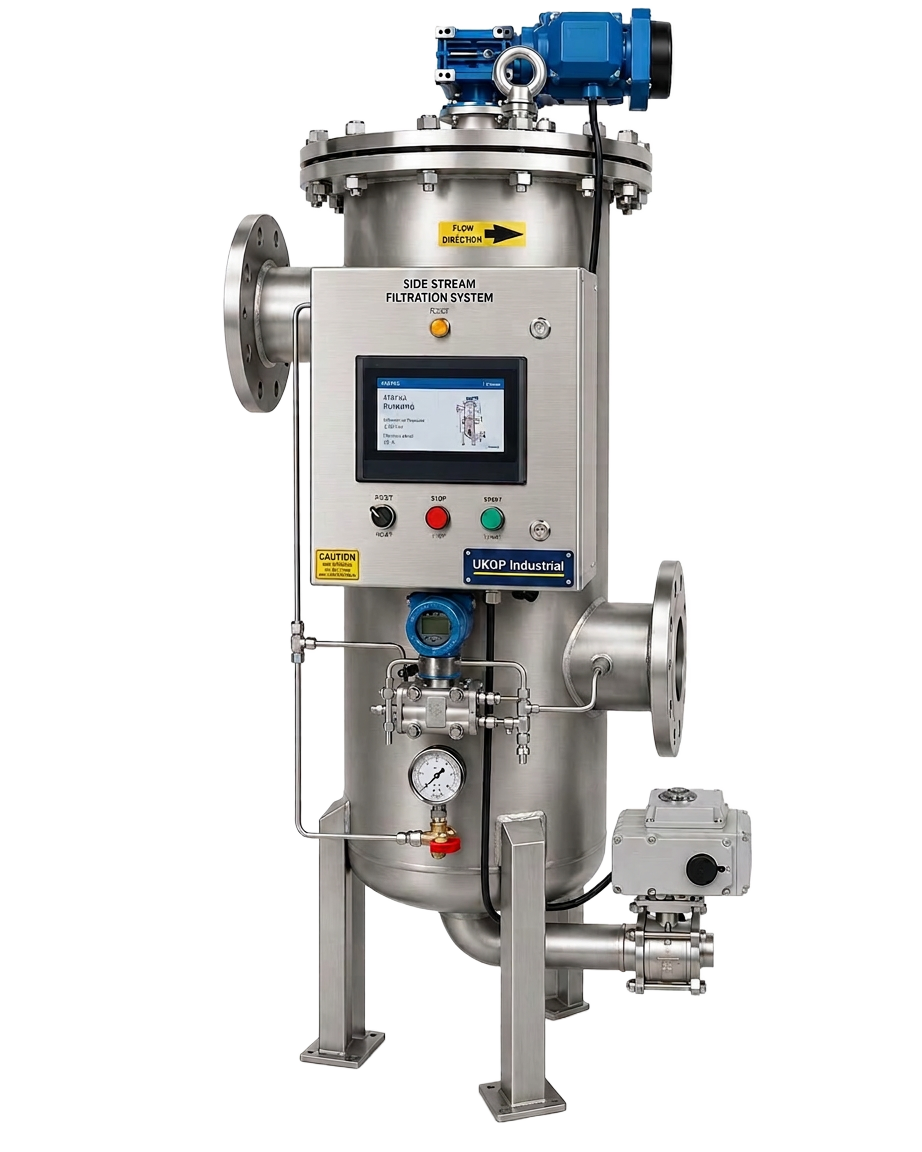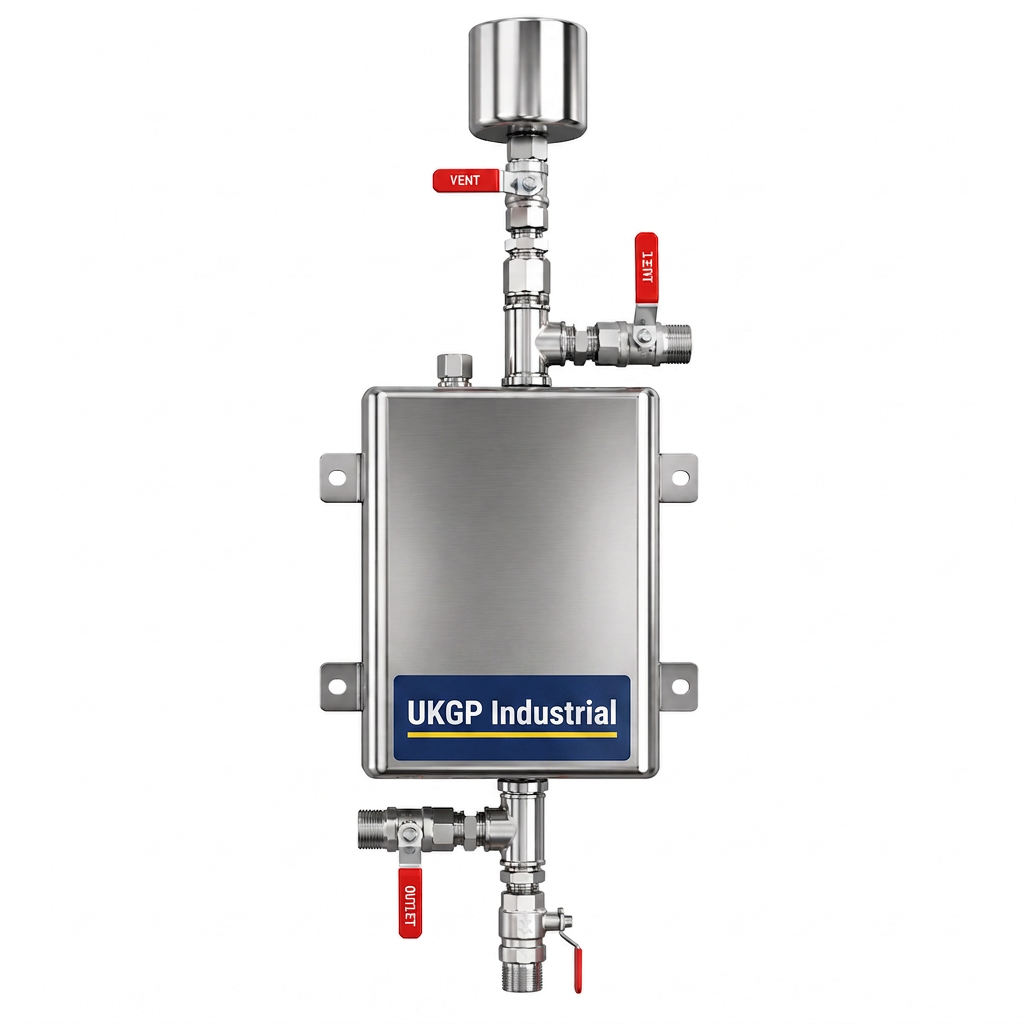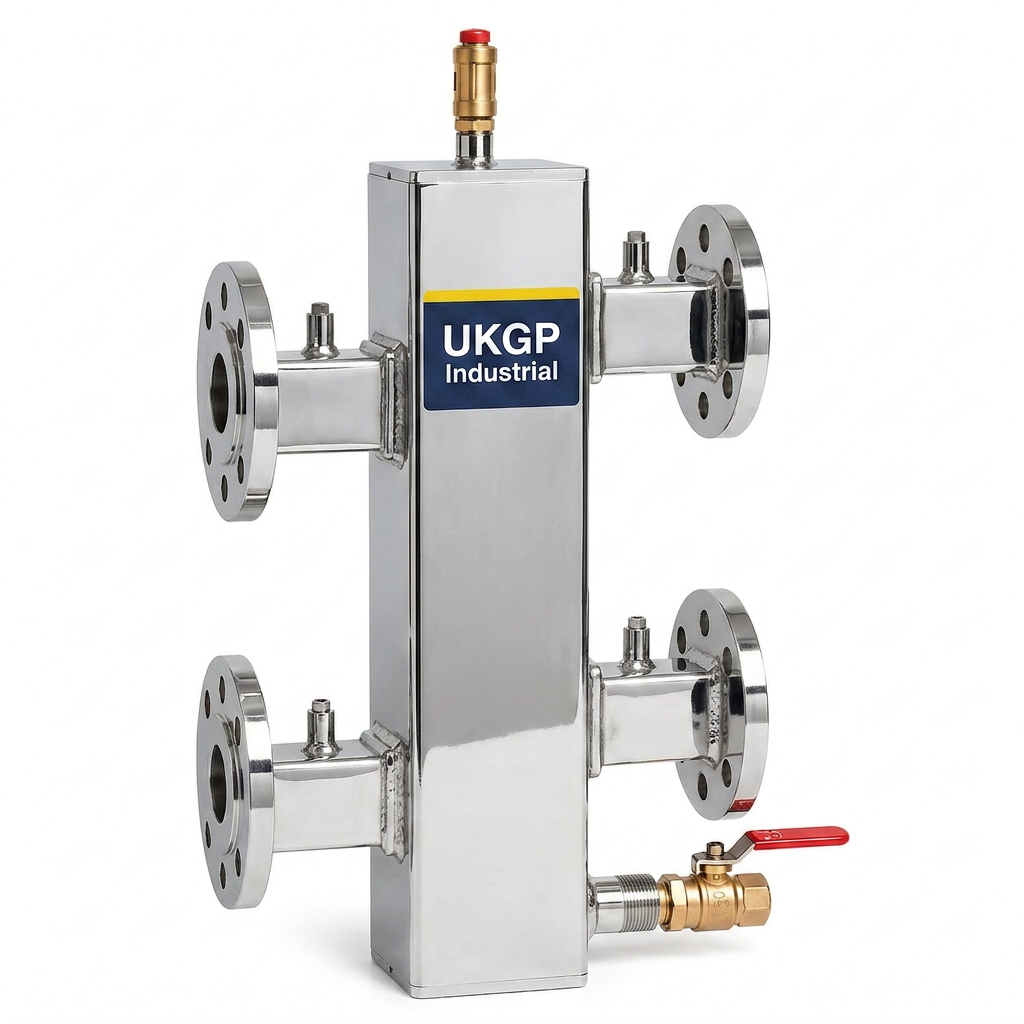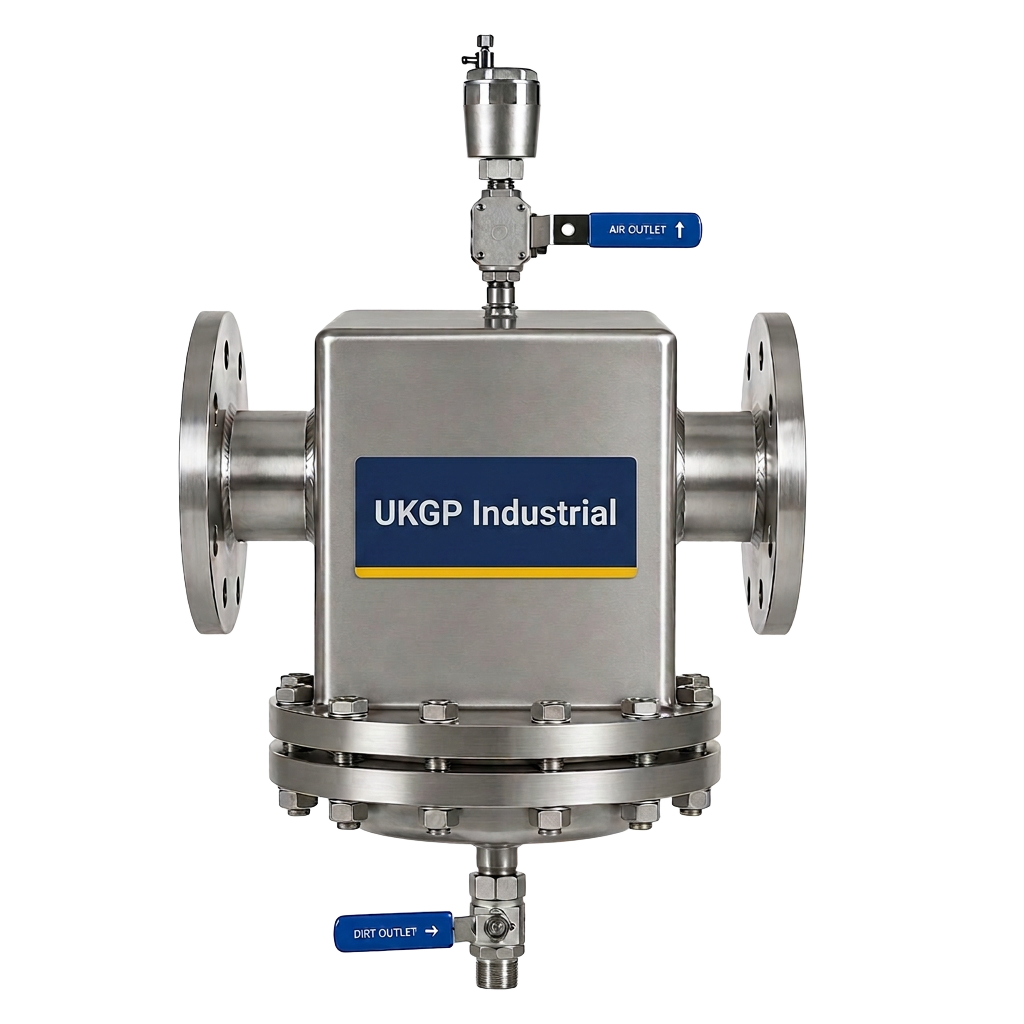
The Role of a Spirovent Dirt Separator in Modern HVAC
In modern commercial heating and cooling sectors, the spirovent dirt separator has become a staple for engineers seeking to mitigate the risks of magnetite and debris. These units are specifically engineered to extract microscopic particles from the flow, which is essential for protecting expensive heat exchangers and circulator pumps. By reducing the overall suspended solids within the water column, a spirovent dirt separator helps maintain the design Delta T and prevents the gradual decline in thermal efficiency that often plagues unmanaged systems. For M&E contractors, understanding the nuances of how these separators interact with the primary flow rate and pressure drop is critical during the design phase of any large-scale plant room build.
The fundamental mechanics of air and dirt separation rely on the reduction of water velocity inside the vessel, allowing heavier debris to settle and microbubbles to rise. While the spirovent dirt separator is a legacy name in the market, the technical requirements for these components remain rigid under BSRIA guidelines. Proper integration ensures that velocity remains optimal for separation, typically below 1.5 m/s at the inlet, to allow the internal coalescing media to function effectively. Without consistent separation, commercial systems are susceptible to localized corrosion and heat transfer degradation, which can lead to significant operational expenditure increases over time for facility managers overseeing UK-based commercial sites and district heating networks.
Choosing the right vessel size is not merely about matching pipe diameters but about understanding the volumetric flow requirements of the entire circuit. A spirovent dirt separator must be sized to handle the peak load of the circuit while maintaining a low-pressure drop to avoid unnecessary strain on variable speed pumps. As UK building services increasingly move toward lower operating temperatures with heat pump integration, the density of the water and the behaviour of dissolved gases change, making the installation of high-quality combined air and dirt separation equipment more vital than ever for long-term system stability and adherence to the latest CIBSE recommendations for water quality.
- Ensures compliance with BSRIA BG29/2021 pre-commissioning cleaning standards.
- Protects high-efficiency commercial boiler heat exchangers from blockage.
- Reduces the risk of pump failure due to abrasive suspended solids.
- Maintains system thermal transparency by preventing sludge build-up.
BSRIA BG50 Compliance and Water Quality Standards
BSRIA BG50 provides the framework for water treatment in closed systems, and the use of a spirovent dirt separator is often a core component of this strategy. The guide emphasizes the importance of continuous removal of corrosion products, particularly magnetite, which is the most common byproduct of pipework oxidation. By integrating a dedicated separator, contractors can ensure that the water quality remains within the specified limits for conductivity, iron content, and turbidity. This proactive approach is much more cost-effective than reactive chemical dosing or power flushing, which can be time-consuming and disruptive to building occupants in live commercial environments across Surrey and the wider UK.
When considering the longevity of a system, BS 8552 provides further guidance on sampling and monitoring. A spirovent dirt separator acts as the first line of defence, but it should ideally be paired with high-quality magnetic filtration to capture the finest metallic particles. At UKGP, we advocate for combined units that feature both coalescing media and powerful neodymium magnets to ensure that every pass of the fluid removes the maximum possible contaminant load. This dual-action approach is what separates a standard installation from a high-performance plant room that will stand the test of time and meet the stringent verification requirements of insurance providers and building owners alike.
Monitoring and maintenance of these units should never be overlooked by facility managers. While a spirovent dirt separator is designed for low maintenance, the periodic flushing of the collection chamber is necessary to remove the captured sludge. Modern units featuring an isolation kit and high-capacity drain valves make this process seamless, ensuring that there is no need to shut down the entire system just to perform routine maintenance. By adhering to a strict schedule of blow-down and chemical analysis, as suggested by BG50, the risk of catastrophic system failure is significantly reduced, ensuring the heating and cooling infrastructure remains robust throughout its expected lifecycle.
- Aligns with BS 8552 sampling regimes for closed-circuit water.
- Supports the maintenance of low turbidity levels in commercial loops.
- Reduces the frequency of costly chemical inhibitor top-ups.
- Facilitates easier system balancing by keeping control valves clear.
Technical Specifications for Separator Selection
In the UK market, selecting a spirovent dirt separator requires a keen eye for technical specifications that match the demands of PN10 or PN16 rated systems. Professionals generally look for flanged connections ranging from DN25 up to DN300 for large-scale industrial applications. The internal geometry is the most important factor; look for units that utilize a large surface area of internal media to facilitate the coalescing of microbubbles and the settling of dirt at the bottom of the vessel. UKGP provides professional-grade alternatives that feature these exact traits, ensuring that velocity is managed correctly to maximize particle capture without introducing excessive resistance to the flow of the primary heat medium.
Pressure drop data is perhaps the most critical information an M&E engineer needs when documenting the system head. Every spirovent dirt separator will have a Kvs value that allows for precise calculations. Choosing a unit that is too small will result in high velocity and bypassed debris, while a unit that is too large can be a waste of budget and plant room space. We recommend opting for vessels that come with a 2-year warranty and a built-in isolation kit to future-proof the installation. For those working with high-temperature primary circuits or chilled water systems, ensuring the vessel is compatible with glycol and has the correct operating temperature range is a non-negotiable requirement for safety and performance.
Beyond the separator itself, considering the entire hydraulic assembly is key. For example, if you are installing a spirovent dirt separator, you should also consider the state of your expansion bellows and low loss headers to ensure the entire system is balanced and expansion is managed as per BS EN 14917. UKGP specializes in supplying the complete suite of plant room components, ensuring that every flange and gasket is up to the task of high-pressure commercial operation. Our combined coalescing media and magnetic catch units are the preferred choice for engineers who demand BSRIA-aligned results without compromising on the speed of installation or the durability of the components used.
- Sizes available from DN25 to DN300 to suit all commercial pipework.
- Compatible with PN10 and PN16 pressure ratings as standard.
- Large collection chambers reduce the frequency of maintenance cycles.
- High-grade stainless steel internal media for maximum coalescing efficiency.
Strategic Placement of the Spirovent Dirt Separator
The strategic placement of a spirovent dirt separator within the plant room is vital for achieving the best results. For air separation, the unit is most effective when placed at the point of highest temperature and lowest pressure, which is typically the flow header immediately after the boiler or heat source. Here, the solubility of air is at its lowest, meaning microbubbles are most likely to form and be captured by the coalescing media. For dirt removal, placement on the return line before the primary heat exchanger or boiler is preferred. This ensures that any debris returning from the building circuit is trapped before it can enter the sensitive heat transfer equipment, thereby extending the life of the entire plant.
In complex multi-boiler cascades, the hydraulic design may require multiple separators or a large central unit on a low loss header. Contractors should consult the latest CIBSE guidance on hydraulic separation to ensure that the flow rates remain stable across all loads. If a spirovent dirt separator is installed without considering the secondary circuit flow, its efficiency may be compromised. Using a combined air and dirt separator from UKGP can often simplify this layout, providing a single point of entry for filtration and degassing, which saves on installation time and reduces the number of potential leak points in the system, a critical factor for any risk-averse procurement lead or site manager.
The inclusion of a magnetic catch within the separator body further enhances its placement flexibility. While air removal is still heat-dependent, the magnetic capture of magnetite is effective regardless of temperature, making the return line the primary location for overall system protection. When you install a UKGP air and dirt separator with its integrated magnetic assembly and isolation kit, you are implementing a robust solution that catches both non-magnetic debris and fine iron-oxide particles. This dual-protection strategy is highly recommended for systems with older radiators or extensive steel pipework where corrosion is an ongoing concern, ensuring that the system stays clean and the pumps remain unencumbered by sludge.
- Place on the flow line for optimal microbubble de-aeration.
- Install on the return line for superior debris and magnetite capture.
- Ensure clear access for vertical or horizontal mounting as per unit design.
- Avoid turbulence by placing away from elbows and sharp bends.
Long-term ROI and Maintenance Benefits
Investing in a high-quality spirovent dirt separator provides an excellent return on investment through reduced energy bills and lower repair costs. By removing air, the system achieves a higher rate of heat transfer, meaning the pumps do not have to work as hard to deliver the required temperature to the emitters. By removing dirt, you prevent the 'fouling' of heat exchangers which can increase energy consumption by up to 10% in some commercial settings. For procurement leads, the initial capital expenditure for a UKGP separator is easily justified when compared to the cost of a single major pump failure or a full system flush halfway through the heating season.
Furthermore, the reduction in dissolved gases helps to inhibit the anaerobic corrosion processes that lead to pinhole leaks in steel pipework. This preventative approach is the cornerstone of sustainable building management. A spirovent dirt separator helps maintain the balance of the system, ensuring that thermostatic radiator valves (TRVs) and secondary pumps do not become clogged. This level of reliability is essential for modern FMs who are tasked with meeting strict KPIs regarding building uptime and energy efficiency. By choosing a UKGP air and dirt separator with a 2-year warranty and PN16 flanged connections, you are buying peace of mind for both the contractor and the end-user.
Maintenance is intentionally simplified in well-designed plant rooms. During a typical service visit, the engineer only needs to open the drain valve on the bottom of the separator to purge the collected sludge. Because our units include an isolation kit, the air vent can be serviced or replaced without draining the entire system. This keeps maintenance labor costs low and minimizes the risk of introducing fresh oxygenated water into the system, which is a major driver of corrosion. For any UK commercial project, from schools to hospitals, a robust separation strategy involving products that match or exceed the spirovent dirt separator specification is a fundamental requirement for a modern, efficient hydraulic circuit.
- Reduces energy consumption by maintaining optimal heat transfer.
- Extends the lifespan of expensive pumps and boiler components.
- Minimizes system downtime through easy-to-use drain and isolation kits.
- Supports ESG goals by improving the overall efficiency of building services.
Why Choose UKGP for Your Air and Dirt Separation
UKGP Industrial provides a comprehensive range of air and dirt separators that serve as the professional alternative to the standard spirovent dirt separator. Our units are manufactured to the highest standards, featuring combined coalescing media and a powerful magnetic catch that complies with the latest BSRIA BG29 and BG50 recommendations. We understand the pressures of UK construction timelines, which is why we maintain stock of units from DN25 to DN300, ready for rapid dispatch to sites across the country. Our focus is on providing high-spec, PN10/16 flanged components that meet the exact needs of M&E contractors and consultants who cannot afford to compromise on quality or performance.
Every UKGP air and dirt separator comes with a full isolation kit and a 2-year warranty, providing long-term security for your project. Whether you are dealing with a small commercial office or a large industrial plant room, our technical team is on hand to help you select the right size and specification for your flow rates. We don't just supply parts; we provide technical expertise that ensures your water treatment and system protection strategy is sound. Our products are designed to be fit-for-purpose, robust, and easy to maintain, ensuring they remain the preferred choice for engineers who value commercial reliability and technical excellence in Surrey and beyond.
If you are currently specifying a spirovent dirt separator for an upcoming project, we invite you to compare the technical data and build quality of the UKGP range. Our commitment to BSRIA-aligned solutions means you can specify our equipment with total confidence. We also offer a range of related products, including chemical dosing pots and low loss headers, to complete your plant room layout. Contact our Surrey office today for a competitive quote on our DN25-DN300 air and dirt separators and see how we can help you deliver a more efficient, reliable, and compliant commercial heating or cooling system for your clients.
- Comprehensive size range from DN25 to DN300 in stock.
- Combined magnetic and coalescing media for total separation.
- Full technical support for consultants and plant room engineers.
- 2-year warranty on all commercial air and dirt separators.
Frequently asked questions
What is the difference between an air separator and a spirovent dirt separator?
- A standard air separator only removes microbubbles using coalescing media. A spirovent dirt separator is typically a combined unit that removes both microbubbles and solid particles. UKGP provides similar combined units that also include a magnetic catch as standard for enhanced magnetite removal.
Where should I install a spirovent dirt separator for the best results?
- For maximum efficiency, air separation should be performed on the flow line (hottest point), while dirt separation is best performed on the return line before primary equipment. UKGP units can be used in both locations to protect the system according to BSRIA BG29 guidelines.
Does a spirovent dirt separator require regular maintenance?
- Yes, although they are designed for long intervals, they must be periodically flushed via the drain valve to remove collected sludge. UKGP units feature an isolation kit to make this process simple and prevent unnecessary system fluid loss.
Are UKGP separators compatible with high-pressure systems?
- Absolutely. While many generic units are PN6, UKGP air and dirt separators are rated for PN10 and PN16 as standard, making them ideal for high-rise commercial buildings and demanding industrial environments across the UK.
Is the magnetic catch essential in a dirt separator?
- While not strictly required by every brand, a magnetic catch is highly recommended by BSRIA BG50 to effectively remove magnetite, which is too fine for standard mechanical media. UKGP includes powerful neodymium magnets in our separation units for this reason.