The Role of an Air Oil Separator For Air Compressor Efficiency
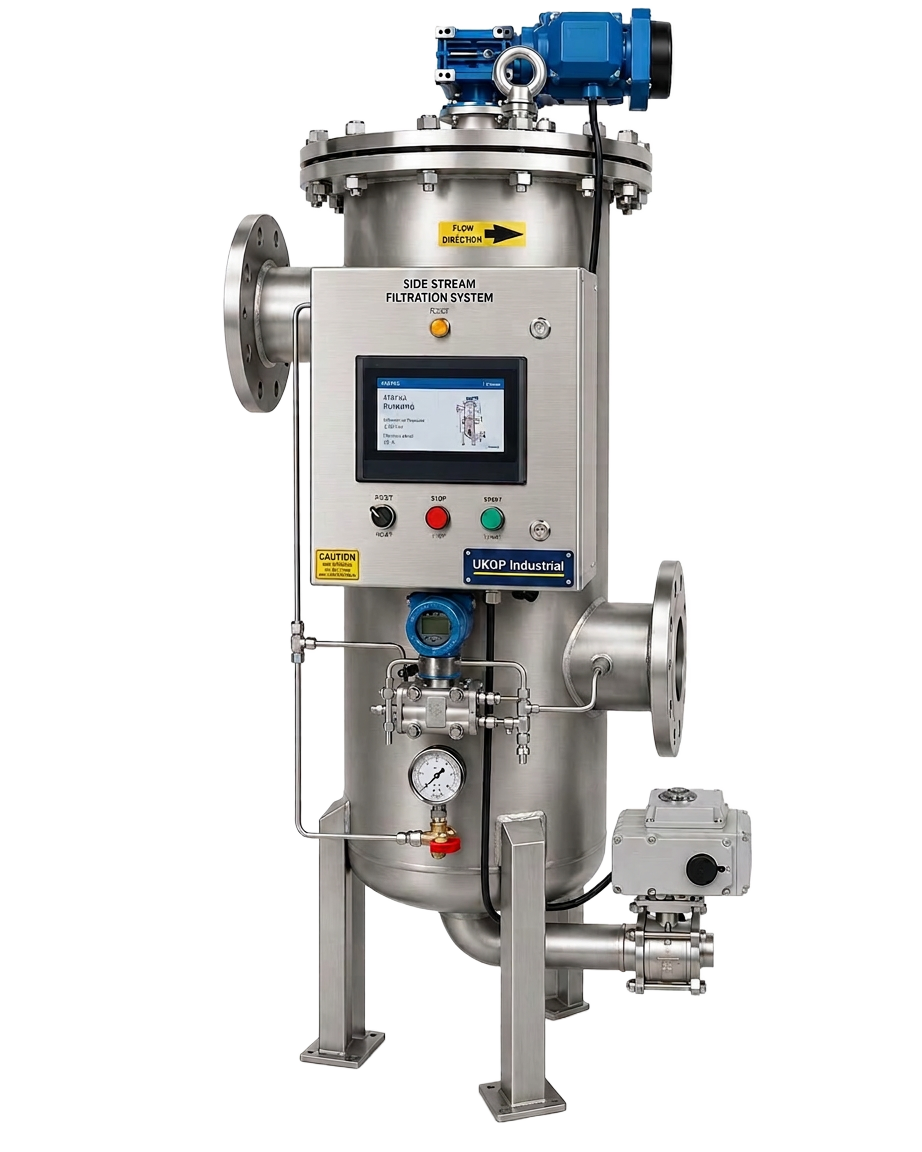
In modern UK commercial plant rooms, pneumatic systems often drive sophisticated control sequences for large-scale heating and cooling networks. An air oil separator for air compressor setups is a critical component designed to remove aerosolised oil droplets from the compressed air stream before it enters the distribution pipework. Without effective separation, oil mist can migrate through the system, leading to the degradation of seals in control valves and compromising the performance of air-side heat exchangers. For building services consultants, ensuring high-purity air is not just a matter of longevity but also of meeting the stringent requirements set out in the BSRIA BG29 and BG50 guidelines for water and air quality management.
The physics of an air oil separator for air compressor applications typically involves a multi-stage process of impingement, interception, and coalescence. As the compressed air passes through the borosilicate or synthetic media, tiny oil droplets merge into larger globules which then settle at the base of the housing for drainage. This prevents viscous oil from coating the internal surfaces of air and dirt separators or plate heat exchangers downstream. By maintaining clean air, M&E contractors can ensure that the thermal transfer properties of the HVAC system remain within design parameters, preventing the insulation effect that oil films can unintentionally create on critical metal surfaces.
When specifying these components, procurement leads must consider the flow rate and pressure drop across the separator media. A high-quality air oil separator for air compressor systems will provide high efficiency with minimal differential pressure, ensuring that the compressor does not have to work harder to overcome internal resistance. This focus on energy efficiency aligns with CIBSE recommendations for reducing the operational carbon footprint of mechanical plant. UKGP provides a range of technical solutions that ensure these pneumatic circuits remain clean, protecting the wider hydronic infrastructure from contamination that could lead to premature component failure or excessive maintenance call-outs.
- Protects pneumatic control valves from oil-induced seal swelling.
- Reduces service intervals by preventing oil carryover into downstream filters.
- Maintains the efficiency of air-side heat exchangers by preventing fouling.
- Ensures compliance with commercial compressed air quality standards.
- Lowers overall energy consumption by reducing system pressure drop.
Integrating Separators with Air & Dirt Protection
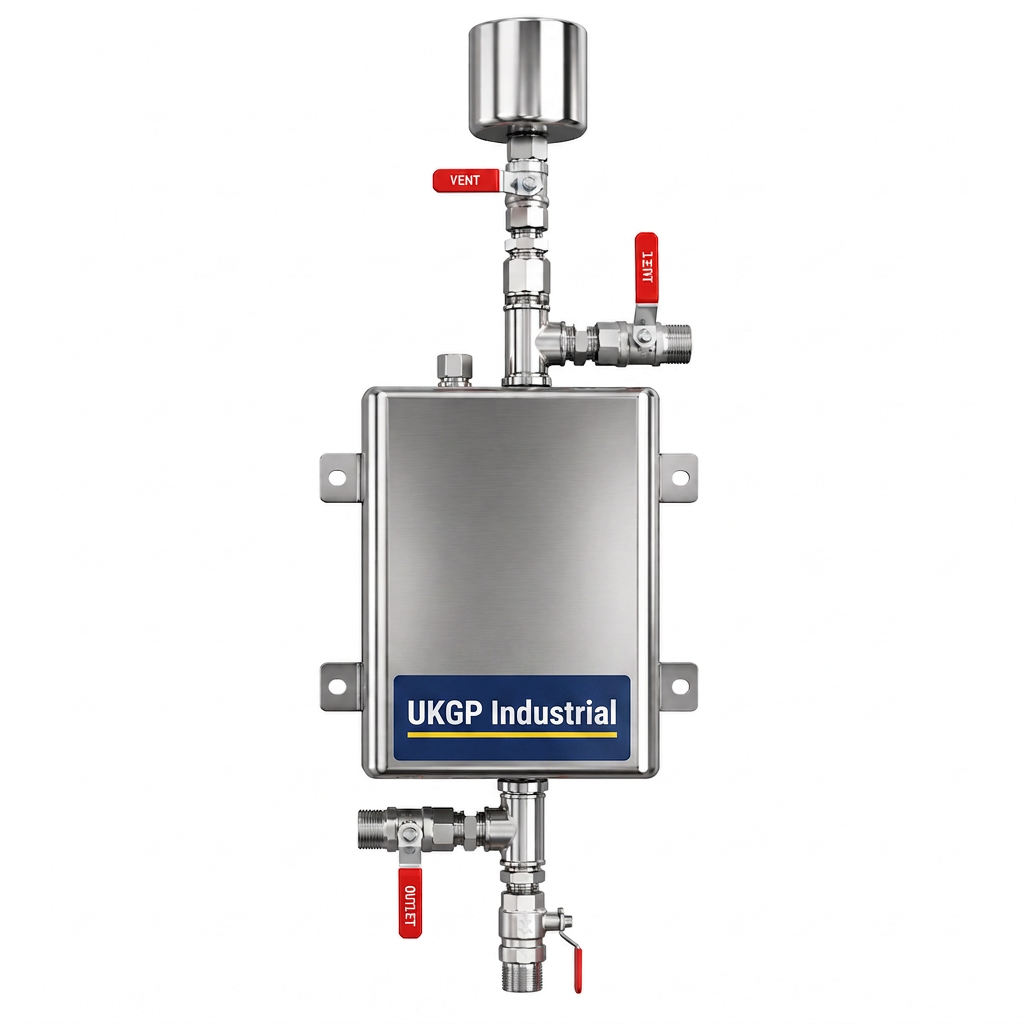
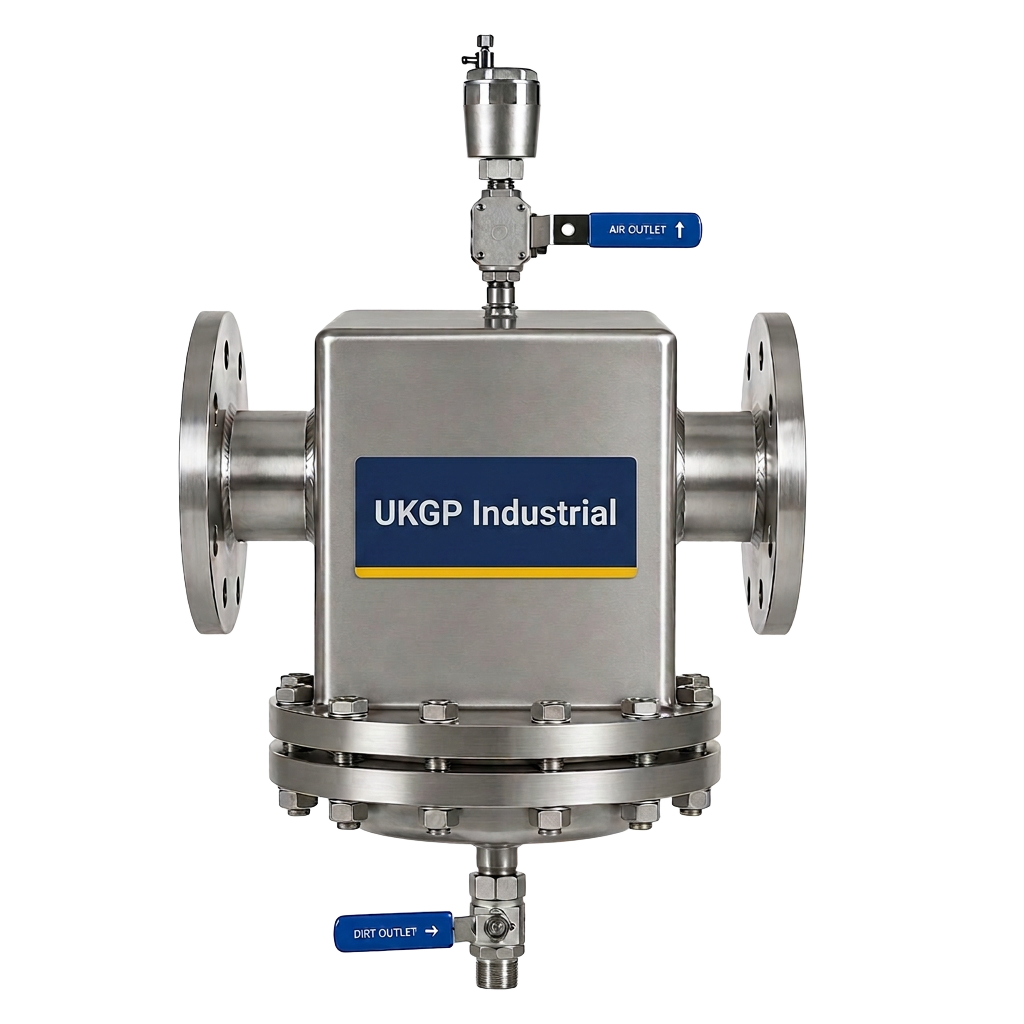
While an air oil separator for air compressor systems handles the pneumatic side, the hydronic side requires equally robust protection to ensure system longevity. In any closed-loop heating or cooling circuit, the presence of entrained air and micro-bubbles can lead to oxidative corrosion and the formation of magnetite. UKGP air and dirt separators are engineered to address these issues by combining high-efficiency coalescing media with a powerful magnetic catch. These units, available in sizes from DN25 to DN300, are flanged to PN10/16 standards and come complete with an isolation kit and a 2-year warranty to provide peace of mind for facility managers and installers.
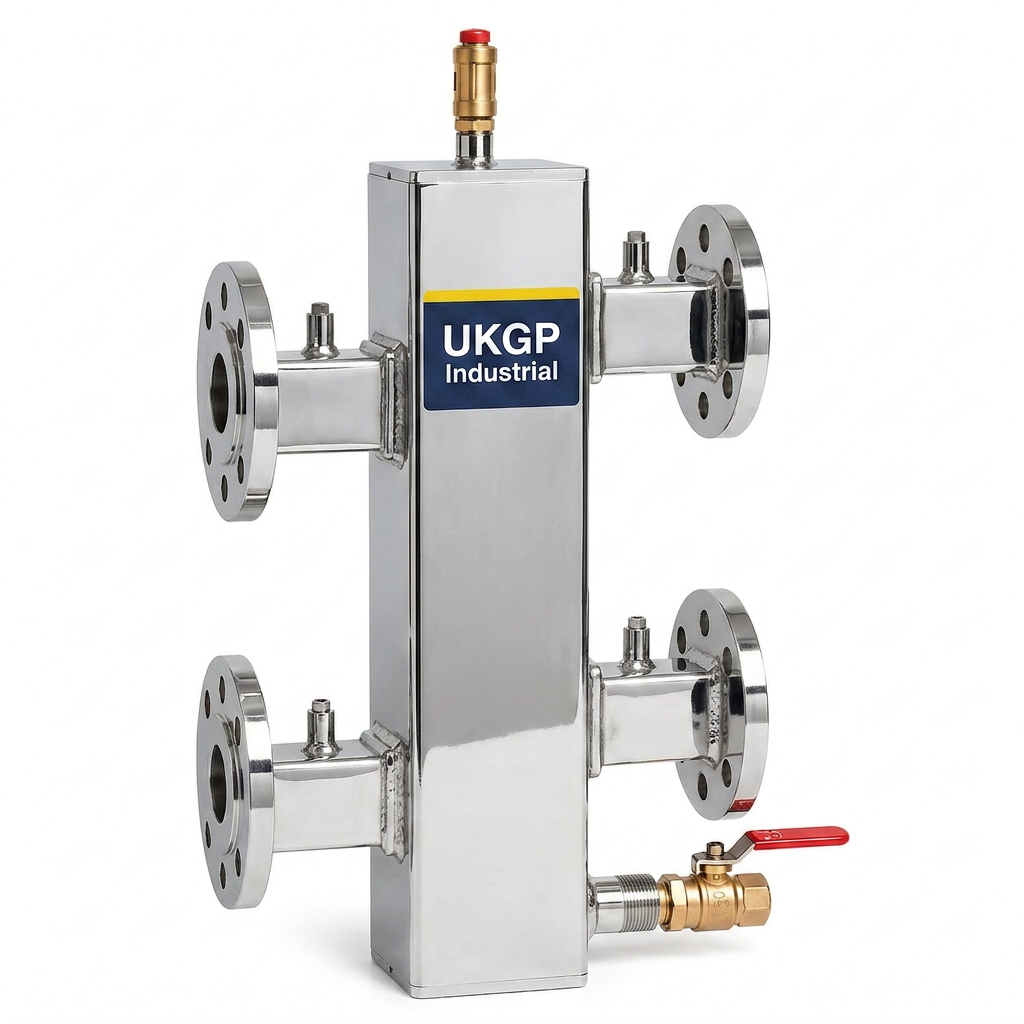
The synergy between clean compressed air and clean system water cannot be overstated. By using a combined air and dirt separator alongside a properly maintained air oil separator for air compressor units, engineers can significantly reduce the risk of erratic sensor readings in pH transmitters and prevent the clogging of low loss headers. This holistic approach to plant room maintenance is essential for meeting BS 8552 requirements for water quality monitoring. When these systems work in tandem, the likelihood of air locks, pump cavitation, and cold spots in the building's emitters is drastically reduced, leading to more stable internal climates and lower tenant complaints.
M&E contractors should look for separators that offer easy maintenance access to ensure the plant room continues to operate at peak performance. The UKGP combined unit features a blow-down valve for easy removal of collected debris without requiring a full system drain-down. This proactive approach to dirt management, coupled with the oil-free air provided by a high-performance separator, creates a resilient HVAC environment. Designers often specify these combined units at the point of lowest solubility in the system, typically on the flow pipe after the boiler or heat source, where micro-bubbles are most likely to form and be captured by the internal stainless steel coalescing mesh.
- Combined coalescing media and magnetic catch for superior debris removal.
- DN25 to DN300 flanged connections suitable for large commercial projects.
- Supplied with an isolation kit for simplified installation and maintenance.
- 2-year warranty as standard to ensure long-term reliability in the field.
- Proved to protect heat exchangers and dosing pots from silt accumulation.
Technical Selection Criteria for Industrial HVAC Compressors
Selecting the right air oil separator for air compressor installations involves several technical variables that must be aligned with the specific requirements of the UK building site. First, one must assess the maximum flow capacity (m3/min) against the compressor's output to ensure the separator can handle peak loads without excessive velocity. If the velocity is too high, the coalescing process is compromised, allowing oil to pass through into the HVAC control lines. Furthermore, temperature ratings are critical; many industrial compressors operate at elevated temperatures, so the separator media must be thermally stable to prevent structural breakdown over time.
The second consideration is the filtration grade. Depending on the sensitivity of the downstream components—such as specific types of ph sensor transmitters or precision actuators—an ultra-high efficiency air oil separator for air compressor use may be required. These units can often achieve oil carryover levels as low as 1-3 ppm. When purchasing, it is also vital to verify the pressure rating of the housing. Most UK plant rooms operate within PN10 or PN16 ranges, and sourcing a flanged separator that matches the existing pipework topology is essential for a leak-free and compliant installation that adheres to the Pressure Equipment Directive (PED).
Finally, the location of the separator within the plant room layout affects its performance. It should be placed where it is easily accessible for the 6-monthly or annual inspections recommended by most manufacturers. Utilizing an air oil separator for air compressor systems that features a standard replacement cartridge design can significantly reduce downtime during scheduled maintenance. For procurement leads, choosing a UK-based supplier like UKGP ensures that technical support and spare parts are readily available, reducing the risk of extended system outages. Always ensure the separator is fitted with a differential pressure gauge to visually monitor for clogging during routine HVAC walk-throughs.
- Align flow capacity with peak compressor output to prevent bypass.
- Ensure temperature and pressure ratings match the plant room's operational limits.
- Select filtration grades based on the sensitivity of downstream actuators.
- Prioritize units with accessible cartridge designs for faster servicing.
- Install differential pressure gauges for real-time monitoring of filter health.
Protecting Downstream Hydronic Components
While the air oil separator for air compressor units focuses on the pneumatic controls, the impact of air and dirt on the wider hydronic system is equally significant. Plate heat exchangers, in particular, are susceptible to efficiency losses if the system water is not properly filtered and degassed. Fine particles of magnetite can plate out onto the thin corrugated plates, creating a thermal barrier and increasing the pressure drop across the exchanger. By integrating high-quality air and dirt separators from the UKGP range, you ensure that the high-velocity turbulent flow within the heat exchanger remains free of abrasive particles and insulating gas bubbles.
In addition to heat exchangers, expansion bellows and dosing pots are sensitive to the quality of the circulating fluid. Debris in the system can settle in the convolutions of expansion bellows, leading to premature fatigue and potential catastrophic failure. Similarly, if oil or air is present in the dosing pot during the introduction of corrosion inhibitors, it can affect the chemical's ability to coat the metal surfaces effectively. Implementing an air oil separator for air compressor systems on the pneumatic side and a combined magnetic separator on the water side ensures that both the controls and the primary fluid circuits are operating at peak design levels.
Consultants should specify that all protection components, from the air oil separator for air compressor setups to the low loss headers, are compatible with the system's operating chemistry. Neglecting air and dirt removal can lead to a breach of warranty for major commercial boiler and heat pump OEMs. By adhering to the cleaning and flushing protocols in BSRIA BG29, and maintaining those standards with UKGP's robust separation technology, contractors can hand over a project with the confidence that it will perform efficiently for its intended design life, with minimal risk of air-related noise or blockages.
- Plate heat exchangers remain efficient without magnetite fouling.
- Expansion bellows are protected from sediment accumulation in convolutions.
- Chemical dosing pots function more effectively in de-aerated water.
- Reduces the risk of pump failure due to cavitation and air lock.
- Ensures long-term performance of low loss headers in commercial circuits.
Compliance and Standards for HVAC Plant Rooms
In the UK, the design and maintenance of HVAC plant rooms are governed by several key standards that emphasize the removal of contaminants. BS EN 14917 and other relevant mechanical standards highlight the importance of protecting pressurized systems from avoidable wear. An air oil separator for air compressor units plays a vital role in this by ensuring that compressed air used for system pressurization or valve actuation is of the highest quality. This dovetails with the BS 8552 standard, which provides a framework for water sampling and analysis, underscoring the need for clean systems to achieve accurate and repeatable sensor data throughout the building's lifecycle.
Adhering to BSRIA BG50 is also paramount for facility managers. This guide focuses on the prevention of corrosion and scale in treated water systems, noting that air and dirt are the primary catalysts for internal degradation. By utilizing a UKGP air and dirt separator with a magnetic catch, engineers can remove the metallic debris that often bypasses traditional strainers. When this is supported by an air oil separator for air compressor systems, the entire control and delivery infrastructure is shielded. This multi-layered defense strategy is the hallmark of a professionally designed commercial heating or cooling system, minimizing the 'reactive maintenance' burden on the FM team.
Commercial M&E contractors must also consider the insurance implications of system contamination. Failure to install adequate separation equipment can lead to rejected claims if a major component, such as a large-scale heat exchanger or boiler, fails due to sludge or air-related issues. Specifying UKGP equipment—rated for PN10/16 and featuring DN25-DN300 flanged connections—ensures that the installation meets the rigorous standards of modern insurance underwriters and UK building regulations. These robust mechanical solutions provide a physical barrier against the operational risks that could otherwise lead to significant financial and reputational losses for the contractor and end-user.
- Ensures compliance with BSRIA BG50 for corrosion prevention.
- Supports BS 8552 requirements for system water quality monitoring.
- Meets the hardware specifications for PN10/16 commercial installations.
- Protect against warranty disputes with leading HVAC equipment manufacturers.
- Reduces the operational risk profile for building insurance purposes.
Practical Installation Tips for Separation Equipment
Successful implementation of an air oil separator for air compressor applications starts with correct positioning. It should be installed in a vertical orientation, ideally after the receiver tank where the air has had a chance to cool slightly, allowing for better coalescence. For the hydronic air and dirt separators, the golden rule is to install them on the flow pipe, where the water temperature is highest and the pressure is lowest. This is the point where air is most likely to be released from the solution. UKGP units are designed with ease of installation in mind, featuring standard flanged connections that align with common UK pipework schedules.
Maintenance is the secondary pillar of plant room reliability. Every air oil separator for air compressor unit should be checked for oil saturation levels as part of the quarterly HVAC health check. If the differential pressure exceeds 0.5 bar, the internal media is likely blinded and requires replacement to maintain efficiency. Similarly, the magnetic catch on the UKGP dirt separator should be flushed regularly. The included isolation kit allows this to be done without shutting down the entire building's heating system, making it an ideal choice for 24/7 facilities like hospitals or data centers where downtime is not an option.
Finally, always ensure that the drainage from an air oil separator for air compressor is handled in accordance with local environmental regulations. Collected oil must be disposed of correctly and not simply piped into the master drain. For the water-side dirt separator, the blow-down process is quick; simply open the valve at the bottom of the unit to expel collected magnetite and sludge into a bucket or drain. By following these simple practical steps and choosing high-quality UKGP components, engineers can ensure their plant rooms remain a model of efficiency and standard-compliant operation for years to come. Contact our technical team today for a bespoke quote on your next project.
- Install at high-temperature, low-pressure points for optimal de-aeration.
- Use flanged PN16 connections for a secure, professional finish.
- Regularly check differential pressure on air-side separators.
- Utilise isolation kits for maintenance without system shutdown.
- Ensure environmental compliance for all oil and sludge disposal.
Frequently asked questions
Why is an air oil separator for air compressor use necessary in an HVAC plant room?
- It prevents lubricating oil from the compressor from entering the pneumatic control lines, which can damage valve seals, clog sensors, and reduce the heat transfer efficiency of air-side equipment.
How often should I replace the media in an air oil separator for air compressor?
- Typically, the media should be replaced every 4,000 to 8,000 hours of operation or whenever the differential pressure exceeds 0.5 bar, depending on the environment and compressor type.
Can UKGP air and dirt separators be used in high-pressure systems?
- Yes, our range is available with PN10 and PN16 flanged connections, making them suitable for the majority of commercial and industrial HVAC applications in the UK.
Do UKGP air and dirt separators include magnets?
- Yes, our combined units feature both a high-efficiency coalescing media and a powerful magnetic catch to remove both air bubbles and magnetic dirt particles like magnetite.
What sizes are available for the UKGP combined air and dirt separator?
- We supply units from DN25 for smaller bypass lines up to DN300 for major commercial headers, ensuring we can support projects of any scale.