The Mechanics of Air Separation
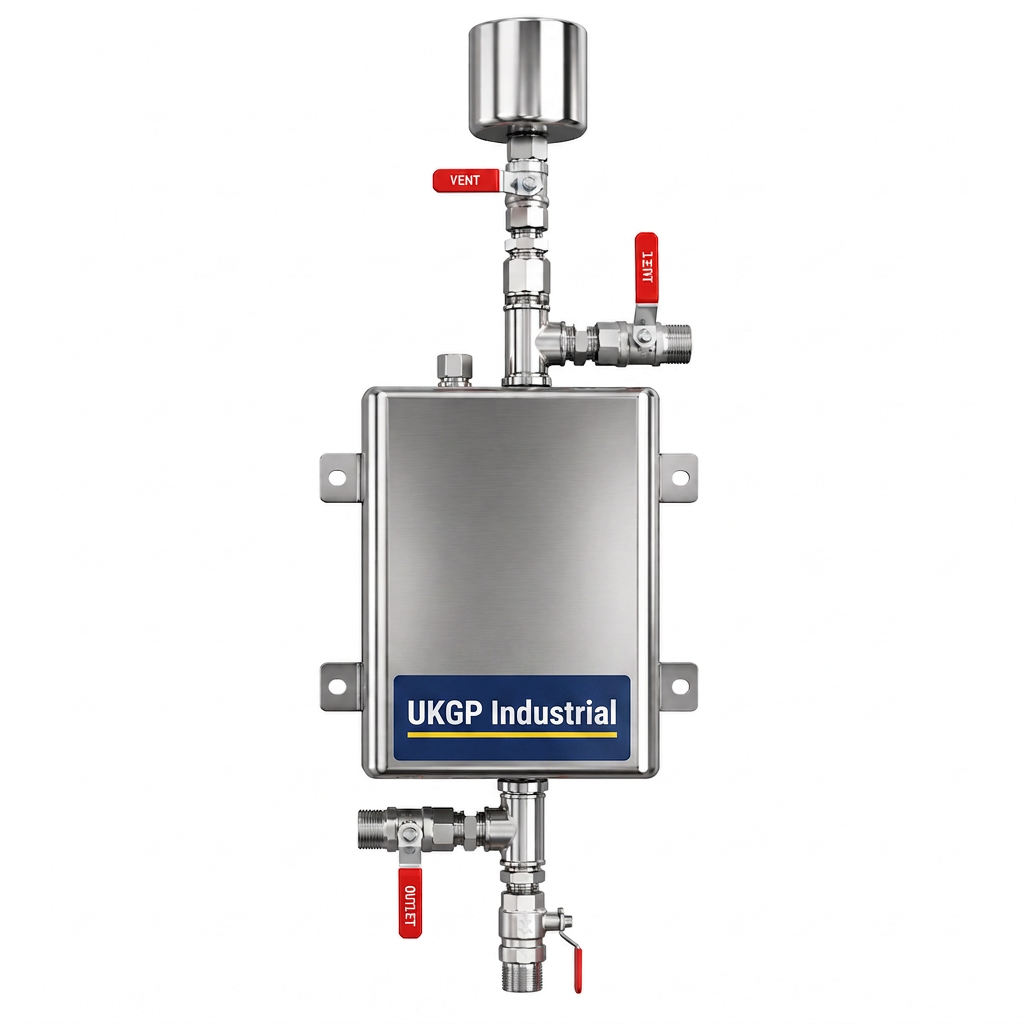
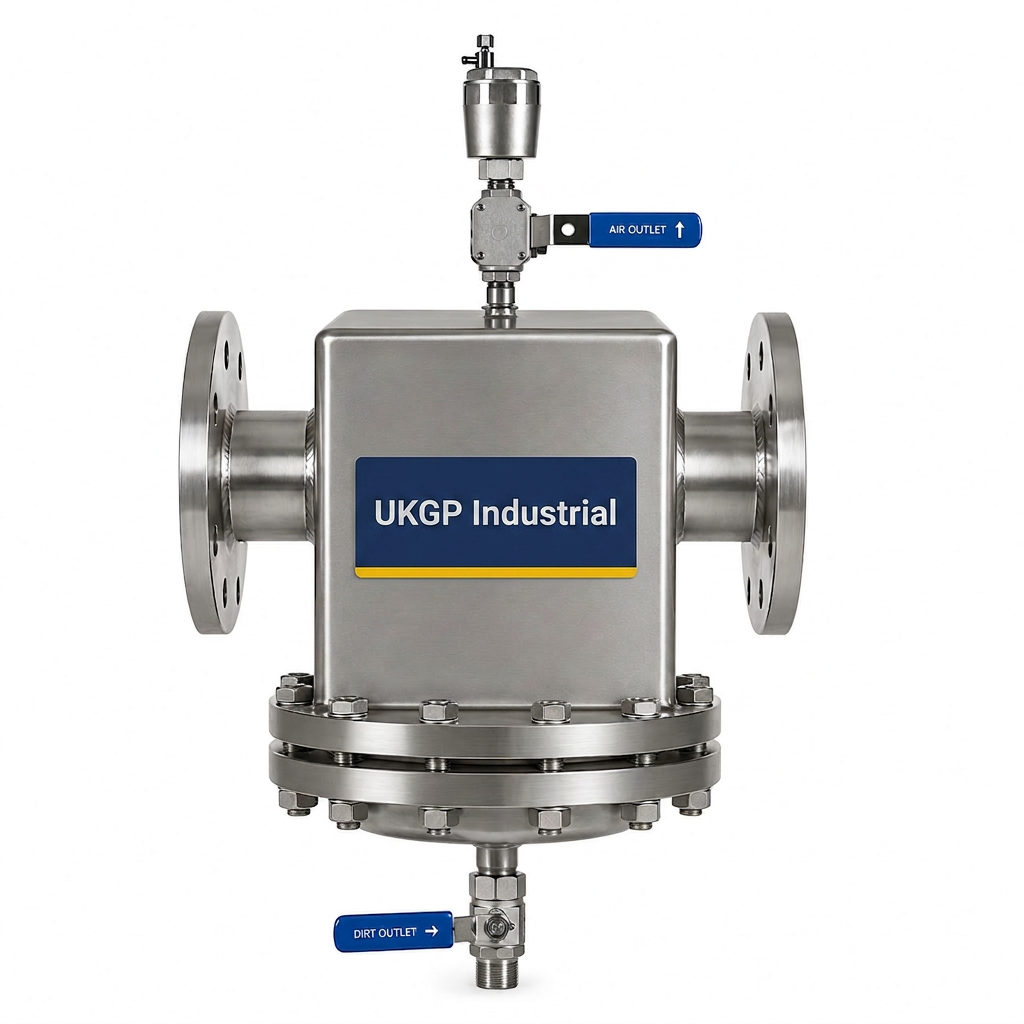
Air in a closed-loop system exists in three forms: trapped air (at high points), entrained bubbles, and dissolved gases. While automatic air vents (AAVs) handle trapped air, they are ineffective against microbubbles. An air separator works on the principle of coalescence. As system water passes through the unit's internal diffuser or pall ring array, the velocity is reduced, and the resulting turbulence causes microbubbles to collide and fuse into larger bubbles.
These larger bubbles gain sufficient buoyancy to rise into the air chamber, where they are vented via an integral float mechanism. Removing these gases is vital for preventing oxidative corrosion and ensuring pump impellers do not suffer from cavitation. Under CIBSE guidelines, effective deaeration is a prerequisite for maintaining the design Delta-T, as air pockets in heat exchangers significantly increase thermal resistance.
- Henry’s Law: The solubility of gas in water is proportional to pressure and inversely proportional to temperature.
- Microbubble formation: Gases released during heating that cannot be captured by standard AAVs.
- Internal Media: Stainless steel pall rings or wire mesh lattices designed to create a 'quiet zone'.
Frequently asked questions
Does a dirt separator replace the need for side-stream filtration?
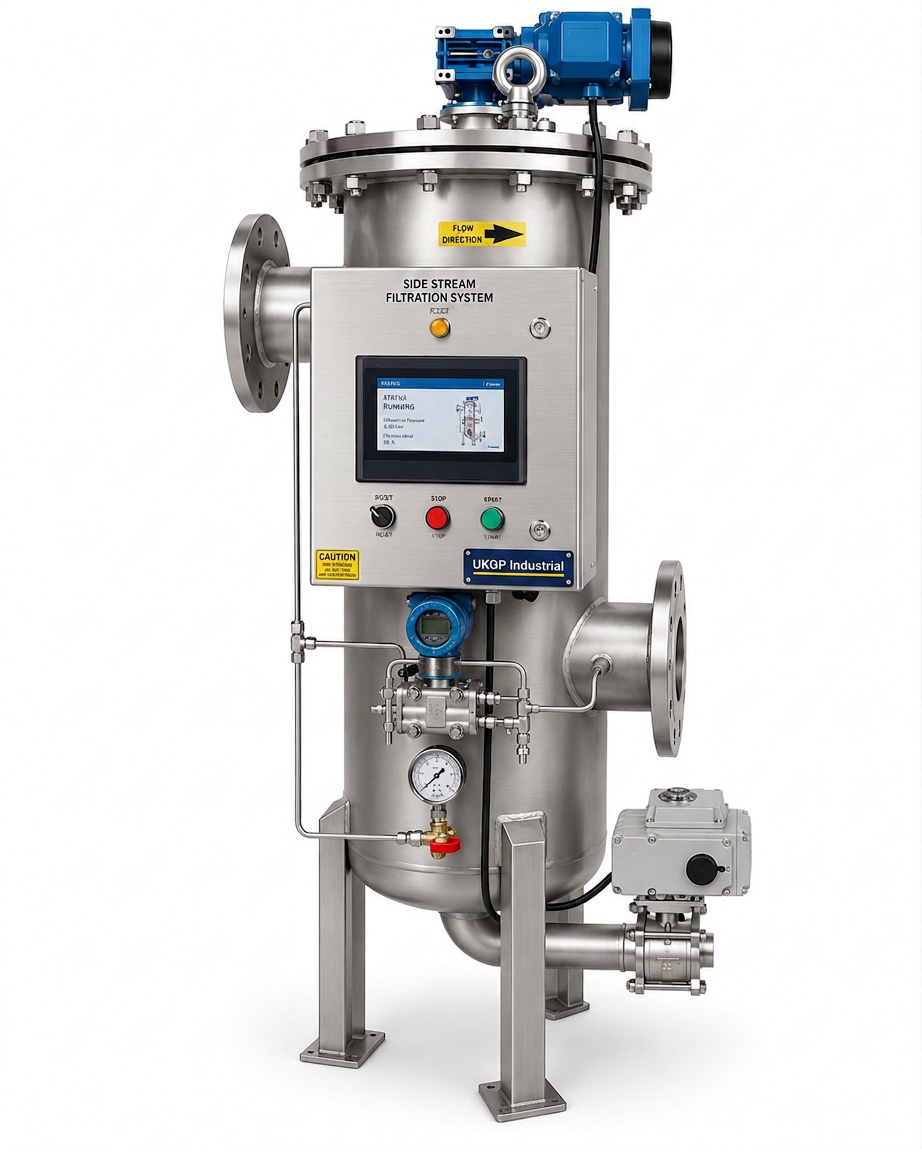
- BSRIA BG29/21 specifies that inline dirt separators are essential for primary circuit protection, though for larger systems or those with high debris levels, side-stream filtration is recommended to provide sub-micron cleaning that standard separators cannot achieve.
Where is the optimum location for an air separator?
- Air separators should be installed at the point of lowest solubility—typically the hottest point in an LTHW system (flow) and the coolest point in a CHW system. They must be on the suction side of the pump to prevent low pressure from drawing air back into the system.
Can I use an air separator to remove dirt?
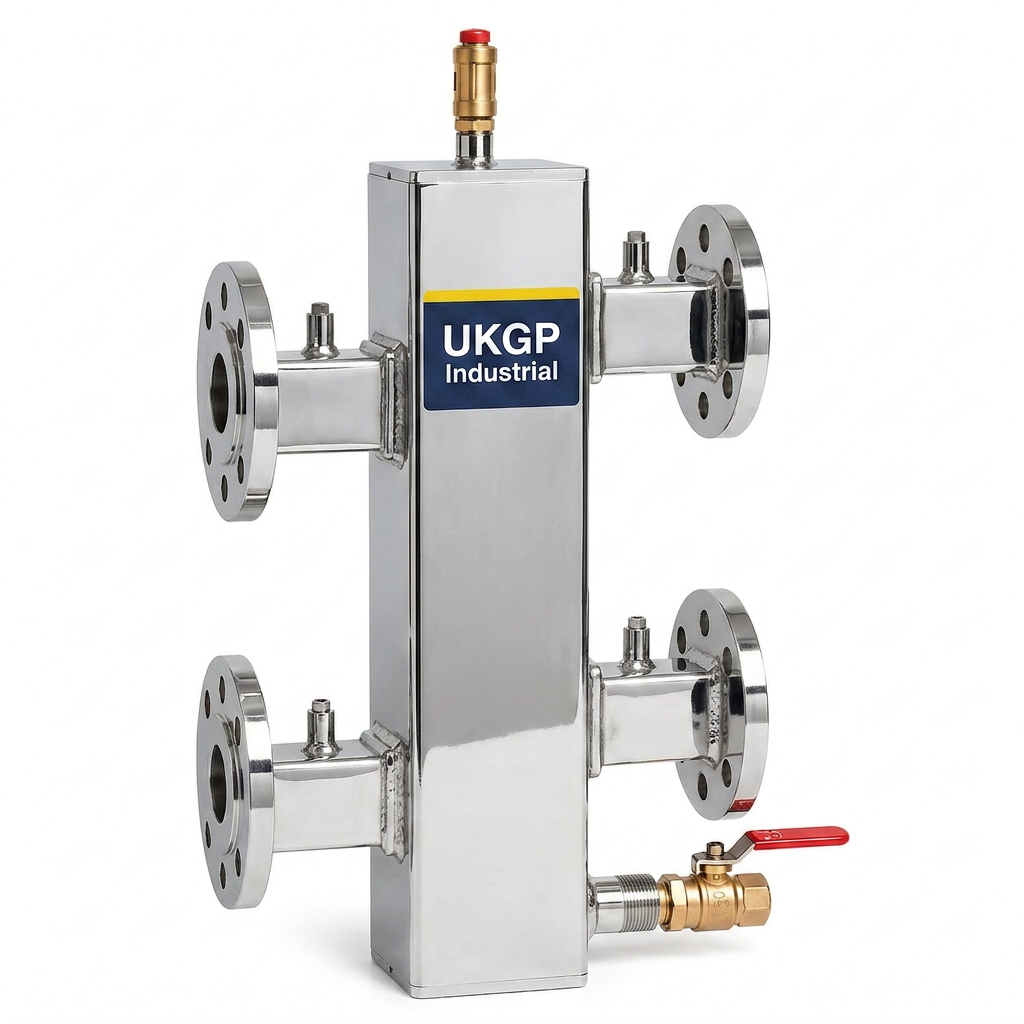
- While both use similar visual housings, the internal geometry differs. Air separators use pall rings or wire mesh to disrupt flow and release microbubbles, whereas dirt separators use sedimentation chambers and often neodymium magnets to catch magnetite. A combined unit is usually the most efficient use of plant-room space.
How often should a dirt separator be blown down?
- At a minimum, during annual maintenance. However, in new builds or systems with known corrosion issues, monthly blow-downs are recommended until the water chemistry stabilises as per BG50 guidelines.