The significance of DP in system health
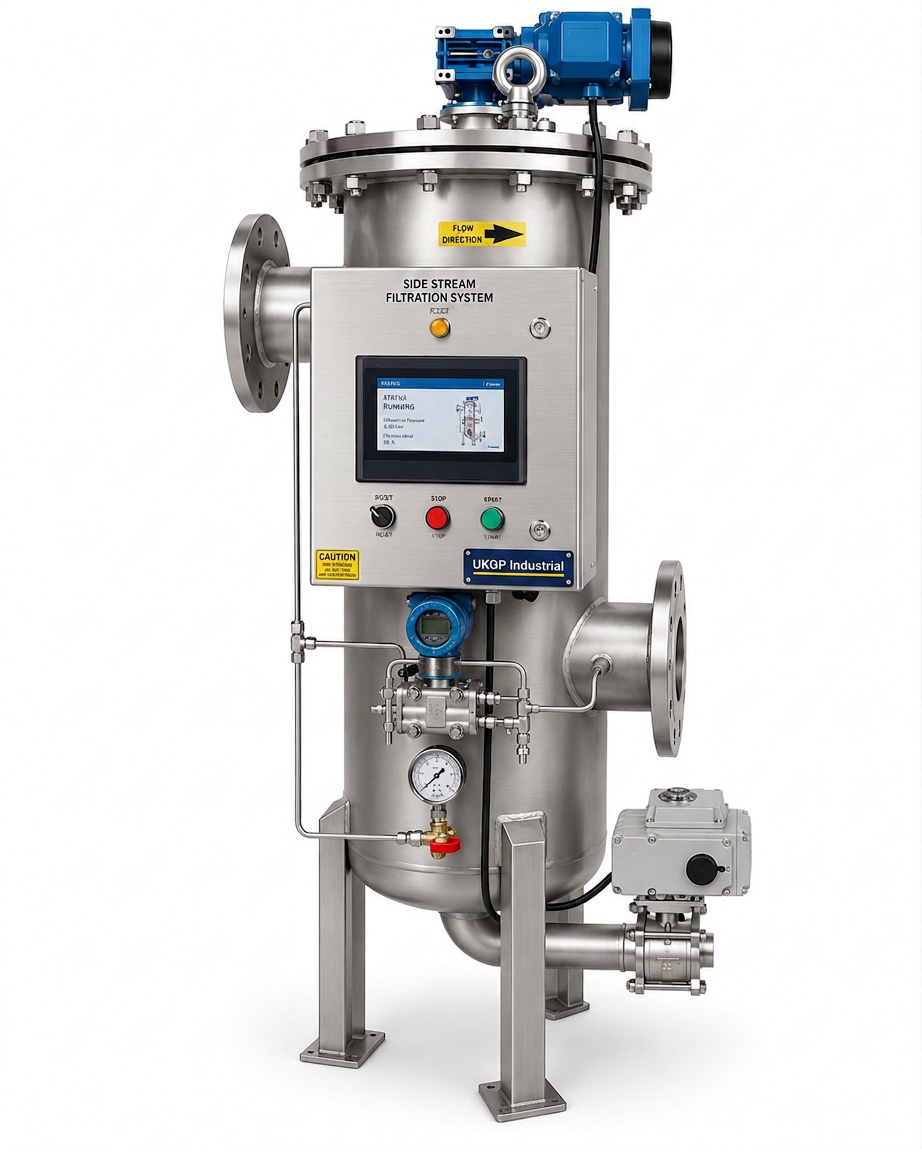
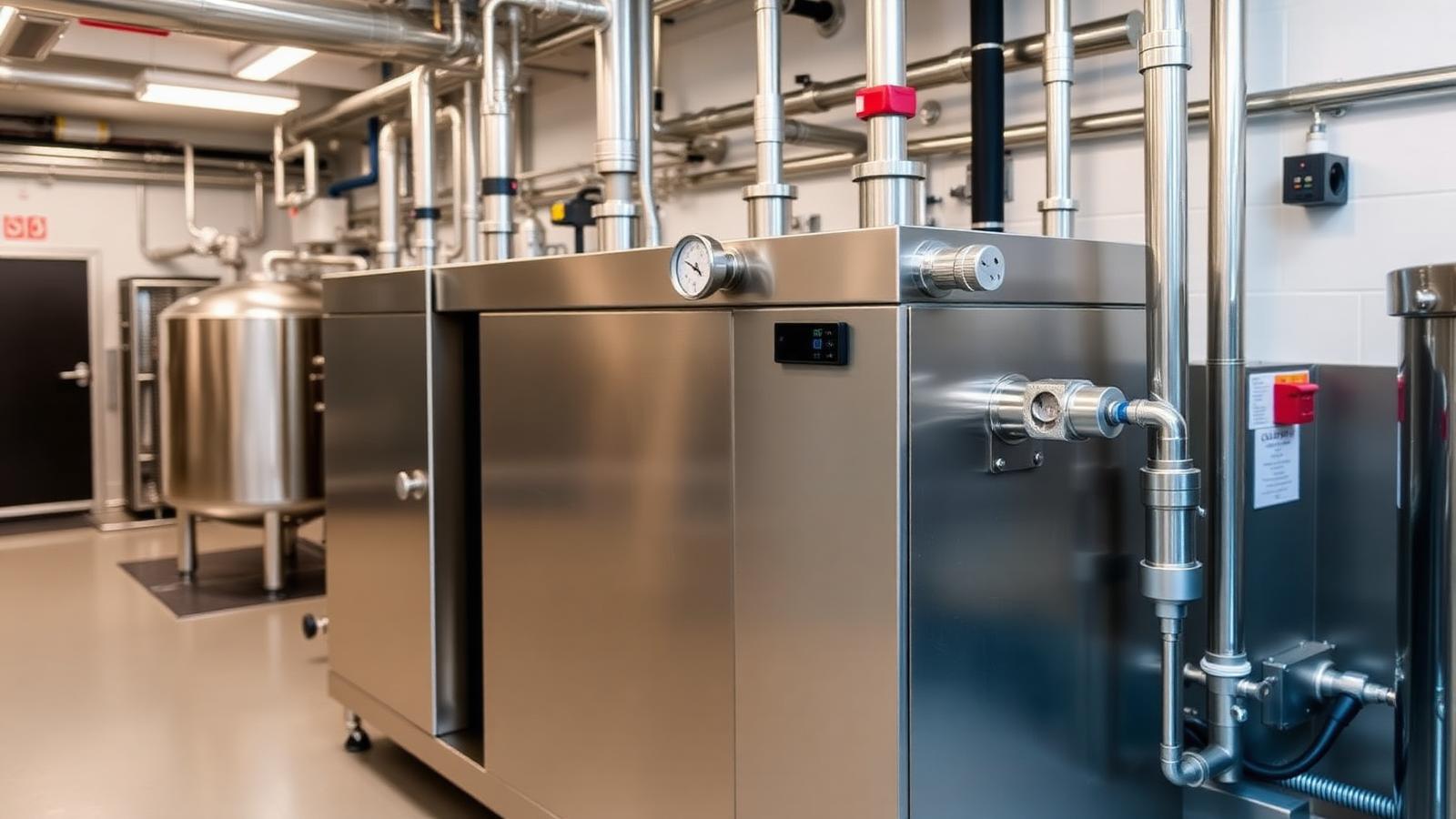
Differential pressure serves as the primary diagnostic metric for side stream filtration effectiveness. In a standard UKGP side stream filtration skid, the DP gauge measures the resistance encountered by the fluid as it passes through the filter media—typically a bag, cartridge, or sand bed. A rising DP indicates that the media is successfully capturing suspended solids, but it is the rate of this rise that requires careful monitoring. Under BSRIA BG29/21 guidelines, maintaining low levels of suspended solids is critical to preventing erosion-corrosion and ensuring the longevity of control valves and heat exchangers.
Abnormal DP readings are rarely isolated issues; they are usually symptoms of broader systemic problems. For instance, a DP that fails to increase suggests that fluid is bypassing the media entirely, either through a damaged seal or an incorrectly set bypass valve. Conversely, a DP that reaches its limit too quickly indicates a high TSS (Total Suspended Solids) load that may exceed the current filtration grade’s capacity. Engineers must distinguish between 'normal loading' and 'premature blinding' to avoid excessive maintenance costs.
- Verify the DP switch set-point matches the filter media rating.
- Inspect the inlet and outlet isolation valves for full bore operation.
- Check the pump rotation; reverse rotation can cause turbulent flow and erratic DP readings.
- Ensure the bypass valve (if fitted) is not creating a short circuit.
Common causes of premature filter blinding
One of the most frequent causes of rapid DP increase is an inappropriate micron rating for the system’s current lifecycle stage. During initial clean-up (pre-commissioning cleaning), a 50-micron bag may block within hours. Transitioning to a finer 5-micron media should only occur once the bulk of the larger debris has been removed. If a 1-5 micron filter is installed too early, the surface area will blind instantly, triggering the DP alarm and potentially starving the circulation pump.
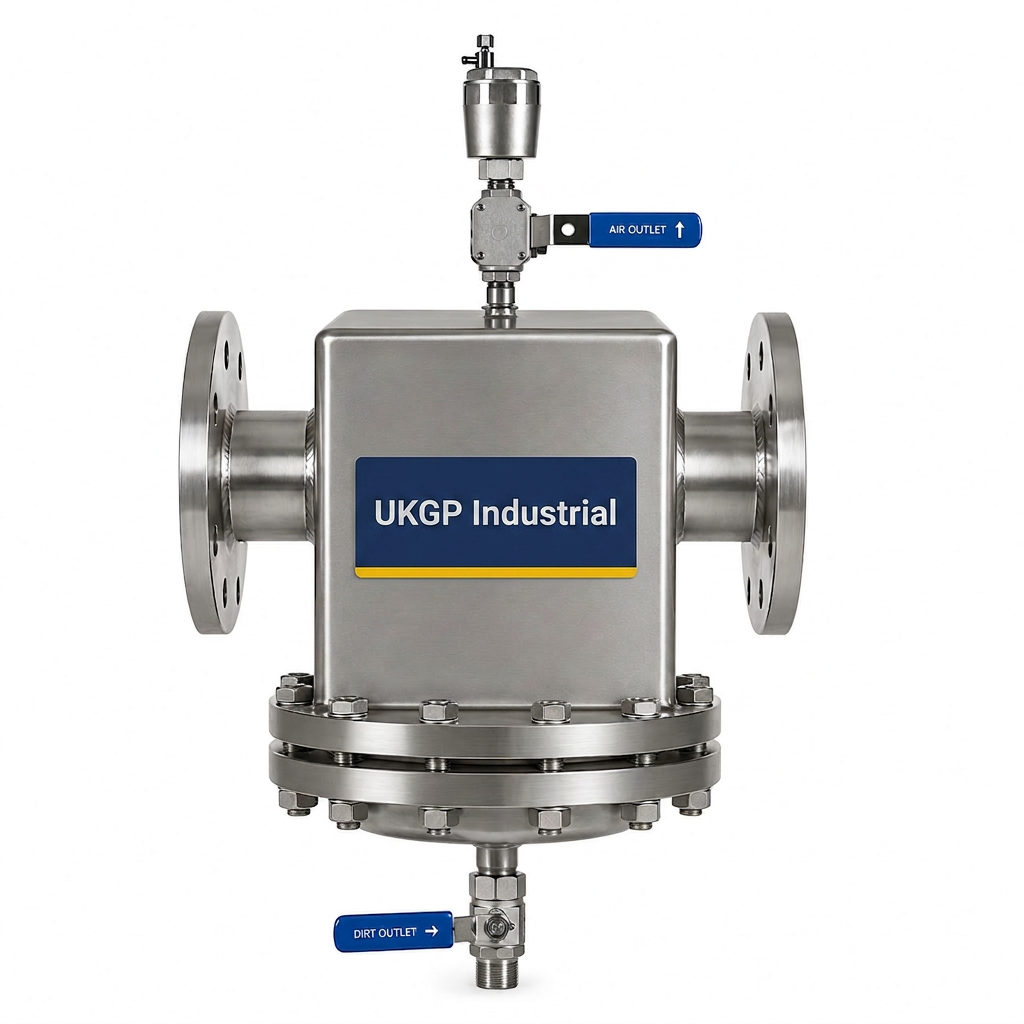
Another factor often overlooked is the chemistry of the system water. High DP can be caused by biological activity or the presence of 'sludge' rather than hard particles. If the water appears 'inky' or has a high turbidity despite filtration, the side stream unit may be battling a continuous influx of iron oxide (magnetite) being sloughed off pipe walls. In such cases, the filtration unit is working correctly, but the system's chemical inhibition or de-aeration strategy—perhaps requiring a UKGP air & dirt separator—is failing to prevent the formation of new solids.
Hydraulic imbalances and sensor errors
Not all high DP readings are caused by dirt. Hydraulic issues within the skid can simulate a block. If the filtration pump is oversized for the vessel capacity, the initial 'clean' DP will be high, leaving little headroom for dirt loading. It is essential to verify that the flow rate through the skid aligns with the manufacturer’s curve. For example, if the design flow should be 5 m³/h but the pump is pushing 8 m³/h, the resulting velocity through the media will create a high DP regardless of how clean the water is.
Sensors themselves are prone to failure, particularly in harsh plant-room environments. Diaphragm-style DP switches can become sluggish over time, or the fine capillary tubes connecting the gauge to the inlet/outlet headers can become blocked by the very debris they are meant to monitor. Always verify a digital DP reading with a manual mechanical gauge before initiating a full media change-out or system shutdown.
- Check the DP gauge or transducer for physical damage or calibration drift.
- Ensure air is vented from the filter housing; trapped air creates false resistance.
- Inspect the transducer sensing lines for blockages or 'pinching'.
Interactions with chemical dosing and heat transfer
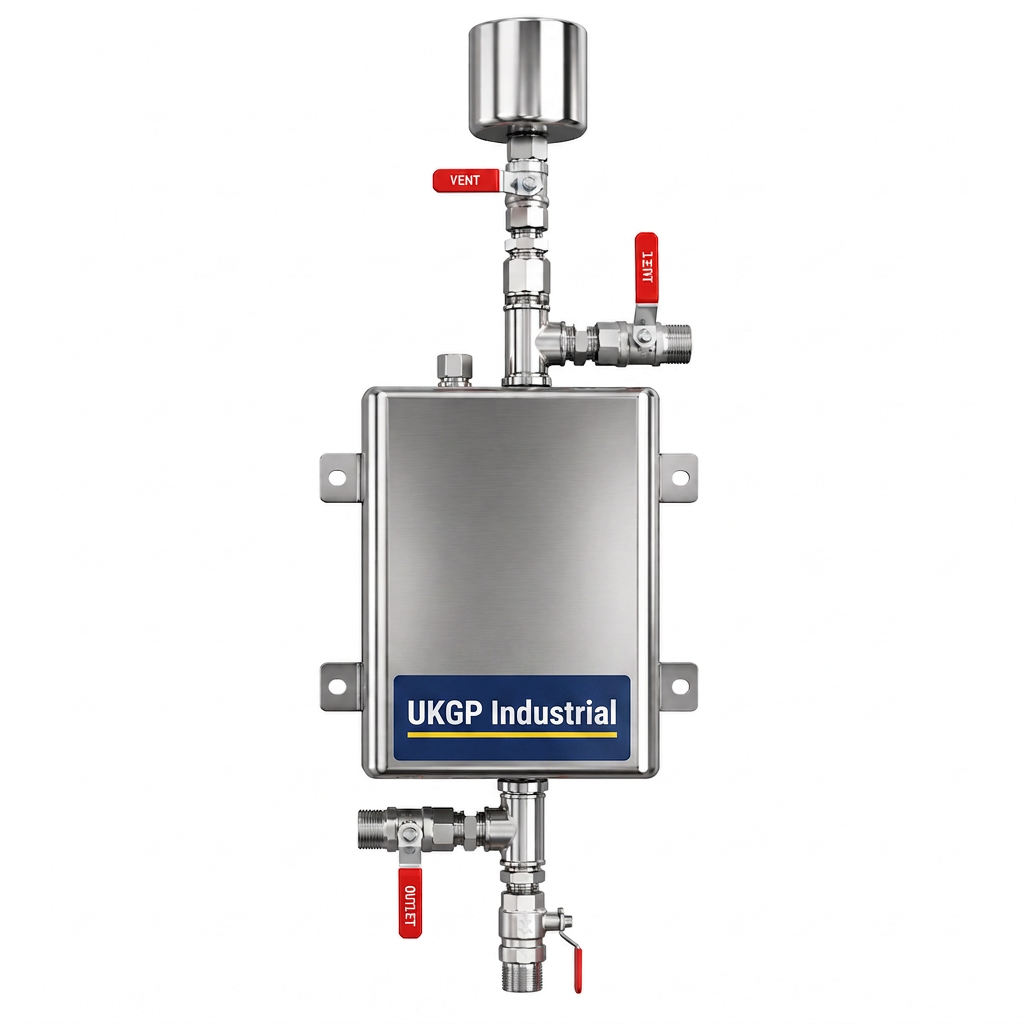
The relationship between chemical dosing and filtration DP is symbiotic. When a UKGP chemical dosing pot is used to introduce biocides or dispersants, these chemicals often dislodge scale and biofilm from the internal surfaces of the pipework. This 'shock' loading frequently leads to an immediate spike in DP at the side stream unit. While this is a sign that the chemicals are effective, it requires the site FM to be prepared for frequent filter changes in the 48-72 hours following treatment.
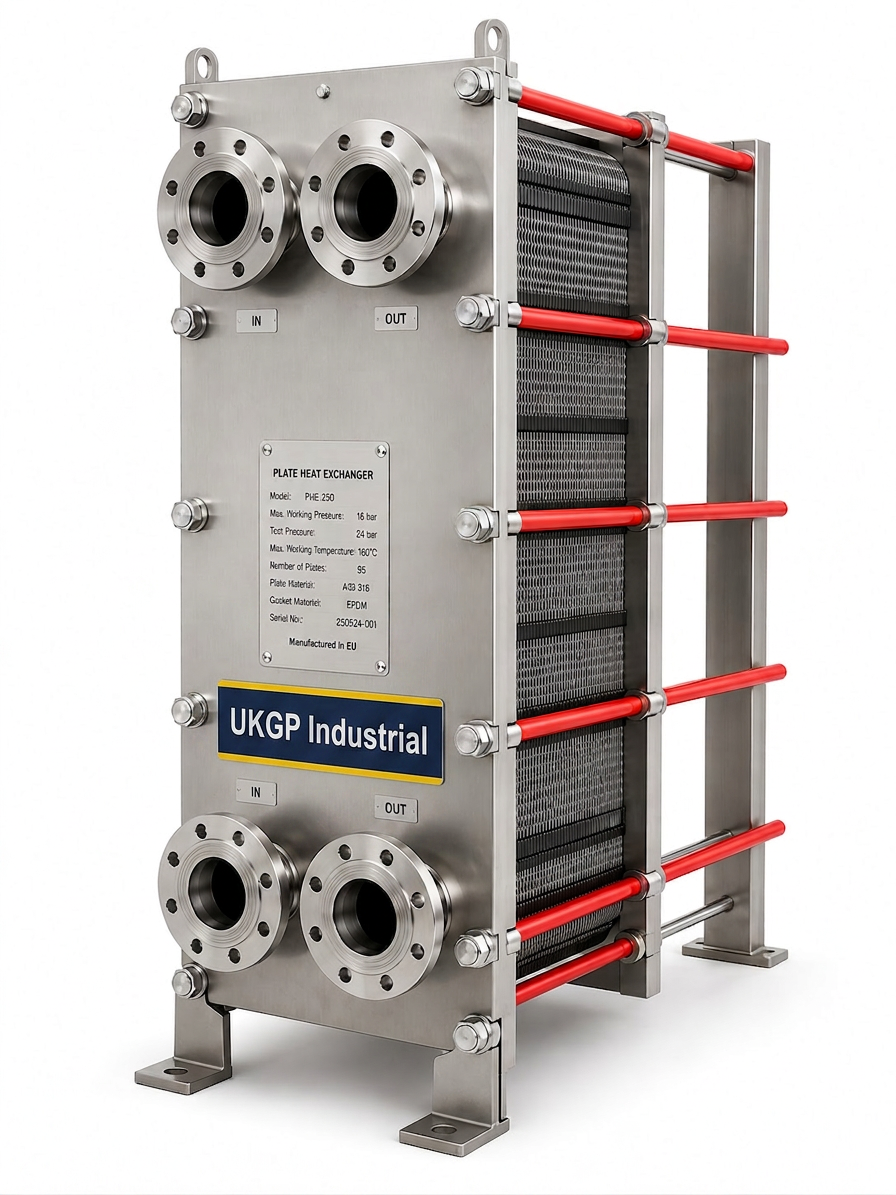
Unresolved filtration issues have a direct impact on heat transfer efficiency. If the DP remains high and the side stream unit is bypassed, suspended solids will eventually settle in low-velocity areas or plate heat exchangers. A UKGP plate heat exchanger, while highly efficient, has narrow flow channels that are easily fouled by the same fine particles that the side stream filter is designed to catch. Therefore, troubleshoot DP issues promptly to avoid the secondary cost of heat exchanger descaling or chemical flushing.
Best practices for DP management and maintenance
Effective troubleshooting of side stream filtration DP requires a proactive maintenance log. By recording the 'clean' DP and the 'dirty' DP over several cycles, engineers can predict the lifespan of the filter media and schedule changes before the system goes into alarm. If the time between changes is shortening, it is a signal to investigate the system’s corrosion rates or check for fresh water ingress, which introduces oxygen and fuels the corrosion cycle.
Finally, always ensure that the internal support components of the filtration vessel are in good condition. A misshapen filter bag basket or a perished O-ring can allow fluid to bypass the media, leading to a 'false low' DP reading. Conversely, a basket that is itself coated in scale or biofilm will contribute to a 'false high' DP. Following the guidance in BG50 for water treatment for closed heating and cooling systems will ensure that the side stream filtration unit remains an effective component of the building’s infrastructure.
- Weekly logging of DP readings to identify trends.
- Quarterly inspection of internal baskets and seals.
- Annual calibration of DP transducers and alarms.
- Maintaining a stock of varied micron-rated bags (5, 10, 25, 50).
Frequently asked questions
What is the recommended flow rate for side stream filtration? Louder?
- BSRIA BG29/21 recommends that side stream filtration should treat 5-15% of the total system volume per hour. If the DP rise is too rapid, the turnover rate may be insufficient for the system's contamination load.
Can a sudden DP spike indicate anything other than a blocked filter?
- While some DP increase is normal as the media loads, a sudden spike often indicates a system upset, such as a pump failure elsewhere causing a surge of debris, or 'slug' dosing of chemicals dislodging old deposits.
At what pressure drop should a filter bag be changed?
- Filter bags should typically be replaced when the differential pressure reaches 0.8 to 1.0 bar above the 'clean' starting pressure, or as specified by the manufacturer's vessel rating.
Is it possible to have a high DP reading with a clean filter?
- Yes. If the DP remains high after a media change, check for 'blinding' of the support basket or debris lodged in the DP switch capillary tubes. In centrifugal systems, ensure the bleed-off valve is not blocked.