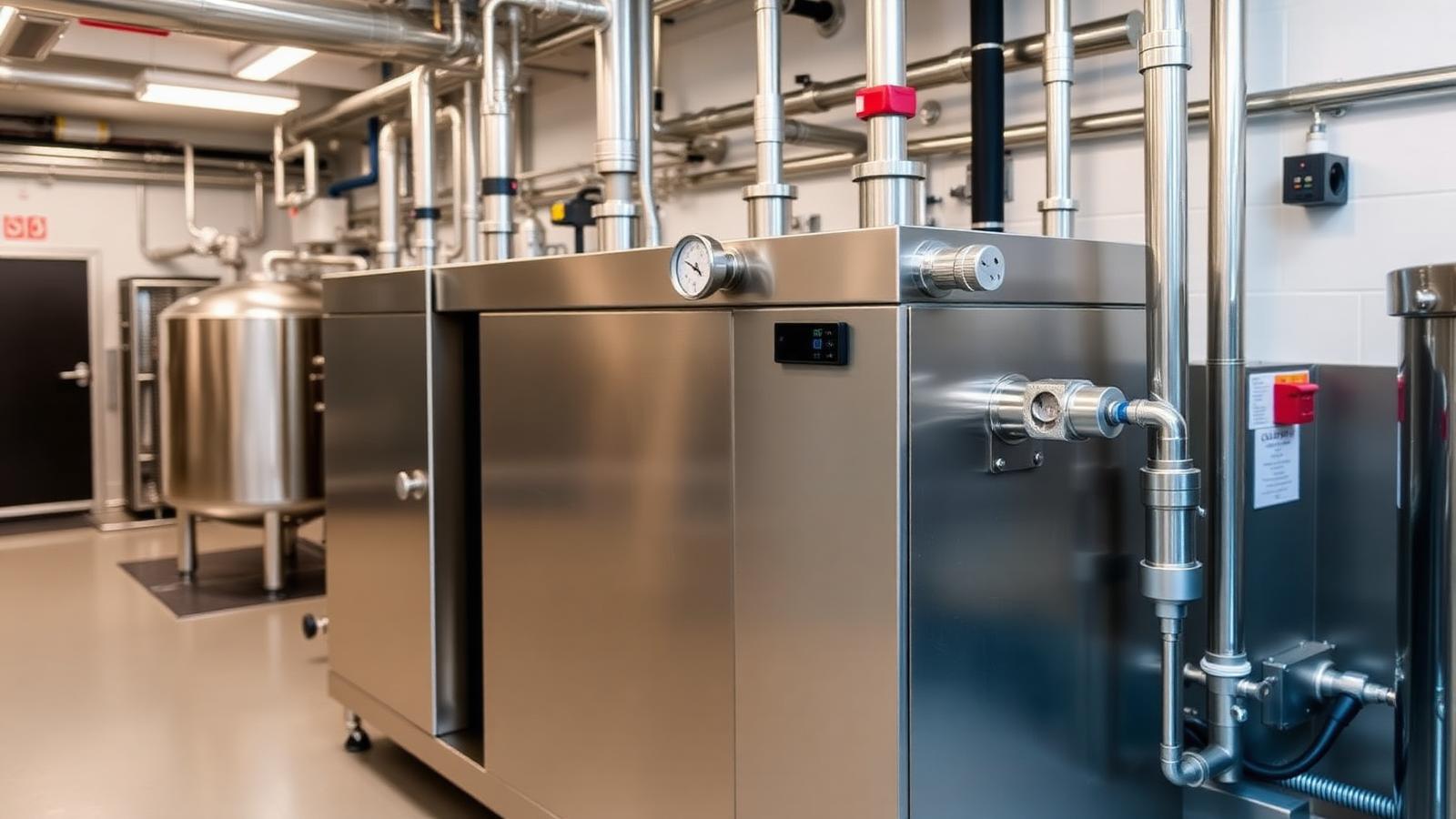
The Fundamentals of Side Stream Operation
Unlike full-flow filtration, which attempts to filter 100% of the system water as it passes through the plant room, side stream filtration operates on a bypass principle. Typically, between 5% and 15% of the total circulating volume is diverted from the main return header, passed through a dedicated filtration unit, and then reintroduced into the system. This 'polishing' effect ensures that over any given 24-hour period, the entire system volume passes through the filter multiple times.
The primary advantage of this approach is hydraulic stability. Full-flow filters must be sized for the maximum system flow rate, leading to massive footprints, high pressure drops, and the potential for flow restriction as the filter blinds. Side stream units operate independently of the main pumps, often utilizing their own dedicated pump to maintain a constant flow across the filter media regardless of system demand or variable speed drive (VSD) fluctuations.
By focusing on the removal of suspended solids—predominantly magnetite, which forms as a byproduct of corrosion in carbon steel pipework—side stream filtration prevents the accumulation of sludge in low-velocity areas, such as terminal units and heat exchangers. This continuous cleaning cycle is essential for modern high-efficiency systems where narrow-bore waterways are easily blocked.
- Protection of high-efficiency heat exchangers and control valves.
- Compliance with BSRIA BG29/21 (Pre-commission cleaning) and BG50 (Water treatment for closed systems).
- Prevention of 'under-deposit' corrosion caused by settled debris.
- Reduction in chemical consumption and system flushing requirements.
Mechanical and Magnetic Capture Mechanisms
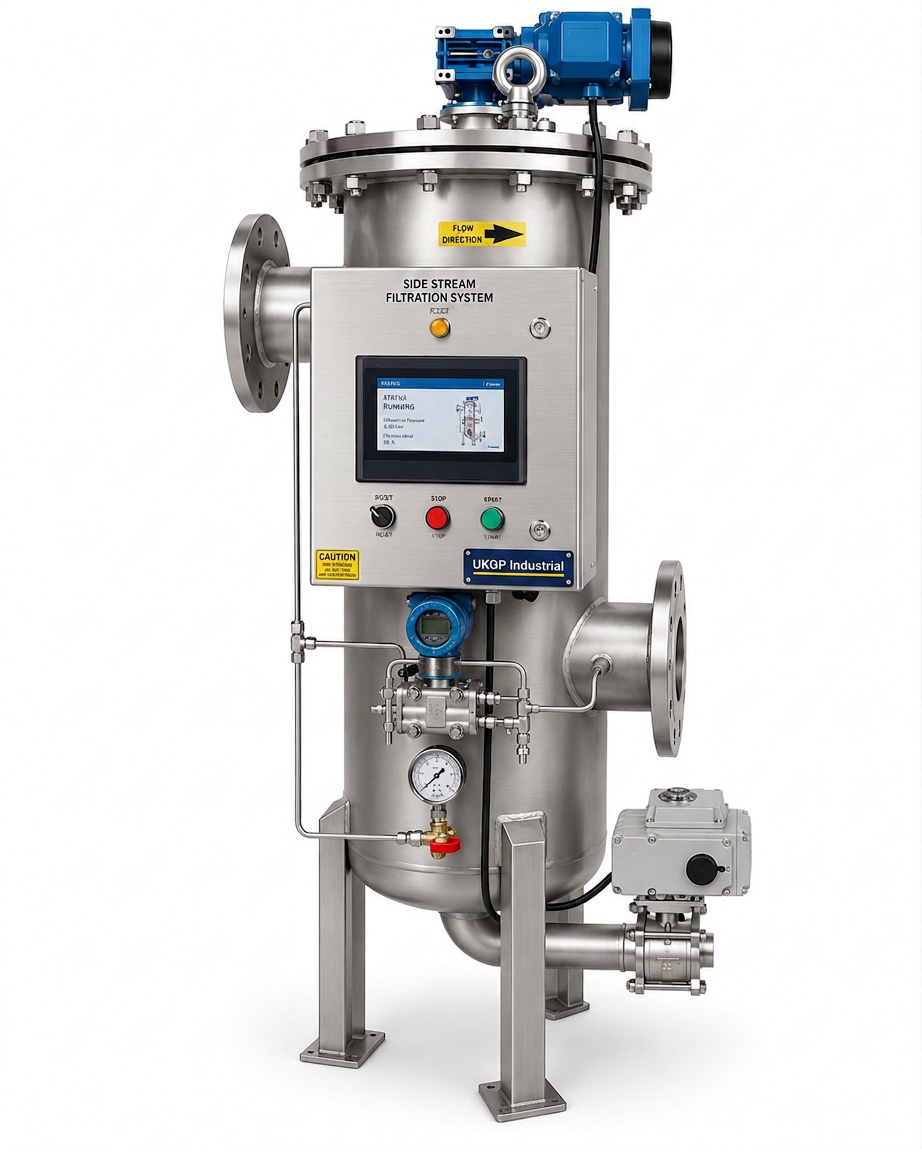
Effective filtration requires a multi-stage approach. The first stage in a high-quality UKGP side stream filtration skid involves mechanical media, usually a needle-felt bag or a pleated cartridge. These are rated by micron size; while a standard Y-strainer might stop 800-micron particles, a side stream unit typically targets 5 microns or smaller. This is critical because it is these microscopic 'fines' that settle in heat exchangers, forming an insulating layer that drastically reduces thermal efficiency.
The second, and perhaps most critical, stage for UK systems is magnetic separation. Magnetite (Fe3O4) is a heavy, black, magnetic iron oxide that accounts for the majority of sludge in closed-loop systems. By placing high-gauss neodymium magnets within the flow path, side stream units can capture these particles with nearly 100% efficiency in a single pass. Because magnetite is often smaller than 1 micron, mechanical filters alone struggle to trap it without blinding instantly.
The synergy between mechanical and magnetic filtration allows for a low-maintenance regime. The magnets pull the dense metallic loads out of the flow, while the mechanical media captures non-magnetic debris like scale, copper filings, and biological film. This dual-action approach ensures the water achieves the clarity required by BSRIA standards, measured by Nepholometric Turbidity Units (NTU).
- Collection of system water from the return header (lower temperature/pressure).
- Mechanical filtration via bag, cartridge, or sand media.
- Magnetic separation using high-intensity rare-earth magnets.
- Controlled re-injection into the system (often before the main pumps).
BSRIA Compliance and Industry Standards
In the UK building services sector, the governing documents for water quality are BSRIA BG29/21 (Pre-commission Cleaning) and BG50 (Water Treatment for Closed Systems). These standards emphasize that chemical treatment alone is insufficient if the physical water quality is poor. Suspended solids act as a catalyst for further corrosion and provide a 'shield' for bacteria such as Pseudomonas to thrive in.
BG50 specifically recommends the use of side stream filtration as a permanent fixture in modern HVAC systems. It highlights that even after a successful pre-commission flush, the system will continue to generate debris through 'flash' corrosion and micro-abrasion of pipe walls. A permanent side stream filter acts as an insurance policy, ensuring that the system remains at the 'clean' baseline established at handover.
Consultants should note that achieving an NTU level of less than 10—often the requirement for handover—is nearly impossible without continuous filtration. High suspended solids counts can also lead to the failure of energy meters and ultrasonic flow sensors, rendering building management system (BMS) data inaccurate. Integrating side stream units early in the design phase is therefore a requirement for long-term operational integrity.
Specifying the Correct Skid Configuration
When specifying a side stream unit, the flow rate is the primary variable. A common mistake is undersizing the unit, leading to a 'clean-up' time that exceeds the rate of new debris generation. For a standard 500kW heating system, a flow rate of approximately 2-3 m³/h is typically sufficient. However, in larger district heating schemes, multiple skids may be required to handle the total volume within a reasonable turnover period.
The choice between a 'pumped' or 'non-pumped' skid depends on the available differential pressure in the plant room. In a variable flow system where the main pumps may ramp down to minimal flow, a non-pumped side stream unit will also see its flow drop, rendering it ineffective when most needed. A pumped UKGP side stream filtration skid operates at a constant velocity, ensuring consistent water quality regardless of the building's thermal load.
Durability of the housing is another consideration. Given the chemical environment of treated water—often containing glycols and inhibitors—304 or 316 stainless steel vessels are the industry standard. They resist the very corrosion they are designed to manage and provide a service life that matches the boiler or chiller plant. Pressure ratings must also be checked; standard units are typically rated to 10 bar, but high-rise applications may require 16 bar or 25 bar variants.
- Stainless steel vessel for durability and corrosion resistance.
- Differential pressure (DP) monitoring to alert for filter blinding.
- Flow regulation valves to ensure the 5-15% bypass rate is maintained.
- Integral pump (optional) for systems where header pressure is insufficient.
Impact on Component Life and Energy Efficiency
The presence of magnetite and other suspended solids is an abrasive slurry. When this passes through high-velocity areas, such as the seats of control valves or the impellers of circulating pumps, it causes physical wear. Pressure Independent Control Valves (PICVs), which are now standard in UK commercial buildings, are particularly sensitive. Small particles can jam the internal mechanisms, leading to poor temperature control and 'low Delta-T syndrome.'
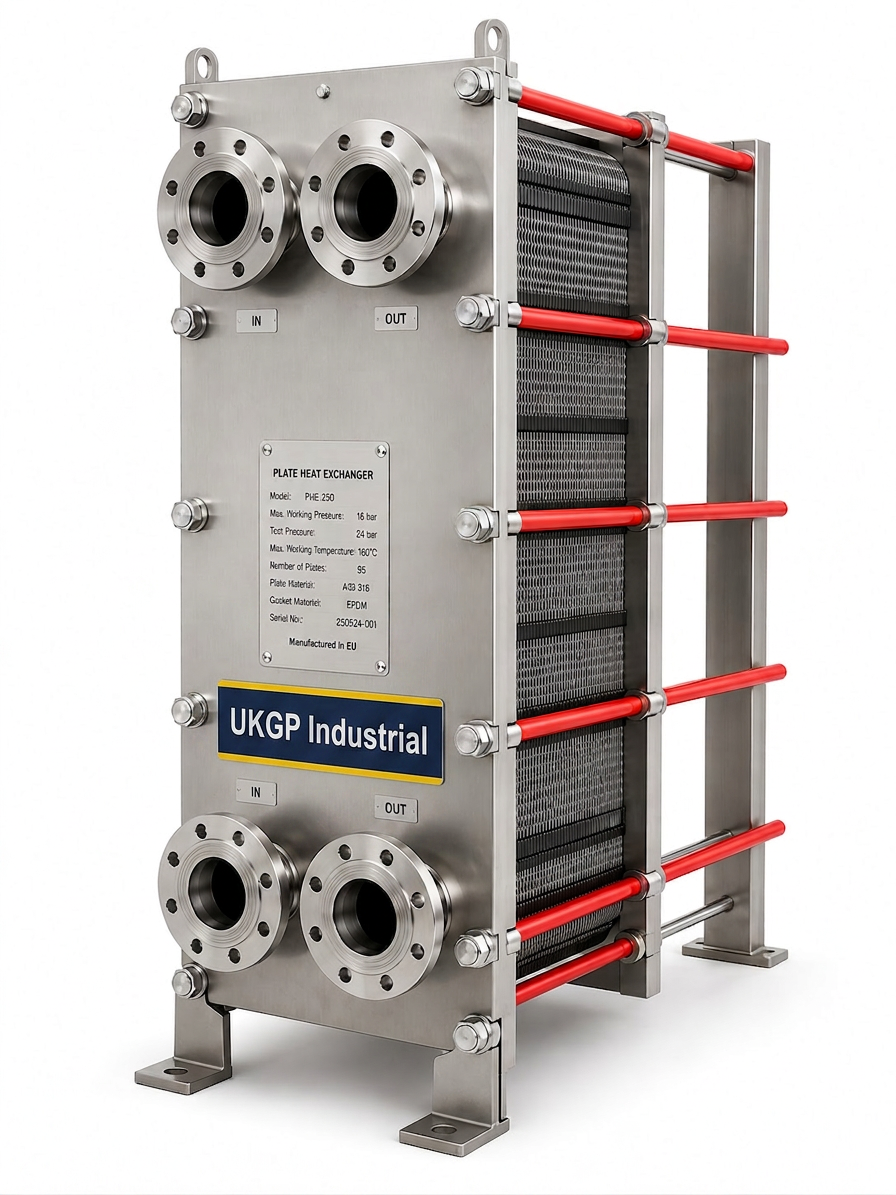
From an energy perspective, the impact of side stream filtration is significant. Sludge accumulation on the primary side of a UKGP plate heat exchanger acts as a potent insulator. This forces the primary heat source (boilers or heat pumps) to run at higher temperatures to achieve the required secondary output, increasing carbon emissions and fuel costs. By keeping the thermal transfer surfaces 'metal-clean,' the system design efficiency is maintained.
Furthermore, filtration reduces the biological oxygen demand (BOD) of the water by removing organic debris. This makes chemical biocides more effective, as they are not 'spent' attacking dead matter in the sludge. The result is a cleaner system that requires lower chemical dosages over its lifetime, presenting a clear ROI through reduced maintenance call-outs and spare parts consumption.
- Erosion of copper heat exchanger tubes.
- Sticking of PICVs (Pressure Independent Control Valves).
- Reduced pump bearing life due to abrasive particles.
- Loss of heat transfer (1mm of scale/sludge can reduce efficiency by up to 10%).
Integration with Air and Dirt Separation
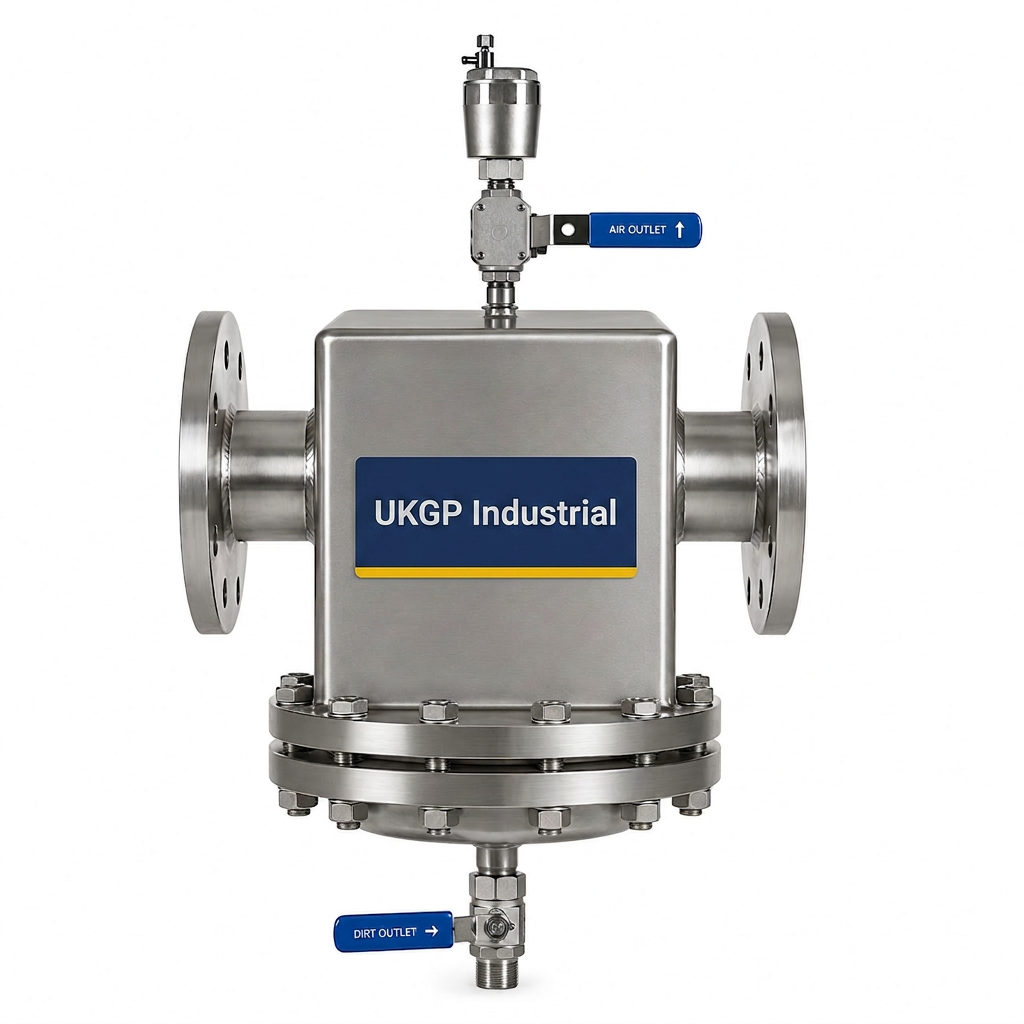
It is important to distinguish between a side stream filter and a primary air and dirt separator. While both aim to clean the system, they perform different functions. A UKGP air & dirt separator is typically installed on the main flow or return pipework to remove micro-bubbles and larger particles (generally >200 microns) through coalescence and gravity. It is the first line of defence.
The side stream filter provides the fine-tuning. While the air and dirt separator handles the bulk debris during the initial fill and high-flow periods, the side stream unit continuously polishes the water to remove the sub-10 micron particles that the separator allows to pass. For a robust plant room design, both should be present. The separator protects the boilers/chillers from large debris, while the side stream unit ensures the water clarity across the entire network.
Modern plant rooms are increasingly compact. Engineers must ensure that the side stream skid is located where it is accessible for maintenance. Unlike an inline separator, which requires the system to be drained or bypassed for cleaning, a side stream unit can be serviced without interrupting the main building services, thanks to its bypass configuration. This 'zero-downtime' maintenance is essential for 24/7 facilities like hospitals and data centres.
Maintenance and Operational Best Practices
The effectiveness of a side stream filter is entirely dependent on a regular maintenance regime. A blinded filter is simply a bypass pipe that provides no benefit. Most modern skids are equipped with differential pressure switches that can be linked to the BMS. When the pressure drop across the media exceeds a certain threshold (usually 0.8 to 1.0 bar), an alarm is triggered, indicating that the bag or cartridge needs replacement.
Cleaning the magnetic assembly is a straightforward process but must be done correctly. The magnets are usually housed in a dry well; removing the magnetic core allows the captured magnetite to fall away from the housing into a collection zone, where it can be flushed out via a blowdown valve. This 'no-contact' cleaning ensures that maintenance staff are not exposed to the captured debris, which can sometimes contain hazardous biological materials or concentrated chemicals.
It is also recommended to keep a log of how frequently filters are changed. A sudden increase in the frequency of blinding can be an early warning sign of a major system issue, such as a failing pump seal introducing air (and thus oxygen/corrosion) into the system, or a breakdown in chemical inhibitor levels. In this sense, the side stream filter serves as a diagnostic tool for the overall health of the hydronic system.
- Weekly visual check of pressure gauges.
- Monthly inspection/cleaning of magnetic rods.
- Bi-annual or annual replacement of filter bags (depending on DP).
- Review of water samples (NTU measurement).
The Role of Chemical Dosing Pots in Filtration Strategies
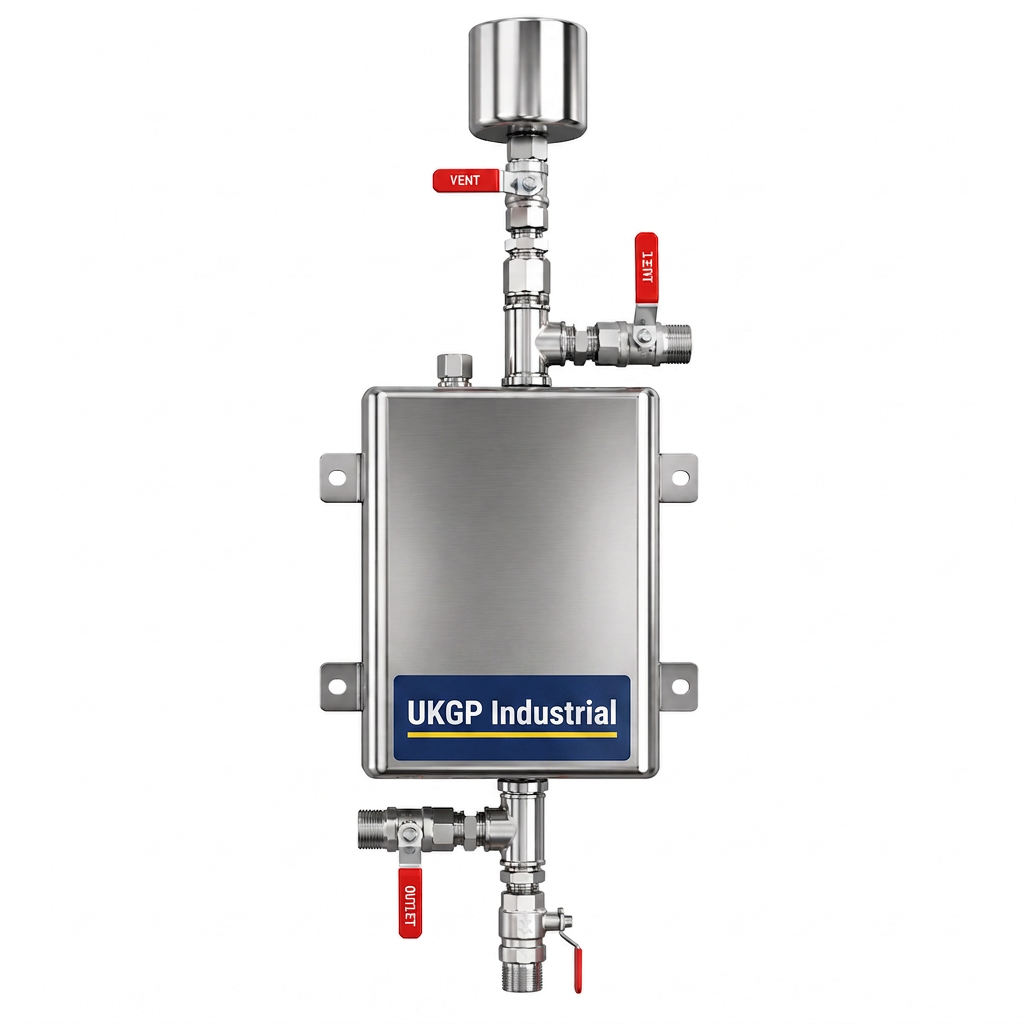
While the side stream skid handles physical contaminants, the chemical balance of the system must also be maintained to prevent new corrosion from occurring. The use of UKGP chemical dosing pots allows for the safe and controlled introduction of inhibitors, biocides, and glycol. The relationship between the dosing pot and the filtration skid is symbiotic; the filter removes the suspended solids, and the chemicals provide the molecular protection of the metal surfaces.
When a system is heavily fouled, a 'clean-and-filter' approach is often used. A cleaning chemical (dispersant) is introduced via the dosing pot to lift settled sludge into suspension. The side stream filter then captures this suspended material, preventing it from simply resettling elsewhere in the circuit. This is a far more controlled and less water-intensive method than traditional high-velocity flushing to drain.
Finally, for engineers and facilities managers, the installation of a side stream filtration system represents a shift from reactive to proactive maintenance. By removing the root cause of many HVAC failures—physical debris—the building's environmental systems become more reliable, efficient, and easier to manage over a 20-year lifecycle. Most units pay for themselves within the first two years of operation through energy savings and reduced repair costs.
Frequently asked questions
Is a 5% flow rate always sufficient?
- While 5-15% is the industry standard for general removal, high-risk systems or those with historical fouling issues may require up to 20% to achieve the required visual clarity and suspended solids reduction specified in BSRIA BG29/21.
Is magnetic separation better than cartridge filtration?
- Both have their place. Magnetite is often the primary cause of pump seal failure and control valve sticking, making magnetic separation essential. However, non-magnetic debris and biofilm can only be reliably captured by mechanical media. A hybrid approach is best.
Can side stream filtration replace chemical dosing?
- No. Filtration removes the physical nutrients for bacteria and the 'hide-outs' for microbes, but it does not kill them. Chemical dosing remains essential, though filtration makes biocides significantly more effective.
Why not just use a standard Y-strainer?
- Standard mesh strainers typically only catch particles down to 400-800 microns. Side stream filtration targets the microscopic 'fines' (under 5 microns) that cause the most erosive damage and heat transfer loss.