The Role of Filtration in Modern CHW Circuits
Chilled water systems are susceptible to various forms of contamination, stemming from both the initial installation phase and ongoing operational corrosion. While traditional Y-strainers protect against 'aquarium-sized' debris such as weld slag or pebbles, they fail to address the fine particulate matter that actually degrades heat transfer efficiency. In a closed-loop CHW system, these fine particles—often magnetite or calcium carbonate—circulate at high velocities, acting as an abrasive that wears down components.
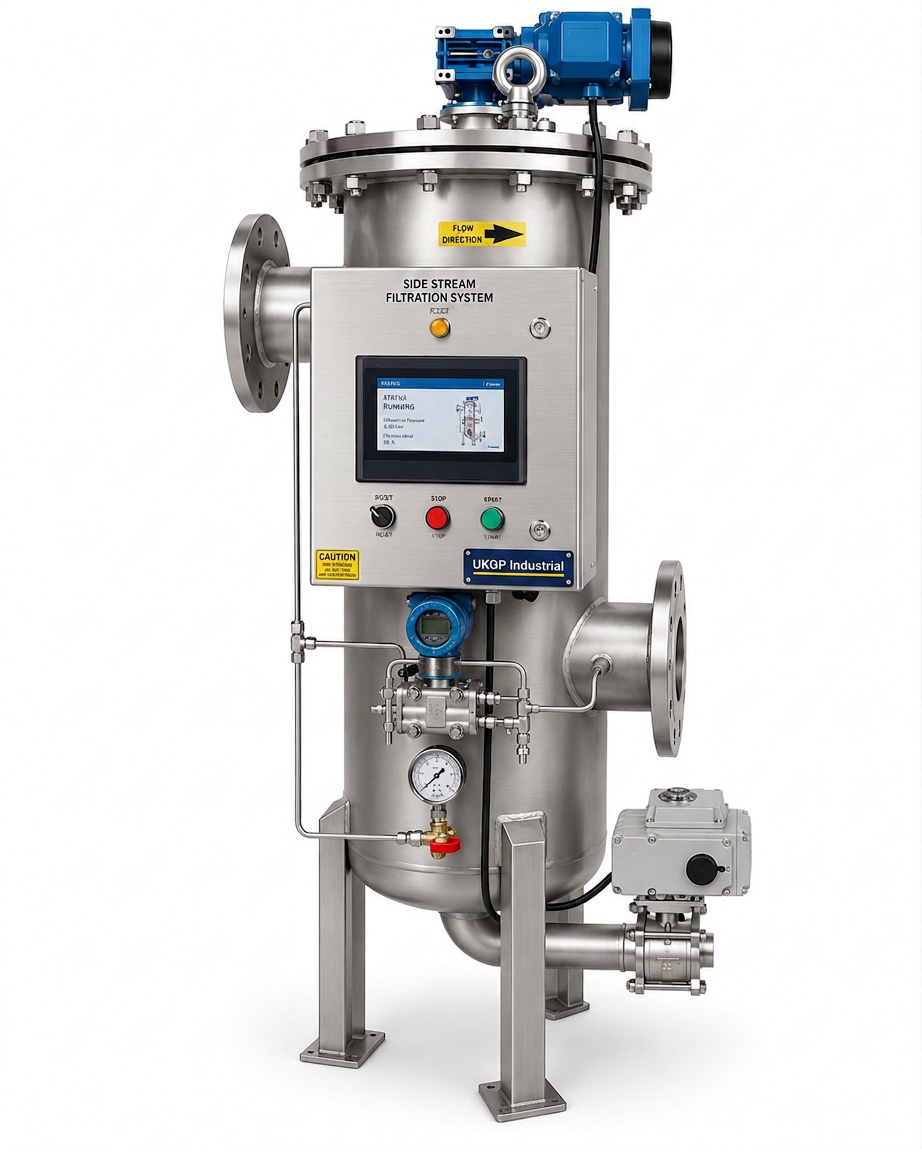
The implementation of side stream filtration addresses the limitations of full-flow strainers. By diverting a portion of the total flow (typically 5-15%) through a dedicated filtration loop, the system can achieve high-clarity water without the massive pressure drops associated with full-flow fine filters. This is particularly vital in UK commercial developments where energy targets like Part L of the Building Regulations demand minimal parasitic pumping power.
Furthermore, clean water is essential for the effective performance of chemical inhibitors. Suspended solids can 'sink' chemicals through adsorption, reducing their efficacy and requiring higher dosages. By maintaining low turbidity through side stream methods, facilities managers can optimise their chemical spend and extend the intervals between major system flushes.
- Removal of suspended solids down to sub-micron levels.
- Prevention of 'fouling' on plate heat exchanger surfaces.
- Reduced erosion of pump impellers and mechanical seals.
- Mitigation of Microbiologically Influenced Corrosion (MIC) by removing the 'shelter' for anaerobic bacteria.
Regulatory Framework and BSRIA Compliance
In the UK, the 'Bible' for system cleanliness is BSRIA BG29/21. It specifies that during the pre-commissioning phase, systems must be flushed to achieve specific suspended solid levels. However, once a system is handed over, the focus shifts to BG50, which deals with the long-term health of the water. BG50 explicitly recommends the use of side stream filtration as a proactive measure to manage the inevitable buildup of corrosion products over time.
Contractual obligations often hinge on these standards. If a chiller fails under warranty and the water quality report shows high levels of iron or suspended solids beyond the BSRIA limits, manufacturers may contest the claim. Engineers must ensure that the side stream filtration rate is sufficient to turn over the entire system volume several times within a 24-hour period.
The evolution from BG29/08 to the current 2021 revision has placed greater emphasis on the 'continuous' nature of water quality management. It is no longer acceptable to simply 'flush and forget.' The integration of a permanent filtration skid ensures that even if small leaks introduce fresh oxygenated water (and thus new corrosion), the resulting debris is captured before it can settle in low-flow areas like terminal unit coils.
- BSRIA BG29/21: Pre-commission Cleaning of Pipework Systems.
- BSRIA BG50: Water Treatment for Closed Heating and Cooling Systems.
- CIBSE Guide W: Water Distribution Systems.
Technical Selection: Bag vs. Media vs. Magnetic
Selecting the correct technology depends on the specific nature of the contaminants and the available plant room space. Bag filters, such as those found on the UKGP side stream filtration skid, offer a versatile and compact solution. They are particularly effective during the first year of a new build, where a variety of construction debris might be present. Bag media can be stepped down from 50 microns during initial clean-up to 5 microns for ongoing polish.
Media filters, using sand or recycled glass, afford the benefit of automated backwashing. This reduces the manual labour required for maintenance, as the system can self-clean based on a timer or differential pressure trigger. However, they require a waste connection and a supply of 'makeup' water to replace what is lost during the backwash cycle, which must be factored into the water meter readings and chemical dosing calculations.
Magnetic filtration has become the industry standard for systems containing carbon steel pipework. Since the majority of internal corrosion in closed loops manifests as magnetite (Fe3O4), high-intensity neodymium magnets provide an incredibly effective way to trap sub-micron particles that would pass straight through a standard 50-micron bag. Combining magnetic capture with a mechanical bag filter often provides the most robust protection for UK chilled water circuits.
- Vessel-based bag filters (disposable/reusable).
- Sand or glass media filters (backwashable).
- Magnetic separators (specifically for magnetite).
- Centrifugal separators (for heavy, high-density solids).
Hydraulic Considerations and Pumped Loops
A common error in side stream design is relying solely on the differential pressure (DP) of the main system pumps to drive flow through the filter. In modern VSD-controlled systems, the DP across the headers can drop significantly during low-load periods, potentially stalling the flow through the filtration loop exactly when it’s needed most. This is why professional UKGP side stream filtration skids typically feature an integral booster pump.
A pumped filtration loop ensures a constant flow rate through the filter media regardless of what the main HVAC pumps are doing. This allows for 'polishing' of the water even when the building’s cooling demand is minimal. The pump must be sized not just for the desired flow (e.g., 5 m³/h for a 100 m³ system), but also to overcome the 'dirty' pressure drop of the filter bag or media as it becomes loaded with silt.
Location is also critical. The intake for the side stream loop should be taken from a point of low velocity, typically the return header before the main pumps, where solids are more likely to be concentrated. The filtered water should then be returned to the system downstream of the intake point, ensuring no 'short-circuiting' occurs that would bypass the main heat load.
- Direct bypass across the main flow and return headers.
- Pumped loops for independent flow control.
- Correct sizing of the booster pump to overcome filter pressure drop.
Impact on Heat Transfer and Energy Efficiency
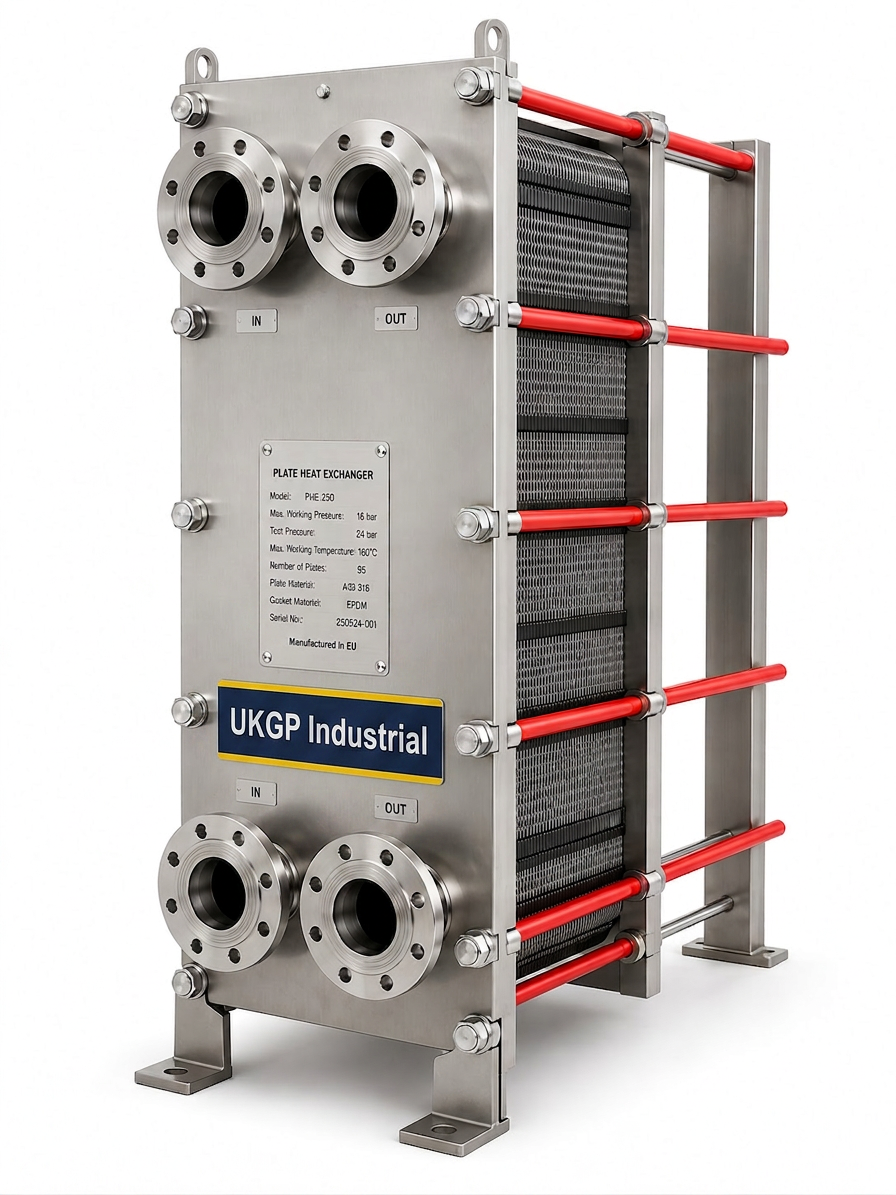
The financial justification for side stream filtration is found in the energy bills. Even a 0.1mm layer of fouling on the internal surfaces of a UKGP plate heat exchanger can reduce heat transfer efficiency by up to 10%. In a chiller plant, this forces the compressor to work harder to achieve the required set-point, leading to significantly higher kWh consumption. Quarter-on-quarter, these inefficiencies can cost more than the capital expenditure of the filtration unit itself.
When suspended solids settle in the evaporator tubes of a centrifugal or screw chiller, they create 'insulation zones.' Not only does this reduce cooling capacity, but it also creates the perfect environment for under-deposit corrosion. This can lead to premature tube failure and refrigerant leaks, which are catastrophic both financially and environmentally (F-Gas compliance).
By maintaining water clarity, we also protect the sensitivity of the system's control elements. Modern PICVs (Pressure Independent Control Valves) have small apertures and pilot ways that are easily blocked by fine silt. A system with clean water reacts faster to load changes, prevents 'hunting' of the valves, and maintains the design delta-T, all of which are essential for high-performance chiller operation.
- Suspended solids fouling: Increases thermal resistance (R-value).
- Bio-fouling: Slime layers reduce heat transfer and increase pressure drop.
- Scaling: Although less common in CHW than LTHW, it still occurs in hard water areas if leaks are present.
Maintenance Protocols and Best Practices
Installing a side stream filter is the first step; maintaining it is the second. For bag-based systems, a maintenance schedule should be established based on the building's age. On new sites, bags may need changing weekly during the first month. On established, stable sites, this may move to a quarterly inspection. Using a transparent filter housing can provide a quick visual cue to the plant room operator, but the DP gauge remains the most reliable technical indicator.
Magnetic rods should be wiped down during every bag change. The 'sludge' recovered from these magnets is often a fine, black paste—this is pure magnetite that would otherwise be coating the heat exchanger surfaces. Recording the volume of debris removed is a useful metric for the FM team to track the 'cleaning curve' of the system over time. If the volume of debris increases suddenly, it may indicate a new source of corrosion or an ingress of oxygen.
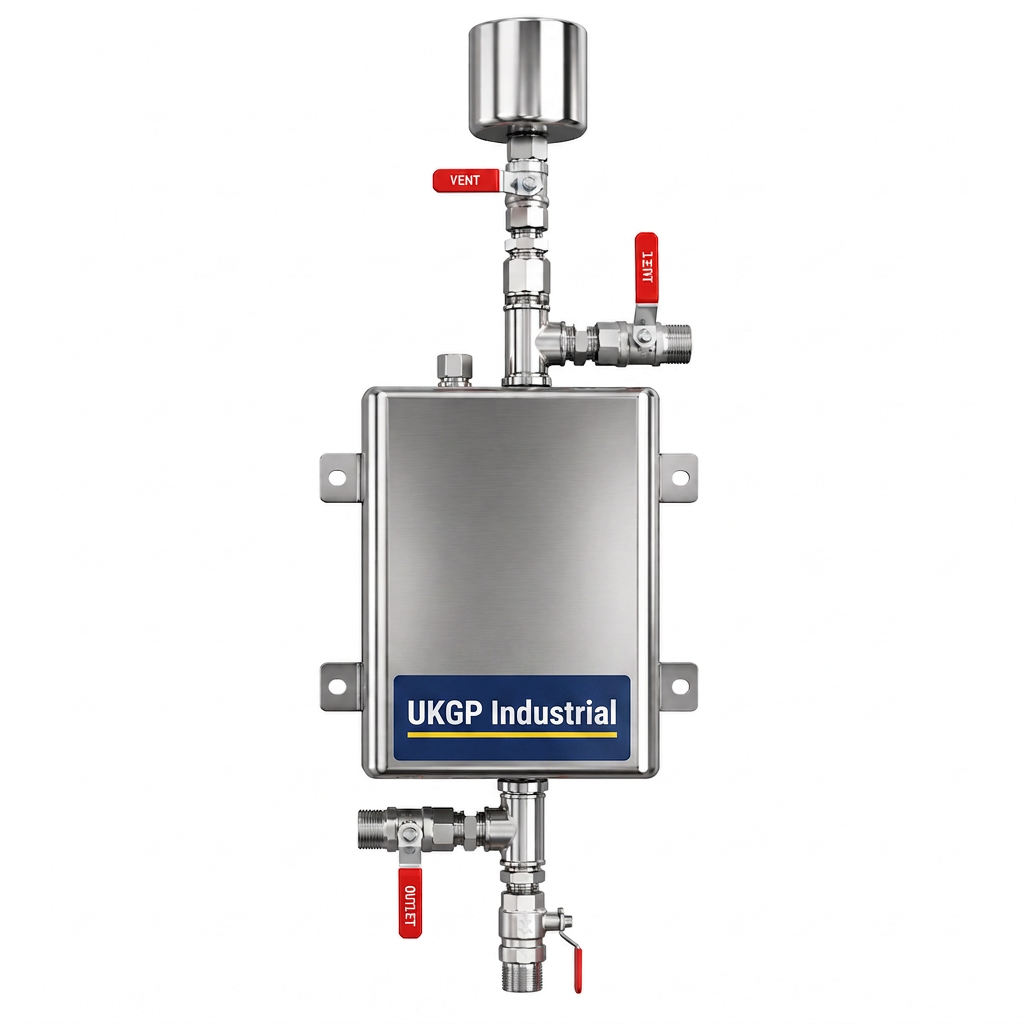
Safety is paramount when servicing these units. Ensure the filtration skid is equipped with isolation valves and a drain-down point. Because chilled water systems operate at pressure, the filter housing must be fully vented before the cover is opened. It is also good practice to have a water spill kit and local bunding around the skid to manage the small volume of water released during a bag change.
- Monitoring of differential pressure (DP) gauges.
- Scheduled inspection of magnetic rods.
- Verification of bypass valve positions.
- Water sampling and laboratory analysis (per BG50).
Identifying Comon Contaminants in UK Systems
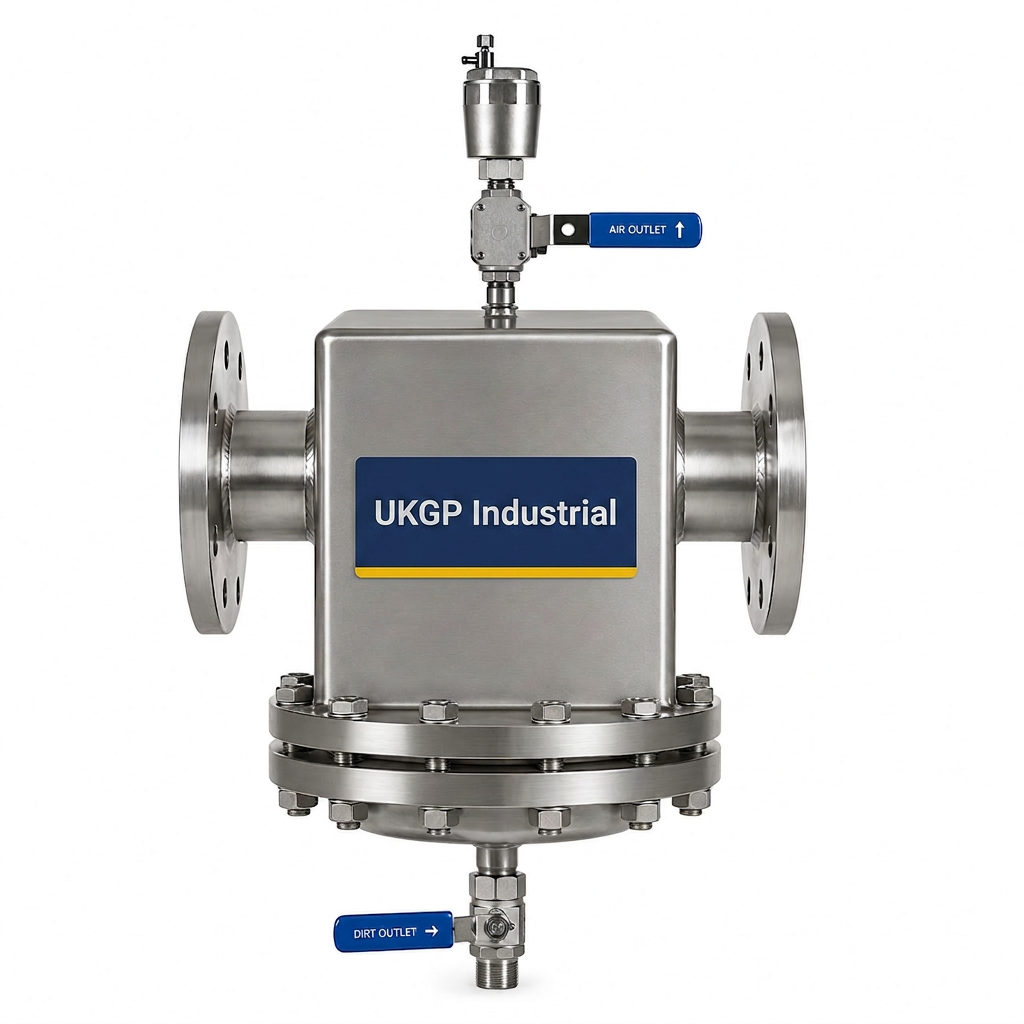
In UK systems, the most prevalent contaminant is magnetite. It forms when oxygen reacts with carbon steel pipework in the presence of water. While chemical inhibitors aim to 'passivate' the metal surface to stop this, the mechanical removal of existing magnetite is essential. Side stream filtration, working in tandem with UKGP air & dirt separators, provides a multi-staged approach to debris management. While the separator handles larger, heavier particles via de-aeration and coalescing media, the side stream filter targets the fine, buoyant particles.
Construction debris—including PTFE tape, copper swarf, and even cigarette butts—is frequently found in new-build systems despite flushing. These items can migrate and lodge in the small ports of terminal units or sensors. A 50-micron filter bag is usually sufficient to trap these 'macro' contaminants, but it is the 'micro' contaminants that do the long-term damage to energy efficiency.
Biological growth is another concern, especially in CHW systems that might be stagnant for parts of the year. Bacteria such as Pseudomonas can flourish, creating a biofilm that acts as a glue for other suspended solids. Effective filtration removes the solid 'food' and 'shelter' for these bacteria, making biocide treatments significantly more effective. Regular water testing should confirm both the chemical and physical cleanliness of the system.
- Magnetite (Black Iron Oxide) - The most common byproduct of internal corrosion.
- Silt and Sand - Often introduced during the construction phase.
- Bio-mass - Dead bacteria and extra-cellular polymers (EPS).
- Pipework Scale - Fragments of calcium carbonate from hard makeup water.
Economic Justification and ROI
For a building services engineer, the 'sell' to a client often comes down to Return on Investment (ROI). The cost of a UKGP side stream filtration skid is generally a fraction of the cost of a single chiller overhaul or the replacement of a blocked plate heat exchanger. When calculating ROI, consider the reduction in 'system intervention' costs—fewer emergency call-outs for blocked valves and less time spent by onsite teams flushing out terminal units.
Energy savings are the most significant long-term driver. As UK electricity prices remain volatile, maintaining a chiller's COP (Coefficient of Performance) is vital. A fouled system might see a drop in COP from 5.0 down to 4.5; over a cooling season in a large London office block, this equates to thousands of pounds in wasted energy. Clean water ensures the system operates at the 'as-built' efficiency levels for its entire lifespan.
Finally, consider the insurance aspect. Many modern commercial property insurers are beginning to look at maintenance records for closed-loop systems as part of their risk assessment. Evidence of continuous filtration and adherence to BG50 can be a deciding factor in premium costs or the successful settlement of a claim related to HVAC failure. Proactive filtration is not just good engineering; it is sound financial risk management.
- Reduced downtime for manual cleaning of evaporators.
- Extended lifecycle of pump seals and valves.
- Lower chemical consumption due to cleaner water.
- Compliance with insurance and warranty requirements.
Frequently asked questions
What is the recommended flow rate for a side stream filter?
- CIBSE and BSRIA guidelines generally recommend a filtration rate of 5% to 15% of the total system circulation rate. For chilled water systems with high suspended solids, 10% is the industry standard benchmark.
Does side stream filtration replace the need for chemical treatment?
- Yes, while BG29/21 focuses on pre-commission cleaning, BG50/2021 (Water Treatment for Closed Heating and Cooling Systems) provides the framework for ongoing maintenance, specifically advocating for side stream filtration to manage magnetite and debris.
How often should filter bags be replaced in a CHW system?
- Pressure drop across the filter media is the primary indicator. Most UKGP side stream filtration skids are fitted with differential pressure gauges; a rise of 0.7 to 1.0 bar typically indicates that a bag change or backwash cycle is required.
Should I use bag filters or media filters for a commercial chiller plant?
- Bag filters are excellent for high-volume solids removal during the first 6-12 months of operation. However, for long-term maintenance of sub-micron particles and magnetite, high-intensity magnetic filtration or sand/glass media filters are often superior.