The Shift to Instantaneous DHW Generation
Traditionally, UK commercial DHW systems relied on large, glass-lined or stainless steel calorifiers. While these provided a buffer for peak demand, they suffered from significant standing heat losses and presented complex management challenges regarding Legionella pneumophila. The move toward 'instantaneous' or 'semi-instantaneous' generation using plate heat exchangers has been accelerated by the adoption of low-carbon technologies like air-source heat pumps (ASHPs) and Heat Interface Units (HIUs) in district heating schemes.
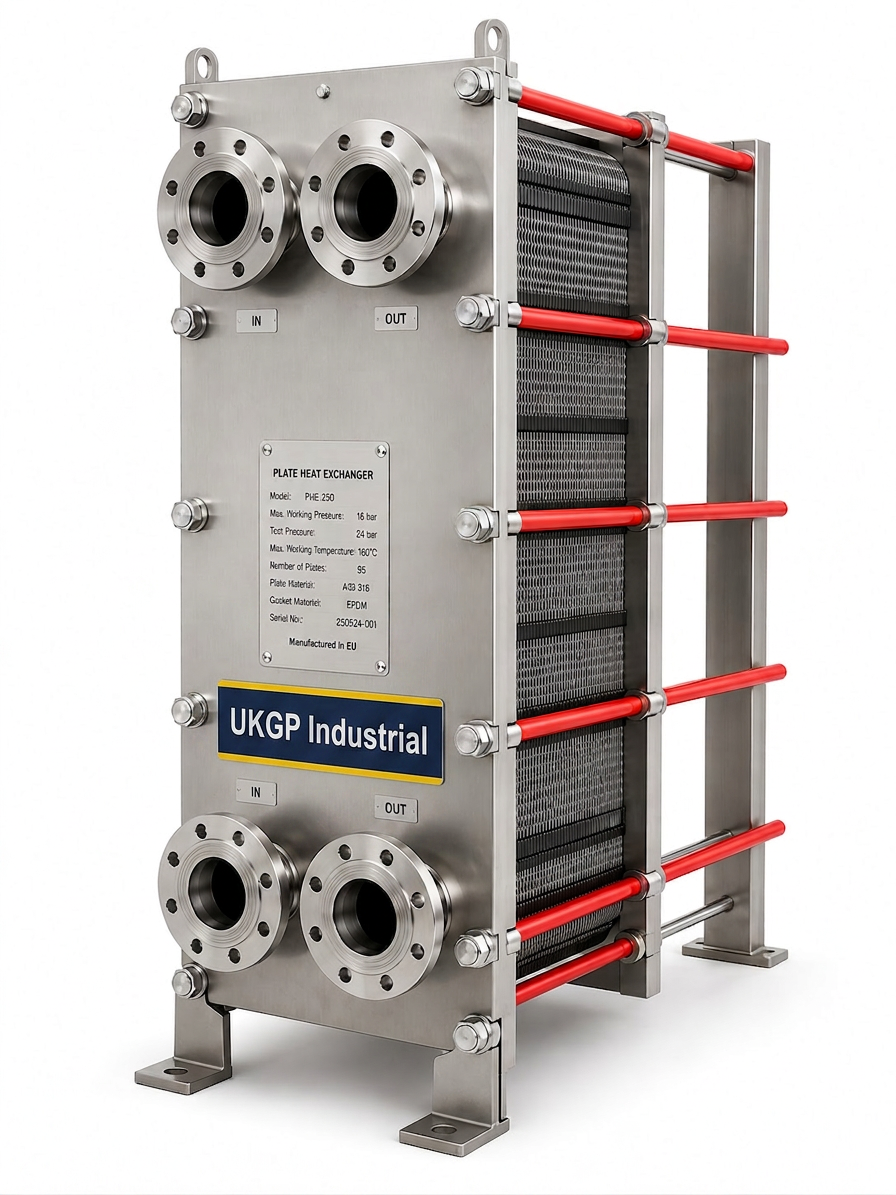
A gasketed plate heat exchanger offers a high surface area-to-volume ratio, allowing for rapid heat transfer even with small temperature differentials (approach temperatures). This is critical when working with ASHPs, where the primary flow might only be 55°C or 60°C. By using a PHE, engineers can generate DHW at 50-55°C without the need for large, energy-intensive immersion heaters, provided the secondary flow rate is carefully modulated.
Furthermore, the modular nature of gasketed units allows for future-proofing. If a building's occupancy increases, the PHE can often be expanded by adding more plates to the existing frame, provided the frame length allows. This flexibility is absent in traditional shell-and-tube or storage-vessel designs.
- Lower standing losses compared to large storage calorifiers.
- Reduced risk of Legionella due to lower volumes of stored tepid water.
- Ability to handle high-temperature primary inputs (80°C+) or low-temperature heat pump flows.
- Small footprint, making them ideal for constrained UK plant room refurbishments.
Selecting the Right PHE Configuration
The choice between gasketed (GPHE) and brazed (BPHE) units depends largely on the application and the water quality. For most commercial DHW plant rooms, the gasketed PHE remains the industry standard. This is because they can be stripped, cleaned, and re-gasketed. In hard water areas like the South East of England, limescale accumulation is an inevitability; the ability to mechanically clean the plates is vital for maintaining the heat transfer coefficient (U-value) over a 20-year lifecycle.
Brazed heat exchangers, while highly efficient and compact, are essentially 'throw-away' items. If they become fouled or develop a leak, they cannot be repaired. These are typically specified for smaller commercial units, such as individual DHW suites in office blocks or as part of a pre-packaged HIU. For central plant rooms serving hospitals, schools, or hotels, the UKGP Industrial range of gasketed units provides the necessary robustness and ease of service.
Material selection for the plates is equally critical. While Grade 304 stainless steel is the baseline, Grade 316 is the standard for DHW to ensure resistance against chloride-induced pitting. In industrial process cooling or environments where aggressive chemicals are used for disinfection, Titanium plates may be required, though these are significantly more expensive and reserved for specific high-risk scenarios.
- Gasketed: Best for maintenance and scalability.
- Brazed: Compact and cost-effective for smaller loads (up to 100kW).
- Welded: For high-pressure steam-to-water applications.
Design Calculations and Approach Temperatures
The thermal sizing of a PHE is governed by the Heat Transfer Equation: Q = U × A × ΔTm. In DHW applications, the primary goal is to achieve the required secondary outlet temperature (e.g., 60°C for ACoP L8 compliance) using the lowest possible primary flow temperature. The 'approach temperature'—the difference between the primary inlet and the secondary outlet—is often the most critical metric. A tight approach of 2K to 5K maximizes efficiency but requires a larger plate surface area.
Engineers must also account for pressure drop (ΔP). High turbulence within the plate channels increases the heat transfer coefficient (U) but also increases the pressure drop that the pumps must overcome. Typically, a limit of 30-50 kPa is set for the secondary side of a DHW system to prevent the need for oversized circulation pumps. If the pressure drop is too low, the flow may become laminar, leading to poor heat transfer and increased fouling rates.
When designing for heat pump systems, the primary temperature is often limited to 55°C or 60°C. This requires a much larger heat exchanger than a traditional boiler system (which might provide 80°C primary flow). In these cases, 1-pass or 2-pass configurations may be used. A 2-pass unit effectively acts as two heat exchangers in series within one frame, allowing for more effective cooling of the primary fluid and higher DHW production from low-grade heat.
- LMTD (Logarithmic Mean Temperature Difference) calculations.
- Approach temperature: The difference between primary flow and secondary DHW outlet.
- Turbulent flow vs. Laminar flow: Achieving high Reynolds numbers for efficiency.
Managing Water Quality and Fouling
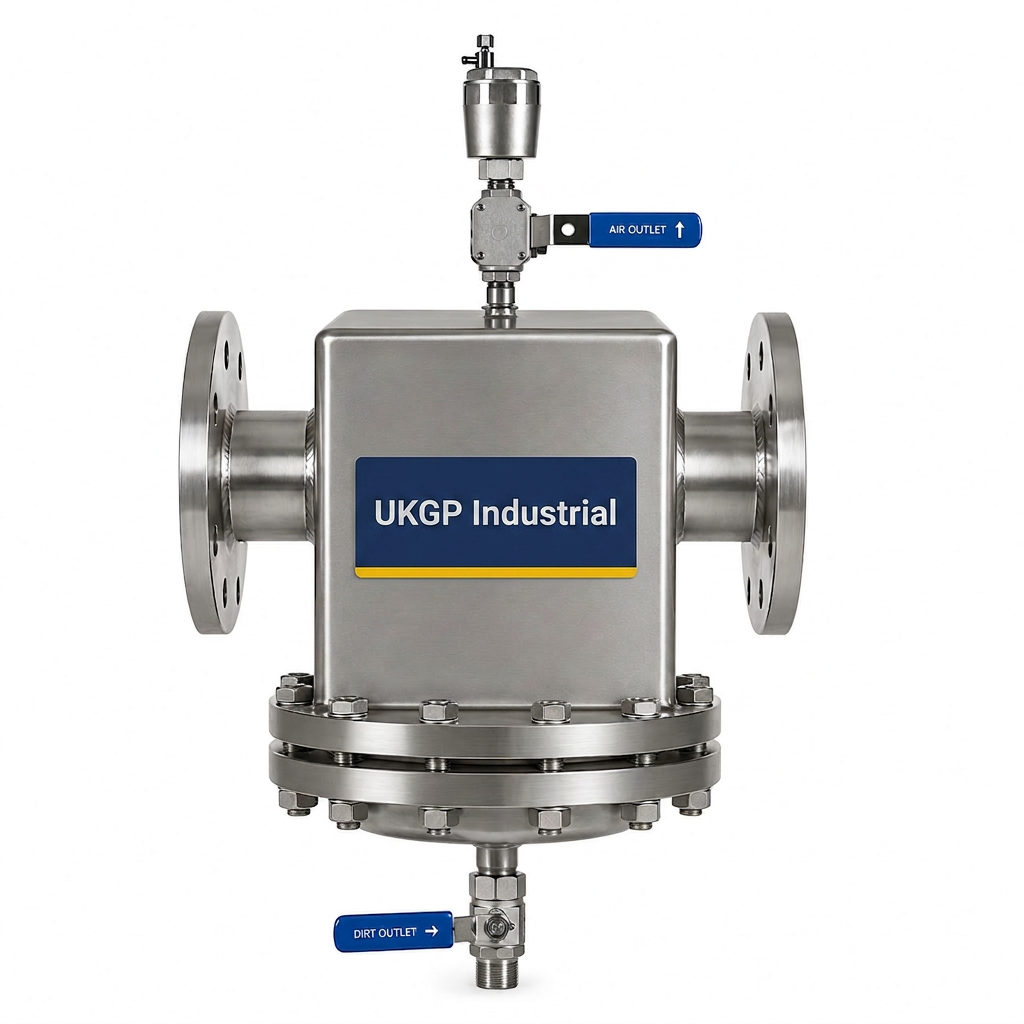
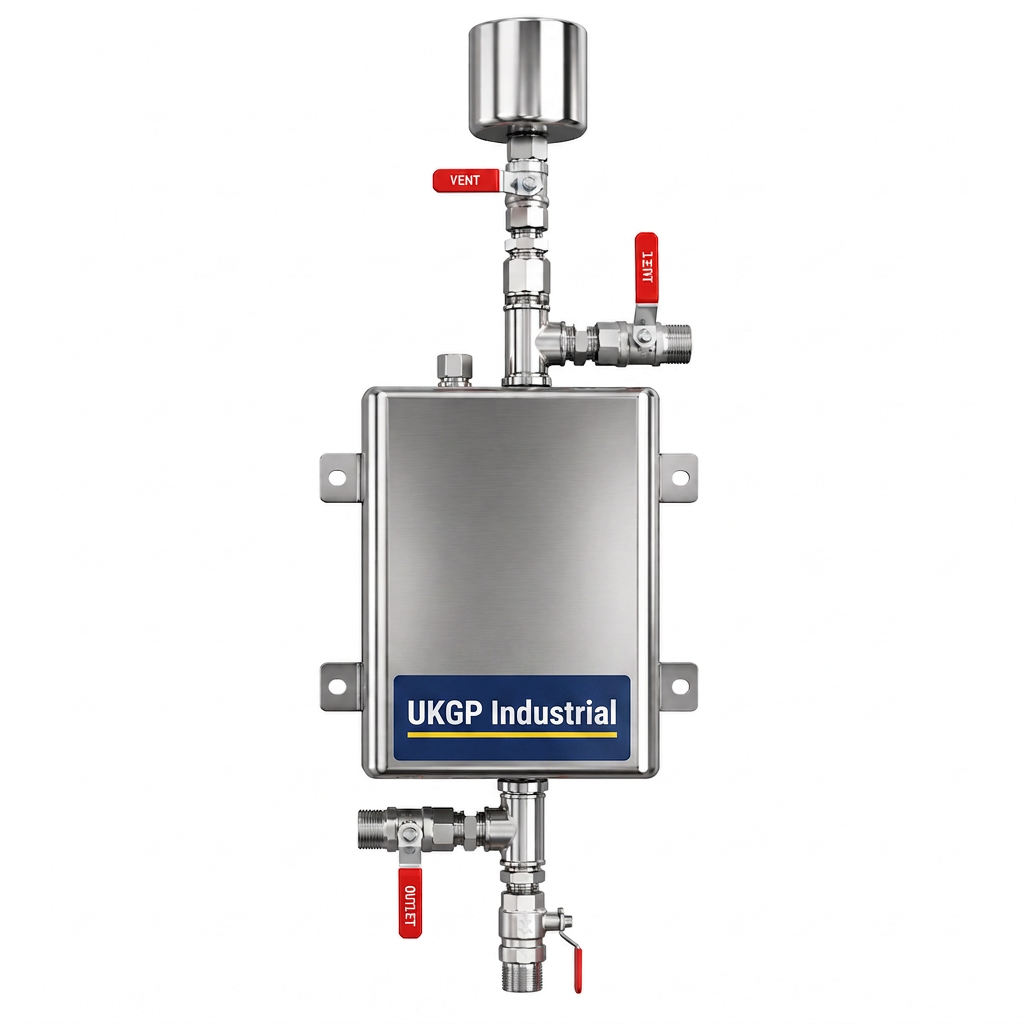
Water quality is the single greatest factor in PHE longevity. On the primary side (the closed-loop heating circuit), the accumulation of magnetite and sludge can quickly block the narrow channels of a PHE. This reduces the flow rate and insulating the plates, causing a drop in DHW delivery temperature. The installation of high-efficiency air and dirt separators is essential to protect the heat exchanger and the wider system infrastructure, such as control valves and pumps.
On the secondary side (the wholesome water), the risk of limescale (calcium carbonate) is prevalent. As DHW is heated above 60°C, minerals precipitate out of the water. Unlike a large calorifier where scale falls to the bottom, in a PHE, it clings to the corrugated plate surfaces. This not only hinders heat transfer but also increases pressure drop. Periodic chemical descaling or mechanical cleaning (in gasketed units) is required to maintain performance.
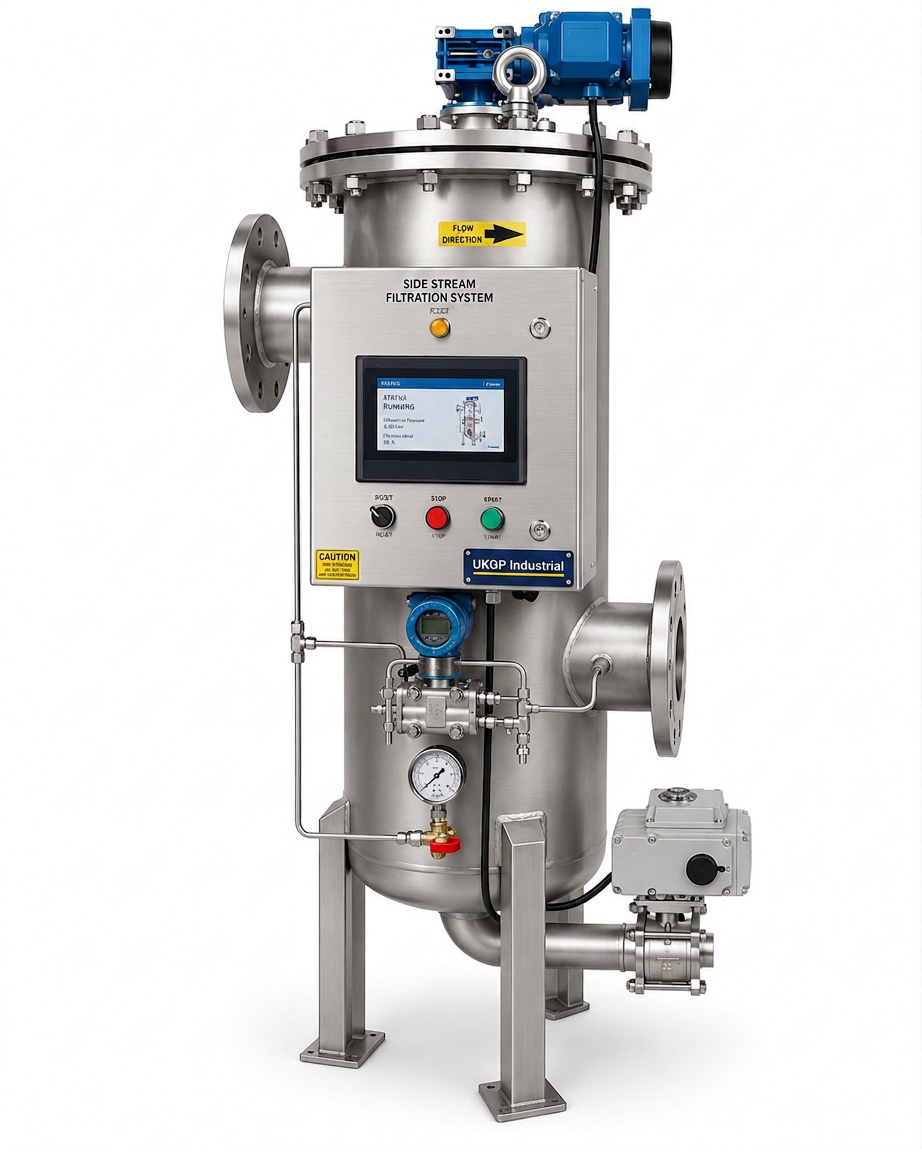
BSRIA BG50 highlights the importance of ongoing water treatment and filtration. For systems utilizing PHEs, side-stream filtration or magnetic dirt separators should be considered to remove particles as small as 5 microns. Failure to do so leads to 'crevice corrosion' under the gaskets or at the contact points between plates, which can result in cross-contamination between the primary and secondary fluids.
- BSRIA BG29/21 compliance for primary side cleanliness.
- Scaling on the secondary side in hard-water regions.
- Impact of particulate matter on narrow plate gaps (0.5mm - 3mm).
Regulatory Compliance and Legionella Risk
DHW generation must comply with Health and Safety Executive (HSE) guidelines, specifically ACoP L8 and HSG274 Part 2. The shift to PHEs is generally seen as a risk-reduction measure because they eliminate the large volumes of stagnant water associated with traditional storage. However, the PHE itself and the associated buffer vessel (if used) must be designed to avoid temperatures between 20°C and 45°C.
For instantaneous systems, the PHE must be sized to meet peak demand while maintaining a minimum outlet temperature of 60°C. This often requires a fast-acting, high-authority control valve on the primary side to prevent temperature fluctuations when a tap is opened. If a buffer vessel is used to smooth out peaks, it should be installed as a 'stratified' tank, often with the PHE acting as the heat source in a loading-loop configuration.
Materials must be WRAS (Water Regulations Advisory Scheme) approved or compliant with the 'Reg 4' requirements for any components in contact with wholesome water. This includes the EPDM or NBR gaskets used in the heat exchanger. UKGP Industrial ensures all units specified for DHW service meet these stringent UK potable water requirements.
- ACoP L8 and HSG274: Compliance for Legionella control.
- The Water Supply (Water Fittings) Regulations 1999.
- CIBSE CP1: Heat Networks Code of Practice (especially for HIUs).
Control Strategies for PHE-based DHW Systems
The performance of a PHE is only as good as the control system managing it. Because a PHE has very little thermal mass, it responds almost instantly to changes in flow. For DHW, this means that as soon as a hot tap is opened, the secondary flow increases, and the primary control valve must open to provide the energy. If the valve is too slow, the user gets a cold 'slug' of water; if it is too fast (or has poor authority), the system will hunt, causing temperature swings and mechanical wear.
To mitigate this, a high-speed actuator (typically <30 seconds for full travel) is recommended. The use of a PID (Proportional-Integral-Derivative) controller is standard, tuned specifically for the DHW load characteristics of the building. In large-scale systems, a primary-side shunt pump may be utilized to maintain a constant head, ensuring that the primary flow is always available at the heat exchanger inlet the moment it is needed.
BMS integration allows for the monitoring of the 'approach temperature' over time. By comparing the primary inlet and secondary outlet temperatures at a known load, the BMS can predict when the heat exchanger is becoming fouled. This 'predictive maintenance' approach is far superior to waiting for a system failure or following a fixed annual service interval, ensuring maximum uptime for the facility.
- Constant DHW temperature regardless of demand.
- Reducing 'hunting' in the primary control valve.
- Integration with Building Management Systems (BMS).
Maintenance and Lifecycle Management
The lifecycle of a gasketed PHE can exceed 25 years if maintained correctly. Maintenance tasks are divided into routine inspections and major overhauls. Routine tasks include checking for external leaks (weeping) around the gasket perimeter and verifying that the plate pack compression (the 'A' dimension) is within the manufacturer’s specified range. Over-tightening a plate pack to stop a leak is a common error that can permanently deform the plates.
When thermal performance drops, a Clean-In-Place (CIP) procedure may be used. This involves circulating a mild descaling acid through the PHE without dismantling it. However, if the unit is significantly fouled with debris or mineral scale, a full manual clean is required. This involves loosening the tie-bolts, sliding the plates back, and pressure-washing each plate. Gaskets should be inspected for elasticity; if they have become brittle due to heat or age, they must be replaced.
Plate integrity testing (using ultrasound or dye penetrant) is performed during major overhauls to check for micro-cracks. This is crucial in DHW systems to prevent primary heating water (containing inhibitors and potentially glycol) from leaking into the secondary drinking water. Such cross-contamination is a serious health risk and a breach of water regulations.
- Visual inspection for gasket leaks.
- Pressure testing and plate integrity checks.
- Clean-In-Place (CIP) vs. Mechanical cleaning.
Integration with Modern UK Heating Systems
As the UK transitions away from gas-fired boilers, the PHE's role in the plant room becomes even more central. In district heating applications, the PHE serves as the hydraulic break between the network and the building, protecting the building's internal pipework from the high pressures and temperatures of the main distribution grid. The design of these systems must follow CIBSE CP1 guidelines to ensure low return temperatures, which are essential for network efficiency.
In heat pump-led systems, the low primary temperatures (typically 55°C) mean that DHW must be generated with a very small Delta-T. This necessitates larger plate surface areas and specifically designed plate patterns that maximize turbulence at lower velocities. Engineers must coordinate closely with PHE manufacturers to ensure the unit is optimized for these 'low-grade' heat sources.
Ultimately, the plate heat exchanger is the most efficient, hygienic, and flexible method for DHW generation in modern UK building services. By selecting the correct materials, designing for optimal fluid dynamics, and implementing robust water treatment and control strategies, M&E contractors can deliver systems that are both high-performing and easy to maintain throughout their operational life.
- Total cost of ownership vs. initial capital expenditure.
- Energy savings from improved efficiency.
- Space-saving benefits for urban plant rooms.
Frequently asked questions
Which gasket material is best for DHW applications?
- For DHW applications, NBR (Nitrile Butadiene Rubber) is typically used for temperatures up to 110°C. For high-temperature district heating primary circuits, EPDM (Ethylene Propylene Diene Monomer) is preferred. Check compatibility with chemical disinfection regimes.
What is the ideal pressure drop for a DHW PHE?
- The pressure drop is a delicate balance. High pressure drops increase turbulence and efficiency but require larger pumps. Generally, a target of 30–50 kPa is standard for primary and secondary circuits in DHW systems.
How do BSRIA BG29 and BG50 apply to PHE installations?
- BSRIA BG29/21 focuses on pre-commissioning cleaning, while BG50 covers ongoing water treatment. Both are vital for PHEs to prevent debris from the primary system (like rust or scale) from clogging the narrow channels between plates.
How does ACoP L8 impact PHE design?
- Legionella management requires DHW to be stored or distributed at ≥60°C. If generating via a PHE, the system must reach this temperature rapidly and maintain it during peak periods, often requiring precise 3-port valve control on the primary side.
When should a welded plate heat exchanger be specified over gasketed?
- Semi-welded or fully welded units are used when handling aggressive fluids, high pressures (above 25 bar), or extreme temperatures where standard gaskets would fail. They are common in industrial processing but rare in standard commercial DHW.