Pre-Cleaning Assessment and Isolation
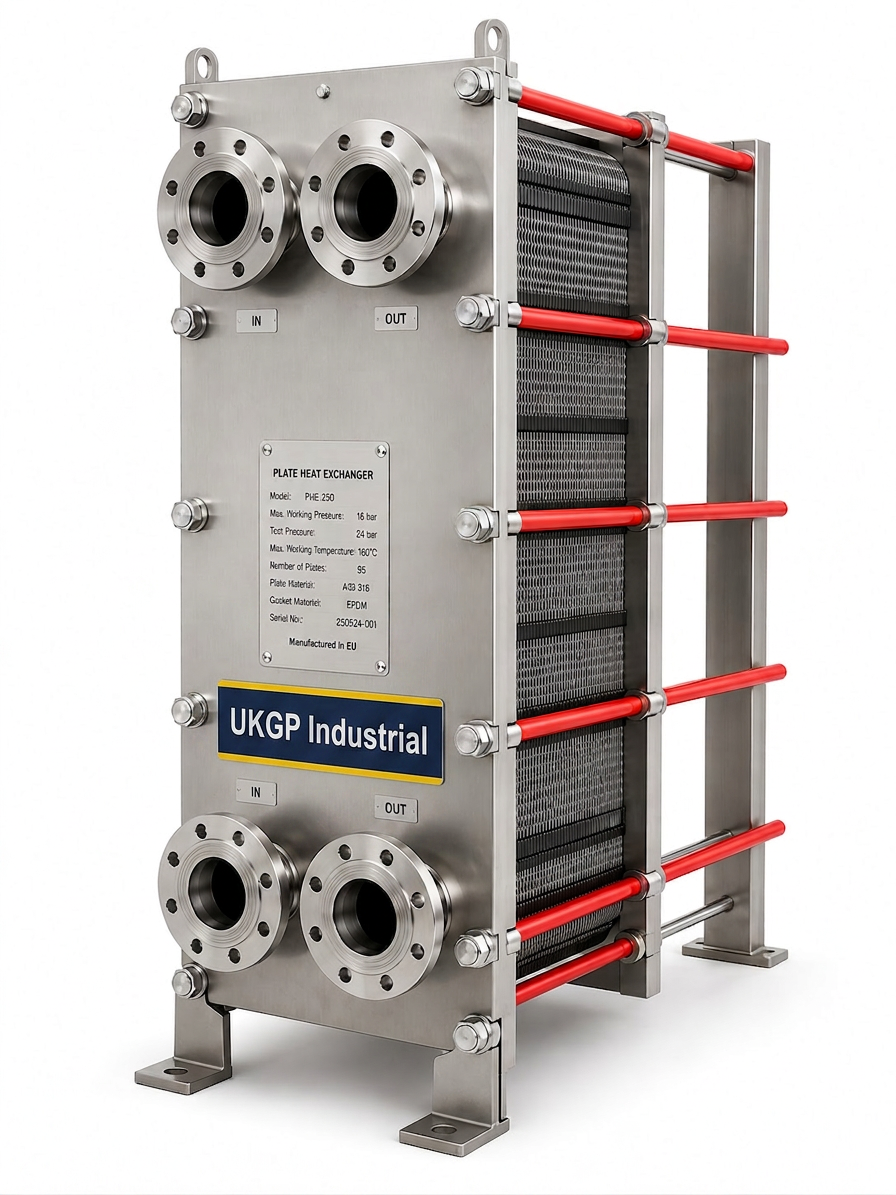
Before commencing any chemical intervention, engineers must review the original design specification of the heat exchanger. This includes the 'K' value (heat transfer coefficient) and the design pressure drop at full load. Use calibrated gauges to measure the current differential pressure; a significant increase over the commissioning data typically confirms fouling. Safety is paramount; ensure the primary circuit is cooled below 40°C before isolation to prevent thermal shock or injury during the connection of CIP hoses.
Isolation must be absolute. Standard plant room practice involves closing the lead-in valves and opening the drain cocks to ensure no bypass is occurring. If the PHE is part of a DHW system, ensure the secondary side is fully depressurised. Label all valves and ensure the area is bunded to catch any potential chemical leaks during the circulation process.
- Verify plate material (usually 316L Stainless Steel or Titanium).
- Identify gasket material (EPDM, Nitrile, or Viton) to ensure chemical compatibility.
- Isolate the PHE from the main flow using high-quality isolation valves.
- Drain the unit completely on the side to be cleaned.
CIP Rig Configuration and Setup
The CIP rig must be connected in a 'reverse flow' configuration. By pumping the cleaning solution in the opposite direction to the normal process flow, the fluid dynamic forces help to dislodge particulate matter and scale that has become wedged at the plate contact points. The pump should be sized to achieve a 'scouring velocity'—typically 1.2 to 1.5 times the design flow rate—to ensure turbulent flow (high Reynolds number) within the plate channels.
Ensure the circulation tank is positioned lower than the PHE connections to allow for gravity drainage back into the reservoir. It is recommended to use a rig featuring a 50-micron bag filter or a magnetic separator on the return line to prevent dislodged magnetite or scale from re-circulating through the plate pack, which could lead to blockages in the narrow 2mm-4mm plate gaps.
- A chemical circulation tank with an integrated heater.
- A centrifugal pump capable of 1.5x the normal operating flow rate.
- Acid-resistant reinforced hoses with appropriate BSP or flanged connections.
- pH testing kit or digital conductivity meter.
Chemical Selection and Safety Protocols
The choice of cleaning agent is governed strictly by the metallurgy of the plates. For common 316 Stainless Steel units, the use of Hydrochloric acid is strictly prohibited due to the risk of chloride-induced stress corrosion cracking. Instead, organic acids like citric or phosphoric acid are preferred for mineral scaling. When dealing with district heating systems, where magnetite is the primary foulant, specialized inhibited acids are required to dissolve iron oxides without attacking the base metal.
All chemical handling must comply with COSHH assessments. Engineers should wear appropriate PPE, including acid-resistant gloves and face shields. During the reaction phase, particularly with carbonate scale, CO2 gas may be evolved; ensure the PHE is vented to prevent gas locking or pressure build-up within the isolated loop. Check the pH of the solution every 20 minutes; if the pH rises significantly, the acid is being spent and additional chemical may be required to maintain the reaction.
- Calcium carbonate/Limescale: Citric or Phosphoric acid (max 5% concentration).
- Magnetite/Iron Oxides: Formulated inhibited acids.
- Biofilms/Algae: Sodium Hypochlorite or specialized alkaline biocides.
- Oils/Greases: Emulsifying agents or caustic soda solutions.
Flushing, Neutralisation and Passivation
Once the circulation period is complete and the pressure drop across the PHE has stabilised at or near design levels, the unit must be thoroughly flushed. Residual acid left in the plate crevices can lead to localized corrosion over time. Flush the unit with mains water until the discharge pH matches the inflow pH (typically 7.0 to 8.5). In industrial cooling applications, a passivation step using a polyphosphate or molybdate-based inhibitor may be necessary to protect the freshly cleaned metal surfaces from flash rusting.
Re-filling the system should be done slowly to avoid air entrapment. Use a dosing pot to re-introduce the necessary system inhibitors (to BS 7593 or BSRIA BG50 standards) if the cleaning process has depleted the overall system concentration. This is particularly vital in closed-loop LTHW or chilled water circuits where the heat exchanger acts as a collection point for system debris.
- Flush with clean water until the effluent runs clear and pH is neutral.
- For acidic cleans, a 1% Sodium Carbonate (soda ash) solution may be used for neutralisation.
- Inspect the internal surfaces via the port holes if possible.
Verification and Performance Monitoring
The success of a CIP procedure is verified through performance data, not just visual inspection of the effluent. Once back online, monitor the temperature cross-over. A well-cleaned plate heat exchanger should achieve an approach temperature within the original design parameters (often 2°C to 5°C in DHW applications). If the DT remains high despite a successful CIP, it may indicate internal 'blind spots' where flow has channelled, or permanent erosion of the plate surface.
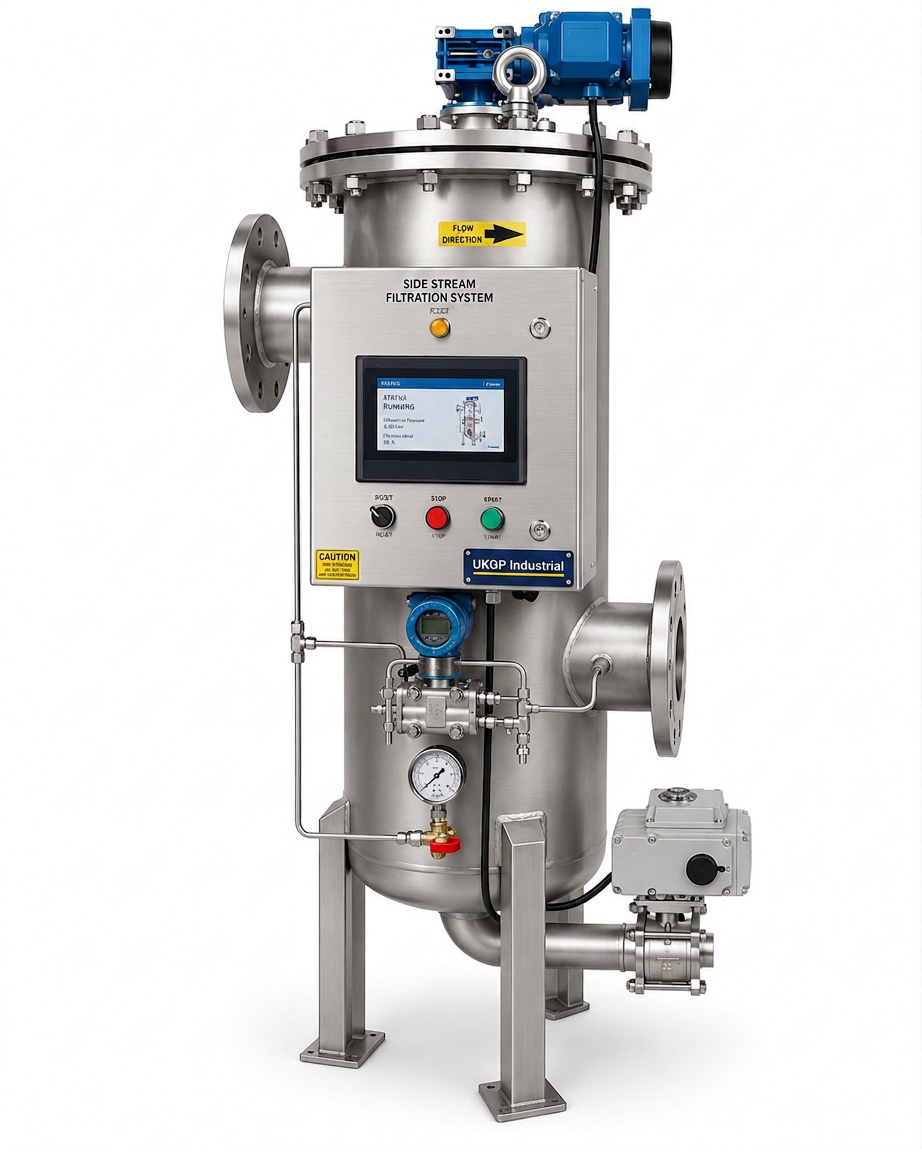
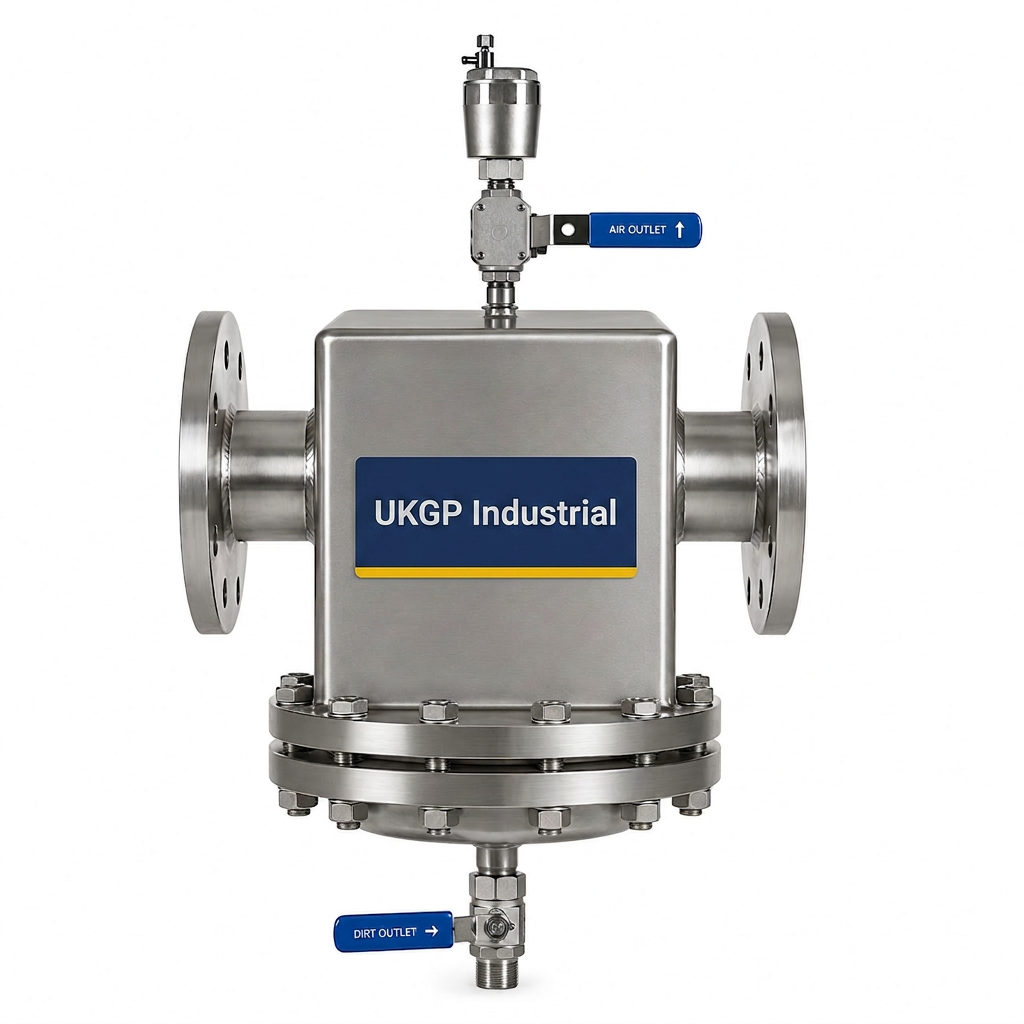
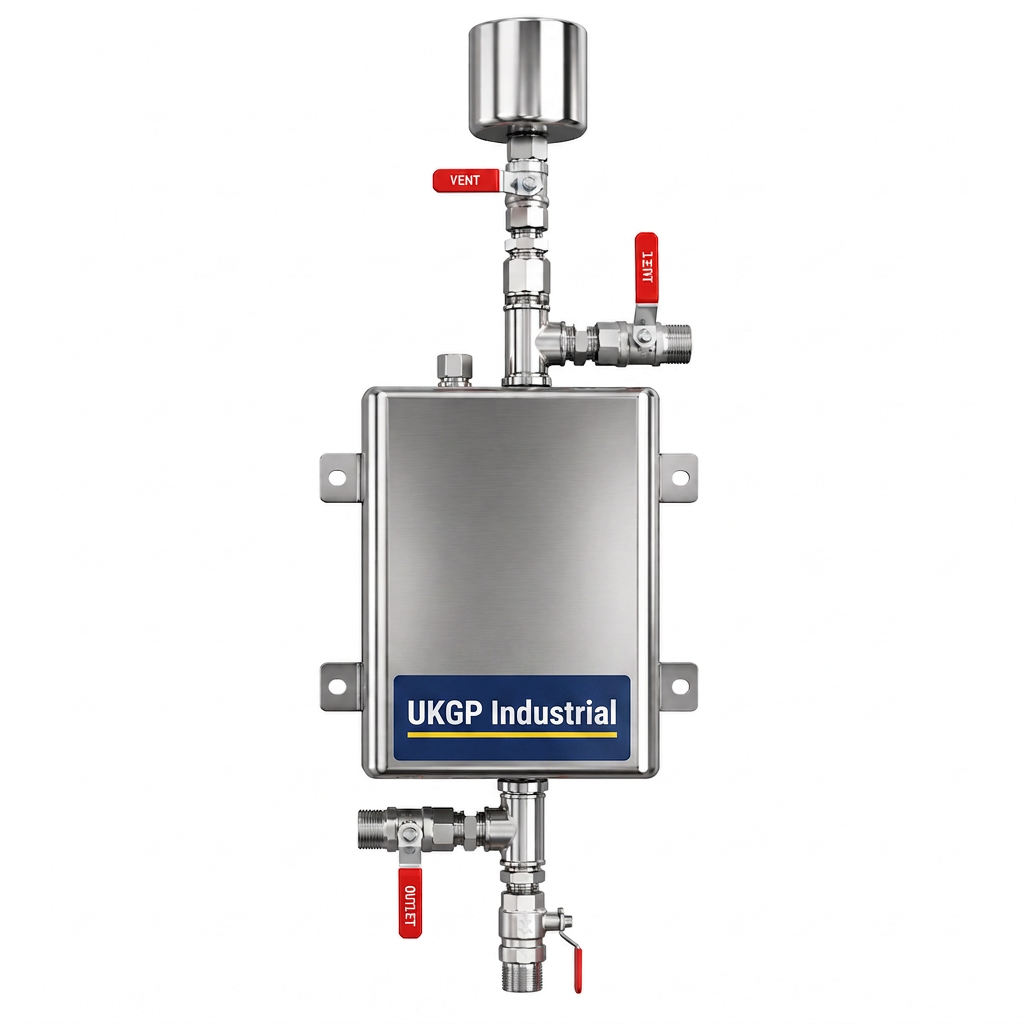
To reduce the frequency of CIP interventions, consider upgrading the system's side-stream filtration or air and dirt separation. For systems prone to heavy magnetite, the installation of a high-power magnetic separator upstream of the PHE is recommended to protect the narrow plate channels from accumulating solids. Monitoring the trend of the heat transfer coefficient over months allows for 'predictive' rather than 'reactive' maintenance scheduling.
- Record the 'Clean' pressure drop at a known flow rate.
- Measure the approach temperature (the difference between the primary inlet and secondary outlet).
- Update the maintenance log with chemical concentrations and durations.
Frequently asked questions
Is CIP safer for the plates than manual mechanical cleaning?
- CIP is generally safer for gasket integrity than manual scrubbing, provided the chemical compatibility is verified. Mechanical cleaning requires the plate pack to be opened, which often necessitates new gaskets and introduces the risk of plate misalignment or 'bird-caging' during re-tightening.
How long does a typical CIP cycle take?
- Typical durations range from 2 to 6 hours per circuit. This depends on the scale thickness, the concentration of the cleaning agent (usually 2-5%), and the fluid temperature. Heavily fouled process cooling exchangers may require longer soak times.
What chemicals are suitable for 316 stainless steel plates?
- For calcium carbonate scale, phosphoric or citric acids are standard. For biological slime or organic fouling, alkaline cleaners are used. Never use Hydrochloric acid (muriatic acid) on stainless steel plates as it causes rapid pitting and stress corrosion cracking.
How do I know when a PHE requires CIP?
- Increased pressure drop (DP) across the primary or secondary side and a decrease in the Logarithmic Mean Temperature Difference (LMTD) efficiency are the primary indicators. If your approach temperature increases by more than 2-3°C, fouling is likely present.