The Mechanics of Magnetic Filtration
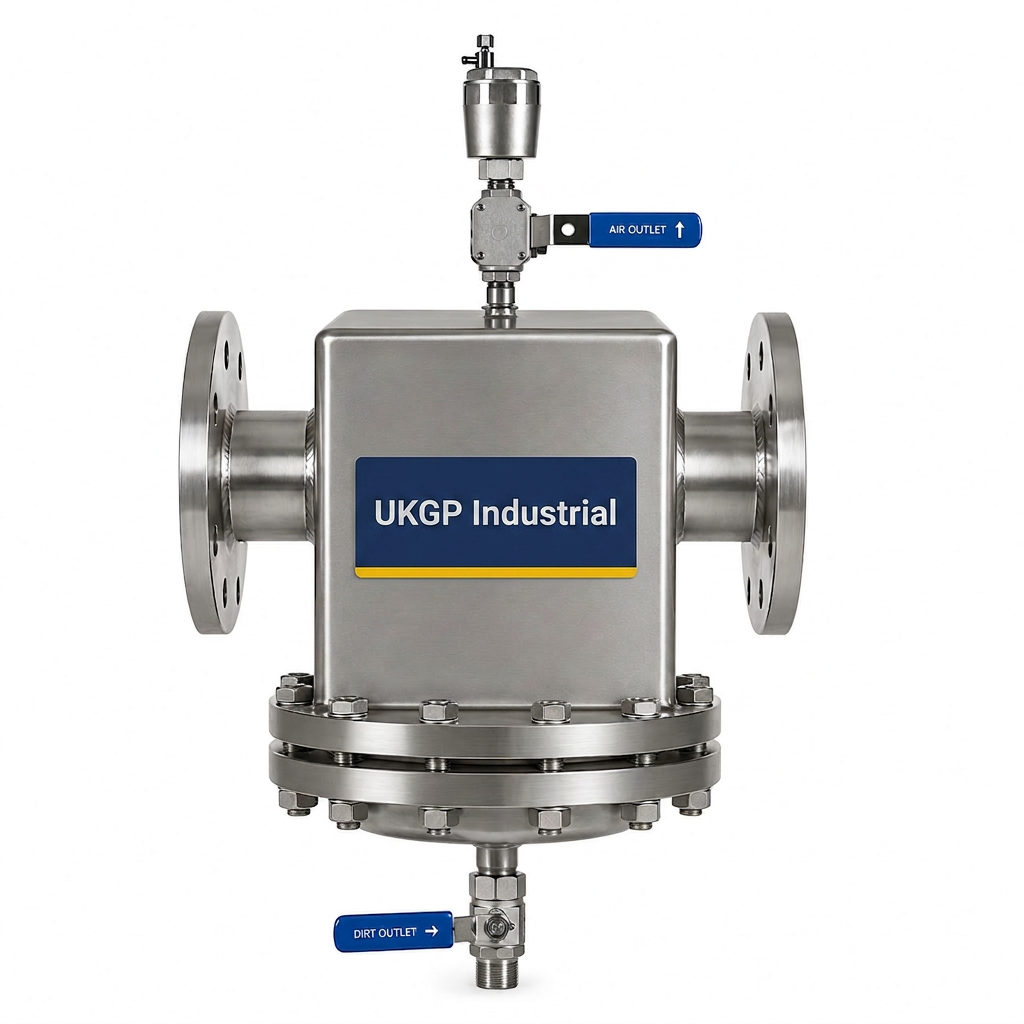
Magnetic filtration relies on the principle of high-intensity neodymium magnets positioned within the flow path to attract and retain ferromagnetic particles. In UK heating systems, the primary constituent of 'sludge' is magnetite (Fe3O4), a byproduct of internal corrosion. Because magnetite is highly magnetic, these filters are exceptionally efficient at capturing even sub-micron particles that would pass through standard strainers. The primary advantage here is the negligible pressure drop (typically <0.1 bar) and the fact that the filter does not 'blind' or block in a way that restricts system flow.
However, the limitation of a purely magnetic approach is its specificity. While it addresses the most common cause of heat exchanger fouling, it remains passive toward non-magnetic materials. Elements such as calcium carbonate scale, pipe scale, aluminium oxides, and biological debris will remain in suspension. For this reason, magnetic units are often used as an initial stage of protection or in conjunction with other technologies to provide a comprehensive water quality solution.
- High capture efficiency of sub-micron magnetite (black iron oxide).
- Low pressure drop across the unit, even as it collects debris.
- Manual cleaning often requires a 'blow-down' or manual rod removal.
- Ineffective against non-magnetic particulates like scale and silica.
Depth and Cartridge Filtration Principles
Depth filtration involves passing a portion of the system water through a porous medium—typically a wound yarn cartridge, a pleated element, or a sand/glass media bed. This mechanism captures particles throughout the thickness of the medium, not just on the surface. Unlike magnetic units, depth filters provide 'absolute' or 'nominal' filtration based on micron size, meaning they are capable of removing any suspended solid larger than the pore size, regardless of its magnetic properties. This is vital in new builds where construction debris, such as solder and silica, is prevalent.
The operational challenge with depth filtration is the progressive increase in differential pressure. As the filter captures more debris, the resistance to flow increases, eventually requiring a cartridge change or a backwash cycle. In a side stream configuration, this is managed by a dedicated pump and controller on a skid, ensuring that the main system flow is never compromised. These systems are often specified in accordance with BSRIA BG29/21 for pre-commission cleaning and BG50 for ongoing maintenance to achieve the required water clarity.
- Captures both ferrous and non-ferrous particulates.
- Varying micron ratings (typically 5 to 20 micron) for fine polishing.
- Increased pressure drop as the media or cartridge becomes saturated.
- Essential for systems with mixed metal components (e.g., aluminium exchangers).
The Integrated Approach: Side Stream Skids
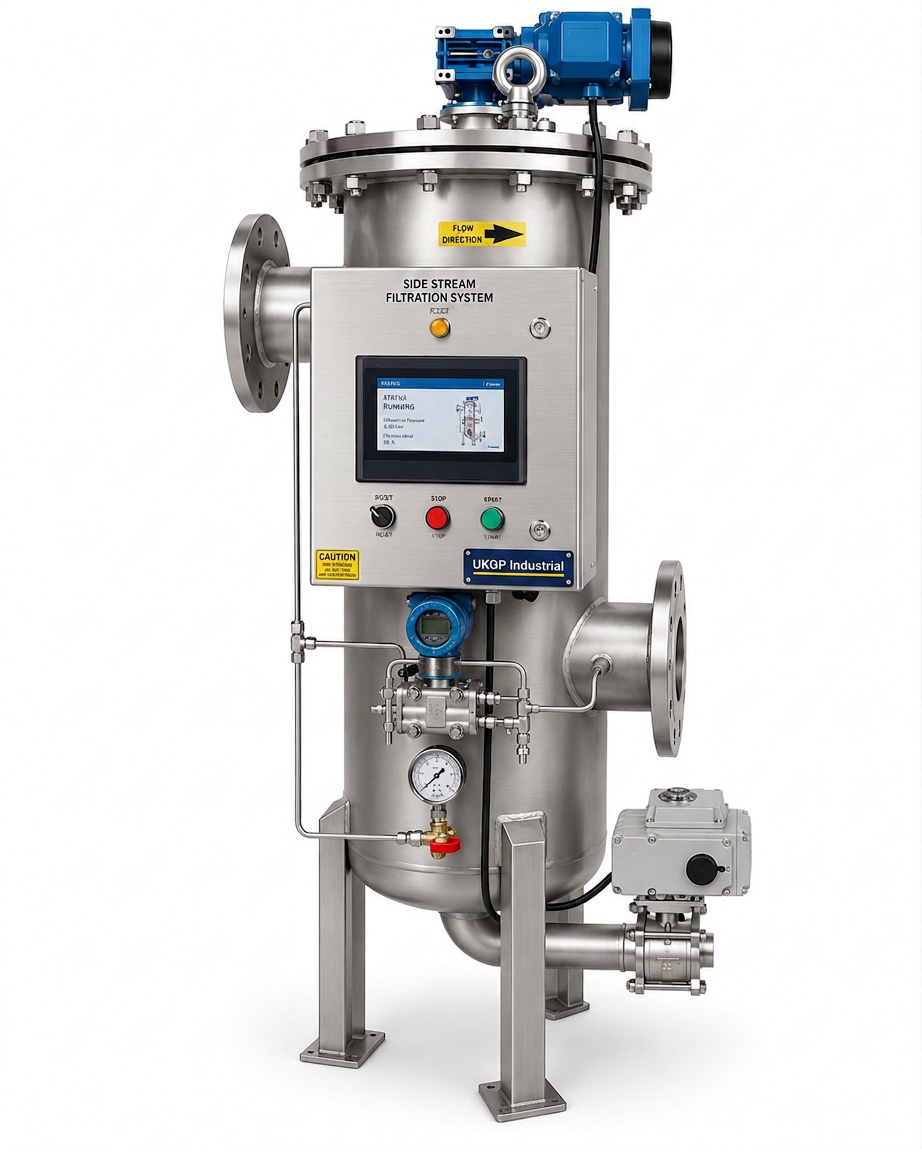
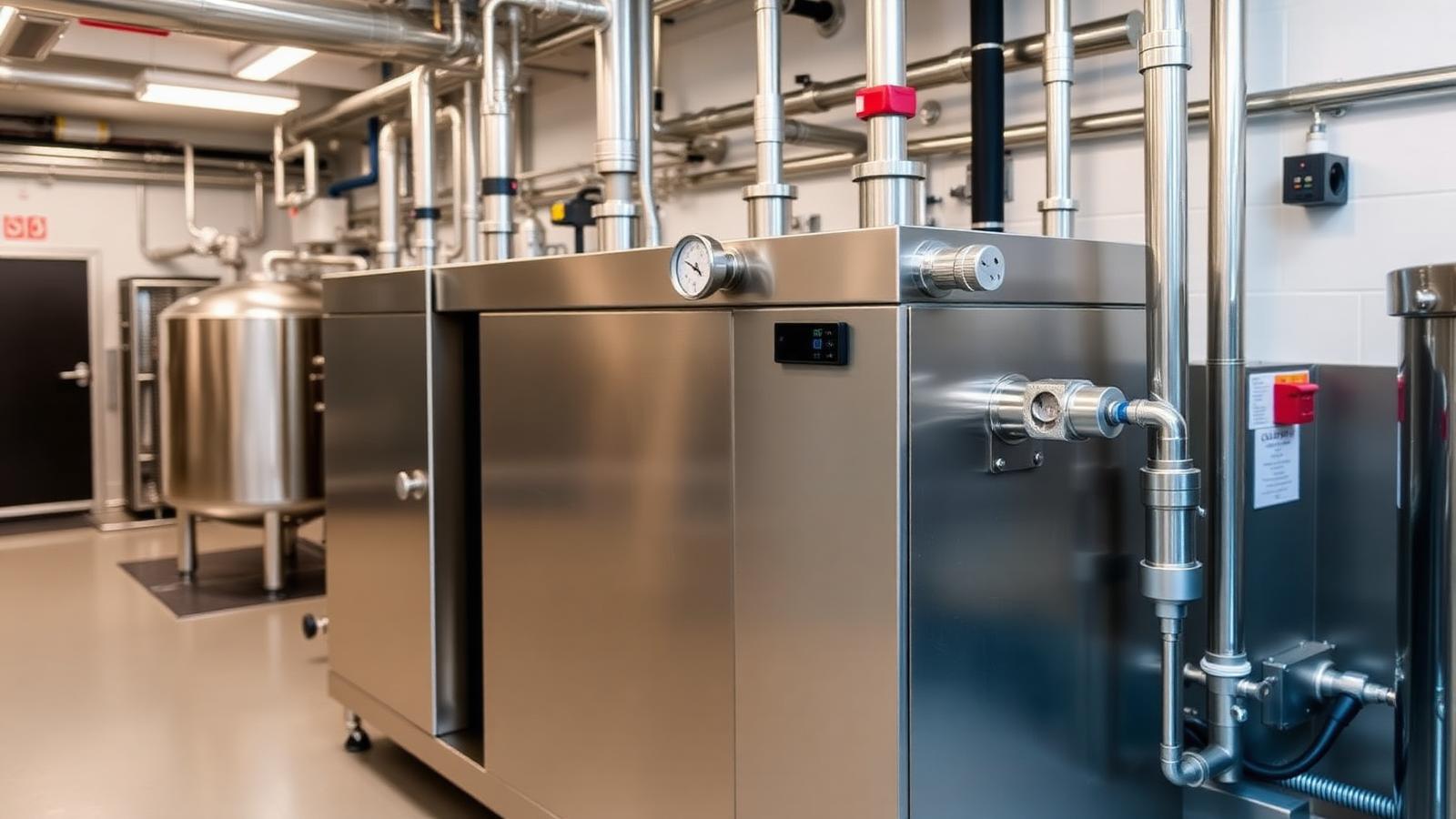
For large-scale commercial plant rooms, the debate between magnetic and depth filtration is often resolved by utilising an integrated side stream filtration skid. These units typically combine a high-intensity magnetic rod with a secondary fine-filtration cartridge or bag. By placing these on a dedicated skid with its own pump, engineers can ensure a constant 'polishing' of the water, independent of the main system's varying flow rates. This is particularly important in variable volume systems (VVT) where low flow periods might otherwise lead to particle settlement in dead legs.
The performance of these skids is measured by their ability to achieve 'the five volumes rule'—circulating the equivalent of the total system volume through the filter five times every 24 hours. A UKGP side stream filtration skid is designed to meet these requirements, providing a robust, plug-and-play solution that encompasses air separation, magnetic capture, and fine particle removal. This multi-stage approach ensures that the water meets the stringent conductivity and turbidity levels required by modern boiler and chiller manufacturers.
- Integrated magnetic and depth filtration in a single unit.
- Standardised flow rates (e.g., 2m³/h to 15m³/h) for various system volumes.
- Automated monitoring of differential pressure for maintenance alerts.
- Bypass loops for easy servicing without system downtime.
Protecting Heat Transfer Surfaces
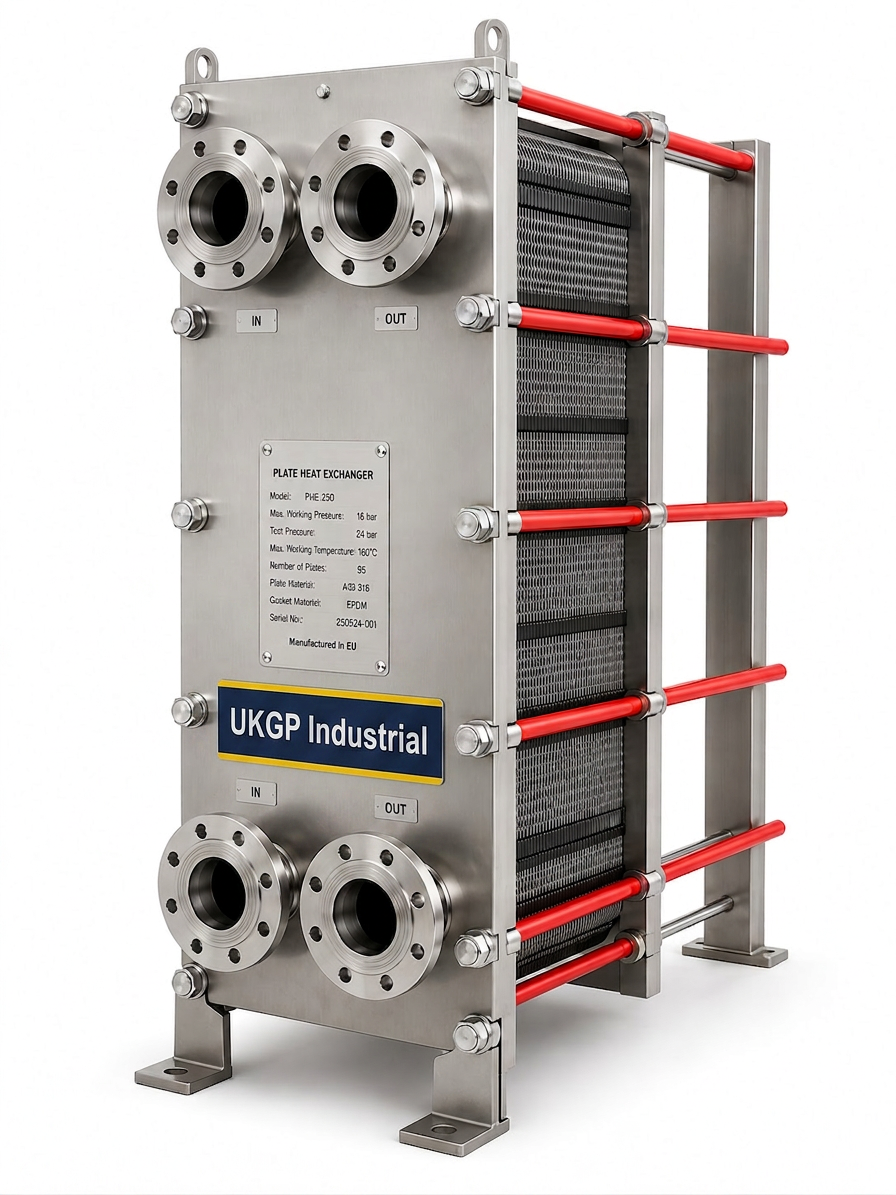
The ultimate goal of side stream filtration is the protection of the most vulnerable components in the system: the heat exchangers. Modern UK plant rooms frequently utilise a UKGP plate heat exchanger to separate primary plant from secondary distribution. These units feature extremely narrow channels to maximise turbulent flow and heat transfer efficiency. However, these same channels act as a filter for system debris. Even a thin layer of magnetite (0.5mm) can reduce heat transfer efficiency by up to 10%, leading to increased burner cycling and higher energy costs.
By implementing rigorous side stream filtration, FM managers can prevent the settlement of solids within the plate packs. This not only maintains the design temperature differential (Delta T) but also prevents under-deposit corrosion—a phenomenon where oxygen-depleted zones beneath a layer of sludge lead to rapid pitting of the stainless steel plates. Comparing the cost of a filtration skid against the cost of stripping and acid-cleaning a large plate heat exchanger demonstrates a clear ROI, typically within 18 to 24 months of operation.
- Protects internal channels from blockage and erosion.
- Maintains design Delta T across the primary/secondary circuit.
- Reduces the frequency of expensive chemical cleaning cycles.
Selecting the Correct Technology for the Application
The selection between magnetic and depth filtration, or a combination of both, should be dictated by the system's age, metallurgy, and water volume. For an older, existing steel-piped system with high levels of established corrosion, a magnetic-heavy approach is required to handle the high volume of magnetite. Conversely, in a new build with plastic or copper pipework and aluminium heat exchangers, depth filtration is the priority to remove non-ferrous manufacturing residues and protect delicate components.
Engineers must also consider the 'human element' of maintenance. A standalone magnetic filter that is never cleaned becomes a dead asset. An automated skid with a BMS interface provides the necessary oversight, alerting the FM team when a filter change is required based on actual debris loading (differential pressure) rather than a calendar date. For critical infrastructure like data centres or hospitals, the redundancy and monitoring capabilities of a formal side stream skid are mandatory.
- Initial CAPEX is higher for integrated skids vs. standalone magnets.
- Maintenance of depth filters requires ongoing consumable costs (cartridges).
- Magnetic filters require less frequent intervention but provide less 'polishing'.
Compliance and Best Practice (BSRIA)
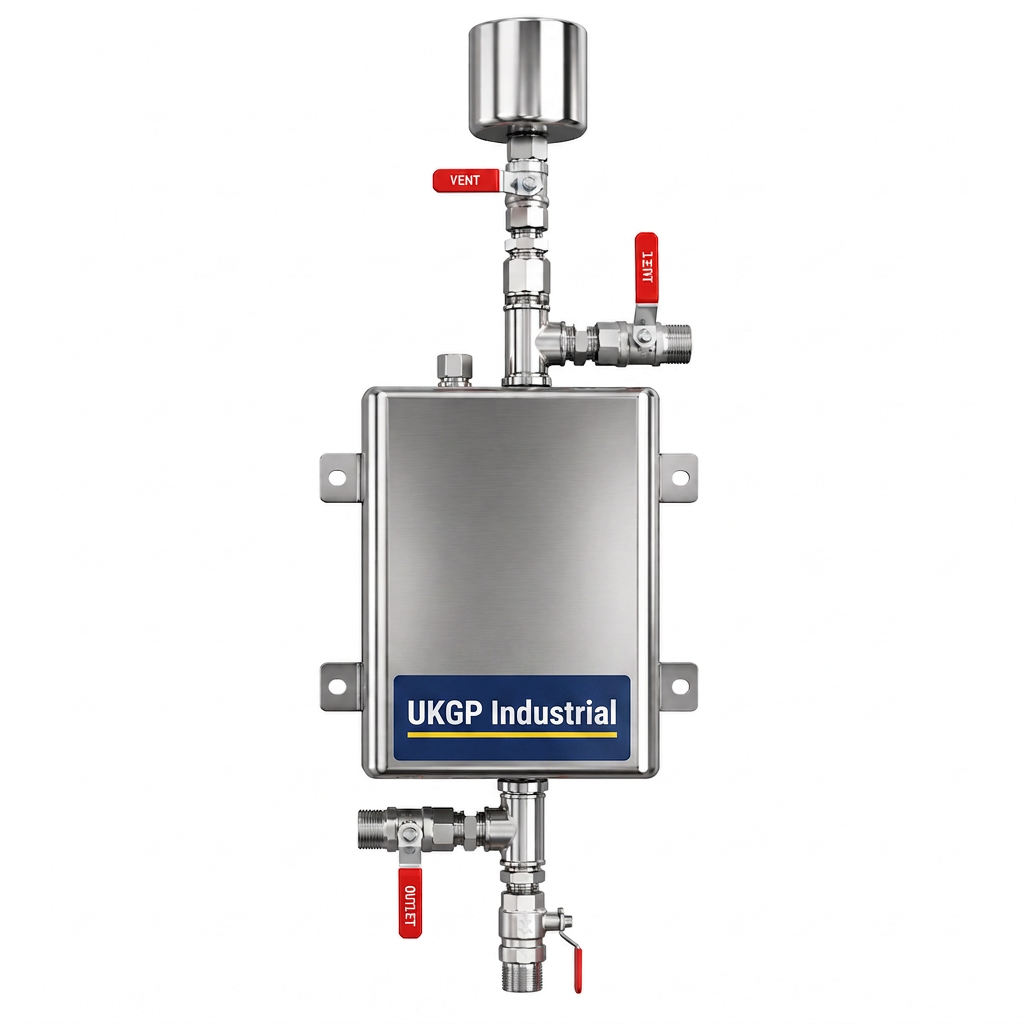
Compliance with BSRIA BG50 is the benchmark for water quality in the UK. This standard emphasizes that water treatment is a multi-faceted process involving mechanical filtration, chemical inhibiton, and regular monitoring. While side stream filtration removes the physical contaminants, it must be supported by a UKGP chemical dosing pot to ensure that the chemical balance—specifically molybdate or nitrite levels and pH—remains within the recommended parameters. Without proper chemical inhibition, no amount of filtration can stop the ongoing generation of new corrosion products.
In summary, while magnetic filters are a highly effective tool for capturing the most common form of debris in UK systems, they are not a universal panacea. For a system to remain efficient, reliable, and compliant with modern standards, a holistic approach that combines the strengths of magnetic capture with the broad-spectrum removal capabilities of depth filtration is the technical gold standard. This ensures the protection of high-efficiency plant and the long-term integrity of the hydronic circuit.
- Ensure filters are located on the return line before the heat source.
- Verify flow rates match the system volume (BSRIA recommends 5-15% per hour).
- Integrate chemical dosing to maintain inhibitor levels post-filtration.
Frequently asked questions
What is the recommended flow rate for side stream filtration?
- For most commercial closed-loop systems, a flow rate equivalent to 5% to 15% of the total system volume per hour is recommended to ensure effective particulate removal and chemical distribution.
Can a magnetic filter remove non-ferrous debris?
- Magnetic filters excel at removing magnetite (black iron oxide), whereas depth filters or pleated cartridges are necessary for non-ferrous debris, such as silica, installation swarf, and biological film.
Is a side stream filter required if I have a dosing pot?
- While bypass feeders (dosing pots) provide a point for chemical entry, they do not provide active filtration. A side stream filter ensures that the chemicals added can work effectively without being exhausted by existing suspended solids.
Which UK standards govern side stream filtration?
- BSRIA BG29/21 (Pre-commission cleaning) and BG50 (Water treatment for closed systems) are the primary UK guidelines that advocate for side stream filtration as part of a robust maintenance strategy.