The Fundamental Purpose of Hydraulic Decoupling
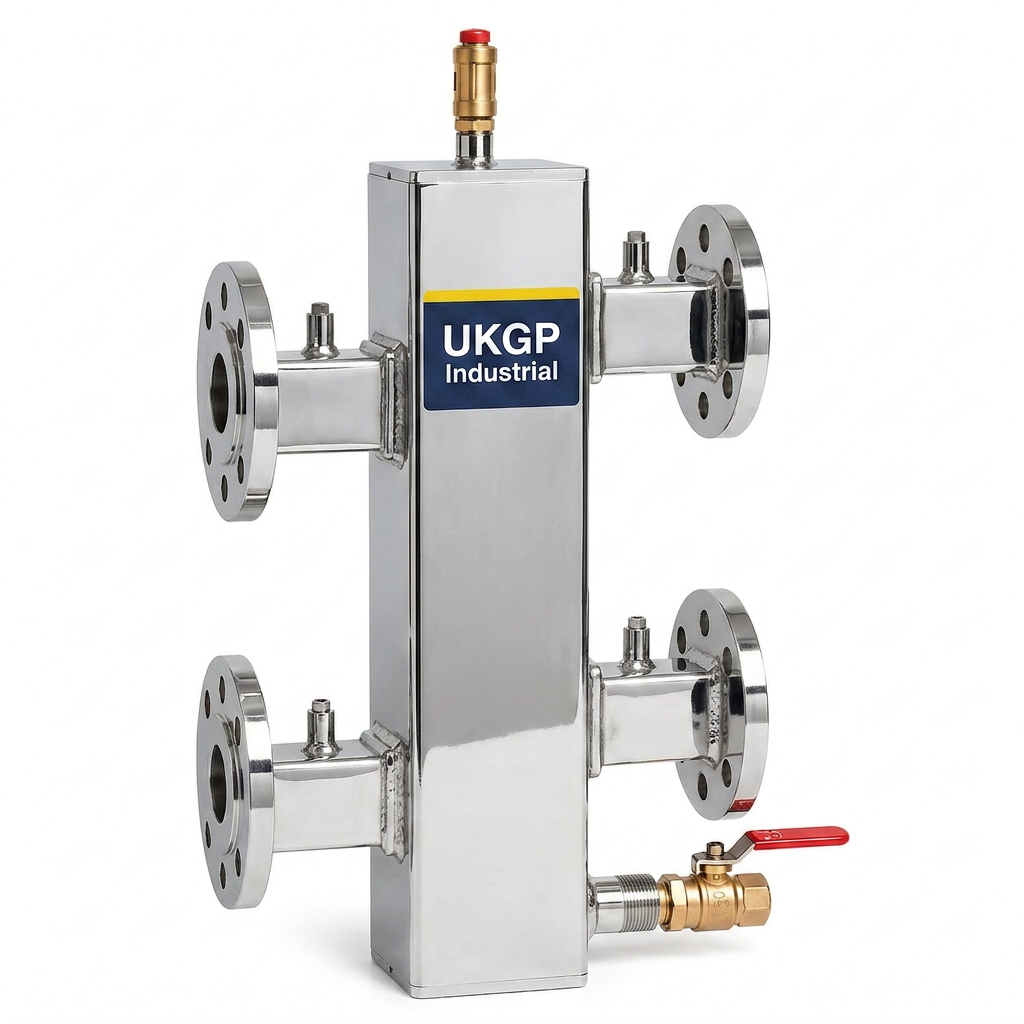
In a modern commercial heating system, the primary circuit (boilers) and the secondary circuit (heating zones/AHUs) often have vastly different flow requirements. Without a low loss header, the pumps would be connected in series, leading to hydraulic interference where one pump's pressure head affects the performance of another. This often results in pumps operating outside their designed curves, causing premature wear, noise, and inefficient heat transfer.
The low loss header creates a zone of negligible pressure drop. By effectively 'disconnecting' the two circuits hydraulically, the primary pumps only need to overcome the resistance of the boiler heat exchangers and the primary pipework, while the secondary pumps handle the distribution system. This decoupling is non-negotiable for systems utilizing variable speed pumps (PWM or 0-10V control) on the secondary side while requiring constant or minimum flow on the primary side.
- Prevention of pump conflict: Eliminates the risk of primary and secondary pumps 'tripping' each other or hunting.
- Boiler protection: Ensures minimum flow rates required by manufacturers (such as Viessmann or Vaillant) are met regardless of secondary circuit demand.
- Deaeration and dirt collection: Low velocity zones allow air to escape and debris to settle.
- Temperature stability: Provides a buffer that helps manage the delta T across the heat exchangers.
Calculating Flow Rate Differentials
To balance a system using an LLH, the engineer must understand the three possible flow conditions: Primary flow exactly matching secondary flow, primary exceeding secondary, and secondary exceeding primary. In high-efficiency condensing systems, the goal is typically for the primary flow rate (Vp) to be slightly higher than the secondary flow rate (Vs). This ensures that the flow temperature provided by the boilers is the temperature delivered to the secondary manifolds.
If the secondary flow rate exceeds the primary, a portion of the return water is pulled back through the header and mixed with the hot flow. This 'bypass' effect reduces the flow temperature to the building, potentially failing to meet the heat demand during peak periods. For installers using UKGP Industrial low loss headers, calculating these flow rates must involve checking the boiler manufacturer's specified Delta T (typically 20K for modern condensing units) against the system's operational Delta T.
Practical Balancing Procedures in the Plant Room
Commissioning begins with ensuring the primary circuit is correctly sized. BSRIA BG29/21 guidelines for pre-commission cleaning must be followed before balancing to ensure no debris affects the flow sensors or pump impellers. Once the system is clean and chemically treated, the primary pumps should be set to provide the required flow for the boiler plant's total kW output at the design temperature drop.
On the secondary side, balancing valves (such as flowsensors or DPCVs) should be adjusted to ensure each branch receives its design flow. The total secondary flow should then be checked at the bridge. If the temperature at the secondary flow port of the header is significantly lower than the primary flow port, the secondary pumps are 'over-pumping' and must be throttled back or the VSD parameters adjusted. Ensure that the neutral point remains stable across the full modulation range of the boilers.
- Verify primary flow: Check that the boiler-integrated or primary pumps are delivering the design flow rate (m³/h) at full load.
- Secondary circuit setting: Start with all secondary valves open to simulate maximum demand. Ensure the secondary pumps are not overcoming the primary pumps.
- Temperature monitoring: Use immersion sensors or clip-on thermocouples on all four ports of the LLH. A balanced system should show near-identical temperatures on the primary flow and secondary flow ports.
- Adjusting Variable Speed Drives (VSD): Fine-tune the secondary pump curves to ensure they do not exceed the primary capacity at peak load.
Addressing Air and Dirt Separation during Commissioning
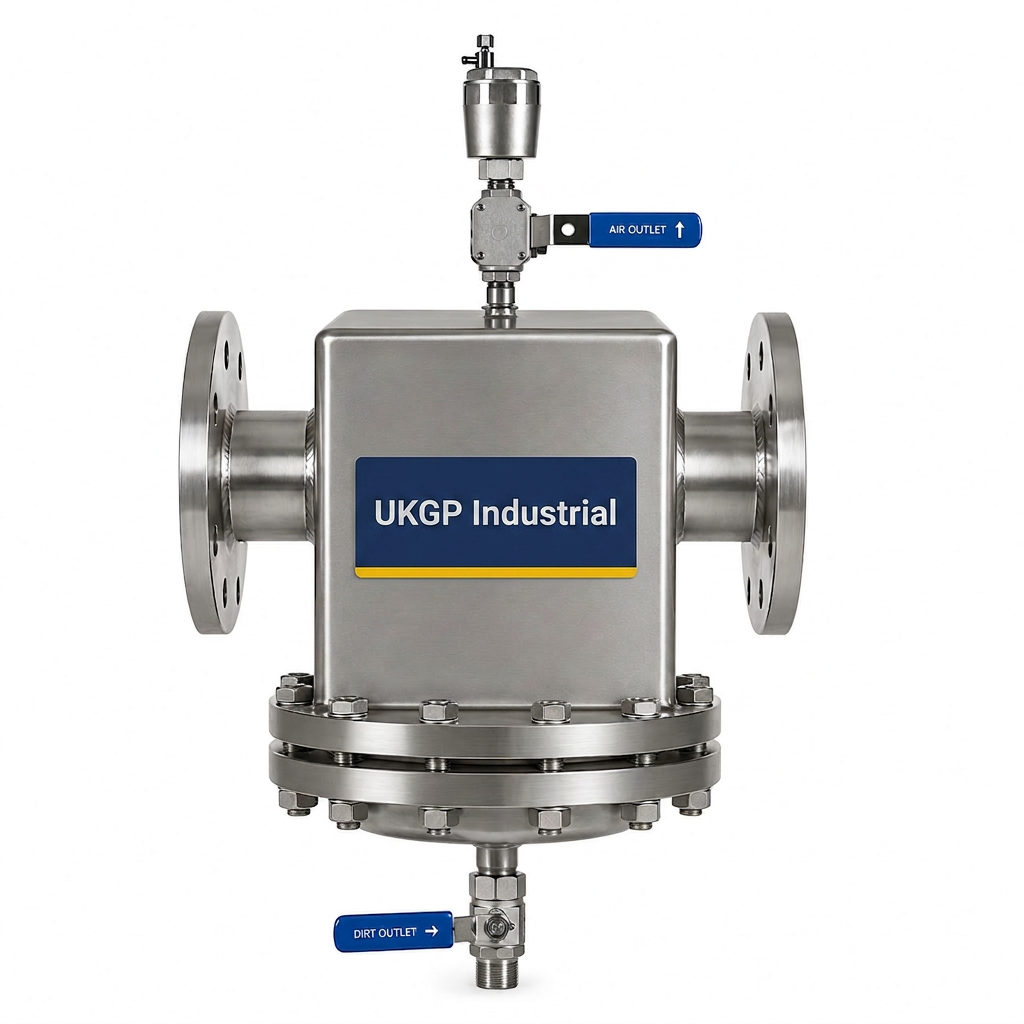
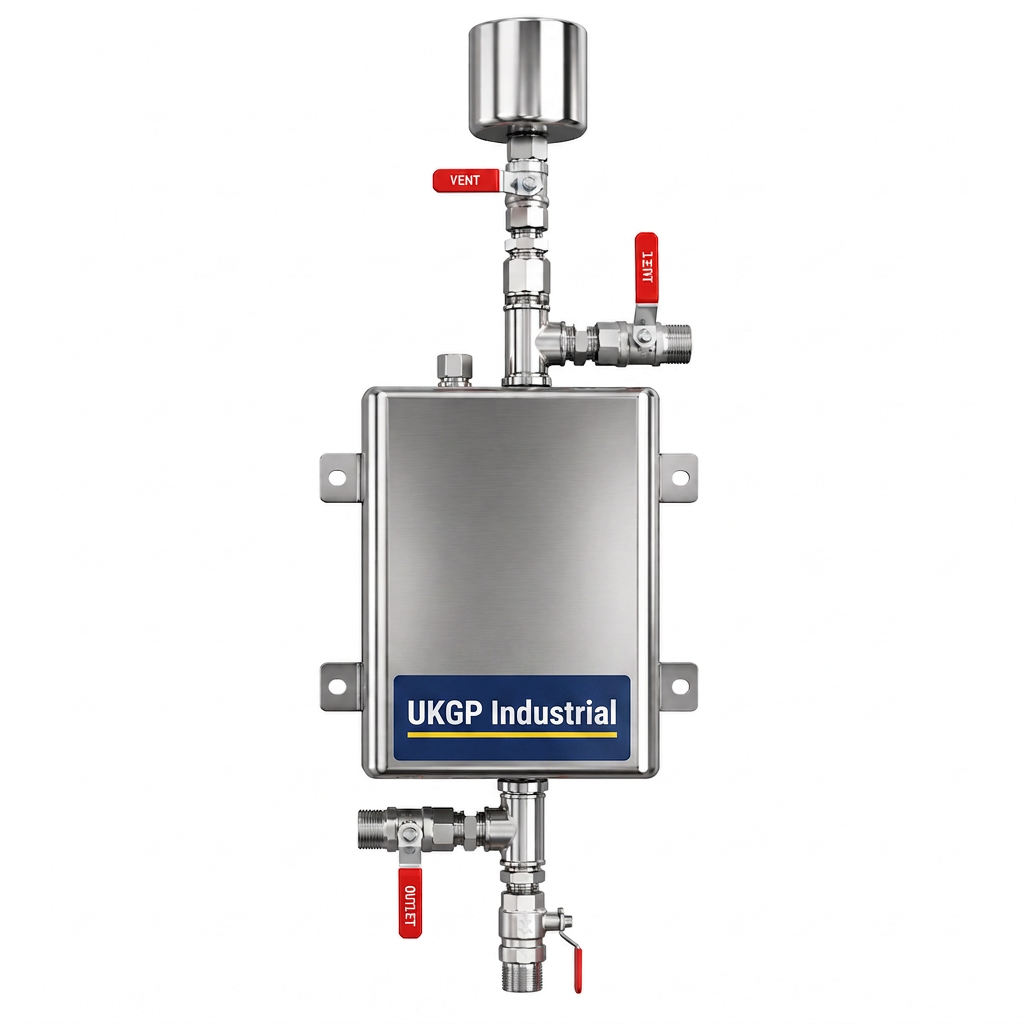
While a low loss header provides a degree of separation, it is often insufficient for modern high-performance systems with narrow-channel heat exchangers. To protect the pump seals and sensitive control valves, a dedicated air and dirt separator should be installed on the primary return before the water enters the boiler. This prevents the header from becoming a 'settlement tank' for magnetite, which can be difficult to flush.
During the balancing process, air entrainment can lead to 'hunting' pumps and inaccurate flow readings. High-velocity air can also cause cavitation in the secondary pumps. By ensuring the LLH and additional separators are correctly vented via automatic air vents (AAVs), the hydraulic integrity of the balance is maintained. Many UK engineers now specify combined units that handle both decoupling and separation within a single vessel to save plant room space.
Impact of High Return Temperatures on Efficiency Gas Condensing
A common failure in LLH balancing is allowing the return temperature to rise too high, which prevents the boilers from condensing. If the primary flow is excessively higher than the secondary flow, hot water bypasses the secondary circuit and returns directly to the boiler. This 'short-circuiting' raises the primary return temperature above the dew point of the flue gases (typically 54°C for natural gas), instantly dropping the boiler’s efficiency.
To prevent this, the primary pump speed should ideally modulate in tandem with the boiler firing rate. Advanced controls can manage this by monitoring the temperature at the low loss header sensor. In a perfectly balanced scenario, the return water from the secondary circuit should pass through the header back to the boiler with minimal mixing from the primary flow, preserving the widest possible Delta T and maximizing latent heat recovery.
Compliance with Standards and Documentation (CIBSE/BSRIA)
Final balancing must be documented as per CIBSE Code W (Water Distribution Systems). This involves recording the final flow rates, temperatures, and pump head settings. It is critical to verify that the 'neutral zone' within the low loss header is indeed neutral; this is verified when there is no significant pressure differential between the flow and return headers at the bridge.
Following the procedures in BSRIA BG50 (Water Treatment for Closed Heating and Cooling Systems) alongside hydraulic balancing ensures the longevity of the plant. A system that is hydraulically balanced but chemically unstable will eventually suffer from flow restrictions due to corrosion, rendering the initial balancing work void. Engineers should always include a bypass circuit for the LLH to allow for maintenance and flushing without impacting the entire plant.
Frequently asked questions
Does a low loss header provide system separation?
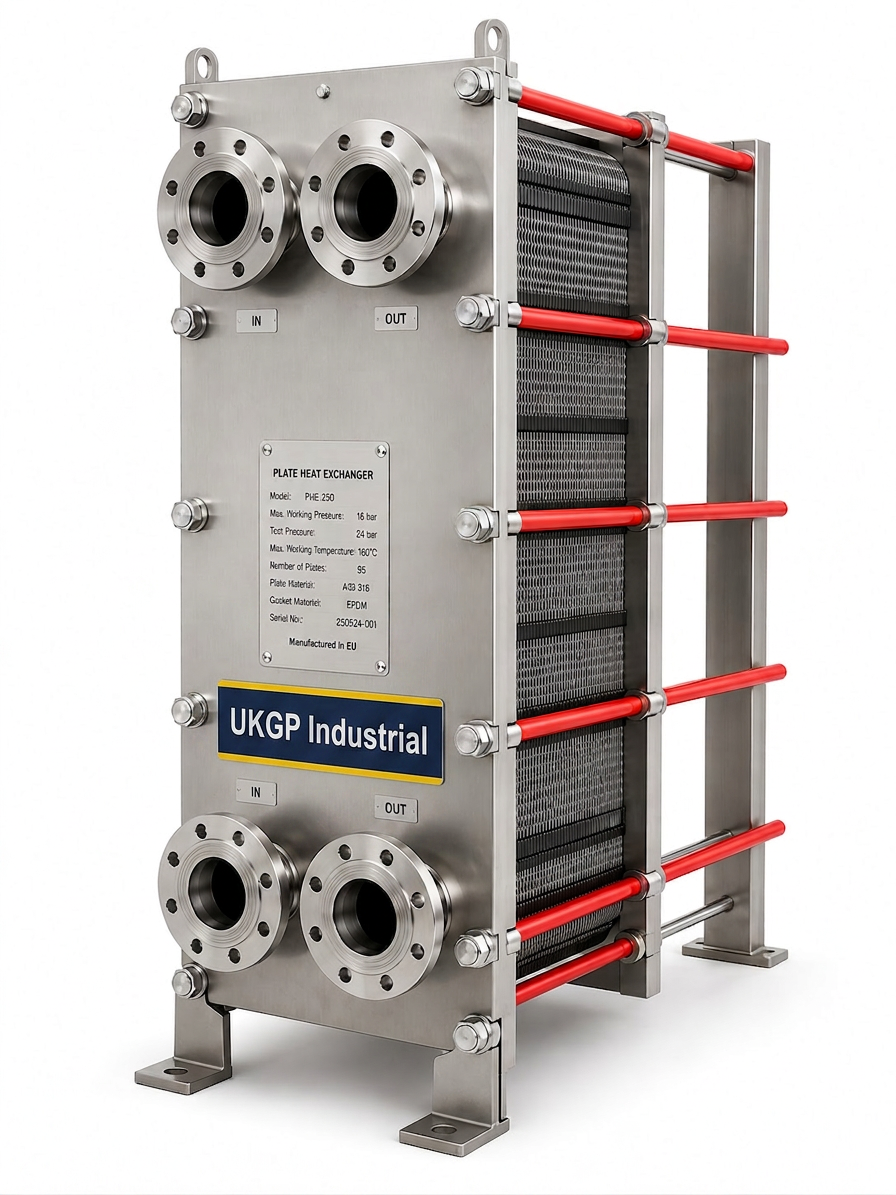
- No, a low loss header is an open hydraulic bridge. For true physical separation (e.g., protecting a new boiler from an old, dirty system), a plate heat exchanger (PHE) is required.
What is the ideal flow rate ratio between primary and secondary?
- Primary flow should ideally be 10% higher than secondary flow to ensure the header remains a mixing point that satisfies all secondary demands without starving the circuit.
Should a low loss header be installed vertically or horizontally?
- A vertical orientation is preferred as it allows the header to act as an effective air and dirt separator, with an AAV at the top and a drain valve at the base.
What happens if secondary pump speed exceeds primary flow?
- Excessive secondary flow creates a negative pressure differential across the header, causing 'bypass' where return water is sucked back into the flow, significantly lowering the flow temperature to the emitters.