The Principle of Hydraulic Decoupling
In commercial heating systems, the primary boiler circuit and the secondary distribution circuits (such as AHUs, radiator zones, or underfloor heating) often operate at vastly different flow rates. Without separation, the pumps in these circuits will compete, leading to unpredictable flow patterns, noise, and mechanical stress. A low loss header creates a zone of negligible pressure drop, allowing the primary and secondary pumps to operate independently.
For Viessmann boilers, maintaining the correct flow rate is essential for heat exchanger longevity and efficiency. If secondary demand exceeds primary supply, the header allows for bypass flow, preventing the boiler from cycling or locking out due to low flow. Conversely, if primary flow exceeds secondary demand, the header ensures the boiler sees the required return temperature to remain in condensing mode where possible.
Sizing for Condensing Efficiency and Delta-T
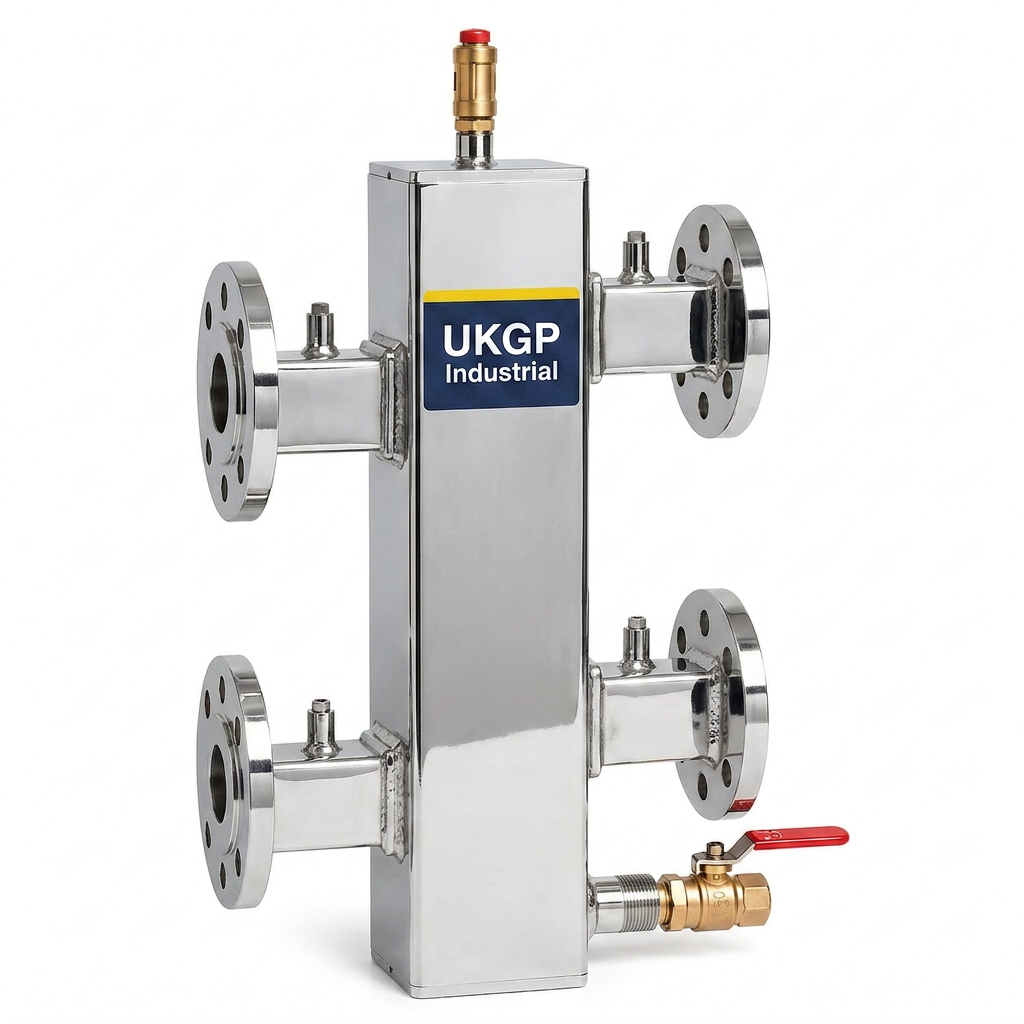
The effectiveness of a low loss header is dependent on the 'rule of the fourths' or maintaining low vertical velocities (typically <0.1m/s). For high-output Viessmann cascades, the header must be sized to accommodate the maximum potential flow rate of either the primary or secondary circuit. Calculations must be based on the design Delta-T (ΔT). Modern condensing boilers are typically designed for a ΔT of 20K (e.g., 80/60°C or 70/50°C).
If the LLH is undersized, the fluid velocity becomes too high, causing turbulence that disturbs the temperature stratification. This can lead to 'feverish' boiler sensors where the return temperature rises too quickly, forcing the boiler to modulate down or shut off before the building load is met. For engineers, using UKGP Industrial low loss headers ensures the internal volume is sufficient to facilitate this neutral pressure zone.
Integration with Vitotronic and Weather Compensation
Viessmann's control logic, particularly within the Vitotronic 200/300 series, relies on accurate temperature data from the low loss header. A common specification error is the omission of the header temperature sensor. This sensor must be placed in a pocket at the top of the header to provide the lead boiler with the actual flow temperature being delivered to the secondary system.
When using weather compensation, the boiler adjusts its flow temperature based on external conditions. The low loss header acts as a mixing chamber, ensuring that the secondary system receives the specific energy required without affecting the flow rate required by the boiler’s heat exchanger. This decoupling is vital for maintaining the high seasonal efficiency ratings (SEDBUK) associated with commercial condensing plant.
Water Quality and Protection Standards
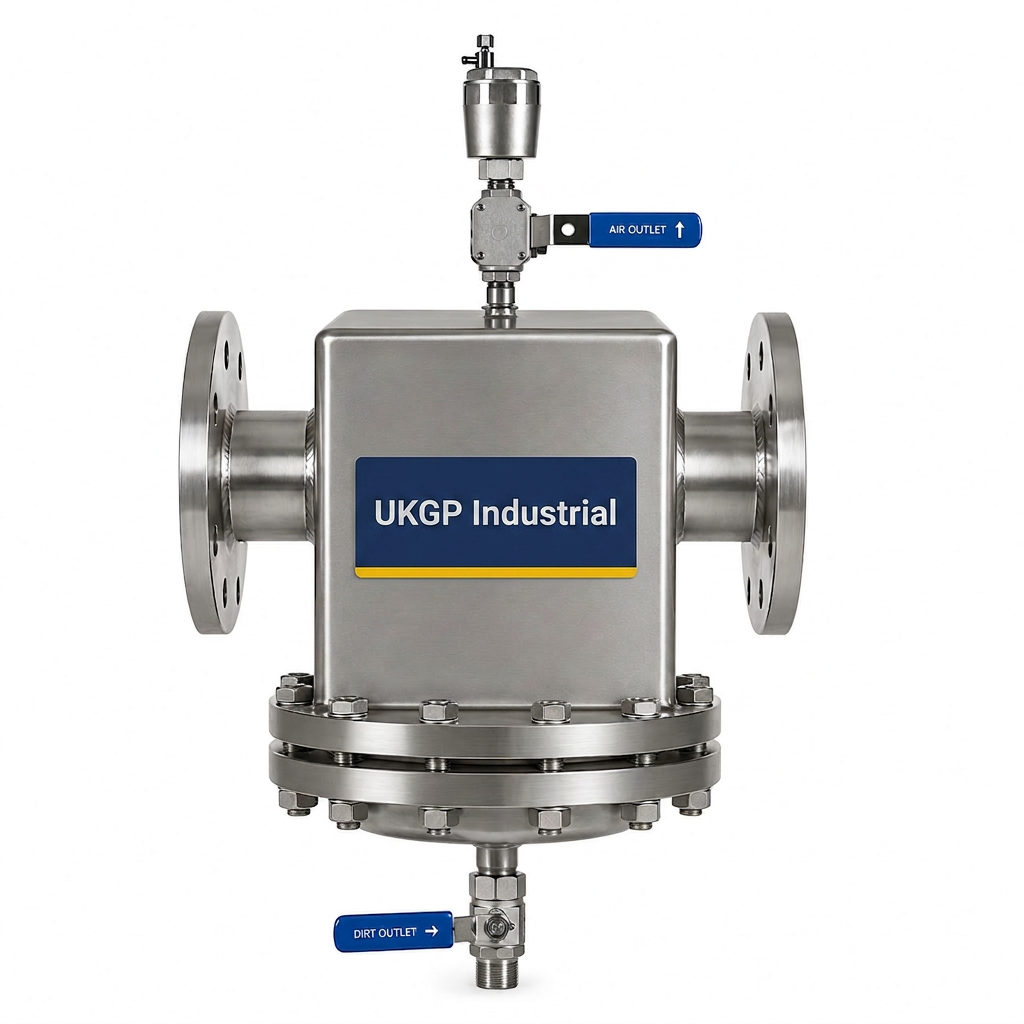
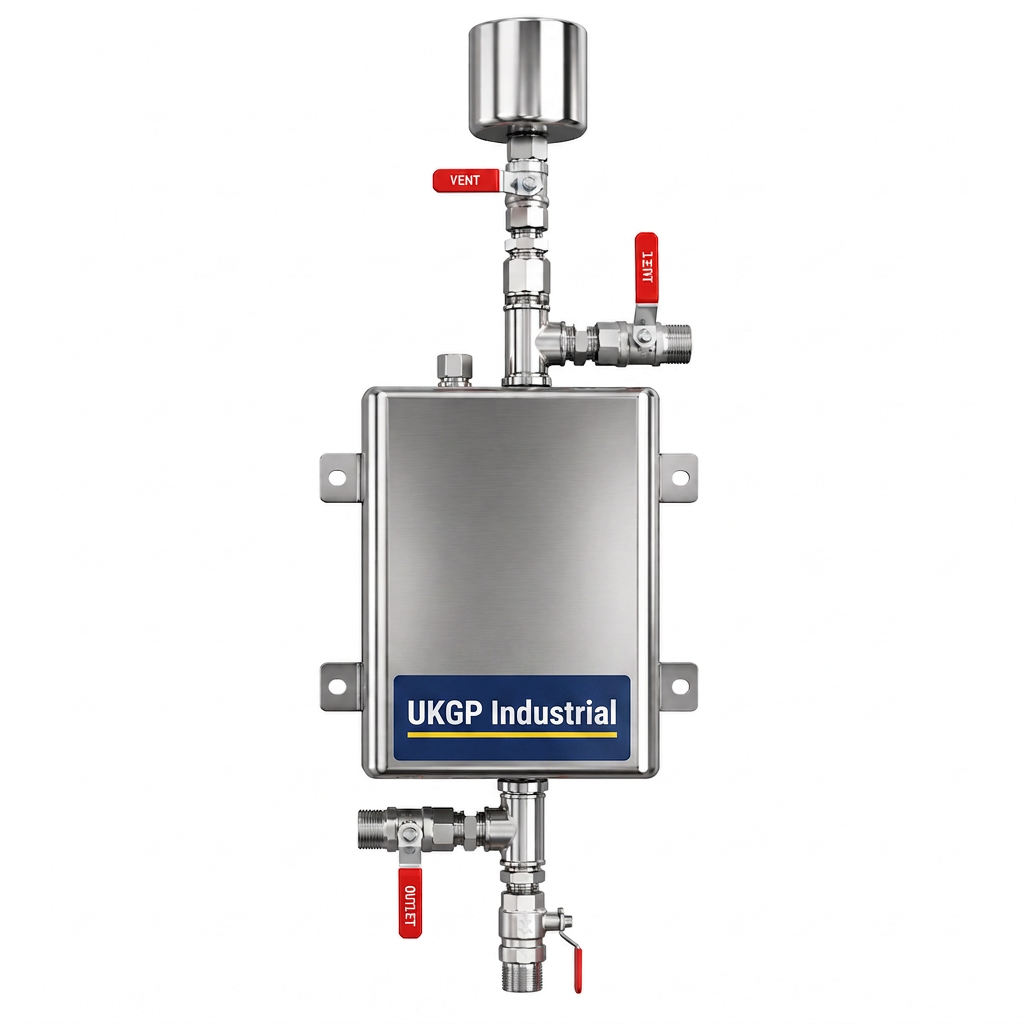
The implementation of an LLH does not exempt the system from the requirements of BSRIA BG29/21 (Pre-commission cleaning) and BG50 (Water treatment for closed heating systems). In fact, the LLH can often become a collection point for heavy magnetite and debris due to the sudden reduction in fluid velocity. Designers should consider specifying headers with integrated internal baffles or using a dedicated air and dirt separator in tandem.
High-efficiency boilers with narrow-waterway heat exchangers are particularly susceptible to blockages. By installing a high-quality separator alongside the LLH, engineers can protect the primary circuit from the suspended solids often found in older secondary pipework. This reduces the risk of pump failure and maintains the heat transfer efficiency of the Viessmann units over their operational lifespan.
Installation Best Practices and Orientation
Correct orientation of the low loss header is critical. While vertical installation is standard to take advantage of natural stratification and to allow for air venting at the top and sludge drainage at the bottom, horizontal configurations are possible in height-restricted plant rooms if specifically designed. The connections should be staggered to prevent 'short-circuiting' where the primary flow bypasses the secondary outlet.
For multi-boiler cascades, the header serves as the common return point. It is essential that the pipework between the boilers and the header is appropriately balanced. The use of double-head pumps or sacrificial shunt pumps on the primary side ensures that the pressure drop of the boiler's own heat exchanger is overcome, leaving the LLH to manage only the hydraulic interface with the rest of the building.
Frequently asked questions
Do I still need an air and dirt separator if I use a low loss header?
- Yes, while a low loss header provides hydraulic separation, it does not prevent the migration of contaminants. BSRIA BG29/21 and BG50 guidelines recommend dedicated air and dirt separation to protect high-efficiency heat exchangers and control valves.
How do I size a low loss header for a multi-boiler cascade?
- A low loss header should generally be sized for a flow velocity of no more than 0.1m/s to 0.2m/s across the bypass section to ensure effective hydraulic decupling. Over-sizing is rarely an issue, but under-sizing leads to turbulence and loss of temperature control.
Should I use a plate heat exchanger instead of a low loss header?
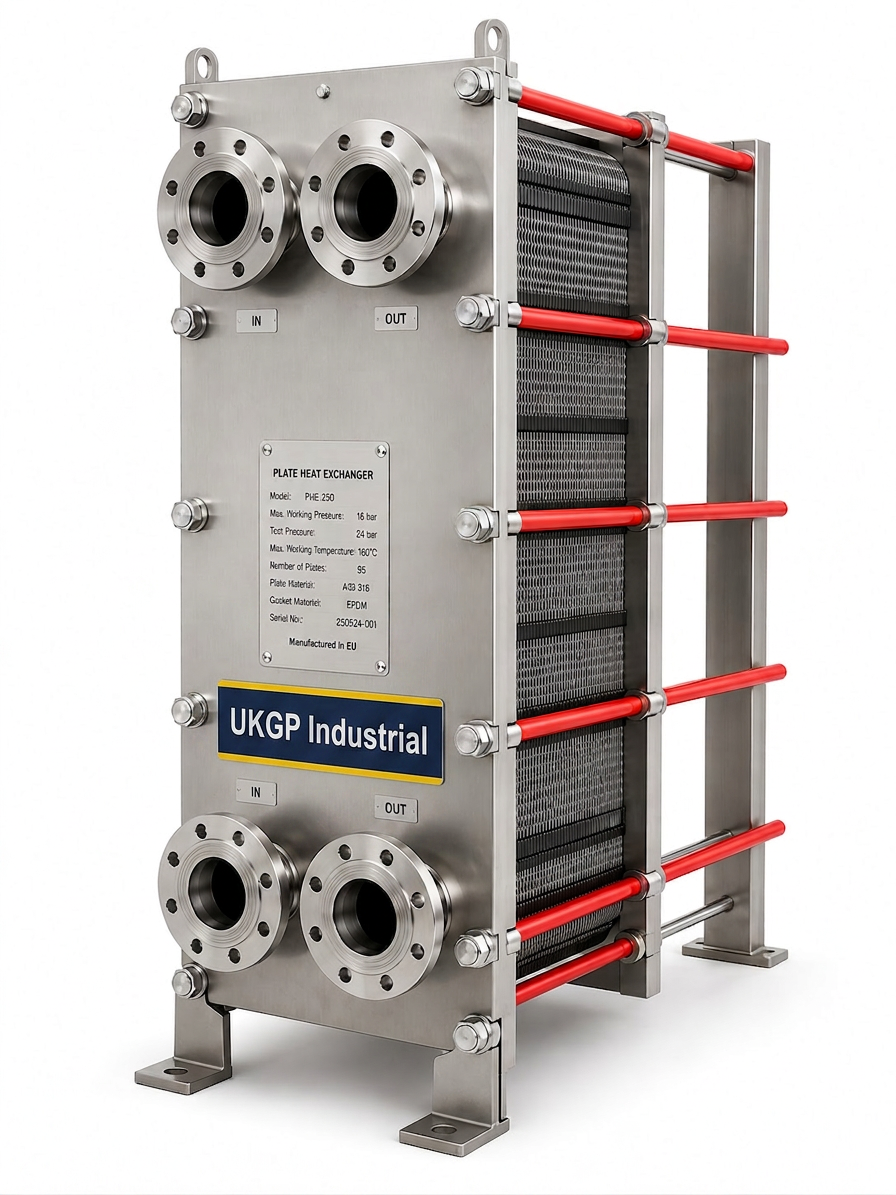
- While both provide separation, a plate heat exchanger (PHE) offers physical separation (protecting the boiler from system sludge), whereas a LLH offers only hydraulic separation. PHEs involve a temperature drop (approach temperature) which must be accounted for in design.
What are the risks of omitting a low loss header in commercial systems?
- A common error is placing the boiler shunt pump and the system secondary pump in series without a neutral point, leading to 'pump-pumping-pump' scenarios that fluctuate flow rates and risk boiler lockout on high delta-T.