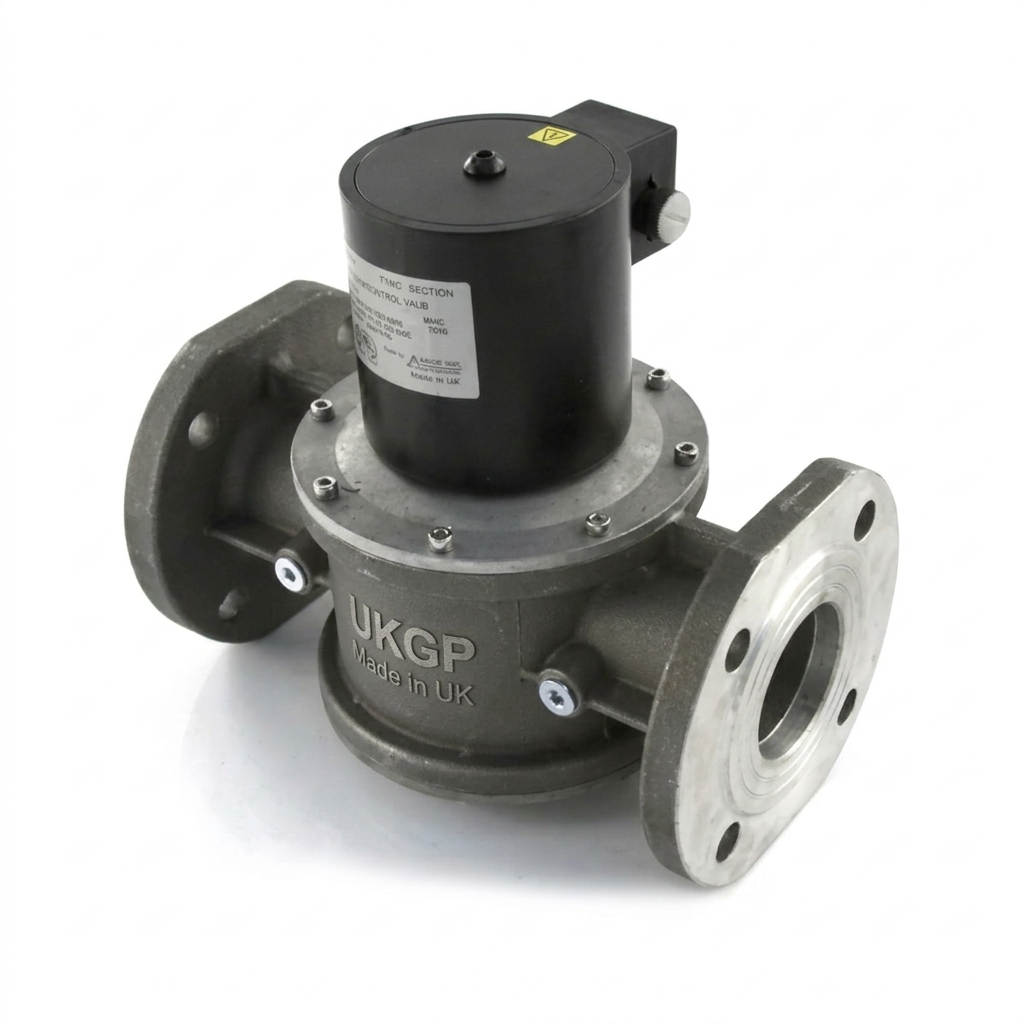
Pre-Test Checks and Statutory Requirements
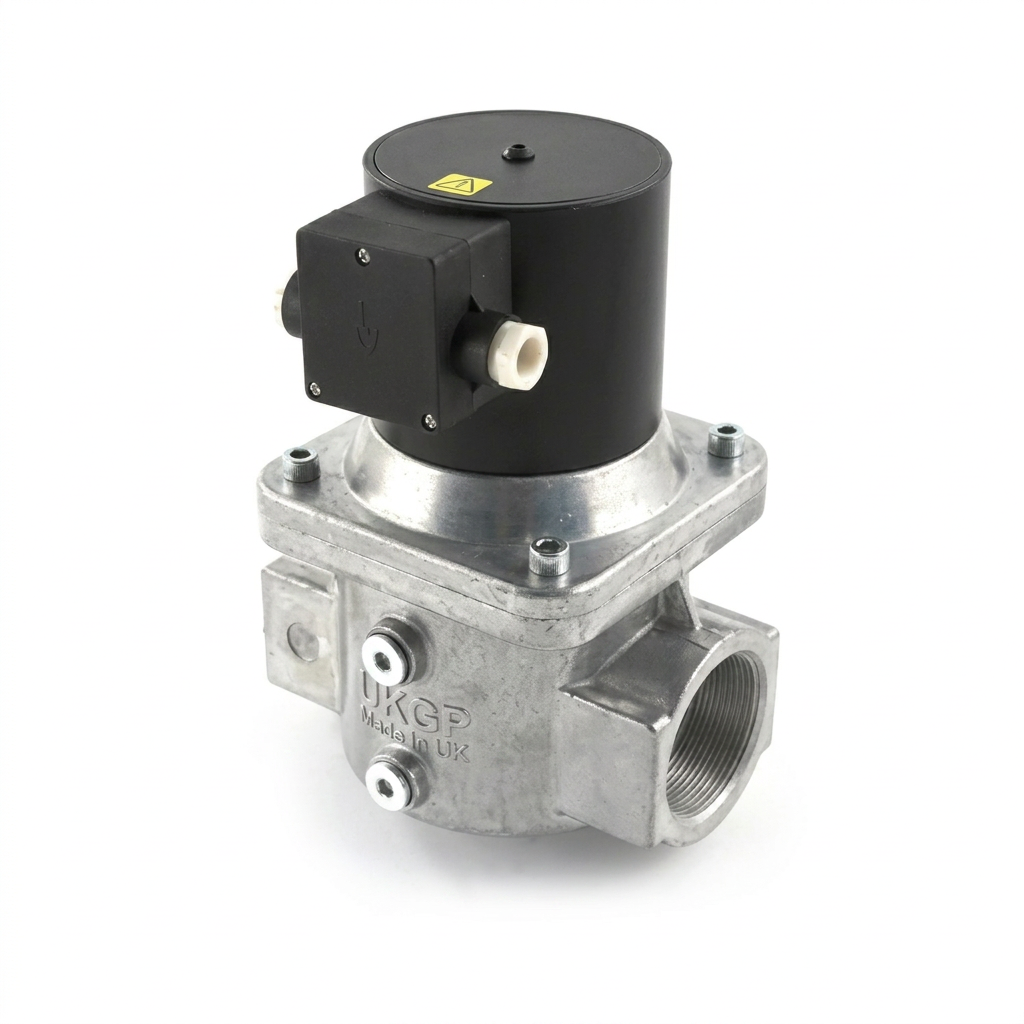
Before initiating any physical tests, engineers must verify that the valve installation aligns with IGEM/UP/2 (Gas installation pipework, boosters and compressors on industrial and commercial premises). The valve must be rated for the maximum operating pressure (MOP) of the system and classified under EN 161. For most UK commercial boiler rooms, a Class A valve is required, which ensures the valve closes in less than one second upon loss of power.
Initial visual inspections should focus on the integrity of the solenoid coil and the electrical connections. Ensure that the cable entry is via a suitable IP-rated gland and that the earth bonding is secure. If the valve is installed in a high-temperature environment or outdoors, confirm that the ambient temperature ratings have not been exceeded, as overheating is a primary cause of premature coil failure and insulation breakdown.
- Verify the valve is BS EN 161 compliant (usually Class A, Group 2).
- Check the voltage rating on the coil (typically 230V AC or 24V DC).
- Identify additional features such as closed-position switches (CPS) or visual indicators.
- Ensure the flow direction arrow matches the pipework orientation.
Functional Operational Testing
The functional test confirms that the electromagnetic actuator can overcome the internal spring tension and gas pressure to lift the disc. With the gas supply isolated upstream, apply the rated voltage to the coil. A healthy solenoid will produce an audible mechanical click. If the valve fails to open despite receiving power, the coil may be open-circuit or the internal plunger could be obstructed by debris from the pipework.
Testing must also include the integration with the Building Management System (BMS) or Boiler Management System. Most modern plant rooms require the gas solenoid to be interlocked with the ventilation system (via air pressure switches or current sensors) and the fire alarm system. Verify that the valve closes automatically when the ventilation is switched off or when the fire alarm is triggered. This 'fail-safe' mechanism is the cornerstone of plant room safety.
- Isolate the electrical supply and check for continuity across the coil terminals.
- Apply power and listen for the distinct 'clunk' of the plunger lifting.
- Measure the 'holding' current to ensure it falls within the manufacturer’s specified parameters.
- Test the emergency stop circuit to ensure the valve drops out immediately when the circuit is broken.
Frequently asked questions
How often should a gas solenoid valve be tested?
- Typically, safety-critical components like gas solenoid valves should be functionally tested every 6 to 12 months as part of a planned preventative maintenance (PPM) schedule, or as specified by the manufacturer and IGEM/UP/2.
What is the difference between normally-closed and normally-open valves?
- Normally-closed valves require power to open and close automatically when power is removed. Normally-open valves (often used for venting) stay open without power and require an electrical signal to close. In boiler rooms, normally-closed is the standard for safety shut-off.
Why is my gas solenoid valve coil getting hot?
- The 'holding power' or 'wattage' of a solenoid coil can be high. If the coil is too hot to touch comfortably or shows signs of discolouration/burning, it likely indicates a failing internal winding or overvoltage, and the coil should be replaced.
What are common reasons for a valve failing to open?
- Check the coil for continuity and ensure the supply voltage matches the rating plate (typically 230V AC). If there is power but no 'click', the internal plunger may be seized due to debris, or the diaphragm may be ruptured.