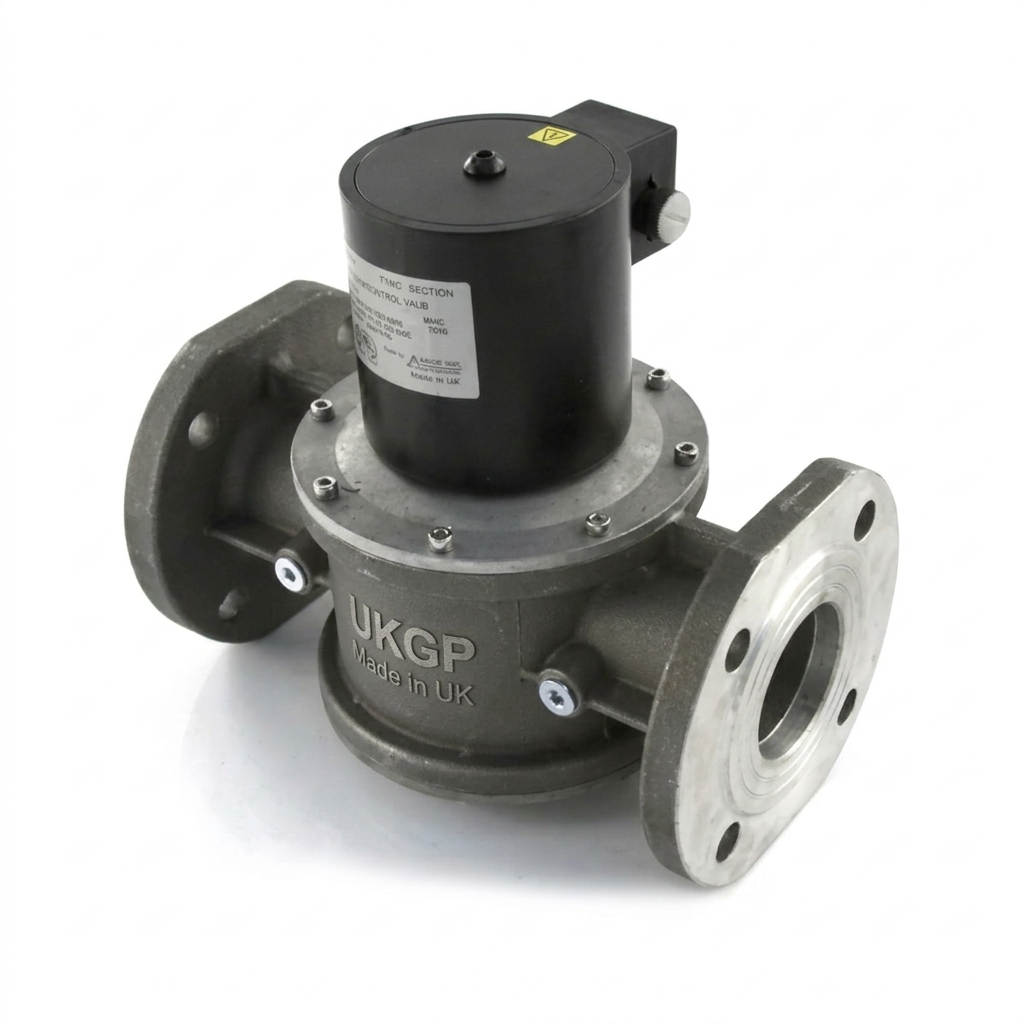
Diagnosing Electrical Failure to Open
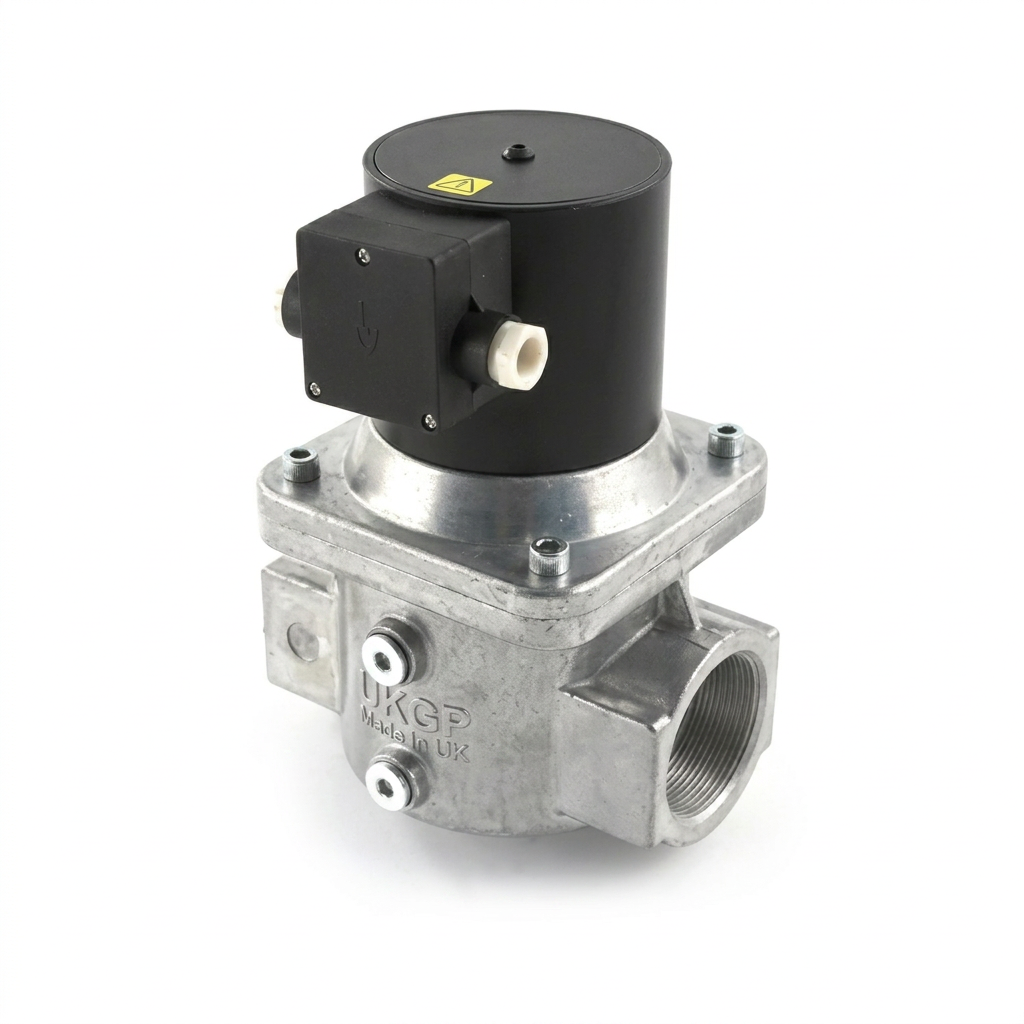
The most frequent service call regarding gas solenoid valves is a failure to open upon demand. Before condemning the valve, engineers must verify the control signal. Because these are normally-closed valves, they require a constant electrical signal to overcome the internal spring pressure. Use a calibrated multimeter to check the terminals within the DIN plug or terminal box. If 230V is present but the valve remains closed, the issue is likely the coil or a mechanical seizure.
A common cause of coil failure is 'over-voltage' or high ambient temperatures within the plant room exceeding the coil's thermal rating. If the coil appears discoloured or emits a pungent 'burnt' smell, it has likely failed. Ensure that the coil is never energised while removed from the valve stem, as the lack of an iron core path will cause the coil to overheat and burn out within seconds.
- Incorrect supply voltage (check for 230V AC or 24V DC as per coil rating).
- Blown fuses in the Gas Proving System or BMS controller.
- Active interlock from the fire alarm, emergency stop button, or fan-dilution system.
- Coil burnout (check for continuity using a multimeter).
Internal Leaks and Failure to Close
Under Reg 27 of the Gas Safety (Installation and Use) Regulations, a valve must provide a bubble-tight shut-off. If a gas prover or downstream pressure gauge indicates a rise in pressure while the valve is de-energised, the valve is passing gas. This is often caused by particles of pipe scale or construction debris (swarf) becoming lodged between the valve disc and the seat. This is why BSRIA BG29/21 emphasises the importance of system flushing and the installation of a gas filter upstream of the solenoid.
If cleaning the seat does not rectify the leak, the elastomer seal may have degraded. In industrial environments where gas might contain higher concentrations of heavier hydrocarbons or additives, the seal material must be compatible. If the valve is failing to close mechanically, it is a critical safety breach; the valve must be replaced, and the system should not be left in operation.
- Debris or swarf on the valve seat preventing a gas-tight seal.
- Damaged or perished NBR/Viton seals due to gas contaminants.
- Weakened internal spring unable to overcome line pressure or friction.
- Mechanical obstruction within the guide tube.
Pressure Differentials and Flow Issues
Gas solenoid valves are rated for specific maximum operating pressures (MOP), typically 200 mbar, 360 mbar, or up to 6 bar for high-pressure industrial lines. If the upstream pressure exceeds the valve's rating, the magnetic force of the coil may be insufficient to lift the plunger against the gas pressure, preventing the valve from opening. Conversely, if the valve is oversized for the application, the velocity may be too low, though this is more of a cost and space issue than a functional failure.
Engineers should also check for a high pressure drop across the valve. A standard EN 161 Class A valve should not contribute significantly to pressure loss if sized correctly. If you observe a drop of more than 1-2 mbar across the valve at full load, it suggests the internal filter mesh (if fitted) or the valve body is restricted. Referenced against IGEM/UP/2, the total allowable pressure drop from the meter to the appliance must be strictly maintained to ensure burner stability.
Interlocks and Gas Proving Systems
In UK commercial kitchens, BS 6173 requires an interlock between the ventilation system and the gas supply. If the gas solenoid valve is tripping out, the fault often lies not with the valve itself, but with the air differential pressure switches or the Gas Proving System (GPS). The GPS is designed to check for downstream leaks before allowing the solenoid valve to open. If even a small leak is detected (or a chef has left a burner ring open), the solenoid will remain closed.
Troubleshooting these systems requires a systematic approach. Bypass the interlock momentarily (for testing purposes only by a competent person) to see if the valve clears. If the valve opens when the interlock is bypassed, the fault is upstream in the control logic or downstream in the pipework integrity. Always ensure that the BMS or Kitchen Interlock Panel is sending a clean, stable voltage to the valve coil.
- Verify the Gas Proving System sequence (it must sense a stable pressure for 30-60 seconds).
- Ensure all downstream manual isolation valves (taps) are closed during the test.
- Check for leaks in the downstream pipework using a leak detection spray or electronic sniffer.
- Inspect the pressure transducer or pressure switch for correct calibration.
Maintenance and Compliance Standards
Compliance with British Standards and IGEM guidelines is non-negotiable for commercial gas installations. Gas solenoid valves should be included in the annual plant room maintenance schedule. Because these valves are often 'static' for long periods, they can occasionally stick. Periodic cycling of the valve ensures the plunger remains free-moving. Maintenance should also include a visual inspection of the valve body for any signs of external corrosion, particularly in damp environments or boiler rooms with poor ventilation.
Finally, when replacing a valve, engineers must ensure the new unit meets EN 161 (Class A) requirements for automatic shut-off. Using UKGP Industrial gas solenoid valves ensures compliance with these rigorous safety standards. Always record the commissioning data, including the 'let-by' and 'tightness' test results, in the site logbook to maintain the building’s safety file and satisfy insurance requirements.
- Annual inspection for signs of corrosion or leakage.
- Tightness testing as per IGEM/UP/1 or 1A.
- Cleaning of upstream gas filters.
- Checking electrical terminations for tightness and signs of thermal stress.
Frequently asked questions
Why is my gas solenoid valve making a loud humming noise?
- A 'buzzing' or 'humming' sound is usually indicative of an AC solenoid experiencing 'shading ring' failure or dirt between the armature and the tube. It can also be caused by low voltage supply or a failing coil. If the noise is excessive, the coil or the entire valve assembly should be replaced to prevent overheating.
Can I install a gas solenoid valve in a vertical pipe run?
- No, EN 161 standard valves are designated for specific orientations. Most automatic-reset valves must be installed in a horizontal pipe run with the coil facing upwards (within a 90-degree tolerance). Vertical installation or mounting the coil upside down can lead to premature mechanical failure and debris accumulation.
Does an automatic-reset valve require power to stay open?
- Normally-closed valves require a constant electrical hold-on current to stay open. In the event of a power failure, the internal spring provides a 'fail-safe' closure. If the valve remains open without power, the internal seal or spring mechanism is jammed, and the valve must be replaced immediately for safety.
How do I determine the correct size for a replacement valve?
- The valve must be sized based on the pressure drop (delta P) and the required flow rate (m³/h), not just the pipe diameter. Oversizing can lead to 'chatter' or poor control, while undersizing causes excessive pressure drops that can trip out downstream burner pressure switches.