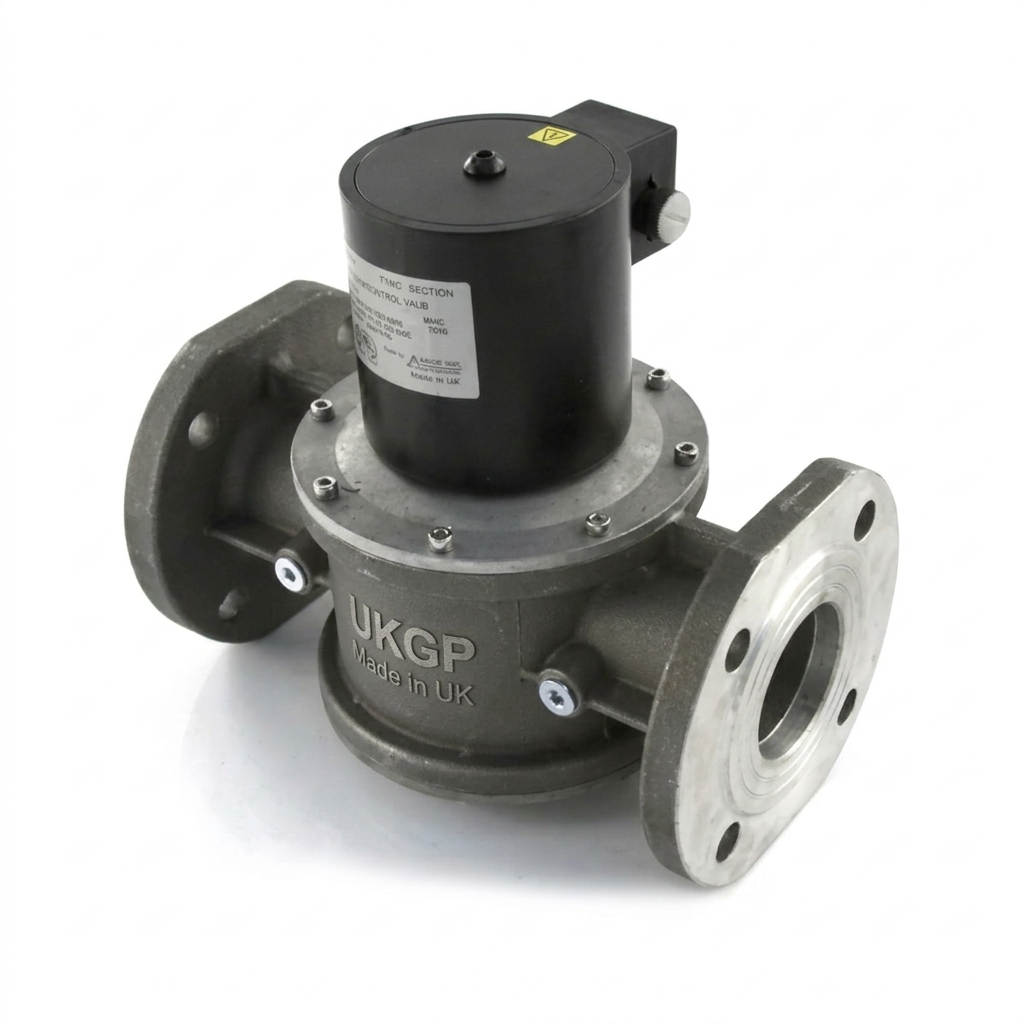
The Regulatory Context of Gas Shut-off
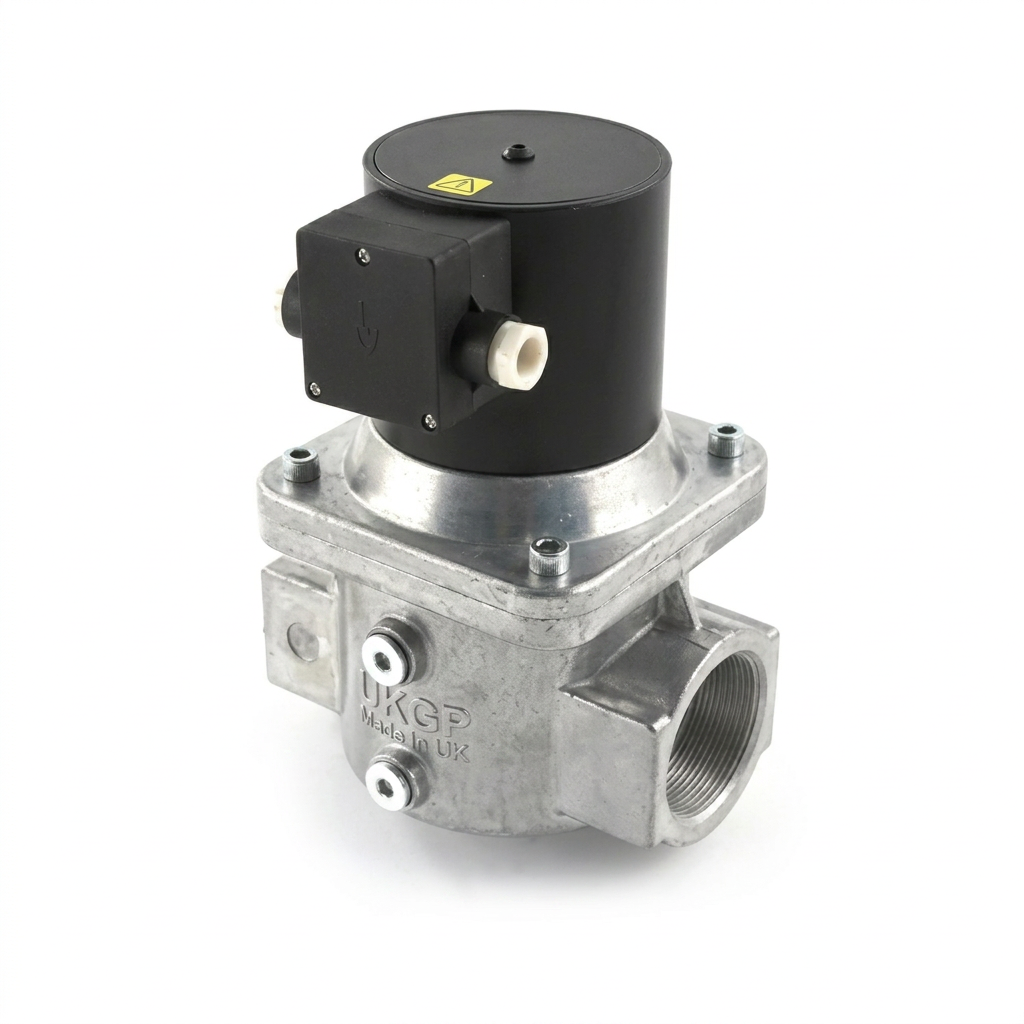
In the UK, the selection of gas solenoid valves is governed by strict safety standards to ensure the integrity of the gas train. Under IGEM/UP/2, the total allowable pressure drop from the meter outlet to the appliance inlet is strictly capped—usually at 1.0 mbar for natural gas systems operating at low pressure. Because the solenoid valve is a mechanical restriction in the flow path, its specific ΔP must be accounted for within this global calculation.
Safety shut-off valves used in these environments must be 'normally-closed' (NC) and usually require an automatic-reset function for integration with Gas Proving Systems or Fire Alarm interlocks. EN 161 classifies these valves based on their performance and durability; Class A valves are the industry standard for commercial plant rooms, offering the highest level of shut-off reliability and seat tightness.
- IGEM/UP/2: Gas installation pipework, boosters and compressors.
- BS 6173: Installation and maintenance of gas-fired catering appliances.
- The Gas Safety (Installation and Use) Regulations 1998.
- EN 161: Automatic shut-off valves for gas burners and gas appliances.
Calculating Pressure Drop: Flow Coefficient (Kv) vs Flow Rate (Q)
The pressure drop across a valve is a function of the flow rate (m³/h), the specific gravity of the gas (natural gas ≈ 0.6, LPG ≈ 1.5), and the valve's Flow Coefficient (Kv). The Kv value represents the volume of water in m³/h that will flow through the valve with a pressure drop of 1 bar. For gas applications, this must be corrected for the density and pressure of the medium.
When selecting a valve, designers should avoid simply matching the pipe diameter. A 2" (DN50) pipe may technically carry the required load, but if the valve body has a restrictive internal orifice, the local velocity increases, leading to a disproportionate pressure drop. UKGP Industrial technical data sheets provide specific flow curves that plot flow rate (m³/h) against pressure drop (mbar), allowing engineers to verify that the valve does not exceed the 1.0 mbar threshold at peak demand.
Frequently asked questions
Are all gas solenoid valves of the same diameter equivalent in pressure drop?
- No. While often similar, gas solenoid valves are rated by capacity (m³/h) and maximum operating pressure (MOP). Always use the manufacturer’s flow curve to verify the specific ΔP at your required peak load.
What is the maximum acceptable pressure drop for a commercial gas solenoid valve?
- A standard safety valve should typically not exceed a 1.0 mbar drop across the body at peak flow. If the drop is higher, it can lead to burner starvation or insufficient pressure at the downstream regulator.
Why is EN 161 Class A the standard for these valves?
- Class A valves, as defined by EN 161, are required for the majority of industrial and commercial gas lines in the UK to ensure positive shut-off and durability under standard operating cycles.
Can a gas valve be oversized?
- An oversized valve may cause 'hunting' in modulated systems or fail to open correctly if the minimum differential pressure requirement of the valve isn't met (though many UKGP valves are zero-rated). Excessively high pressure drop from an undersized valve is a far more common failure mode.