Types of Expansion and Movement Control
In a typical data centre chilled water (CHW) loop, temperature differentials between standby and peak load can lead to significant linear expansion of steel pipework. Mechanical engineers must calculate the total thermal growth using the coefficient of linear expansion for the specific pipe material (e.g., 0.012 mm/m/°C for carbon steel). Failure to accommodate this movement results in excessive stress on pump headers, chiller nozzles, and sensitive heat exchangers.
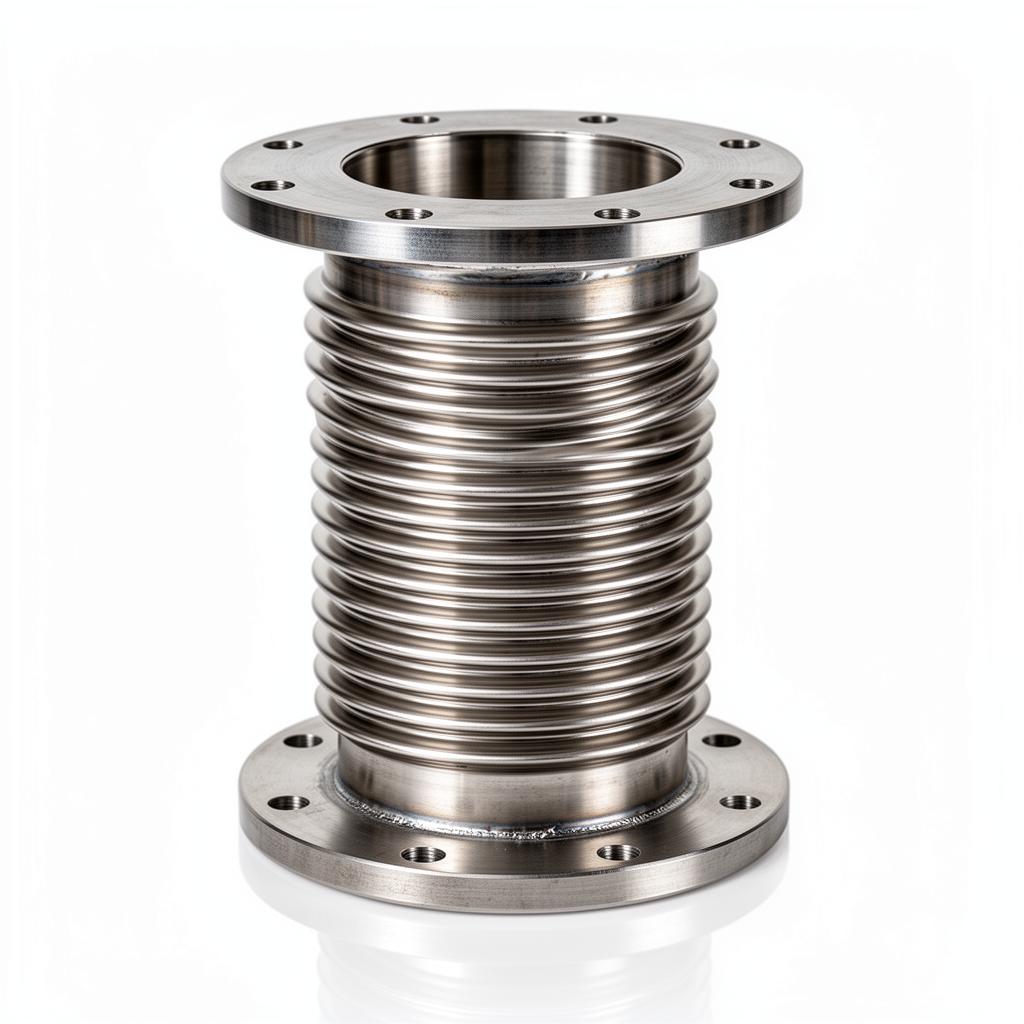
The Expansion Joint Manufacturers Association (EJMA) provides the global standard for these calculations. In data centre applications, axial bellows are the most common selection for long straight runs, whereas lateral or angular configurations are utilised at building expansion joints or where the pipework transitions between the external plant deck and the internal white space. Coordination with the structural engineer is vital to ensure that main anchors can withstand the combined forces of pressure thrust and the spring rate of the bellows.
- Axial: Movement parallel to the pipe axis.
- Lateral: Displacement perpendicular to the pipe axis, often requiring twin-bellows configurations.
- Angular: Rotation around the centre of the bellows.
- Universal: Combined axial and lateral movement for complex pipe geometries.
Frequently asked questions
When should I specify metallic bellows over rubber?
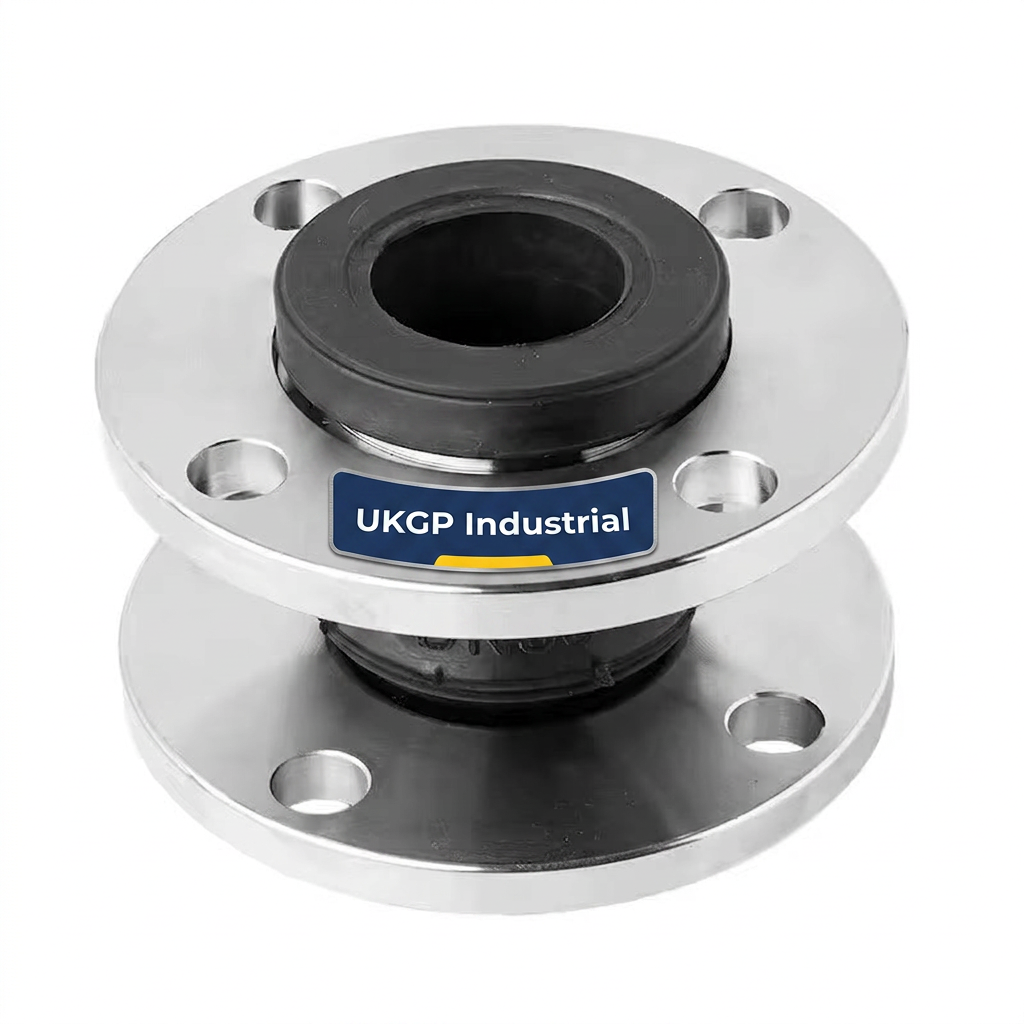
- While EPDM is excellent for thermal cycles, internal 316L stainless steel bellows are required for high-pressure systems or where synthetic refrigerant blends are used, as per EN 14917 standards.
How does BSRIA BG29/21 affect bellows installation?
- BSRIA BG29/21 mandates strict water treatment and flushing. Bellows should be inspected post-flush to ensure no debris is trapped in the convolutions, which can lead to premature stress corrosion cracking.
Are tie bars mandatory for data centre chilled water lines?
- Yes, tie bars are essential for unrestrained expansion joints handling pressures above 1.5 bar to prevent the bellows from over-extending due to internal pressure thrust.
What is the correct positioning for an axial expansion joint?
- Expansion bellows should be located between two main anchors, typically within 4 pipe diameters of the first guide to prevent squirm and misalignment.