The Mechanics of Fatigue in Metallic Bellows
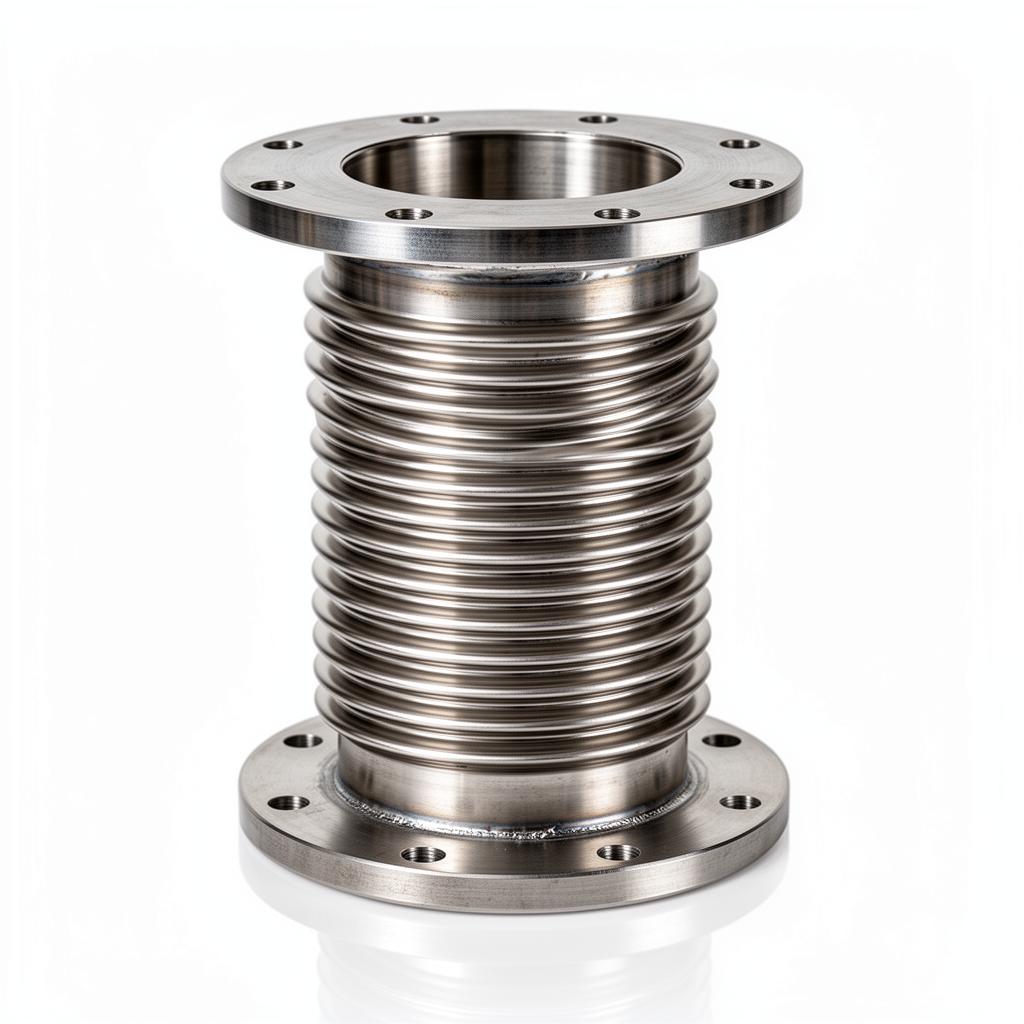
For stainless steel expansion joints, failure is rarely instantaneous. Instead, it is the result of cumulative fatigue within the convolutions. Every time the system undergoes a heating and cooling cycle, the bellows material is stressed beyond its elastic limit, entering the realm of plastic deformation. In accordance with the Expansion Joint Manufacturers Association (EJMA) standards, the design of these components relies on the trade-off between pressure resistance, flexibility, and fatigue life.
Modern UK specifications often demand compliance with EN 14917, which provides the framework for calculating the number of cycles a bellows can withstand before a crack propagates through the wall thickness. Typically, a 'cycle' is defined as the movement from the neutral position to the full rated compression, back to neutral, then to full extension, and back to neutral again. It is vital for building services engineers to recognise that cycle life is not linear; doubling the movement does not halve the life—it may reduce it by a factor of ten.
- Fatigue (Mechanical Work Hardening) of the convolutions.
- Corrosion/Erosion, particularly in high-velocity steam or saline environments.
- Squirm (instability) under high internal pressures.
- Improper guiding and anchoring leading to non-axial loading.
Frequently asked questions
What is the standard cycle life for a stainless steel expansion joint?
- While most commercial HVAC bellows are designed for 1,000 to 5,000 cycles, industrial or high-pressure units can be engineered for 10,000+ per EJMA standards. However, actual life is heavily dependent on the amplitude of movement and operating temperature.
Does EJMA cycle life theory apply to rubber bellows?
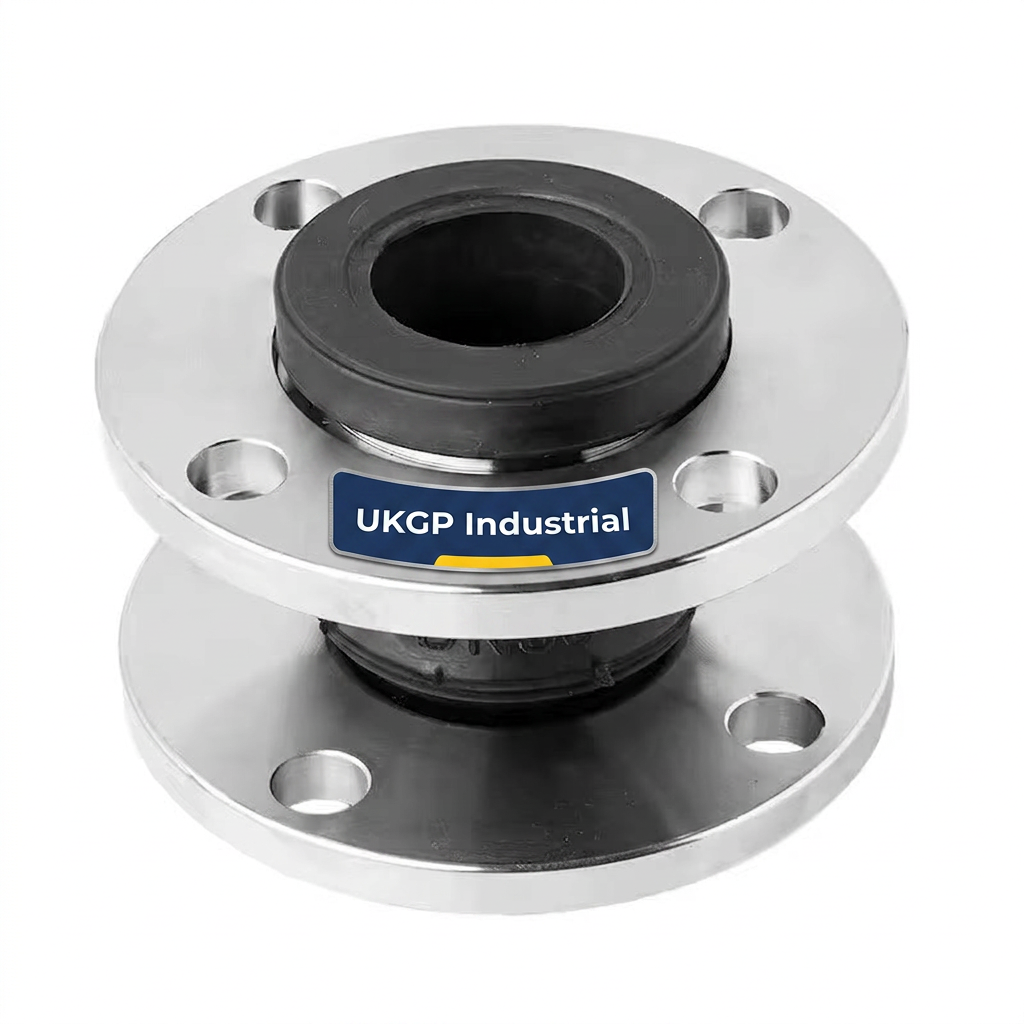
- No. Rubber bellows fatigue due to oxidation and polymer chain degradation rather than mechanical work hardening. Cycle life is less of a metric for rubber than temperature-pressure duration and UV exposure.
What is 'squirm' and how does it affect lifespan?
- Squirm is a form of column instability where the bellows deforms laterally under internal pressure. Use of internal sleeves or external limit rods can mitigate this, but it significantly reduces cycle life if it occurs.
How does over-extension affect cycle life?
- Exceeding the rated stroke by just 20% can reduce the fatigue life of a metallic bellows by over 50%. Always ensure 10-15% margin between calculated expansion and bellows rated movement.