EPDM: The Standard for HVAC and Water Systems
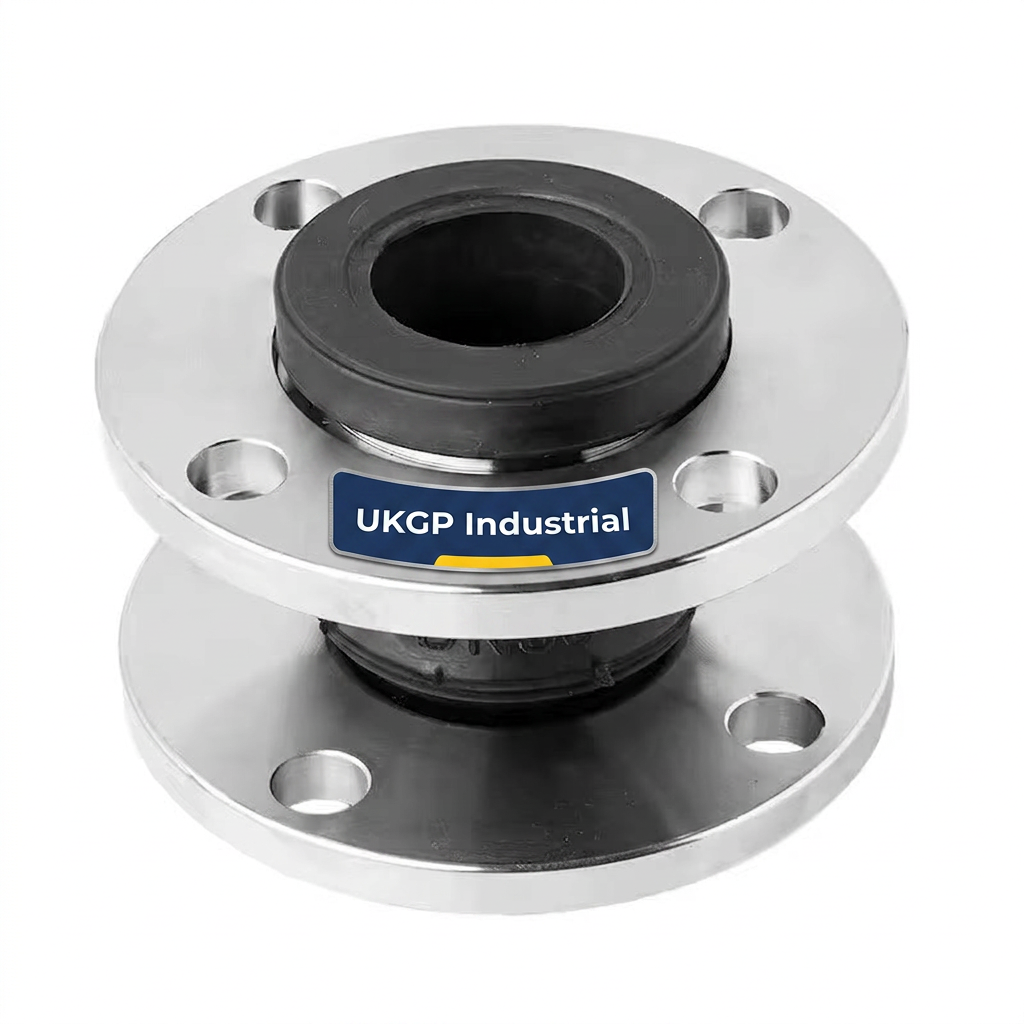
Ethylene Propylene Diene Monomer (EPDM) is the most frequently specified elastomer for commercial heating and cooling applications in the UK. Its molecular structure provides exceptional resistance to heat and weather, making it the primary choice for LTHW (Low Temperature Hot Water) and chilled water circuits. In accordance with BSRIA BG29/21, closed-loop systems treated with standard corrosion inhibitors are well-suited to EPDM liners.
EPDM excels in environments where it is exposed to oxygen and sunlight, such as rooftop plant rooms or external chilled water mains. It maintains flexibility over a broad temperature range, typically from -20°C to +100°C (depending on pressure and grade). However, engineers must be aware that EPDM is not resistant to mineral oils, fats, or hydrocarbons. Even trace amounts of oil in a compressed air line or a hydraulic leak can cause the EPDM to swell and lose its structural integrity.
- Excellent resistance to heat, ozone, and atmospheric ageing.
- High performance in water-based systems (LTHW, CHW, GWS).
- Compatibility with dilute acids and alkalis.
- Superior resistance to weather and UV exposure for outdoor plant.
Frequently asked questions
Can I use EPDM bellows for an oil-fired boiler feed line?
- No. NBR is specifically designed for oil and fuel resistance. EPDM will swell and disintegrate rapidly if exposed to hydrocarbons. For fuel lines, NBR is essential.
Is EPDM suitable for LTHW heating systems?
- Yes, EPDM is the standard choice for LTHW and MTHW systems up to 90-100°C. However, for constant operation at the upper limit, high-temperature EPDM variants should be specified.
What is the pressure rating for these bellows?
- Standard rubber bellows are typically rated to 10 or 16 bar at 20°C. As temperature increases, the pressure rating must be derated according to the manufacturer's charts. Always check the working pressure at the maximum operating temperature.
When should I choose NBR for water applications?
- While EPDM is excellent for water, if the cooling water contains significant oil carry-over from compressors or pumps, NBR may be required to prevent premature failure of the inner liner.
What is the expected service life of a rubber expansion joint?
- Generally, five to ten years depending on cycles, temperature, and media. UKGP Industrial recommends annual inspections as per BSRIA BG50 maintenance guidelines to check for surface cracking or hardening.