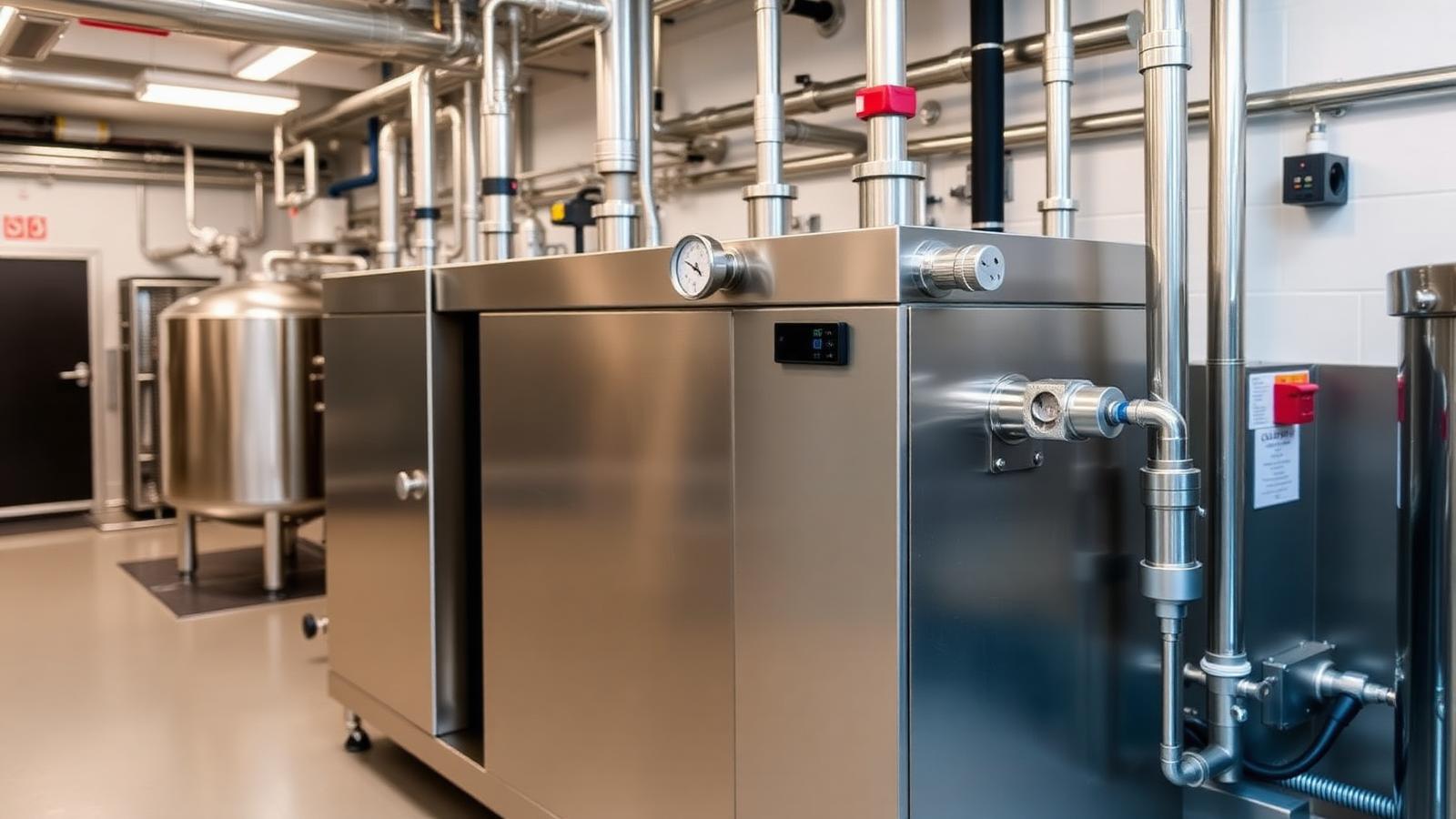
Technical Differences in Particle Removal
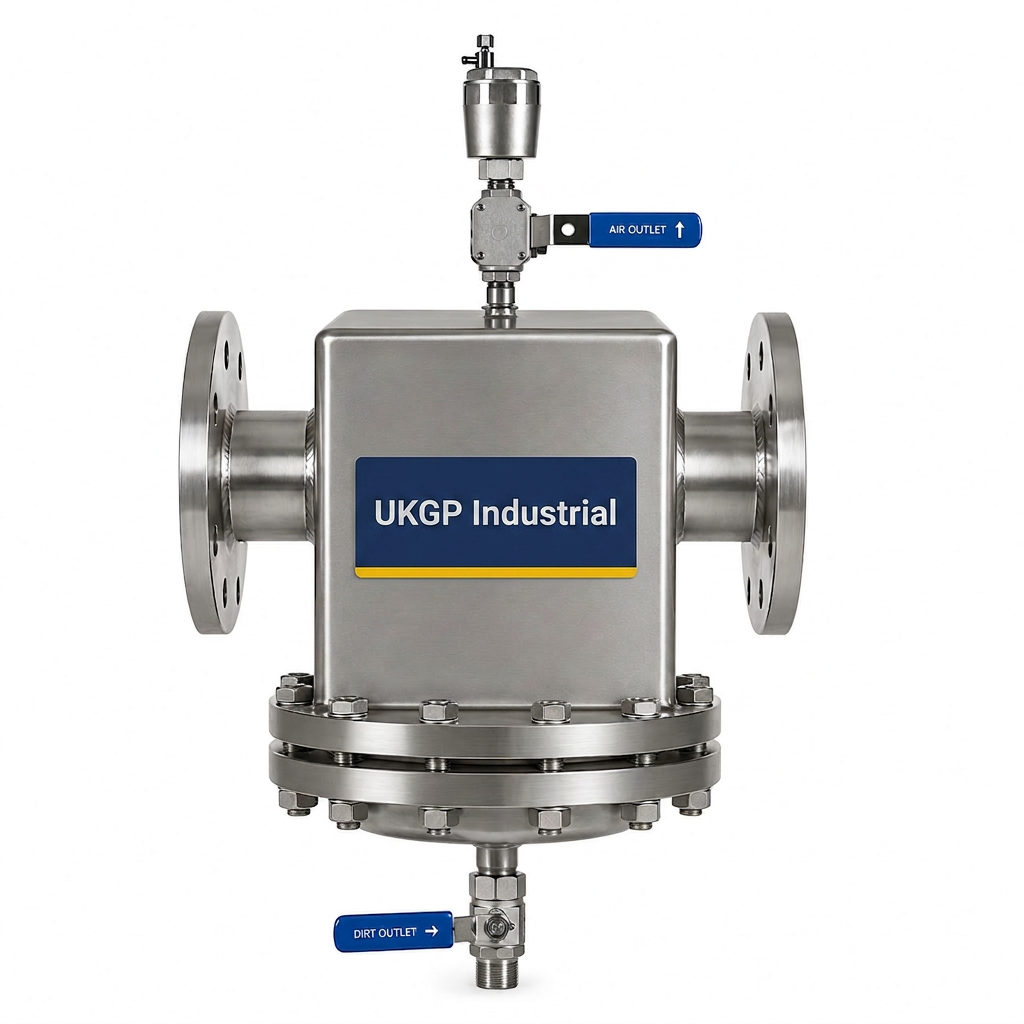
When evaluating side stream filtration vs magnetic filter applications, the primary technical distinction lies in the mechanism of particle capture and the size of debris managed. Magnetic filters rely exclusively on the attraction of magnetite (black iron oxide) through magnetic flux; while highly effective for metallic sludges, they remain largely indifferent to non-ferrous contaminants such as biological film, scale, and installation debris. These non-ferrous materials often account for a significant percentage of total suspended solids (TSS) in older UK commercial systems. Without a mechanical filtration element, these particles continue to circulate, leading to abrasive wear on pump seals and blockages in control valves, ultimately compromising the heat transfer efficiency within the loop.
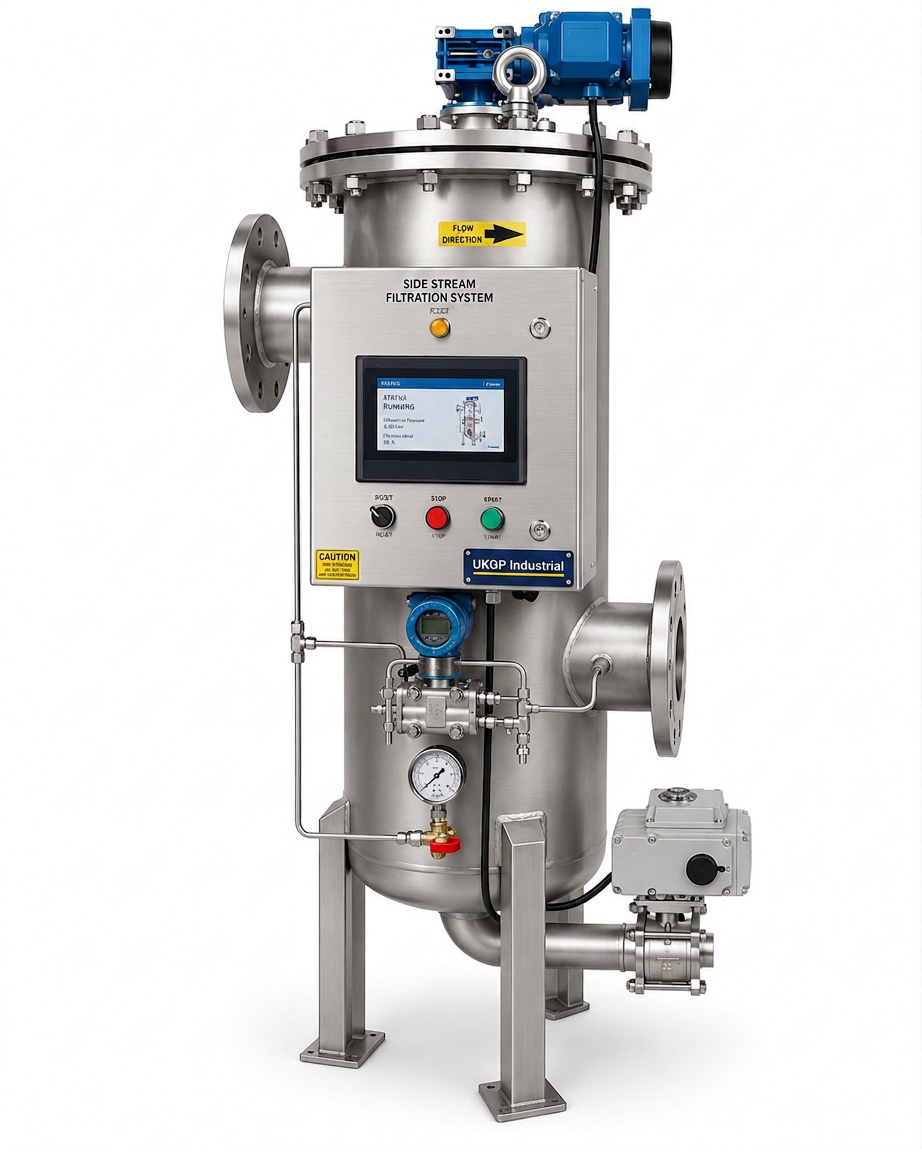
Conversely, side stream filtration units utilize a bypass arrangement to divert a portion of the system flow—typically 5% to 15%—through a high-efficiency filter media or bag. This mechanical capture method is impartial to the material composition of the debris. Whether dealing with magnetite, sand, copper shavings, or organic matter, a side stream skid provides a comprehensive solution for lowering the overall particle count in the water. For UKGP customers, this means moving beyond simple magnetite capture to achieving a truly polished water quality that meets the rigorous requirements of BSRIA BG29 for pre-commissioning cleaning and BG50 for ongoing water chemistry maintenance. The ability to remove particles down to 5 microns ensures that even the finest silts are eliminated, protecting low-water-content boilers.
The practical choice between side stream filtration vs magnetic filter often comes down to the risk profile of the building. In a basic residential setting, a magnetic filter may suffice, but for commercial and industrial plant rooms, the stakes are higher. Mechanical side stream filtration provides a measurable and predictable reduction in TSS, which is essential for compliance with BS 8552 sampling protocols. By continuously stripping debris from the system, these units reduce the load on chemical inhibitors and biocides, allowing the water treatment regime to work more effectively. For engineers, this translates to fewer emergency call-outs and a more stable thermal profile across the entire building, irrespective of whether the circuit is predominantly steel, copper, or plastic-based.
- Magnetic filters target magnetite only, ignoring scale and biofilm.
- Side stream filtration removes both ferrous and non-ferrous debris.
- Mechanical filtration allows for particle removal down to 5-10 microns.
- Side stream units facilitate compliance with BSRIA BG50 water quality targets.
BSRIA BG50 Compliance and Water Monitoring
In the context of UK building regulations and best practices, BSRIA BG50 highlights the importance of maintaining low suspended solids to prevent under-deposit corrosion. When comparing side stream filtration vs magnetic filter effectiveness, consultants must consider how each technology supports these KPIs. A magnetic filter often lacks the capacity to deal with heavy debris loads during a system upset or a major change in hydraulic conditions. Because they have a limited surface area for capture, they can quickly become saturated, at which point their efficacy drops to zero until manually cleaned. This manual intervention is often overlooked in busy FM schedules, leading to a false sense of security regarding system health and long-term asset protection.
Side stream filtration skids, such as those manufactured by UKGP in Surrey, often incorporate pressure differential gauges that provide a clear visual or BMS-integrated indication of when service is required. This proactive data allows M&E contractors to maintain the system according to actual contamination levels rather than arbitrary calendar dates. By strictly adhering to the debris removal guidelines in BSRIA BG50, asset owners can significantly extend the life-cycle of their plant. The cost of a side stream unit is a fraction of the cost of a premature boiler heat exchanger replacement or a full system flush and re-inhibition, making it a high-ROI investment for any modern commercial facility.
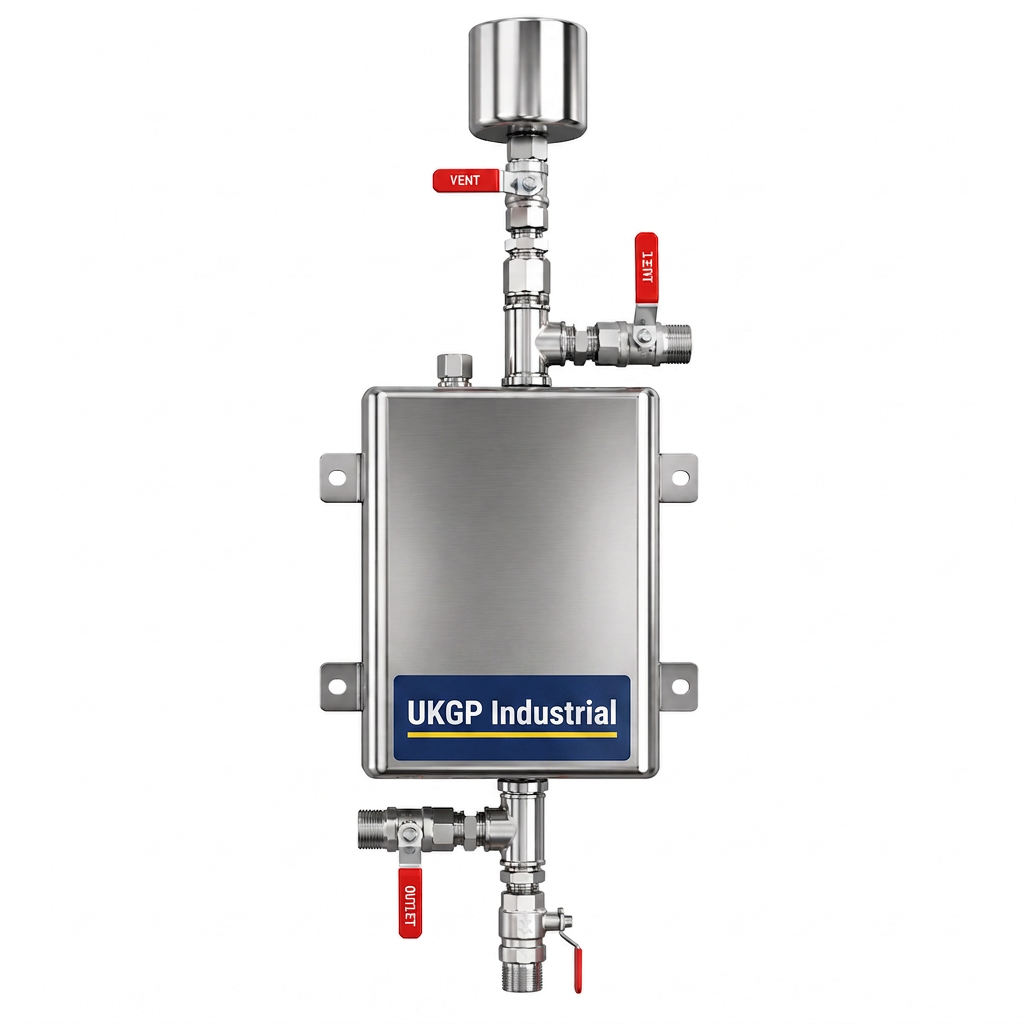
Furthermore, the integration of side stream filtration facilitates more accurate water sampling under BS 8552. Because the water is constantly being polished, the samples taken represent the true state of the circulating fluid rather than a snapshot of a highly contaminated slug of water. This reliability is vital for the procurement leads and FMs who must justify maintenance spends to stakeholders. Choosing a robust filtration strategy ensures that the chemical dosing pots are adding inhibitors to a clean system, rather than wasting expensive chemicals on neutralizing existing sludge. This synergy between mechanical filtration and chemical treatment is the cornerstone of modern UK HVAC maintenance, moving away from reactive 'dump and fill' practices toward sustainable closed-loop management.
- Side stream units offer higher dirt-holding capacity than standard magnets.
- BMS integration allows for real-time monitoring of filter saturation.
- Reduces under-deposit corrosion risks specifically identified in BSRIA BG50.
- Improves the consistency of BS 8552 water quality test results.
Impact on Plate Heat Exchanger Efficiency
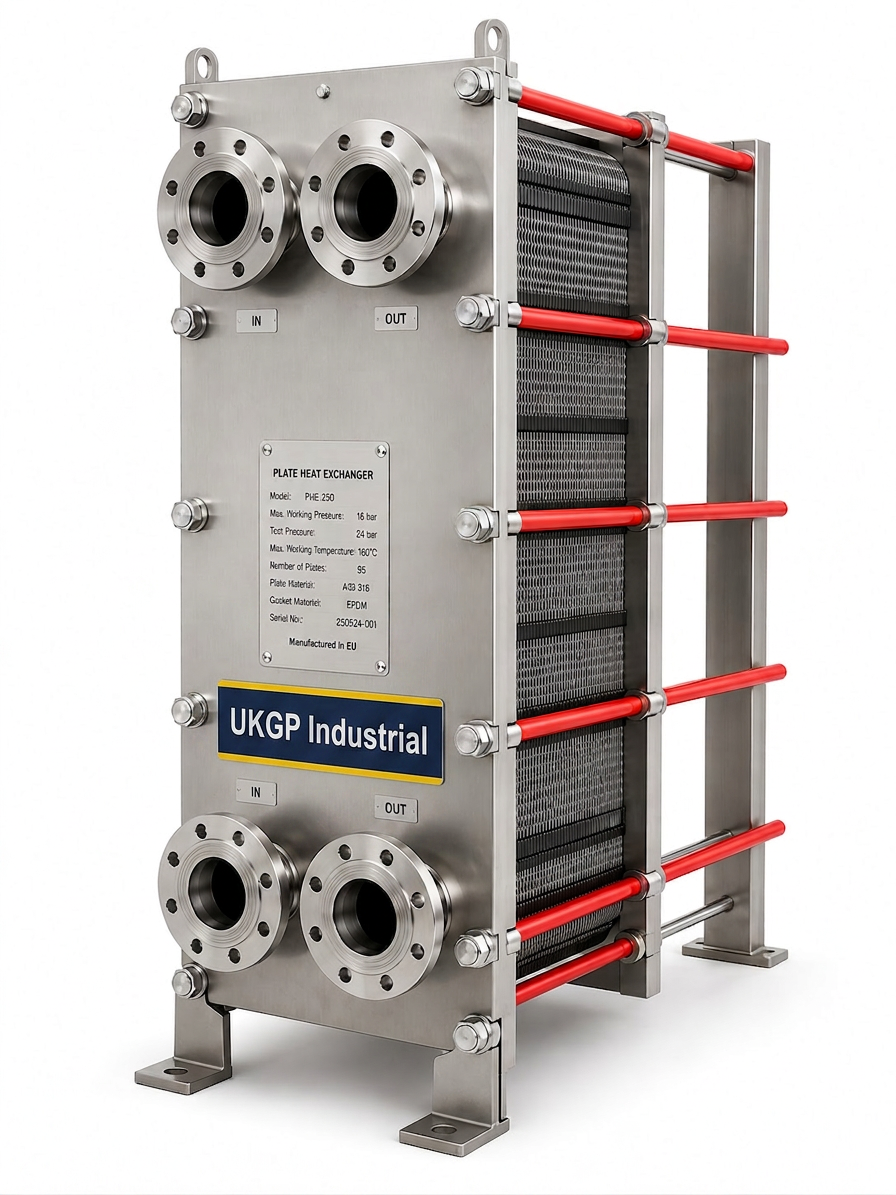
Plate Heat Exchangers (PHEs) are particularly vulnerable to the debris that remains after a magnetic filter has performed its specific task. While a magnet catches the metallic sludge, the non-metallic suspended solids can still settle in the narrow channels of a PHE. This fouling leads to a phenomenon known as 'thermal degradation,' where the heat transfer coefficient drops, forcing the primary heat source to work harder and consume more energy to achieve the same secondary output temperature. In the debate of side stream filtration vs magnetic filter, the protection of the PHE is often the deciding factor for engineers who are focused on the energy performance of the building.
A high-quality side stream filtration unit ensures that the water entering the PHE is free of the particulate matter that causes turbulence disruption and scaling. By maintaining clean plates, the pressure drop across the heat exchanger remains within design parameters, ensuring that the pumps are not overworking to overcome an artificial resistance created by debris. This relationship between water quality and pumping energy is a key focus of CIBSE guidelines on energy efficiency in heating and cooling systems. For many UK commercial sites, the installation of a side stream unit pays for itself in energy savings alone within the first few years of operation, particularly in high-demand domestic hot water (DHW) or process cooling circuits.
UKGP provides bespoke solutions, including high-performance plate heat exchangers, designed to work in tandem with our filtration skids. When a system is protected by comprehensive filtration, the maintenance intervals for the PHE can be extended, and the risk of gasket failure due to thermal stress or localized overheating is drastically reduced. We recommend that any procurement lead looking at a new PHE also factor in the cost of a dedicated side stream skid. Our team provides made-to-order units with a 6-8 week lead time, ensuring that both units are commissioned as a complete, protected thermal solution that meets the highest UK engineering standards and provides peace of mind for the building operator.
- Prevents non-ferrous debris from fouling narrow heat exchanger plates.
- Maintains design pressure drops, reducing pump energy consumption.
- Extends the period between PHE teardowns and manual cleaning.
- Protects gaskets and plates from localized hotspots and erosion.
Commercial Considerations: CAPEX vs OPEX
When comparing side stream filtration vs magnetic filter on a commercial basis, the initial CAPEX is often higher for a side stream skid. However, a pure CAPEX analysis is flawed as it ignores the total cost of ownership (TCO) and the operational risks involved. A magnetic filter is a relatively inexpensive component to purchase, but its limited scope of protection often leads to higher OPEX in the form of chemical cleaning, component replacements, and increased energy bills. For a professional plant room, a side stream filtration skid starting from approximately £6,800+VAT represents a strategic investment in the longevity of the entire HVAC infrastructure, rather than just a quick fix for magnetite accumulation.
The made-to-order nature of UKGP side stream filtration units, typically delivered within 6-8 weeks, allows projects to be specified with the exact pump head and flow rates required for the site. This precision prevents energy waste and ensures optimal filtration performance. With a 2-year warranty as standard, our units provide a lower risk profile compared to cheaper, mass-produced magnetic options. When procurement leads factor in the reduced need for system flushing—which can cost thousands of pounds in chemicals, water, and labor—the commercial argument for side stream filtration becomes undeniable. It is a proactive measure that preserves the value of the building's core mechanical assets.
In many large-scale UK developments, MEP consultants are now mandating side stream filtration as the primary debris management strategy. This is because the legal and financial implications of system failure or poor water quality (such as Legionella risks in stagnant sludge or structural damage from corrosion) far outweigh the initial cost of a high-quality filtration skid. By choosing a UK-manufactured solution, engineers can also benefit from local technical support and availability of spare parts, such as replacement filter bags or cartridges. Our units are available in sizes from DN50 to DN100, catering to a wide range of system volumes and providing the scalability that modular magnetic filters simply cannot match.
- Side stream units start from £6,800+VAT, providing professional-grade protection.
- Lower total cost of ownership (TCO) through reduced flushing requirements.
- Short 6-8 week lead time for bespoke, made-to-order UK manufacturing.
- 2-year warranty ensures long-term reliability for commercial procurement.
Installation and Integration Requirements
The physical installation of side stream filtration vs magnetic filter systems requires different levels of planning. A magnetic filter is typically installed 'in-line,' meaning the total flow of the pipe passes through the unit. This can create significant pressure drops and becomes physically impractical as pipe diameters increase beyond 2 or 3 inches. For larger DN50 to DN100 pipework, an in-line magnet becomes a massive, heavy, and expensive component that is difficult to bypass for maintenance without shutting down the entire system. This downtime is rarely acceptable in critical environments like data centers, hospitals, or high-occupancy office blocks.
In contrast, a side stream filtration skid is installed in a bypass or 'shunt' configuration. This means the unit can be serviced, and filter media replaced, while the main system continues to operate at full capacity. This 'online' maintenance capability is a major advantage for facilities managers who need to maintain 100% uptime. The skid includes its own dedicated pump to overcome the resistance of the filter media, ensuring that the main system pumps are not affected by the filtration process. This independent operation allows for a more controlled and consistent filtration rate, regardless of the modulating load on the primary heating or cooling circuit.
UKGP skids are designed with the site engineer in mind, featuring clear labeling and accessible components. During the installation phase, our technical team can provide guidance on the optimal take-off and return points to ensure maximum debris capture. While a magnetic filter is a 'set and forget' (and often 'forget to clean') device, the side stream unit encourages a professional maintenance culture. By seeing the debris captured in a filter bag, engineers gain immediate tangible feedback on the system's condition. For any UK professional looking to upgrade their plant room, our made-to-order skids offer a robust, high-capacity solution that far exceeds the capabilities of a standard magnetic separator.
- Bypass installation allows for maintenance without system downtime.
- Dedicated pumps ensure filtration does not affect main system hydraulics.
- Available in DN50 to DN100 sizes for large commercial applications.
- Visual feedback through filter media helps monitor system contamination.
Summary: Which Should You Choose?
The decision on side stream filtration vs magnetic filter ultimately depends on the complexity and value of the system you are protecting. For small, simple circuits where magnetite is the only concern, a magnet might be the first line of defense. However, for any commercial, industrial, or high-rise residential application in the UK, side stream filtration is the industry standard for comprehensive protection. It is the only way to satisfy the requirements of BSRIA BG50 and ensure that all types of suspended solids—both magnetic and non-magnetic—are systematically removed from the circulating water, preventing long-term corrosion and efficiency loss.
At UKGP, we specialize in manufacturing heavy-duty side stream filtration units that are built to withstand the rigours of a busy plant room. Our skids are engineered in Surrey to provide a reliable, long-term solution for water quality management. When you consider the risks of blocked heat exchangers, eroded pump seals, and inefficient boilers, the investment in a £6,800+VAT side stream unit is an easy commercial choice. We offer a 2-year warranty and a 6-8 week lead time for our made-to-order products, ensuring you get a solution tailored to your specific system requirements rather than an off-the-shelf compromise.
If you are a consultant, contractor, or facility manager, we invite you to contact us for a detailed quote or technical consultation. Our team can help you navigate the nuances of side stream filtration vs magnetic filter technology and provide the specifications you need for your next project. By choosing UKGP, you are opting for UK-engineered quality and a commitment to protecting your HVAC assets for years to come. Don't leave your water quality to chance; ensure your site is BSRIA compliant and operating at peak efficiency with a dedicated UKGP filtration skid.
- Side stream is superior for commercial systems with varied debris types.
- Essential for BSRIA BG50 compliance and high-efficiency plant protection.
- Contact UKGP for bespoke quotes on DN50-DN100 filtration skids.
- Invest in UK-manufactured quality with a 2-year warranty as standard.
Frequently asked questions
Can I use both a magnetic filter and side stream filtration?
- Yes, many engineers specify a magnetic separator for high-velocity bulk removal and a side stream filtration unit for fine polishing down to 5 microns. This 'belt and braces' approach offers the highest level of protection for critical plant.
How often should I change the filters in a side stream unit?
- Initially, during pre-commissioning or after a system upset, filters may need changing weekly. Once the system is stabilized and compliance with BSRIA BG50 is achieved, changes are typically required every 3-6 months depending on the system condition.
What is the typical lead time for a UKGP filtration skid?
- Our side stream filtration skids are made to order in the UK with a standard lead time of 6-8 weeks, allowing for bespoke customization of pumps and pipework connections.
Why is side stream filtration prioritized in BSRIA BG50?
- BSRIA BG50 emphasizes the removal of all suspended solids because non-magnetic particles like calcium carbonate and microbiological slime are just as damaging to modern, high-efficiency boilers and heat exchangers as magnetite.
What sizes are available for UKGP side stream units?
- Our flagship units are available in sizes ranging from DN50 to DN100, designed to handle the flow requirements of large commercial and industrial heating and cooling loops.