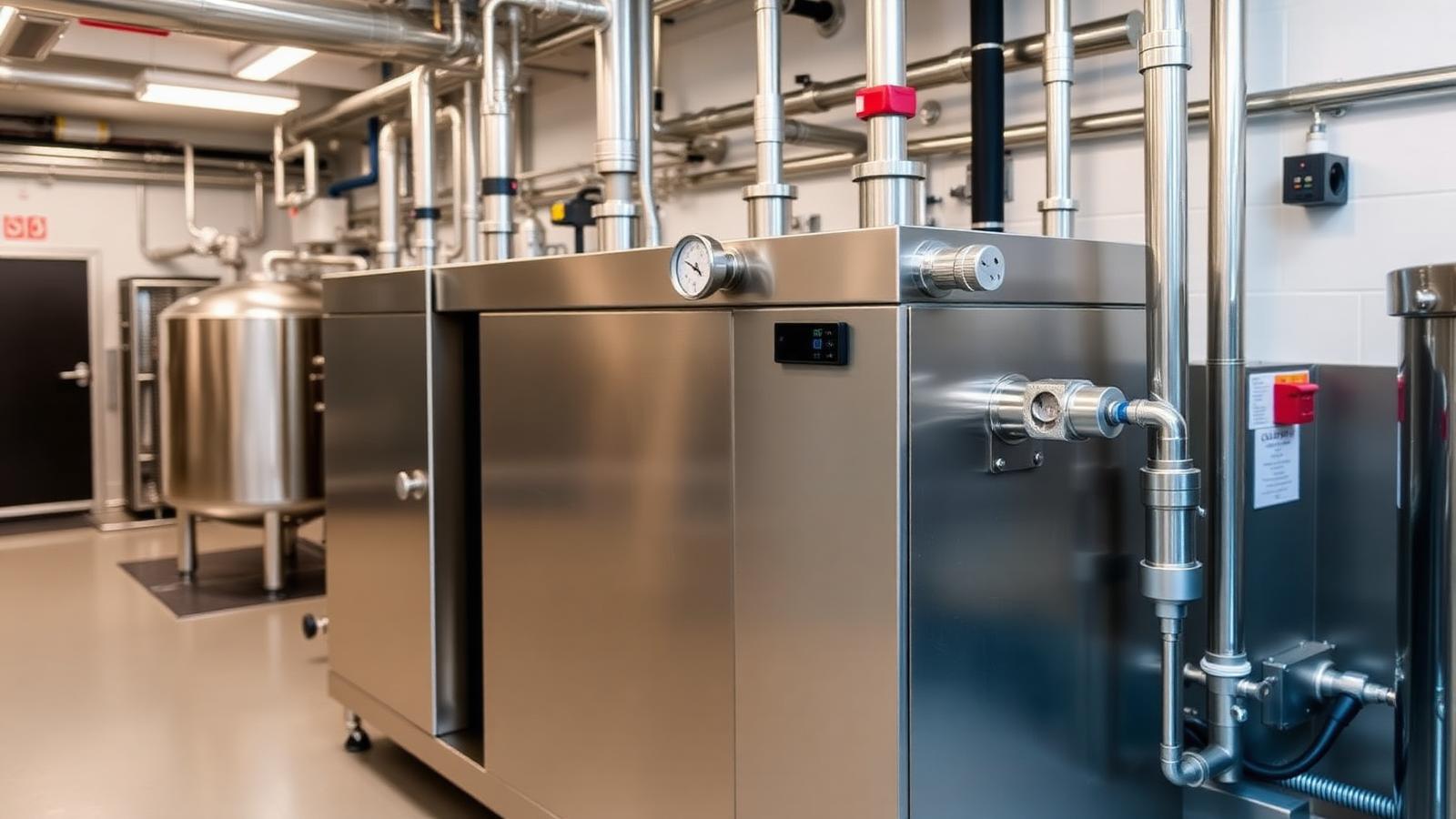
The Critical Role of Side Stream Filtration LTHW Systems
In modern UK commercial heating systems, the transition toward variable temperature control strategies has fundamentally changed how we manage hydronic health. Side stream filtration LTHW units are no longer an optional luxury but a central requirement for system longevity, as highlighted in BSRIA BG50 guidelines. When circuits fluctuate in temperature to meet external conditions, the resulting thermal expansion and contraction can dislodge existing scale and corrosion products, leading to a surge in suspended solids. These contaminants, primarily magnetite, can significantly degrade the performance of high-efficiency condensing boilers and plate heat exchangers if they are not actively removed from the circulating fluid through continuous treatment.
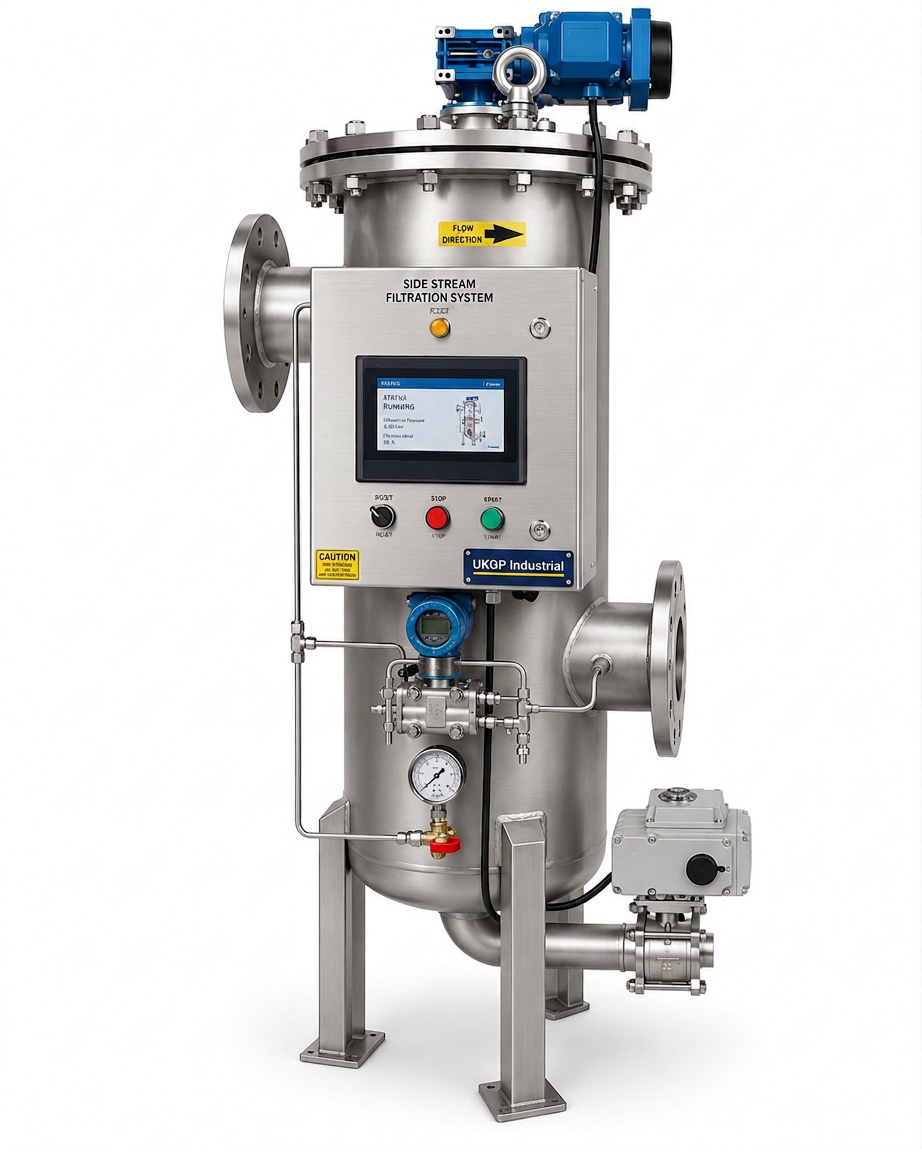
Engineering consultants across Surrey and the wider UK market are increasingly specifying UKGP side stream filtration skids to mitigate the risks associated with poor water quality. Unlike full-flow filters, which can introduce significant pressure drops and require frequent cleaning that disrupts system operation, a side stream approach treats a percentage of the circulating water—typically 5% to 15%—continuously. This method ensures that even as VT circuits adjust their flow rates and temperatures, the cumulative removal of abrasive particles remains constant. By maintaining low turbidity levels, facility managers can prevent the premature wear of pump seals and the fouling of control valves, which are sensitive to the debris often found in older LTHW installations.
From a commercial perspective, the investment in a dedicated filtration skid is easily justified when compared to the catastrophic costs of system failure or emergency chemical flushing. A standard UKGP side stream filtration skid, typically sized from DN50 to DN100, starts from approximately £6,800 plus VAT. These units are made to order with a lead time of roughly 6-8 weeks, providing a bespoke solution designed specifically for the unique pressures and flow ranges of your specific LTHW circuit. By incorporating these units into the design phase, M&E contractors can ensure that the project meets the stringent requirements of BSRIA BG29 for pre-commissioning cleaning and long-term protection, backed by a comprehensive 2-year warranty for peace of mind.
- Continuous removal of magnetite and suspended solids to sub-micron levels
- Reduction in system pressure drop compared to inline full-flow alternatives
- Facilitates compliance with BSRIA BG50 water quality parameters
- Protects high-value assets like heat exchangers and modulating pumps
- Simplifies maintenance by providing a centralised collection point for debris
Technical Compliance with BSRIA BG50 and BS 8552
The standard for water treatment in closed heating and cooling systems is defined largely by BSRIA BG50 and the sampling protocols of BS 8552. These documents emphasize that the presence of suspended solids is a primary indicator of ongoing corrosion within an LTHW circuit. Side stream filtration LTHW applications provide a quantifiable method for hitting the target clarity levels mandated by these professional bodies. In variable temperature circuits, where the chemistry can become unstable due to the oxygen being drawn in through micro-leaks or expansion vessels, filtration serves as the first line of defence. Without proper filtration, chemicals used to inhibit corrosion often become less effective because they are absorbed by the very sludge they are meant to prevent.
Plant-room engineers must recognise that water quality is a dynamic metric. As VT circuits ramp up or down, the velocity of the water changes, often stirring up 'dead legs' or areas of low flow where sediment has settled. A high-quality filtration skid uses a combination of high-intensity magnets and fine particle filters to capture these mobile contaminants before they reach the heat generation plant. UKGP skids are engineered to handle these transitions seamlessly, ensuring that the water clarity remains within the acceptable thresholds specified in the design stage. This proactive management reduces the frequency of manual sampling and decreases the volume of chemical additives required to keep the system in balance, leading to lower operational costs over the building's lifecycle.
Furthermore, implementing side stream filtration helps in the validation of the system's performance during the warranty period. Most boiler manufacturers today include strict water quality requirements in their warranty terms. Failing to demonstrate that the LTHW circuit is being filtered according to BSRIA standards can lead to the rejection of claims for damaged heat exchangers or fouled burners. By installing a dedicated skid with integrated pressure gauges and flow indicators, building owners can provide clear evidence of a proactive maintenance regime. Our units are designed to integrate with BMS systems, allowing for remote monitoring of filter saturation and ensuring that maintenance staff are alerted before water quality begins to deteriorate significantly.
- Alignment with BSRIA BG50:2021 for closed-loop water treatment
- Supports BS 8552 sampling schedules for ongoing system monitoring
- Reduces chemical consumption by maintaining cleaner system surfaces
- Ensures compliance with industrial boiler and pump warranty conditions
- Provides measurable data on iron and suspended solids reduction over time
The Impact of Velocity and Temperature on Debris Transport
In a Variable Temperature (VT) LTHW system, the flow rate is often managed by inverter-driven pumps that respond to heat demand. This means the velocity of the water is constantly changing. At low velocities, suspended solids like magnetite tend to settle in areas of the system with low turbulence, such as radiators or the bottom of large-diameter headers. When demand increases and the pumps ramp up, these deposits are re-entrained into the flow. This 'slug' of debris is what causes the most damage to sensitive plant equipment. A side stream filtration LTHW solution is ideal here because it provides a consistent exit point for these solids regardless of the main branch flow, preventing them from recirculating back through the high-temperature boiler primary circuit.
The thermal stress on pipework in VT circuits further compounds the debris problem. As pipes expand and contract with temperature shifts from 35°C to 80°C, the oxide layers on the internal surfaces of steel pipework can flake off. This particulate matter is highly abrasive and acts as a grinding paste within the system. High-quality side stream filtration skids from UKGP are designed to withstand these temperature fluctuations, utilizing materials and seals that are rated for constant thermal cycling. By choosing a skid that is made to order, engineers can specify the exact operating parameters required for their specific site conditions, ensuring that the filtration media and magnetic rods are optimized for both peak load and standby conditions.
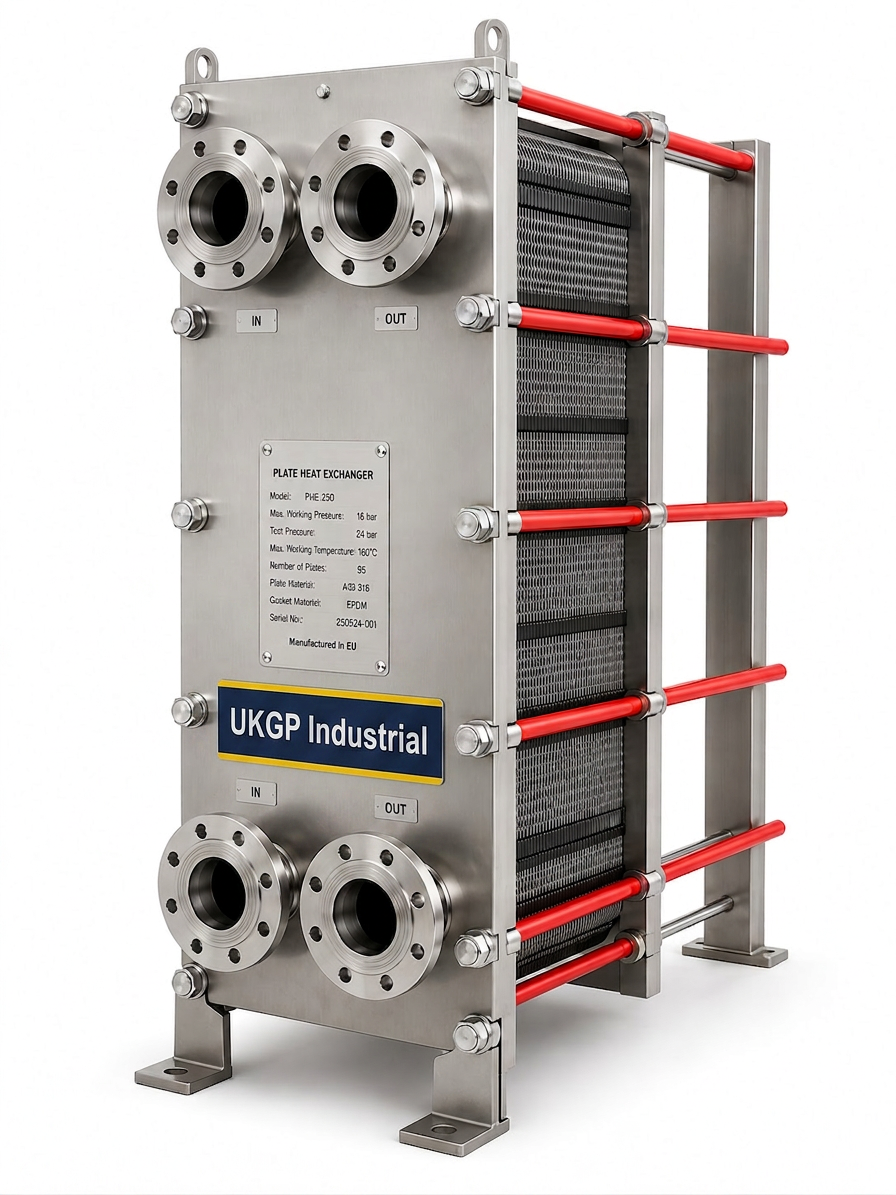
Managing these contaminants also protects the efficiency of the heat transfer. A thin layer of magnetite on a heat exchanger surface can act as an insulator, significantly reducing the efficiency of a plate heat exchanger (PHE). In systems where PHEs separate the primary heat generation from the secondary VT distribution, the cleanliness of the LTHW circuit is paramount. If you are experiencing high return temperatures or reduced delta-Ts, it is often a sign that fouling has occurred. Integrating a side stream skid early in the system design prevents this efficiency drift. For bespoke requirements, we offer skids from DN50 to DN100 pipe sizes, ensuring that every LTHW circuit, no matter the scale, can benefit from industrial-grade filtration and protection.
- Neutralises the 'abrasive paste' effect of system-wide magnetite
- Maintains heat transfer efficiency by preventing surface fouling
- Durable construction rated for the thermal cycles of VT circuits
- Minimises the risk of blockages in balancing valves and small-bore pipes
- Essential for systems utilizing inverter-driven variable speed pumps
Design Considerations for UKGP Filtration Skids
When specifying a side stream filtration LTHW unit, several technical variables must be considered to ensure maximum efficacy. The first is the flow rate; a standard rule of thumb is to filter the equivalent of the total system volume every 24 hours. This typically equates to a side-stream flow of 10-15% of the total system circulation. At UKGP, our skids are designed to be standalone units that include their own pump, meaning they don't rely on the differential pressure of the main system to function. This is critical for VT systems where the differential pressure can drop significantly at low loads, potentially rendering passive filtration systems ineffective when they are needed most.
Space and accessibility in the plant room are also key factors for procurement leads and M&E contractors. Our skids are compact and designed for ease of maintenance, with clear access for cartridge replacement and magnet cleaning. Because we manufacture these to order in the UK, we can accommodate specific spatial constraints and inlet/outlet orientations that off-the-shelf imports cannot match. Typically, our lead times are 6-8 weeks, which fits well within most project procurement windows. Each unit comes with a 2-year warranty, reflecting our confidence in the British engineering and high-grade components used in their construction, including the robust frame and industrial-grade control panels.
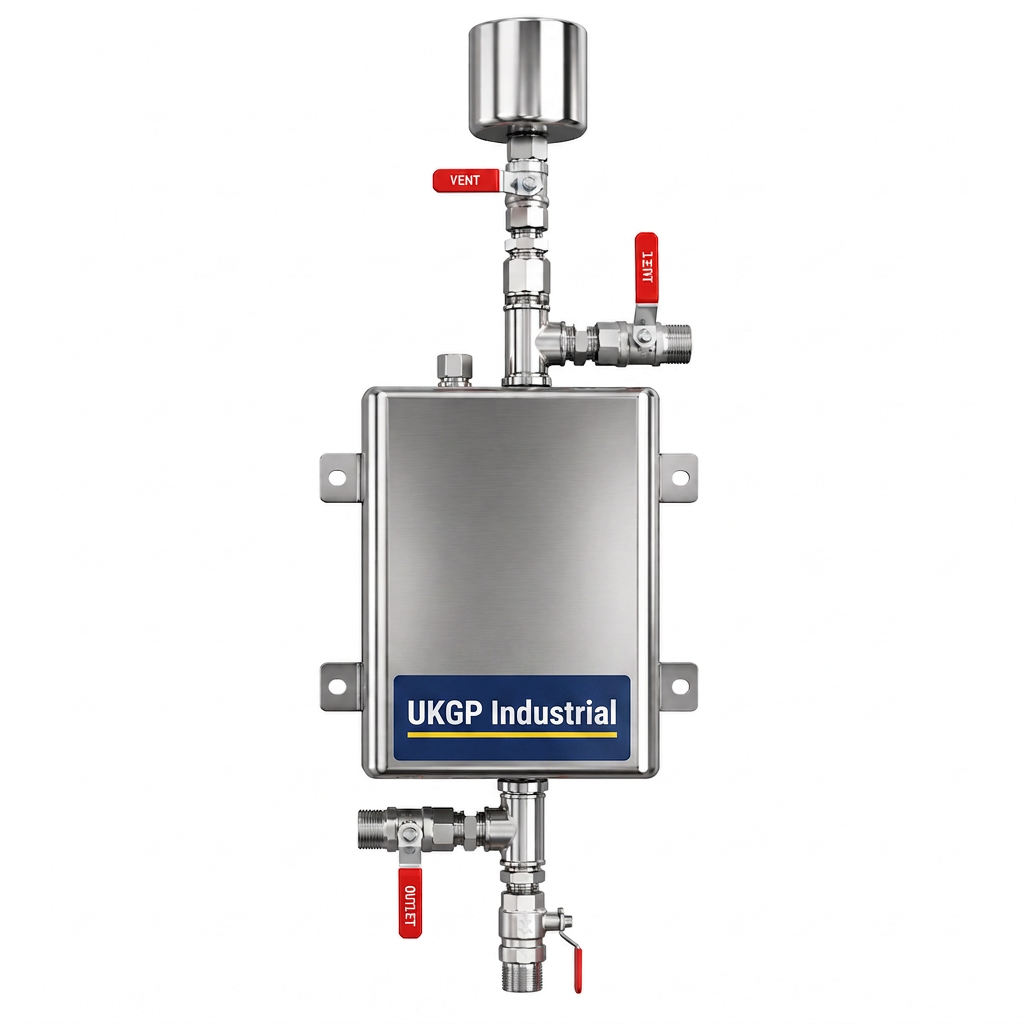
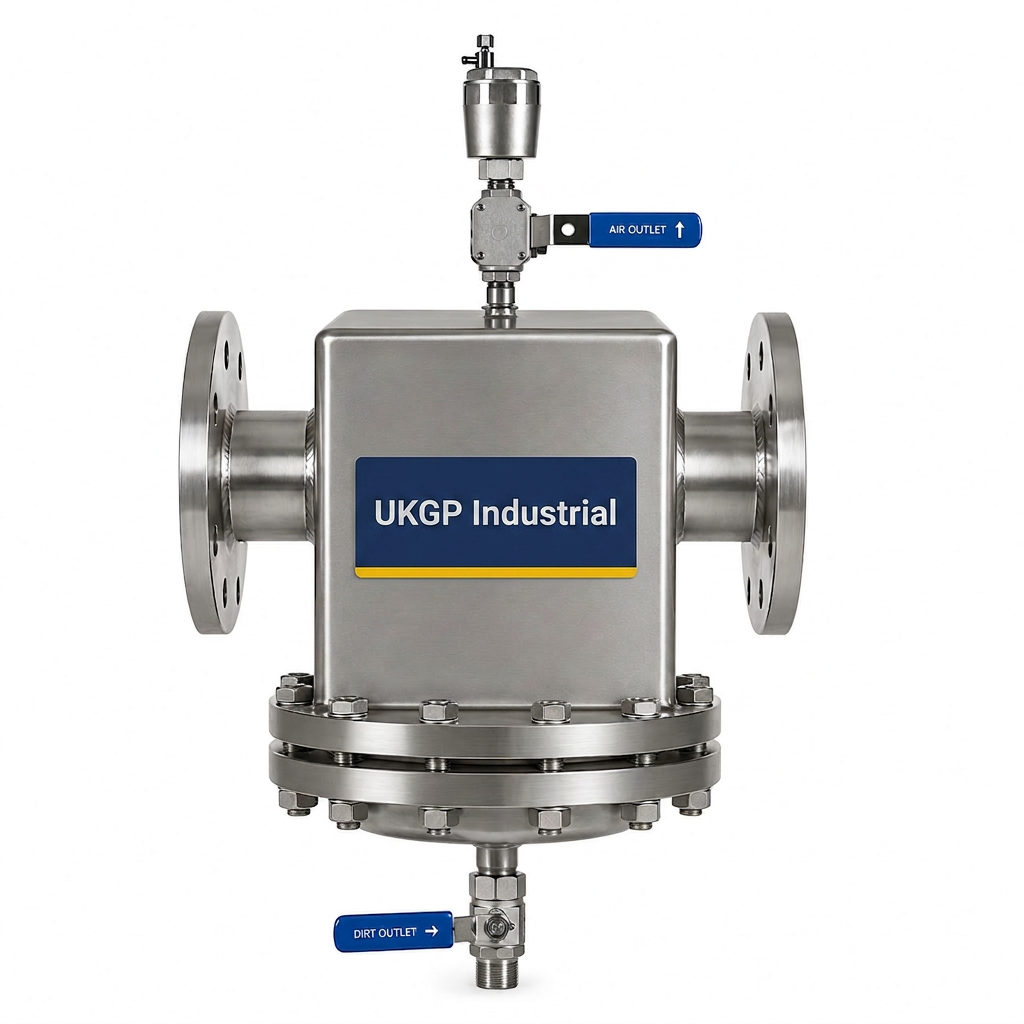
The integration of air and dirt separation in conjunction with side stream filtration is also a best-practice recommendation. While the side stream skid removes the fine particulate and magnetite, an air and dirt separator handles the larger debris and liberated micro-bubbles that can lead to gas-binding in radiators. For a complete solution, combining these technologies provides a multi-stage defense against the most common causes of HVAC system failure. If you are looking for a quotation on a DN50 to DN100 filtration skid starting from £6,800+VAT, our technical team is available to assist with sizing calculations to ensure the unit perfectly matches your circuit's volume and flow requirements.
- Integral pump allows for independent operation from main system pressure
- Available in various pipe sizes (DN50, DN65, DN80, DN100)
- Compact footprint suitable for retrofitting in existing plant rooms
- Short 6-8 week lead time for bespoke UK manufacturing
- Comprehensive 2-year warranty on all skid components
The Commercial Case for Industrial Filtration Systems
For Facility Managers (FMs) and building owners, the commercial justification for side stream filtration LTHW systems is centered on the Reduction of Lifecycle Costs (LCC). A system that is plagued by poor water quality is inherently more expensive to run due to increased energy consumption and more frequent component replacements. Research suggests that even a 1mm layer of scale or magnetite on a heat transfer surface can increase energy consumption by up to 10%. Over a year, for a large commercial building, this extra energy cost can exceed the initial investment of a UKGP filtration skid. By maintaining water clarity, you ensure that the system operates at its peak designed efficiency, reflecting positively on the building's EPC rating and carbon footprint.
Maintenance labour is another area where significant savings are realized. Manual cleaning of strainers and the repair of leaking pump seals are time-consuming tasks that are often reactive and disruptive to building occupants. A side stream filtration unit centralizes the collection of contaminants, allowing for planned maintenance that takes minutes rather than hours. This shift from reactive to proactive maintenance is a core tenet of modern FM strategy in the UK. By investing £6,800+VAT upfront, owners can avoid the recurring costs of specialist 'clean and flush' services which often only provide a temporary solution and can be aggressive towards the system's metallic components.
Finally, the longevity of the plant is maximized. In an era where capital expenditure for new equipment is under tight scrutiny, extending the life of a boiler or heat pump by an additional 5-10 years is a major win. Side stream filtration ensures that the internal components of the heating plant are not subjected to the constant sand-blasting effect of suspended particles. This durability is why BSRIA BG50 recommends the permanent installation of filtration equipment. Choosing a UK manufacturer like UKGP means you have local support, readily available spare parts, and a product that has been built to withstand the rigours of the British industrial environment, backed by a significant 2-year warranty.
- Protects ROI by extending the operational lifespan of the plant
- Significantly decreases recurring labour costs for strainer cleaning
- Reduces the need for aggressive chemical flushing procedures
- Enhances energy efficiency by maintaining clean heat transfer surfaces
- Provides a clear maintenance audit trail for facility management teams
Installation and Best Practices for VT Circuits
To get the most out of a side stream filtration LTHW system, it should be installed on the return header of the primary circuit, just before the water re-enters the boiler or heat pump. This ensures that the water is at its coolest (reducing thermal stress on the filter media) and that the plant is directly protected from debris returning from the VT distribution circuits. It is also essential to ensure that the side stream connections are properly balanced so they do not inadvertently bypass too much flow from the main system, although the dedicated pumps on UKGP skids largely mitigate this concern compared to older passive bypass designs.
Commissioning must include a zero-point measurement of water quality to establish a baseline. Following the guidelines in BSRIA BG29, the system should be clean prior to the installation of high-efficiency equipment, and the side stream filter should be used to maintain that level of cleanliness from day one. Regular inspections of the magnetic rods and filter bags are necessary in the first few months of operation, as this is when the most significant removal of residual debris occurs. Our technical team can advise on the correct micron rating for your filter bags, typically starting with a coarser mesh and moving to a finer filter as the system water clears.
In Surrey and across the UK, we see many installations where filtration is added as an afterthought once problems arise. However, for M&E contractors and procurement leads, including a UKGP side stream filtration skid (DN50 to DN100) in the initial tender can save significant headaches during the handover phase. With a 6-8 week lead time and prices from £6,800+VAT, these skids are affordable additions that dramatically improve the reliability of the system. Each unit is built to order, ensuring it meets the specific flow rates and pressure ratings of your LTHW circuit, providing long-term reliability backed by a 2-year manufacturer warranty.
- Install on return headers for maximum boiler protection
- Utilise a phased approach to filter micron ratings during setup
- Integrate with the BMS for automated maintenance alerts
- Ensure easy access for safe and efficient filter replacements
- Coordinate installation with BSRIA BG29 pre-commissioning cleaning
Frequently asked questions
Why is side stream filtration essential for LTHW circuits?
- It continuously removes magnetite and suspended solids that foul heat exchangers and damage pumps, essential for meeting BSRIA BG50 standards and maintaining efficiency.
What is the typical cost of a side stream filtration skid?
- Professional UKGP filtration skids for industrial LTHW systems typically start from £6,800 + VAT, depending on the required pipe size and flow capacity.
What pipe sizes are available for these skids?
- Our made-to-order skids are typically available in sizes ranging from DN50 to DN100, catering to a wide range of commercial and industrial heating capacities.
What is the lead time for a UKGP filtration unit?
- Units are made to order with a standard lead time of approximately 6-8 weeks, ensuring the equipment is tailored to your specific system requirements.
Does a side stream filter protect my boiler warranty?
- Yes, most manufacturers require water quality to meet specific standards; installing a side stream filter helps maintain clarity to ensure warranty compliance.