The Critical Role of Side Stream Filtration Care Homes Support
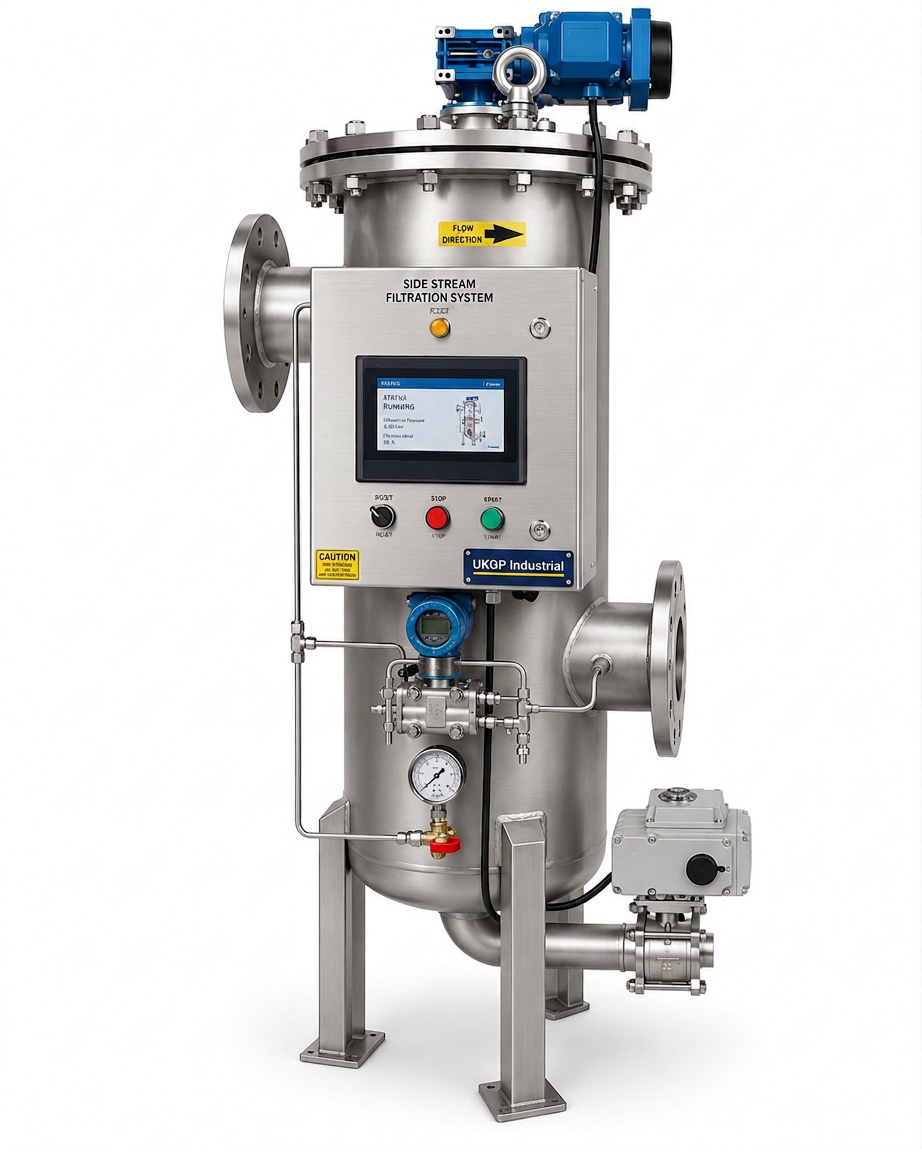
In the sensitive environments of healthcare and residential care, the reliability of the HVAC system is not merely a matter of comfort but a fundamental requirement for patient safety and regulatory compliance. Side stream filtration care homes installations provide a continuous cleaning mechanism that removes suspended solids, magnetite, and debris from the primary water circuit without interrupting service. For facilities managers, this proactive approach is vital for adhering to BSRIA BG50 guidelines, which emphasise the importance of maintaining water chemistry to prevent premature component failure and efficiency loss. By diverting approximately 5% to 15% of the total system flow through a high-efficiency filtration skid, managers can ensure that the thermal performance of the building is maintained at peak levels throughout the year.
The presence of iron oxide, commonly known as magnetite, is a frequent issue in aging care home heating systems. This sludge settles in low-flow areas such as radiators and heat exchangers, leading to cold spots and reduced heat transfer across the network. Implementing side stream filtration care homes solutions allows for the capture of these particles down to sub-micron levels when specified with the correct magnetic and bag filter combinations. At UKGP, our skids are designed to specifically address these challenges, offering a robust barrier against the accumulation of systemic debris. This reduces the frequency of emergency call-outs for plant-room engineers and ensures that the vulnerable residents within these facilities remain in a thermally stable environment, which is a key performance indicator for Care Quality Commission (CQC) standards.
Choosing the right equipment is a commercial and technical decision that impacts the lifecycle of the entire building services infrastructure. A UKGP side stream filtration skid, typically sized from DN50 to DN100, is an investment in the long-term health of the estate. With prices starting from £6,800+VAT, these units provide a cost-effective alternative to intensive full-system flushing, which can be disruptive and chemically aggressive. We offer a 2-year warranty on our made-to-order skids, which are typically delivered within a 6-to-8-week lead time. For NHS procurement leads and M&E contractors, this timeframe allows for planned maintenance windows to be managed effectively, ensuring that the installation of side stream filtration care homes and hospitals need is completed with minimal impact on daily operations.
- Continuous removal of magnetite and suspended solids to sub-micron levels.
- Full compliance with BSRIA BG50 and BG29 water quality standards.
- Significant reduction in annual HVAC energy consumption and carbon footprint.
- Protection of sensitive system components like plate heat exchangers and valves.
Adherence to BSRIA BG50 and CIBSE CP1 Standards
Water treatment in healthcare estates is strictly governed by best practice guides such as BSRIA BG50 'Water Treatment for Closed Heating and Cooling Systems'. These documents argue convincingly that chemical treatment alone is often insufficient for managing large-scale communal heating networks. Side stream filtration care homes and clinical environments utilise should be integrated with a comprehensive water management strategy that includes regular sampling and analysis. By installing a dedicated filtration skid, estates managers can demonstrate to auditors and insurers that they are taking necessary steps to mitigate the risks of corrosion and microbiological growth, which are frequently cited in system failures.
The CIBSE CP1 Heat Networks Code of Practice also highlights the necessity of maintaining low levels of suspended solids to protect the efficiency of heat interface units (HIUs) and secondary distribution pumps. In larger NHS estates, where district heating may be employed, the volume of water makes full-stream filtration impractical and prohibitively expensive. This is why side stream filtration care homes and large hospitals prefer is the industry standard. It allows for high-velocity centrifugal separation or high-capacity bag filtration to work in tandem with chemical inhibitors, ensuring the chemical dosage is not wasted on suspended sludge that should have been physically removed from the system.
Furthermore, BS 8552 provides the framework for sampling and monitoring water quality in these systems. Without effective filtration, these samples often return results showing high turbidity and iron content, necessitating frequent and expensive chemical dosing. By integrating a UKGP side stream filtration skid, the system reaches a state of chemical equilibrium much faster. This not only lowers the chemical spend but also reduces the environmental impact of the estate by limiting the discharge of treated water into the sewer system. Our skids are engineered to make this monitoring process simpler, featuring clear gauges and easy-access filter housings that allow engineers to inspect the system health at a glance.
- Aligns with BSRIA BG50 for proactive prevention of system corrosion.
- Supports CIBSE CP1 requirements for efficient heat network operation.
- Simplified sampling procedures in accordance with BS 8552 protocols.
- Reduces the environmental burden of excessive chemical consumption.
Protecting Secondary Assets and Heat Exchangers
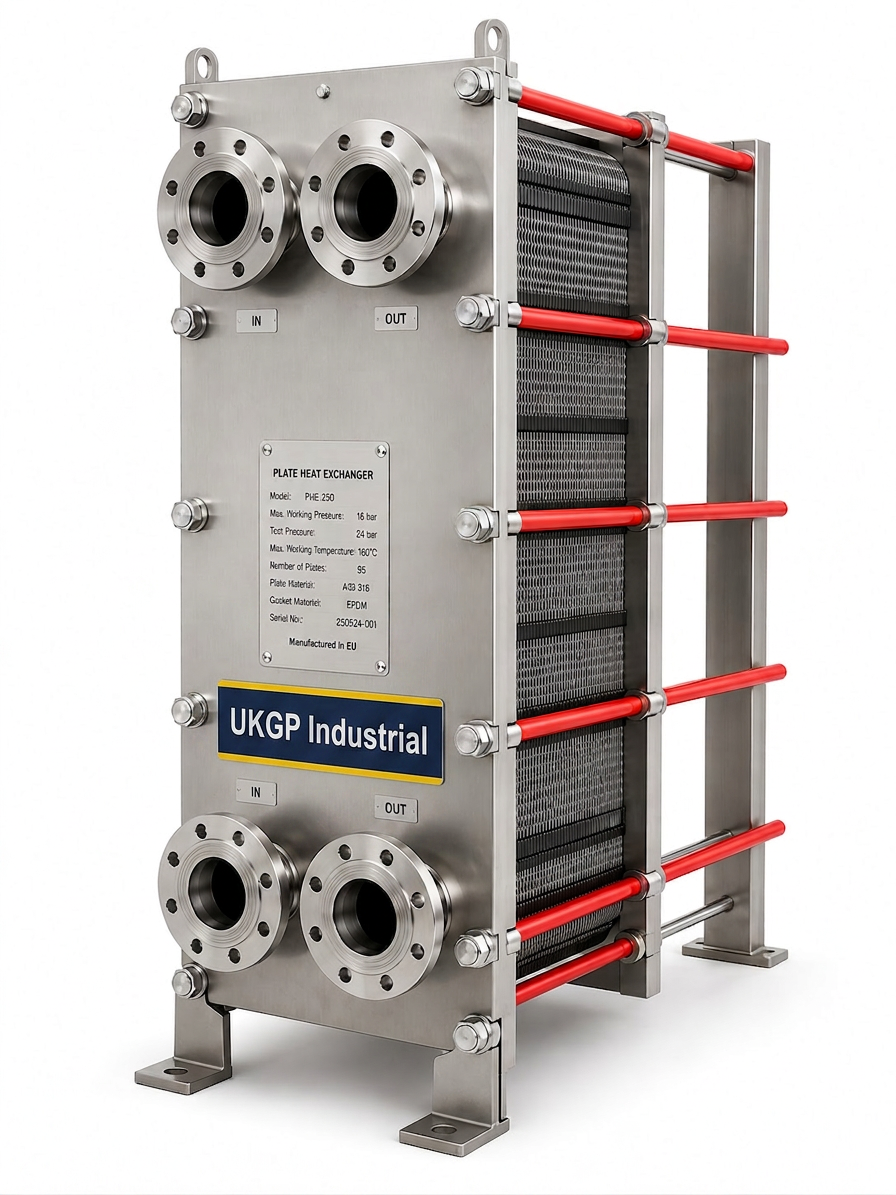
Secondary systems in hospitals and care homes often involve complex heat transfer processes. Plate heat exchangers are particularly susceptible to fouling from suspended solids, as the narrow channels between plates can easily become blocked. When these exchangers are fouled, the approach temperature increases, forcing pumps to run harder and boilers to consume more fuel to achieve the required set-point. By installing side stream filtration care homes can protect their primary and secondary heat exchangers, ensuring that domestic hot water (DHW) and space heating are delivered efficiently and reliably across the entire facility.
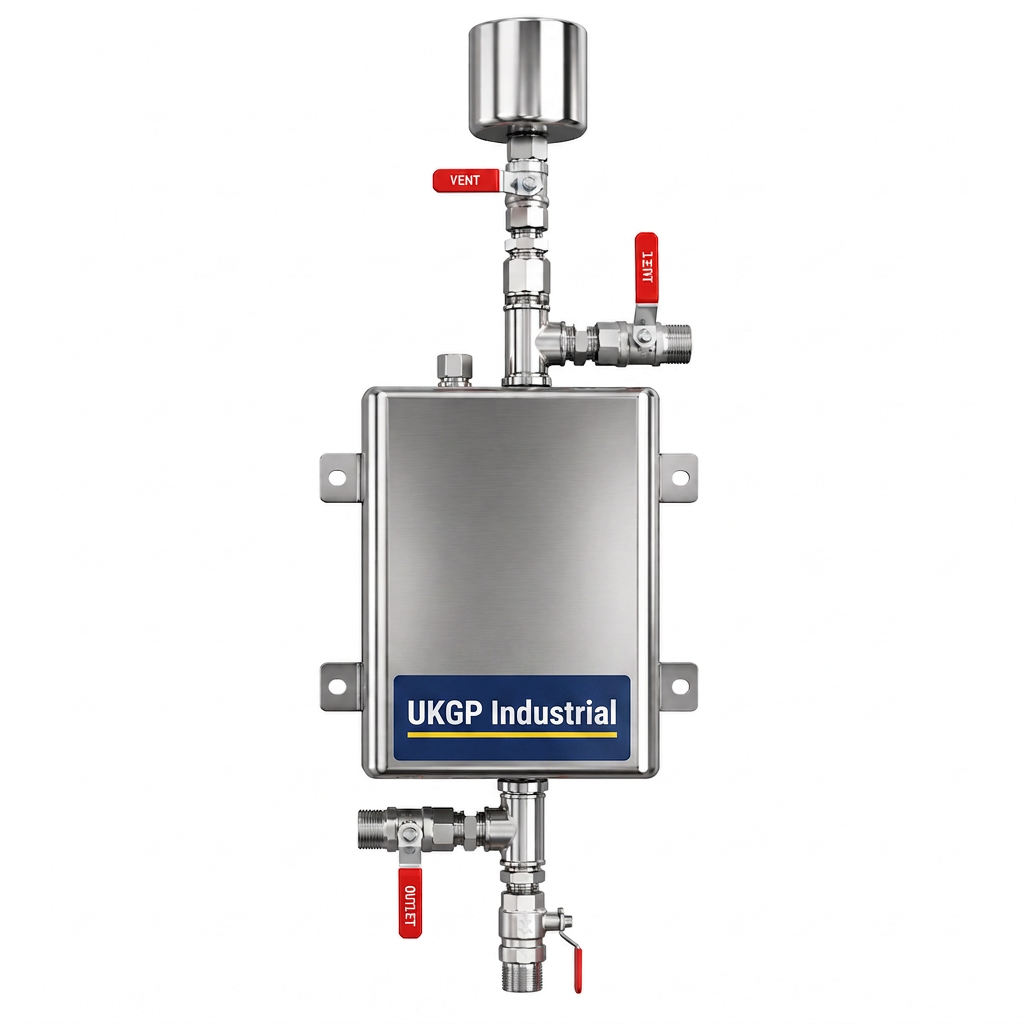
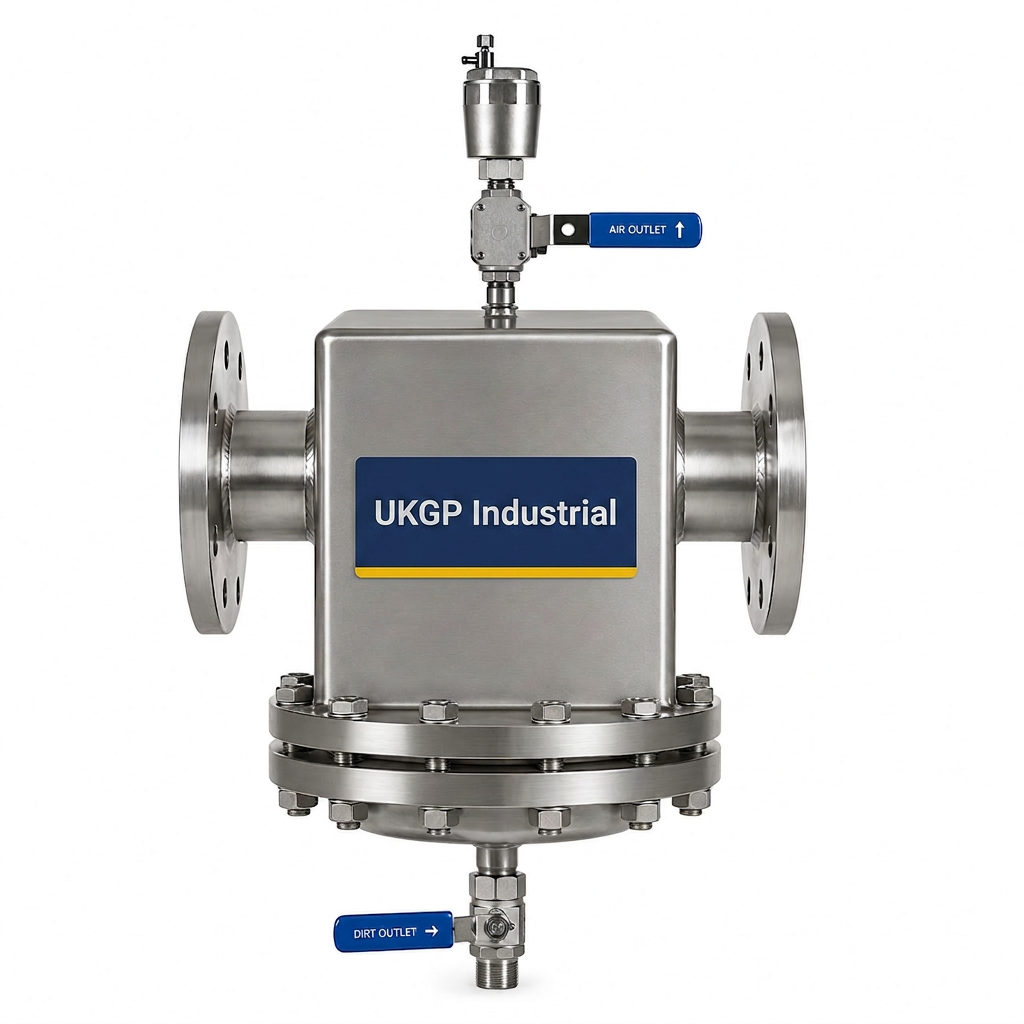
The impact of poor water quality extends to other plant-room components such as chemical dosing pots and expansion bellows. If the water is laden with abrasive particles, it can lead to premature wear on pump seals and the internal membranes of expansion vessels. Integrating an air and dirt separator alongside the side stream filtration unit creates a comprehensive protection suite. This 'belt and braces' approach is favoured by M&E contractors who need to provide long-term warranties on their work. A clean system is a quiet system, and in a care home environment, reducing the noise associated with air bubbles and debris-clogged pipes is a significant benefit to resident well-being.
At UKGP, we provide the full range of equipment to support these installations. Our plate heat exchangers are often used in conjunction with our filtration skids to provide a high-efficiency interface between primary heat sources and secondary emitters. By maintaining de-aerated and filtered water, the thermal efficiency of these units stays consistent for years. We recommend that procurement leads consider the total cost of ownership; while the initial outlay for a quality filtration skid from £6,800+VAT may seem significant, the savings in fuel costs and the prevention of heat exchanger replacements provide a rapid return on investment, often within the first 24 months of operation.
- Extends the operational lifespan of plate heat exchangers and pumps.
- Prevents abrasive wear on expansion bellows and valve seats.
- Improves heat transfer efficiency across the entire building network.
- Reduces noise and vibration for a better resident experience.
Operational Efficiency and Maintenance Requirements
The operational advantages of side stream filtration care homes managers see most clearly are related to maintenance downtime. Standard filtration methods, such as Y-strainers, require the isolation of major pipework sections for cleaning, which is often impossible in 24/7 clinical environments. In contrast, a side stream skid can be serviced while the rest of the system remains fully operational. This is a critical factor for NHS trusts where the continuous supply of heat to wards is non-negotiable. The UKGP skids are designed with bypass valves and easy-change filter bags, meaning a single technician can perform routine maintenance in under thirty minutes without any risk of system contamination.
When considering the specification for new build or refurbishment projects in the care sector, the DN50 to DN100 range of side stream filtration skids typically covers the majority of medium-to-large plant rooms. These skids are made to order, ensuring they fit the specific flow rate and spatial constraints of the site. With a 6-to-8-week lead time, they can be scheduled for arrival just as the pipework reaches the commissioning stage. This is the ideal time to implement the BSRIA BG29 pre-commission cleaning protocols, where the filtration skid can assist in the initial clean-up by removing the large quantities of installation debris that typically enter a new system.
Monitoring the performance of the skid is straightforward. Differential pressure gauges indicate when the filter bag is becoming saturated, providing a clear visual cue for maintenance. This removes the guesswork and ensures that the system is only opened when necessary, reducing the risk of introducing oxygen into the system—which is the primary driver of corrosion. For NHS estates where staff resources are often stretched thin, this level of automation and simplicity in maintenance is highly valued. Investing in a robust, UK-manufactured skid with a 2-year warranty provides the peace of mind that the facility's critical infrastructure is protected by the best available technology.
- Serviceable during full system operation with no downtime.
- Pressure gauges provide clear indicators for filter bag replacement.
- Rapid installation with DN50 to DN100 standard connection sizes.
- Supports BSRIA BG29 pre-commission cleaning requirements.
Economic Benefits and ROI for NHS Trusts
Budget constraints are a constant reality for NHS procurement and care home operators. However, the financial case for side stream filtration care homes install is compelling. A system that is clogged with 1mm of scale or magnetite can see a reduction in heat transfer efficiency of up to 10%. On a large healthcare estate with a six-figure annual gas bill, this loss represents a significant waste of public funds. A UKGP side stream filtration skid, starting at £6,800+VAT, pays for itself through energy savings alone within a very short period. This does not even account for the extended life of the boilers and chillers, which are protected from the detrimental effects of poor water quality.
Furthermore, the cost of chemical treatment is significantly reduced when a system is mechanically clean. In a dirty system, chemicals are often 'used up' reacting with existing sludge rather than protecting the underlying metal of the pipework. By using side stream filtration care homes can ensure that their chemical inhibitors remain at the correct concentrations for longer. This reduces the frequency of dosing and the labor costs associated with manual chemical management. When procurement leads look at the 2-year warranty and the robust construction of our Surrey-manufactured skids, they see a product designed for the longevity required by the public sector.
Procurement cycles in the NHS often require careful planning, and our 6-to-8-week lead time for made-to-order units aligns well with standard tender processes. By specifying a DN50, DN80, or DN100 unit during the design phase, consultants can ensure that the project is delivered on time and within budget. The 2-year warranty we offer is a testament to our confidence in the engineering quality of our skids. In an industry where reliability is paramount, choosing a UK-based manufacturer like UKGP provides the added benefit of local technical support and readily available replacement parts, which is essential for maintaining the critical services provided by care homes and hospitals.
- Typical ROI achieved in under 2 years through energy savings.
- Reduces annual chemical dosing costs and laboratory testing frequency.
- Protects high-value assets like boilers, chillers, and pumps.
- UK-based support and 2-year warranty for procurement peace of mind.
Implementation and Long-Term Strategy
Integrating side stream filtration care homes and NHS estates need into a long-term strategy involves more than just the initial installation. It requires a cultural shift toward proactive maintenance rather than reactive repair. For engineers on the ground, the UKGP filtration skid becomes the central point for monitoring the health of the system. By observing the type of debris collected in the filter bags—whether it be metallic flakes, sand, or biological slime—estates teams can identify specific problem areas within the building and address them before they lead to a system-wide failure. This granular level of insight is invaluable for large, complex sites.
As building regulations move toward more stringent carbon reduction targets, the role of clean HVAC systems becomes even more important. Modern low-temperature heating systems, such as those powered by air-source heat pumps, are even more sensitive to debris than traditional gas boilers. Therefore, side stream filtration care homes are adopting now will be vital for future-proofing these facilities for the transition to net-zero. Our skids are designed to be compatible with both high and low-temperature systems, making them a versatile choice for any estate upgrade or new-build project in the healthcare sector.
In conclusion, the decision to install a UKGP side stream filtration skid is a commitment to quality, efficiency, and safety. Whether you are managing a single local care home or a large NHS trust, our team in Surrey is ready to support you with expert advice and high-quality British manufacturing. With prices starting from £6,800+VAT and a 2-year warranty, there is no better way to ensure the longevity of your building heating and cooling systems. Contact us today to discuss your project requirements for DN50 to DN100 skids, and let us help you achieve a cleaner, more efficient facility within our standard 6-to-8-week delivery window.
- Provides diagnostic data through the analysis of captured debris.
- Future-proofs systems for the transition to low-carbon technology.
- Compatible with both traditional boilers and modern heat pumps.
- Delivered as a complete, ready-to-install skid for ease of commissioning.
Frequently asked questions
What is the typical lead time for a UKGP side stream filtration skid?
- Our side stream filtration skids are made to order at our Surrey facility. The typical lead time is 6 to 8 weeks, depending on the specific configuration and size (DN50 to DN100) required for your care home or NHS site.
What sizing options are available for these skids?
- We manufacture a range of sizes to suit different system volumes, primarily focusing on DN50, DN65, DN80, and DN100 connections. This ensures we can cater to everything from small care homes to large hospital blocks.
Does side stream filtration help with BSRIA BG50 compliance?
- Yes, side stream filtration is a core recommendation of BSRIA BG50. It provides the mechanical cleaning necessary to maintain water quality and prevent the accumulation of magnetite and other solids that cause corrosion.
What is the warranty period for UKGP filtration equipment?
- We provide a 2-year warranty on all our side stream filtration skids, reflecting our commitment to UK manufacturing quality and the long-term reliability required by healthcare estates.
How much does a side stream filtration system cost?
- Pricing for a standard UKGP side stream filtration skid starts from £6,800+VAT. The final cost depends on the specific requirements, such as the addition of high-intensity magnets or specific pump configurations.