The Engineering Link Between Pump Life and Clean Heating Water
In modern UK commercial heating systems, the relationship between pump life and clean heating water is absolute. High-efficiency circulators, often featuring permanent magnet motors, are exceptionally sensitive to the presence of black iron oxide, commonly known as magnetite. As water circulates through carbon steel pipework, oxygen ingress or poor chemical dosing leads to corrosion. These microscopic metallic particles are drawn to the magnetic fields within the pump motor, creating a grinding paste that destroys mechanical seals and pushes the motor past its thermal limits. Without clean water, a pump designed for a fifteen-year service life can fail in fewer than twenty-four months, leading to unexpected capital expenditure and system downtime.
Furthermore, the accumulation of suspended solids changes the viscosity and drag characteristics of the heating fluid. When the fluid is laden with debris, the pump must work significantly harder to maintain the required flow rate, leading to increased power consumption and mechanical fatigue. This unnecessary load on the impeller and bearings accelerates wear on the internal components. For a building services consultant, the goal is to ensure that the fluid remains within the parameters specified by BS 8552 to prevent these hydrodynamic imbalances. Maintaining low turbidity levels is not just about heat transfer; it is a fundamental requirement for protecting the mechanical integrity of the primary moving parts within the plant room.
To mitigate these risks, UK engineering standards strongly recommend a proactive approach to water quality. By focusing on the link between pump life and clean heating water, M&E contractors can reduce the frequency of reactive maintenance calls. The cost of a high-end commercial pump replacement, combined with the labour and system draining required, often far exceeds the cost of preventative filtration. Implementing a robust water treatment strategy ensures that the hydraulic system operates in a steady state, preserving the precision-engineered tolerances of modern pumps. This shift from 'fix-on-fail' to 'preventative protection' is the hallmark of a professionally managed UK plant room and aligns with current best practices in the building services sector.
- Magnetite accumulation specifically targets magnetic pump rotors.
- Erosion of impeller blades occurs through constant particulate impact.
- Increased fluid density leads to premature motor winding burnout.
- Mechanical seal degradation is the primary cause of pump leakage.
BSRIA BG50 and BG29: The UK Standards for System Protection
Navigating the complexities of water quality requires a firm understanding of BSRIA BG50 (Water Treatment for Closed Heating and Cooling Systems) and BG29 (Pre-commission Cleaning of Pipework Systems). These documents provide the framework for maintaining the link between pump life and clean heating water by setting clear limits on suspended solids, iron content, and bacterial activity. For any UK-based FM or consultant, adherence to BG50 is the gold standard for operational excellence. It outlines the necessity of continuous monitoring and the implementation of side stream filtration to ensure that the water remains within a non-corrosive state. Failing to meet these standards often voids the warranties provided by pump manufacturers, leaving the building owner with significant liabilities.
BG29 focus is equally vital during the initial stages of a building's life. If the initial flush and chemical clean are not performed to a high standard, the system begins its operational life with a high debris load. This 'infant mortality' of pumps is a common issue in new builds where construction debris, such as solder flux and mill scale, remains trapped in the loop. By following BSRIA guidelines, engineers can ensure that the system is chemically passivated, creating a protective layer on the internal pipe walls. This prevents the initial surge of corrosion that otherwise would flow directly into the newly installed pumps, causing immediate damage to delicate sensors and high-speed bearings.
In practitioners' experience, documentation is as important as the physical treatment. Maintaining a log of water quality tests as per BSRIA recommendations demonstrates a commitment to plant longevity. When a pump fails, the first thing a manufacturer will request is the water quality report. If the iron levels or conductivity are outside the specified ranges, the failure is classed as an environmental issue rather than a product defect. Therefore, maintaining clean heating water is not merely a technical preference but a commercial necessity for protecting warranties and ensuring that the long-term lifecycle costs of the HVAC system remain within the projected budget.
- BSRIA BG50 defines the limit for suspended solids in closed loops.
- Compliance ensures that pump manufacturer warranties remain valid.
- BG29 pre-commissioning cleaning prevents early-life pump failures.
- Regular sampling as per BS 8552 identifies corrosion trends early.
Implementing Side Stream Filtration for Continuous Cleaning
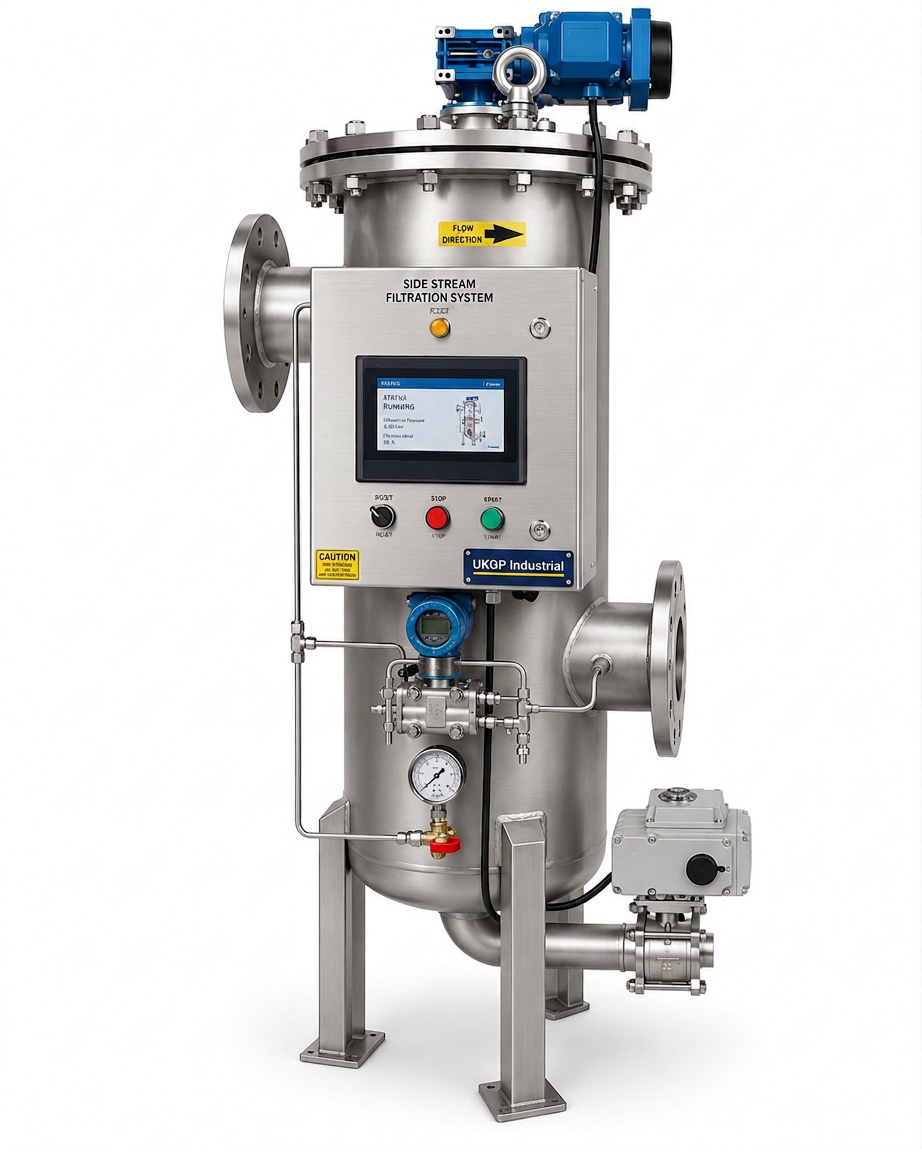
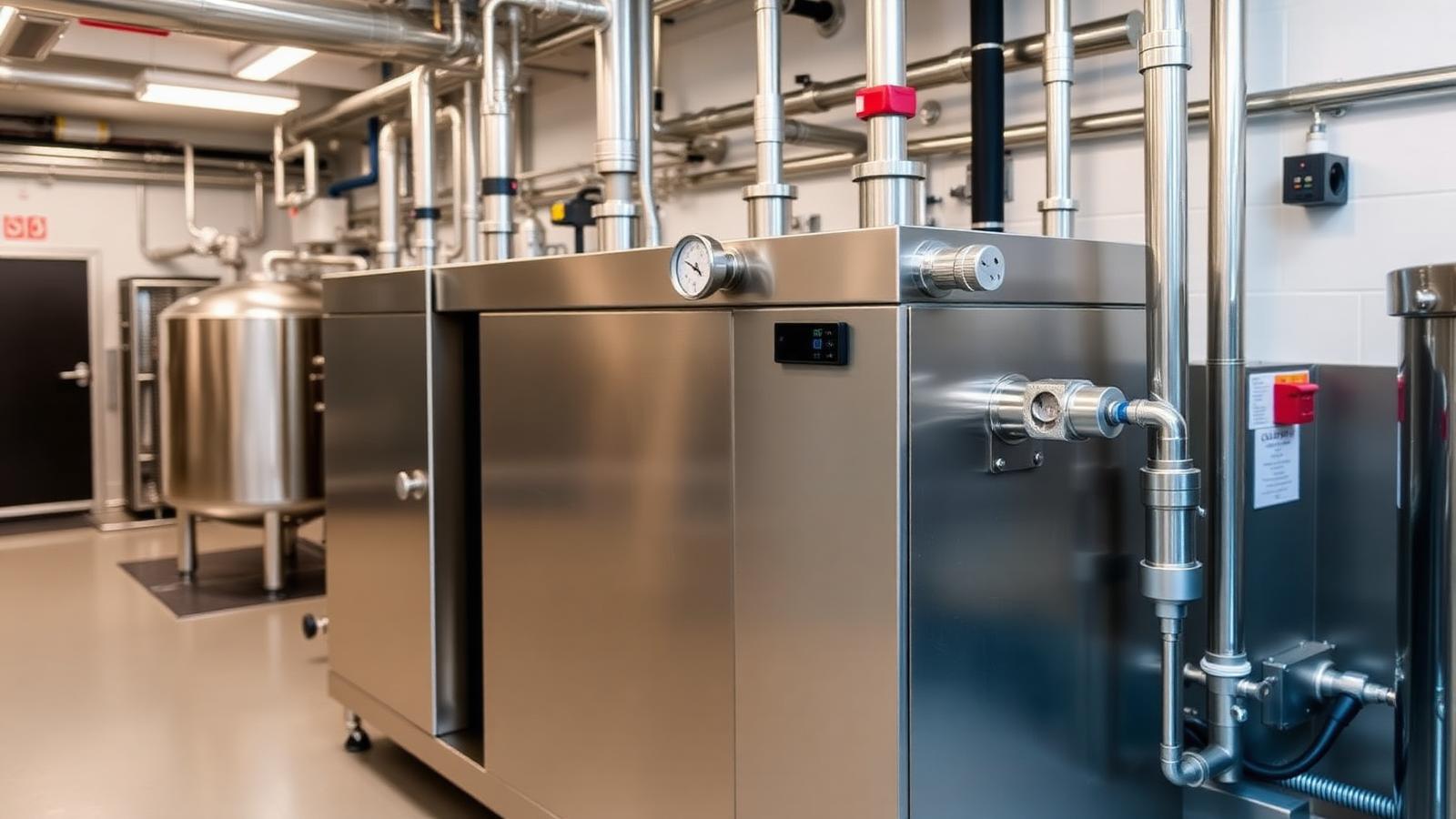
The most effective way to guarantee the link between pump life and clean heating water is the installation of a dedicated side stream filtration skid. Unlike traditional full-flow strainers which often become blocked and restrict flow, a side stream filter continuously diverts a percentage of the system water through a high-efficiency filter media and a magnetic separator. This ensures that even the smallest magnetite particles are captured before they can enter the pump housings. For UK systems, UKGP side stream filtration skids are engineered to handle the demands of medium to large-scale commercial loops. Our units, ranging from DN50 to DN100, provide a robust barrier against the contaminants that typically degrade pump performance over time.
Our side stream filtration skids are available starting from £6,800 + VAT and are made to order with a standard lead time of 6 to 8 weeks. Each unit is supplied with a comprehensive 2-year warranty, providing peace of mind for procurement leads and site engineers alike. These skids are designed for ease of maintenance, allowing for filter bag changes without necessitating a system shutdown—a critical feature for 24/7 facilities like hospitals or data centres. By removing 99% of suspended solids and magnetic debris, these units directly contribute to a more stable hydraulic environment, significantly extending the mean time between failures (MTBF) for the primary circulation pumps and reducing the overall carbon footprint of the building.
When specifying a filtration solution, it is important to consider the total volume of the system and the desired turnover rate. A well-sized side stream filter should be able to process the equivalent of the total system volume several times a day. This constant 'polishing' of the water prevents the buildup of sludge that typically settles in low-flow areas or within the heat exchangers. For contractors looking to deliver a high-quality handover, including a UKGP skid in the plant room design is a clear signal of technical competence. It moves the system beyond the bare minimum of chemical dosing into a world of active mechanical protection, ensuring that the heating water remains clean and the pumps remain operational for their intended lifespan.
- DN50 to DN100 sizes available to suit various commercial flow rates.
- Prices starting from £6,800 + VAT with custom manufacture options.
- Integrated magnetic separation specifically to protect pump rotors.
- 2-year warranty and 6-8 week lead time for UK-wide delivery.
The Role of Air and Dirt Separators in Pump Protection
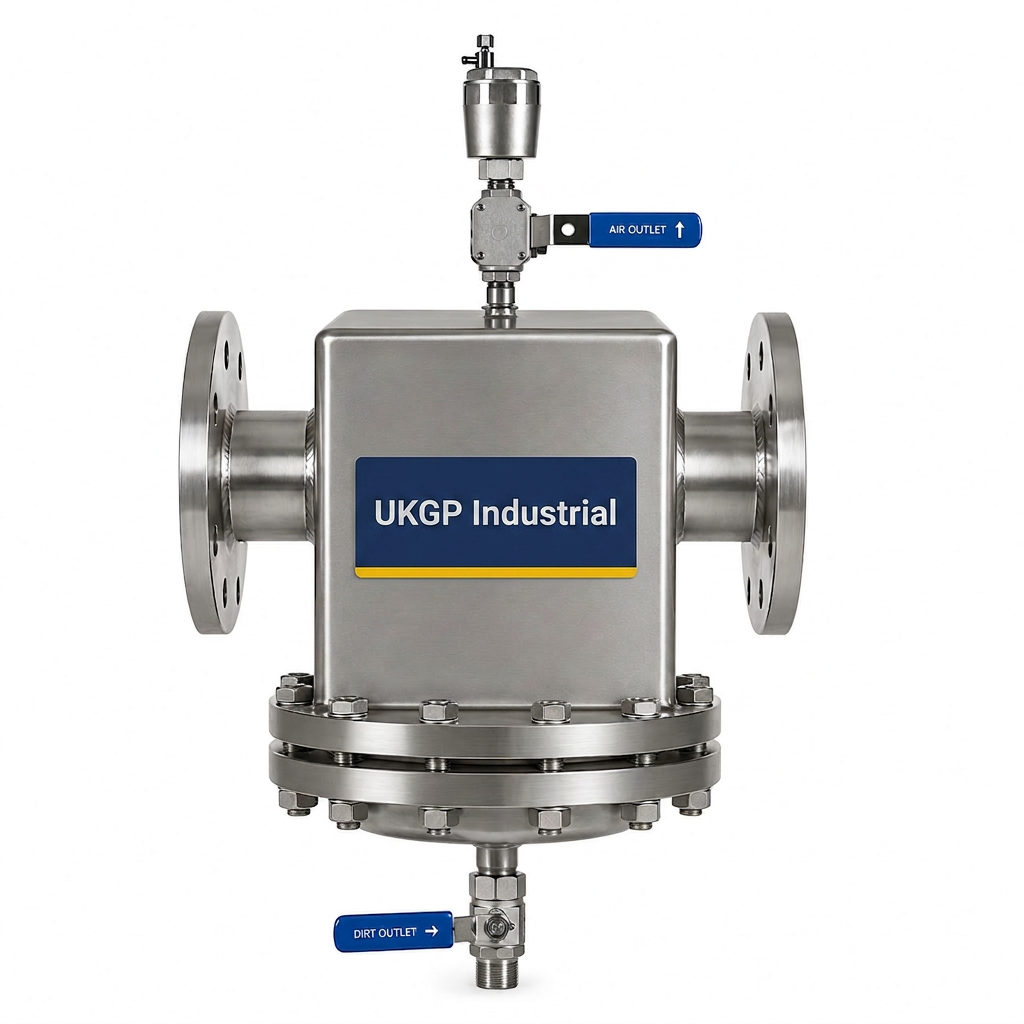
While filtration is key for removing solids, the presence of entrained air and microbubbles also plays a detrimental role in pump health. Oxygen is a primary driver of corrosion; without air removal, the process of creating magnetite is accelerated, directly impacting the pump life and clean heating water relationship. Air and dirt separators work by creating a 'quiet zone' within the main flow, allowing air bubbles to rise and be vented while heavier dirt particles settle to the bottom for blow-down removal. This dual-action approach is essential for preventing cavitation within the pump volute. Cavitation, caused by air bubbles imploding against the impeller, can pit metal surfaces and lead to catastrophic mechanical failure within hours.
Installing an air and dirt separator at the point of lowest solubility—typically the hottest part of the system—ensures that gases are stripped from the fluid efficiently. When combined with a side stream filter, these units provide a comprehensive 'belt and braces' approach to water quality. For UK plant rooms, where space is often at a premium, these combined units offer a high-performance solution without a massive footprint. Ensuring that the fluid moving through the pump is 'dead' (de-aerated) and clean reduces the acoustic profile of the plant room, as noisy pumps are often the first sign of air entrapment or particulate interference with the internal bearings.
M&E contractors should ensure that these units are serviced regularly. A separator that is full of sludge or has a blocked vent becomes a bottleneck rather than a benefit. By integrating these into a planned preventative maintenance (PPM) schedule, facility managers can ensure that the water quality remains high. At UKGP, we provide high-grade air and dirt separators designed to complement our filtration skids. Together, they create a hydraulic environment that is kind to pumps, heat exchangers, and control valves. Investing in these components during the initial build or as part of a plant room refurbishment is a commercially sound decision that pays dividends in reduced energy bills and fewer emergency repair costs.
- Prevents pump cavitation by removing microbubbles from the flow.
- Reduces the rate of internal oxygen-based corrosion and scale.
- Protects high-efficiency pump bearings from entrained grit.
- Essential for maintaining the quiet operation of modern HVAC systems.
Protecting Assets Beyond the Pump: Heat Exchangers
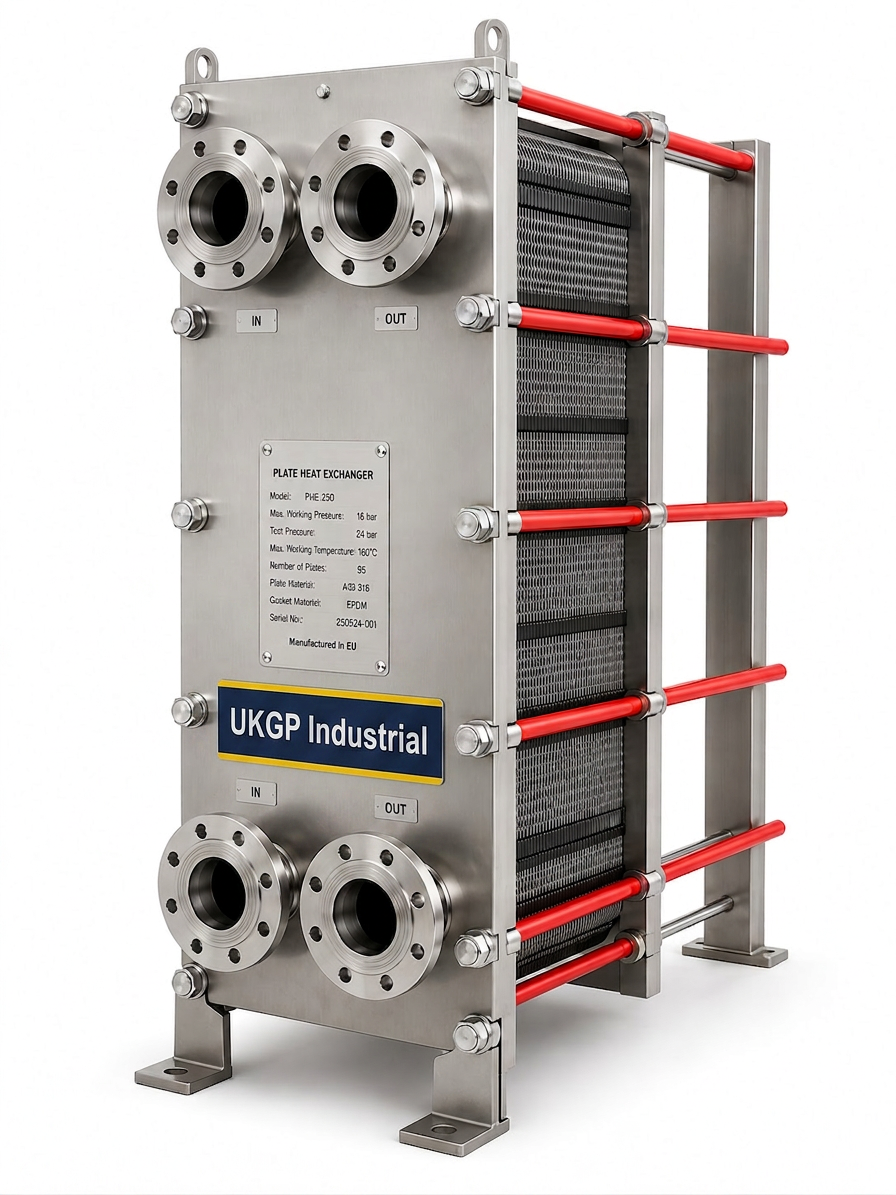
The impact of clean heating water extends beyond the pumps to other critical components like plate heat exchangers (PHEs). In a commercial system, the PHE is often the point of highest heat transfer and, consequently, the point where scale and sludge are most likely to drop out of suspension. If the water quality is poor, the narrow channels within a plate heat exchanger become fouled, drastically reducing thermal efficiency. This creates a feedback loop where the pumps must run at higher speeds to overcome the increased pressure drop, further shortening the pump life. Clean heating water ensures that these heat transfer surfaces remain clear, allowing the entire system to operate at its design delta-T.
For system designers, the link between pump life and clean heating water is inseparable from the protection of the boiler or chiller plant. Magnetite and scale act as insulators; a 1mm layer of scale can reduce heat transfer efficiency by up to 10%. This inefficiency forces the primary plant to work harder, which in turn increases the load on the circulation pumps. By maintaining a clean loop, you are not just protecting a single pump; you are protecting the entire thermal chain. UKGP can provide advice on the integration of filtration and heat exchange technology to ensure that your system architecture is optimized for both performance and longevity in demanding UK commercial environments.
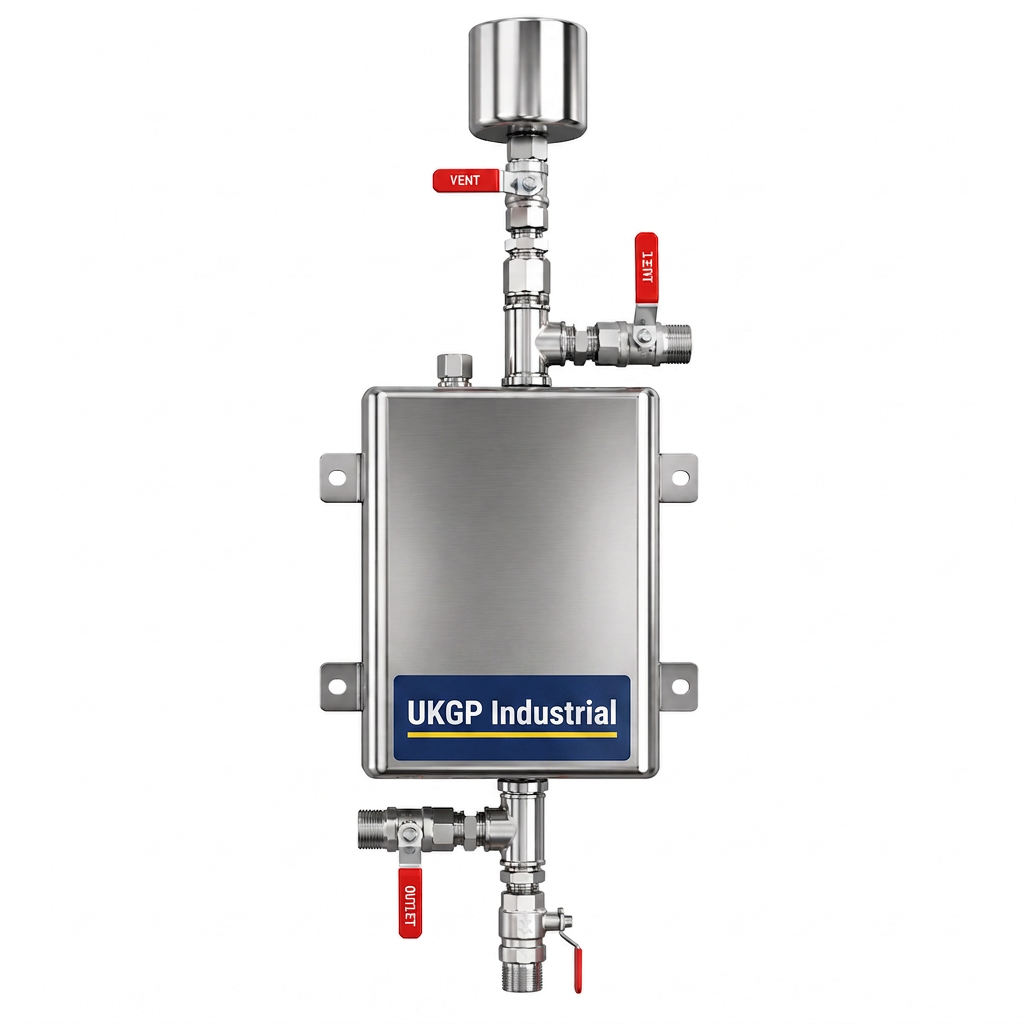
Ultimately, the goal of any building services engineer is to deliver a reliable, energy-efficient system. The costs associated with fouled heat exchangers and failed pumps are a significant drain on facility budgets. By specifying high-quality side stream filtration and ensuring proper chemical dosing via a dosing pot, you create an environment where components can reach their full engineering potential. Our team at UKGP is ready to assist with technical specifications and quotes for our range of British-made plant room equipment, ensuring your project meets BSRIA standards from day one and continues to perform for decades to come.
- Reduces fouling on plate heat exchanger surfaces for better delta-T.
- Lowers the overall system pressure drop, reducing pump strain.
- Prevents 'hot spots' in boilers caused by internal sludge deposits.
- Ensures thermal efficiency remains at design levels year-round.
Commercial Benefits and Procurement Considerations
From a procurement perspective, the decision to invest in water quality is a decision to reduce lifecycle costs. A UKGP side stream filtration skid, though an upfront investment from £6,800 + VAT, often pays for itself within the first three years of operation through energy savings and reduced pump replacements. When you consider that a single large commercial pump can cost several thousand pounds—excluding labor, crane hire, and system downtime—the business case for filtration becomes clear. Furthermore, the 6 to 8-week lead time for our made-to-order units allows for precise project planning, ensuring that the protection is in place before the system is fully commissioned and the pumps are put to work.
The 2-year warranty offered on UKGP equipment is a testament to the build quality and the reliability of our British manufacturing processes. For consultants, specifying a known UK brand ensures that technical support and spare parts are readily available, unlike cheaper imported alternatives. This local support is invaluable when navigating the strict requirements of BSRIA BG50 compliance. By choosing a partner who understands the specific challenges of the UK HVAC market, procurement leads can mitigate risk and ensure that the buildings they manage are resilient against the common pitfalls of poor water quality and premature equipment failure.
In summary, the link between pump life and clean heating water is one of the most critical factors in modern plant room management. By focusing on particulate removal, de-aeration, and chemical balance, you can ensure that your high-efficiency pumps deliver the performance they were designed for. We invite all UK building services professionals to contact UKGP for a quote on our side stream filtration units and other plant room essentials. Whether you are dealing with a DN50 minor loop or a DN100 major distribution header, we have the technical expertise and the hardware to keep your heating water clean and your pumps running smoothly for the long term.
- Reduced capital expenditure on premature pump replacements.
- Lower energy consumption due to improved hydraulic efficiency.
- Enhanced ESG profiles through reduced waste and component replacement.
- Improved tenant satisfaction due to reliable heating and cooling.
Frequently asked questions
How does dirty water specifically damage high-efficiency pumps?
- High-efficiency pumps use permanent magnet motors that attract magnetite. These particles settle in the bearings and mechanical seals, creating friction that leads to seal failure, water ingress into the motor, and eventual burnout.
What is the recommended micron rating for side stream filtration?
- BSRIA BG50 suggests that filtration should eventually remove particles down to 5 microns. Our side stream filtration skids are designed to accommodate various bag filters to achieve this level of clarity in closed loops.
Why is side stream filtration preferred over a standard strainer?
- A standard strainer only catches large debris and can block the main flow. Side stream filtration continuously 'polishes' the water by diverting a portion of the flow, capturing much smaller particles without risking system-wide flow restriction.
How often should heating water be tested?
- According to BS 8552, water should be tested at least quarterly in commercial systems, though monthly checks are advisable during the first year of operation to establish a baseline for corrosion and cleanliness.
Can I retrofit a side stream filtration skid to an existing system?
- Yes, side stream skids are ideal for retrofitting. They can be installed into the return header with minimal disruption, immediately beginning the process of removing years of accumulated sludge to protect remaining pumps.