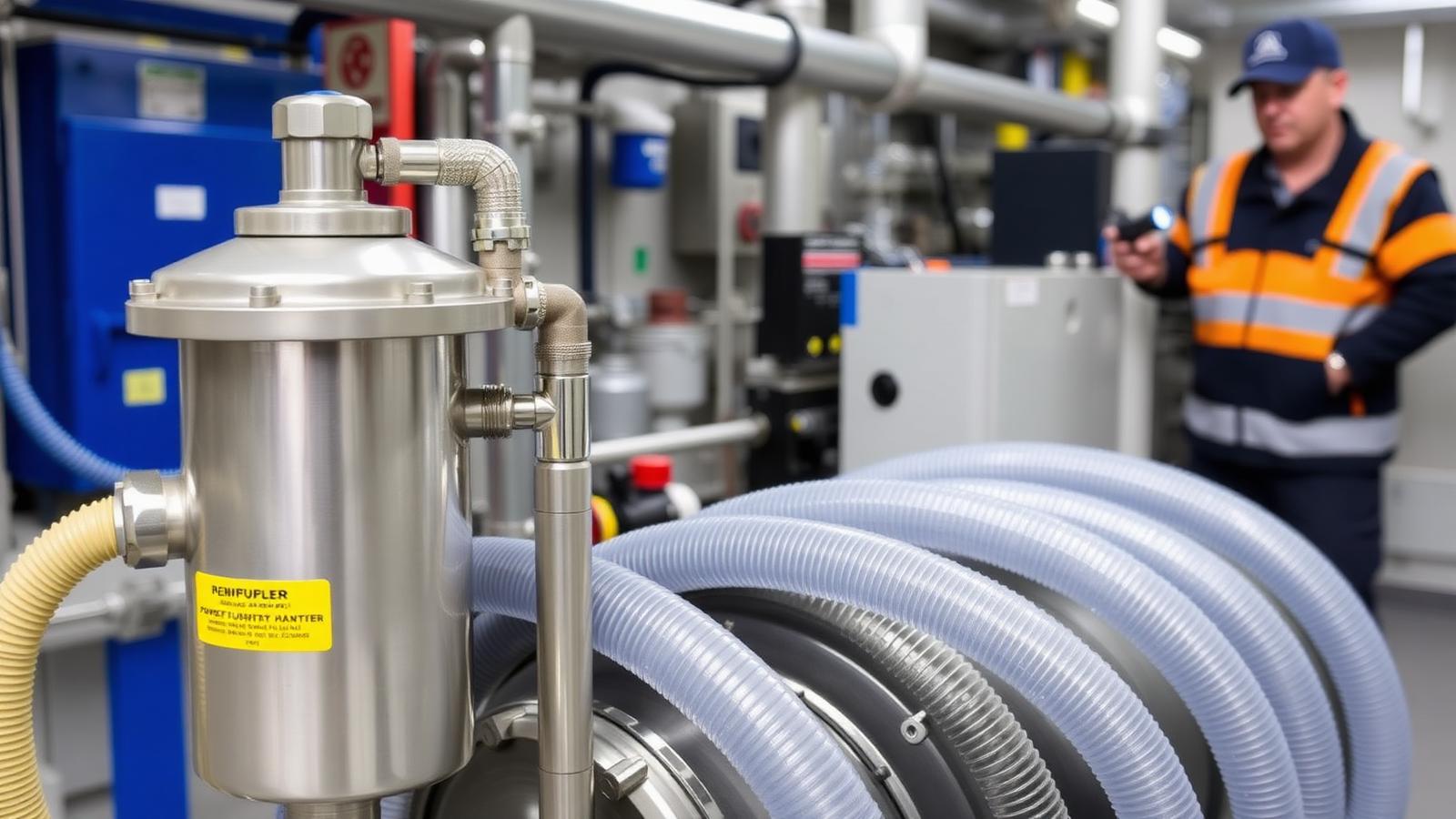
Understanding the Limitations of Power Flush Equipment Hire
In the UK building services sector, power flush equipment hire is frequently viewed as a reactive measure to restore thermal efficiency in fouled systems. While a high-flow pump can dislodge loose debris and sludge, the process is inherently invasive and often requires significant plant-room downtime. For large-scale M&E contractors, hiring pumps involves logistical challenges, including transport, pick-up windows, and the risk of using equipment that has not been properly maintained or decontaminated by the previous hirer. Furthermore, the aggressive nature of high-velocity flushing can occasionally stress older pipework joints or thin-walled commercial heat exchangers, potentially leading to leaks that necessitate further reactive repairs.
From a technical perspective, relying solely on periodic power flushing does not satisfy the long-term monitoring and maintenance requirements outlined in BSRIA BG50. The flushing process provides a 'snapshot' of cleanliness that begins to degrade the moment the hired equipment is disconnected. Without a permanent means of capturing circulating magnetite and non-magnetic particles, the system remains vulnerable to the rapid re-accumulation of sludge, particularly in low-flow areas of the circuit. This cyclic approach to maintenance often proves more expensive over a five-year lifecycle than investing in a robust, permanent filtration solution that works continuously to protect the integrity of the secondary or primary heating loops.
Moreover, the commercial reality of power flush equipment hire includes hidden costs such as chemical disposal and the labor-intensive nature of the task. UK regulations regarding the discharge of system water and chemical cleaners into the foul sewer are stringent; contractors must ensure that all effluent is properly neutralized and documented. When you factor in the rental fees, the specialized chemical additives required, and the multi-man teams needed to manage a full system flush on a commercial site, the 'cheap' hire option often balloon into a significant operational expenditure. For those looking to move away from reactive maintenance, considering a permanent installation is a commercially prudent step.
- High daily hire rates and transport surcharges for heavy-duty pumps.
- Significant downtime required for system-wide valve manipulation and flushing.
- Potential for internal erosion if flow velocities are poorly managed during the flush.
- Reactive nature does not align with proactive BSRIA BG50 water quality management.
Permanent Side Stream Filtration: The Strategic Alternative
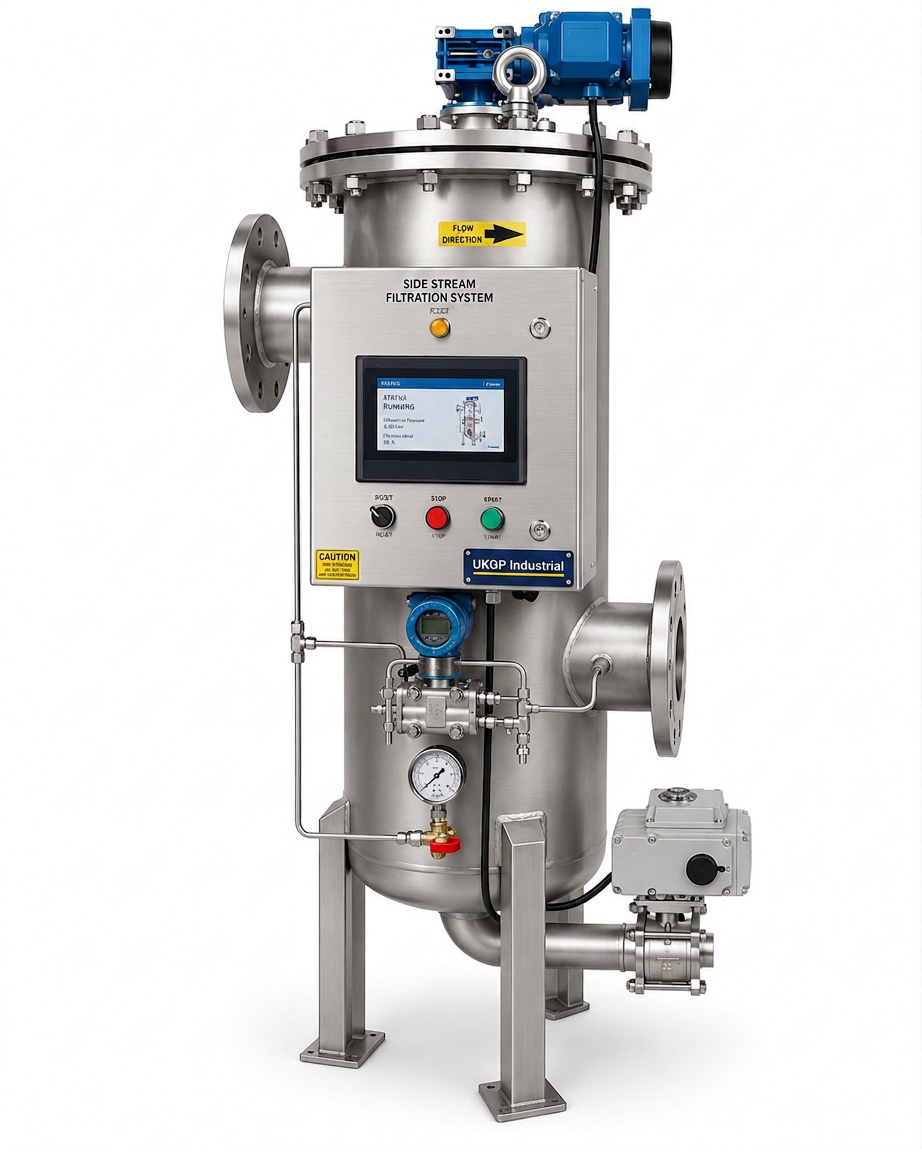
For UK building services consultants and asset managers, side stream filtration represents the gold standard for maintaining closed-loop system health. Unlike the temporary intervention of power flush equipment hire, a side stream filtration skid works 24/7 to remove suspended solids, micro-bubbles, and dissolved gases. UKGP Industrial specializes in manufacturing premium side stream filtration skids that are engineered specifically for the UK market. These units typically treat between 5% and 15% of the total circulating flow, ensuring that even the smallest particles are captured before they can settle into the heat emitters or settle in the primary plant-room equipment, effectively eliminating the need for future emergency flushing.
Our UKGP skids are made to order with a standard 6-8 week lead time, providing a bespoke solution tailored to your specific system volume and pipework size. For systems ranging from DN50 to DN100, our prices start from £6,800+VAT, making this an incredibly cost-effective capital investment when compared to the recurring costs of multiple hire interventions and the associated chemical treatments. Each unit is backed by a 2-year warranty, providing facility managers with peace of mind that their plant is protected by UK-manufactured engineering. By installing a permanent skid, you ensure that your system remains compliant with BS 8552 and CIBSE guidelines for water quality throughout the year.
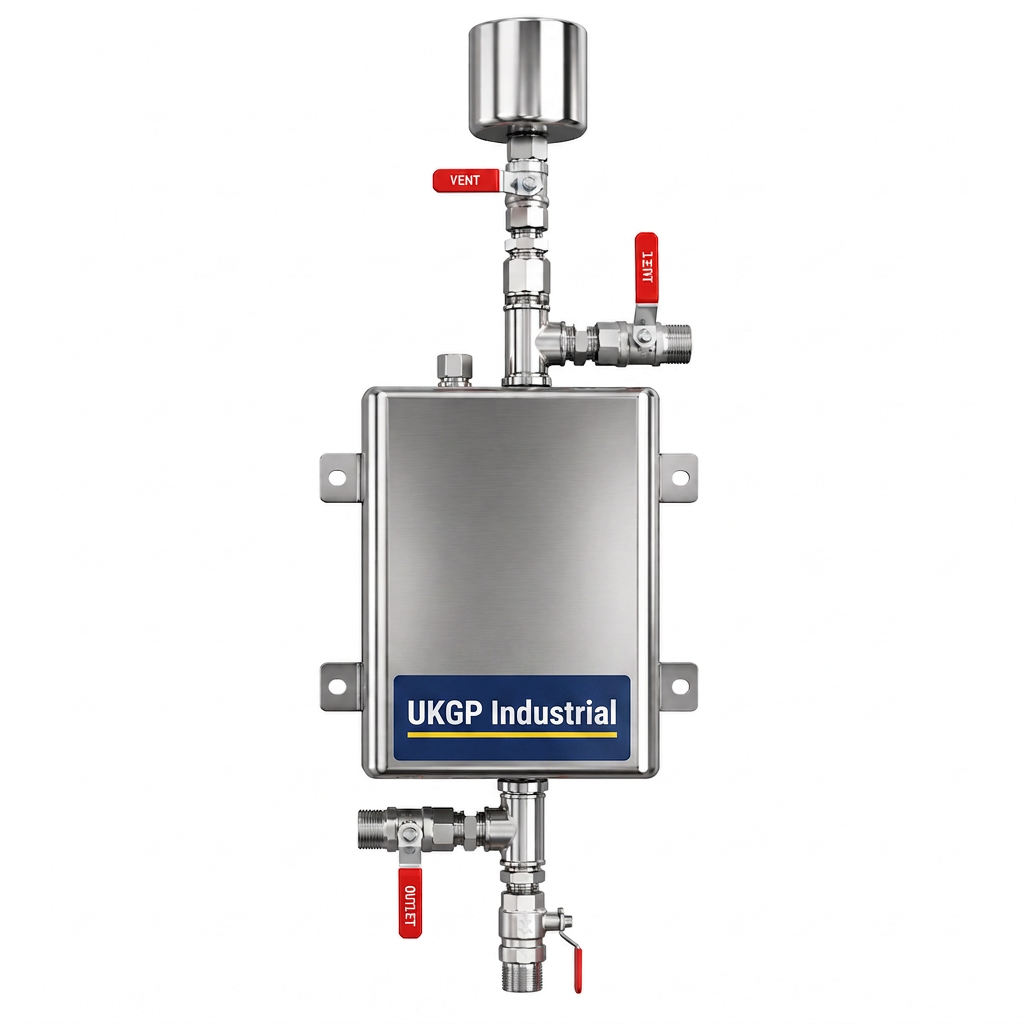
Switching to side stream filtration also facilitates better chemical dosing management. When used in conjunction with a dedicated dosing pot, the filtration system ensures that inhibitors are evenly distributed through a clean system, rather than being absorbed by existing sludge. This synergy drastically improves the lifespan of your infrastructure. Rather than renting equipment every 24 months, a one-off procurement of a UKGP skid allows for a 'fit and forget' approach, punctuated only by simple, routine bag or cartridge changes. This transition from reactive power flushing to proactive filtration is essential for modern, high-efficiency boiler and chiller plants where tolerance for debris is minimal.
- Continuous removal of magnetite and grit down to sub-micron levels.
- Lower total cost of ownership compared to recurring hire and labor charges.
- Standard DN50 to DN100 options available to suit diverse commercial applications.
- UKGP skids are made to order in 6-8 weeks with a full 2-year warranty.
Compliance with BSRIA BG29 and BG50 Standards
Compliance with BSRIA BG29 (Pre-commission cleaning) and BG50 (Water treatment for closed systems) is non-negotiable for modern UK commercial buildings. While power flush equipment hire can be part of the initial BG29 pre-commissioning phase, it is rarely sufficient for the ongoing BG50 maintenance phase. BG50 emphasizes the importance of continuous monitoring and the removal of suspended solids to prevent localized corrosion and microbiological growth. A permanent side stream filter allows for easy sampling and constant debris removal, which are core tenets of a compliant water management strategy. This proactive approach helps in maintaining the heat transfer efficiency that the system was originally designed to provide.
Industry experts at CIBSE advocate for filtration systems that do not rely on high-pressure surging, which is common in power flushing. High-pressure surges can dislodge protective films on the internal surfaces of steel pipework, whereas side stream filtration maintains a stable environment. By capturing solids in real-time, the UKGP side stream skid prevents the abrasive wear on pump seals and control valves that often leads to premature failure and expensive emergency call-outs. In a world where sustainability and energy efficiency are paramount, maintaining a clean system through constant filtration is significantly more energy-efficient than correcting a fouled system via a power flush.
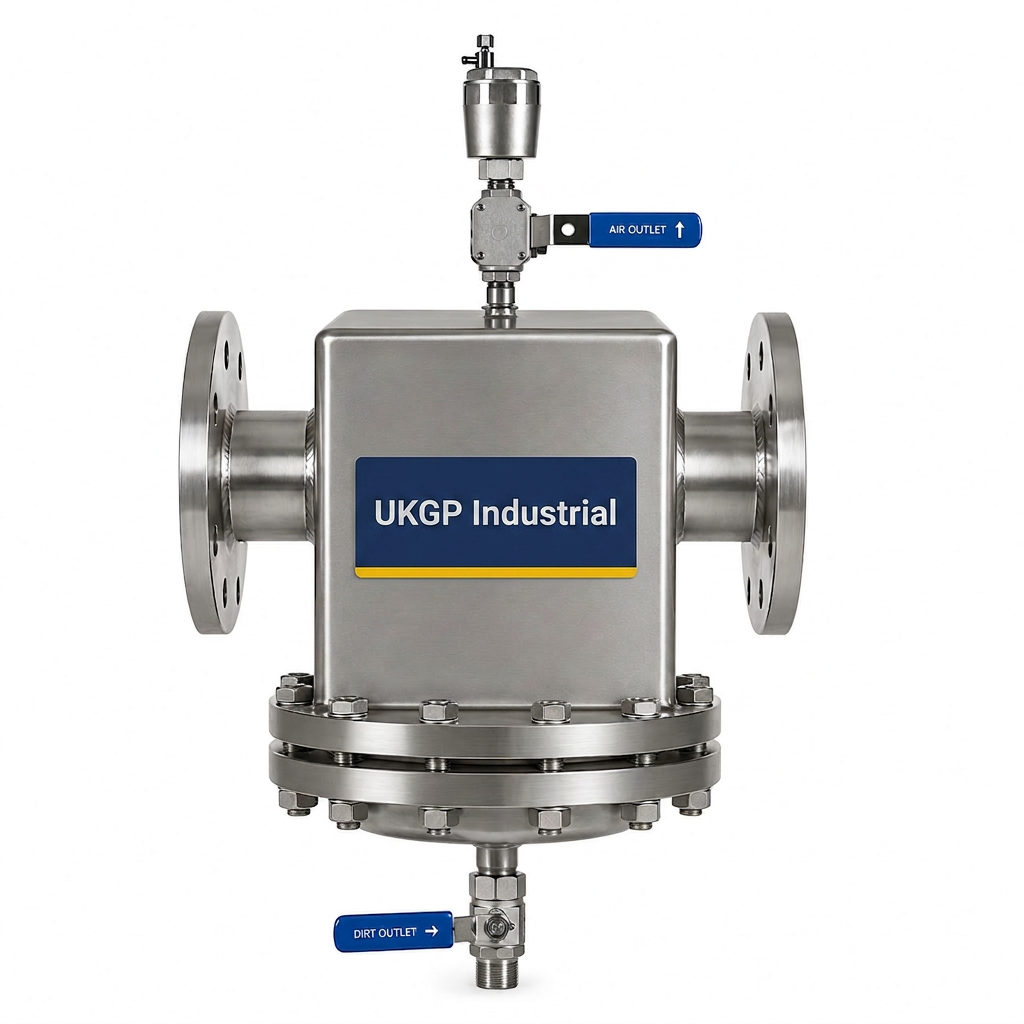
Furthermore, the integration of air and dirt separators alongside filtration further bolsters compliance efforts. The removal of micro-bubbles is crucial, as oxygen is the primary driver of the corrosion that creates the very sludge power flushing aims to remove. By addressing the root cause—gases and solids—via permanent UKGP plant-room equipment, FM leads can ensure their systems exceed the expected operational lifespan. This shift in strategy from 'flush when failed' to 'always filtering' is what separates high-performing UK facilities from those plagued by constant maintenance backlog and rising operational costs.
- Automated filtration assists in meeting BS 8552 sampling requirements.
- Reduces the risk of microbial-induced corrosion (MIC) by removing nutrient-rich sludge.
- Protects expensive assets like Plate Heat Exchangers from sediment blockage.
- Provides a verifiable audit trail for water quality maintenance records.
The Impact of Sludge on Plate Heat Exchangers and Boilers
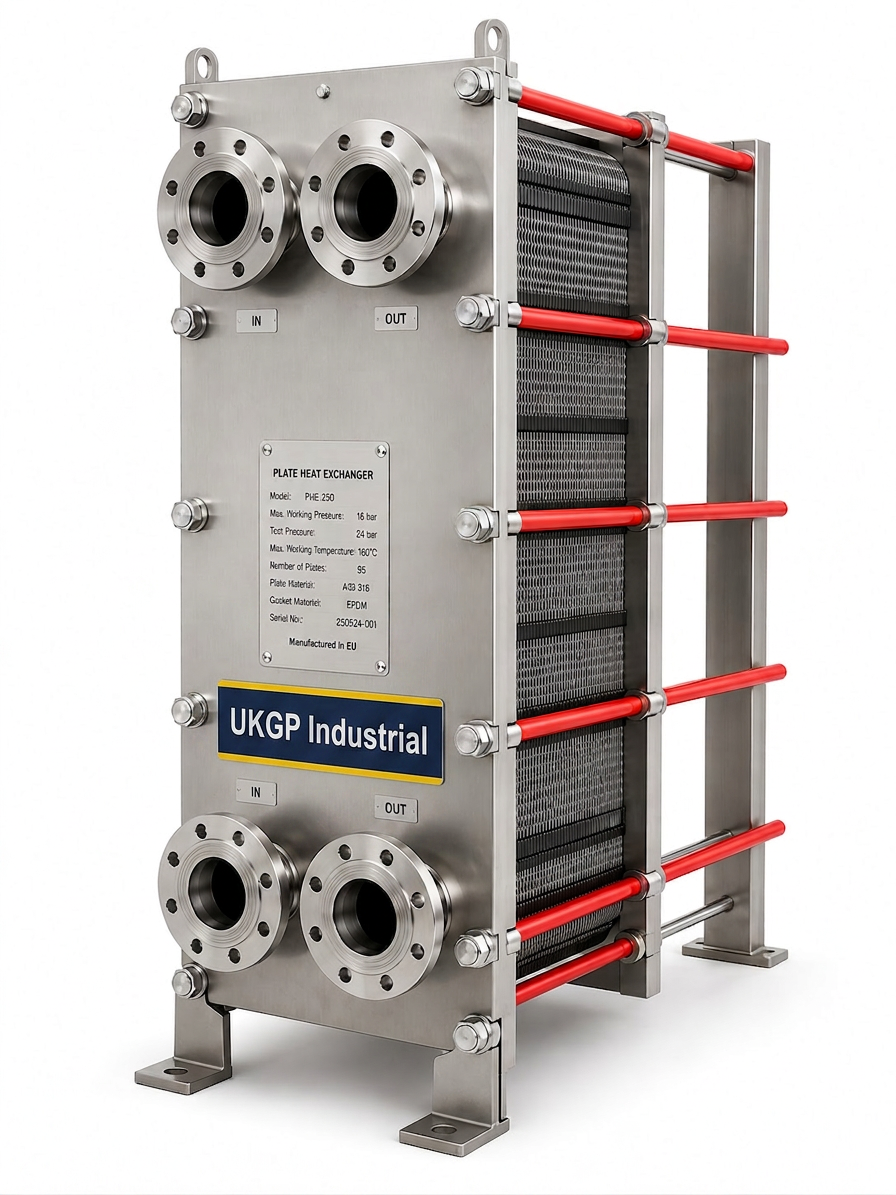
One of the most significant risks of delaying a move from power flush equipment hire to permanent filtration is the irreversible damage to critical plant components. Plate Heat Exchangers (PHEs) are particularly vulnerable to magnetite and scale. The narrow channels between plates can easily become blocked by debris that a standard power flush might actually push deeper into the unit if not managed correctly. Once a PHE is significantly fouled, its heat transfer coefficient drops, causing the primary boiler or chiller to work significantly harder, increasing fuel consumption and carbon emissions. This inefficiency is a direct result of allowing debris to circulate freely in the system between flushing intervals.
In modern condensing boiler systems, the heat exchangers are manufactured with very tight tolerances to maximize efficiency. Even a thin layer of magnetite on the internal heat exchange surfaces can lead to hotspots and thermal stress, eventually causing the heat exchanger to crack. Use of hired power flushing equipment after the damage has started is often too little, too late. By contrast, installing a UKGP side stream filter ensures that the secondary circuit is constantly scrubbed of the particles that threaten these expensive assets. For consultants specifying plant-room upgrades, the inclusion of a filtration skid is the most effective way to guarantee the warranty terms of high-end boiler manufacturers are met.
Additionally, the labor cost for a team of engineers to manually strip and clean a Plate Heat Exchanger that has been blinded by sludge is substantial. This process involves the replacement of gaskets and often requires several days of work. If the system had been equipped with a UKGP side stream filtration skid—starting from £6,800+VAT—the debris would have been captured in an easily replaceable filter bag rather than inside the heat exchanger. This strategic move from reactive cleaning to preventative filtration directly impacts the bottom line by reducing both energy bills and the frequency of high-cost component replacements in the plant room.
- Magnetite build-up significantly reduces Delta T across heat exchangers.
- Blocked PHE plates lead to increased pumping energy and burner cycling.
- A 2-year warranty on filtration equipment provides long-term financial security.
- Permanent filtration protects the manufacturer's warranty on boilers and chillers.
Financial Comparison: Hire vs. Procurement
When conducting a financial appraisal of plant-room maintenance, the upfront cost of power flush equipment hire often seems attractive compared to capital expenditure. However, a typical commercial power flush for a medium-sized office block can cost several thousand pounds in hire fees, labor, and specialized chemicals. If this process needs to be repeated every three years due to ongoing corrosion, the cumulative cost quickly exceeds the price of a permanent UKGP side stream filtration skid. Our skids, starting at £6,800+VAT for a DN50 unit, represent a one-time investment that serves the building for decades, radically altering the lifecycle cost profile of the HVAC installation.
Beyond the direct equipment costs, one must consider the operational savings. A clean system requires less pumping power to move water around the building, as there is less frictional resistance from sludge-coated pipes. Furthermore, the reduction in unplanned maintenance call-outs is a major factor for UK facility managers. Each time a pump seal fails or a control valve sticks due to grit, the associated costs—including emergency labor and part procurement—erode the annual maintenance budget. A permanent filtration solution minimizes these occurrences, allowing for more predictable budgeting and resource allocation. UKGP's 6-8 week lead time means you can have a unit ready for the next scheduled maintenance window.
Finally, the 'made to order' nature of our equipment ensures that you are not paying for capacity you don't need, nor are you underspecifying a critical component. We work with M&E contractors to size the skid perfectly for the system's flow rate and pressure requirements. Whether you require a DN50, DN80, or DN100 connection, our engineers ensure the skid integrates seamlessly into your existing or new-build plant room. With a 2-year warranty and UK-based technical support, the value proposition of choosing UKGP over a temporary hire solution is clear to any commercially-minded procurement lead or engineer looking for long-term system stability.
- Eliminates recurring rental and specialized transportation costs.
- Reduces annual chemical consumption through better system cleanliness.
- Improves system energy efficiency, lowering carbon footprint and utility bills.
- Increases the resale or asset value of the building's mechanical services.
Best Practices for Implementing Side Stream Filtration
To successfully transition from a strategy of power flush equipment hire to permanent filtration, it is crucial to follow industry best practices for installation and operation. The side stream filtration skid should be positioned across the main flow and return headers, typically where the pressure differential is greatest, to ensure consistent flow through the filter media. It is also advisable to install the skid in an accessible location to allow for easy bag changes, which should be performed based on the pressure drop across the filter housing. Unlike hired equipment, which is often bulky and difficult to maneuver, a UKGP skid is compactly designed for permanent plant-room integration.
Engineers should also ensure that the filtration system is complemented by a high-quality chemical dosing pot. This allows for the precise introduction of inhibitors and biocides, which work more effectively in a system where suspended solids are being actively removed. At UKGP Industrial, we provide the full suite of plant-room essentials, ensuring that your water treatment strategy is holistic. By combining our filtration skids with air and dirt separators, you tackle all three major enemies of a closed-loop system: solids, gases, and chemical imbalance. This comprehensive approach is what we recommend to all our UK clients looking to achieve BSRIA compliance.
Once installed, the maintenance of a side stream filter is remarkably simple. Instead of the high-stress, high-labor requirement of a full system power flush, your on-site team simply monitors the pressure gauges on the skid. When the limit is reached, the filter bag is replaced—a process that takes minutes and does not require a system shutdown. This ease of use is why thousands of UK commercial buildings are moving away from the hire model and toward permanent, made-to-order filtration solutions. Contact UKGP Industrial today for a bespoke quote on our side stream filtration skids, starting from £6,800+VAT, and secure your system's future.
- Install across the pump header for optimal pressure differential.
- Integrate with a dosing pot for a complete water treatment solution.
- Monitor pressure gauges to determine filter bag change intervals.
- Utilize UKGP technical support for sizing and installation guidance.
Frequently asked questions
Why is side stream filtration better than power flush equipment hire?
- Power flush equipment hire provides a temporary, reactive solution that doesn't address ongoing magnetite formation. Side stream filtration offers continuous 24/7 cleaning, ensuring long-term compliance with BSRIA BG50 and protecting expensive plant components from debris build-up.
What is the typical lead time for a UKGP side stream filtration skid?
- Our skids are made to order at our Surrey-based facility with a typical lead time of 6 to 8 weeks. This ensures each unit is engineered to the specific requirements of your commercial HVAC system.
How much does a commercial side stream filtration unit cost?
- UKGP side stream filtration skids start from £6,800+VAT for standard DN50 configurations. This capital investment often pays for itself within a few years by eliminating the need for recurring hire costs and emergency repairs.
What sizes are available for the filtration skids?
- We offer a range of sizes from DN50 up to DN100 as standard, with the ability to provide bespoke solutions for larger industrial applications. Each unit is designed to handle the rigorous demands of UK commercial plant rooms.
Does the equipment come with a warranty?
- Yes, all UKGP Industrial side stream filtration skids come with a comprehensive 2-year warranty, reflecting the high manufacturing standards and quality of components used in our UK facility.