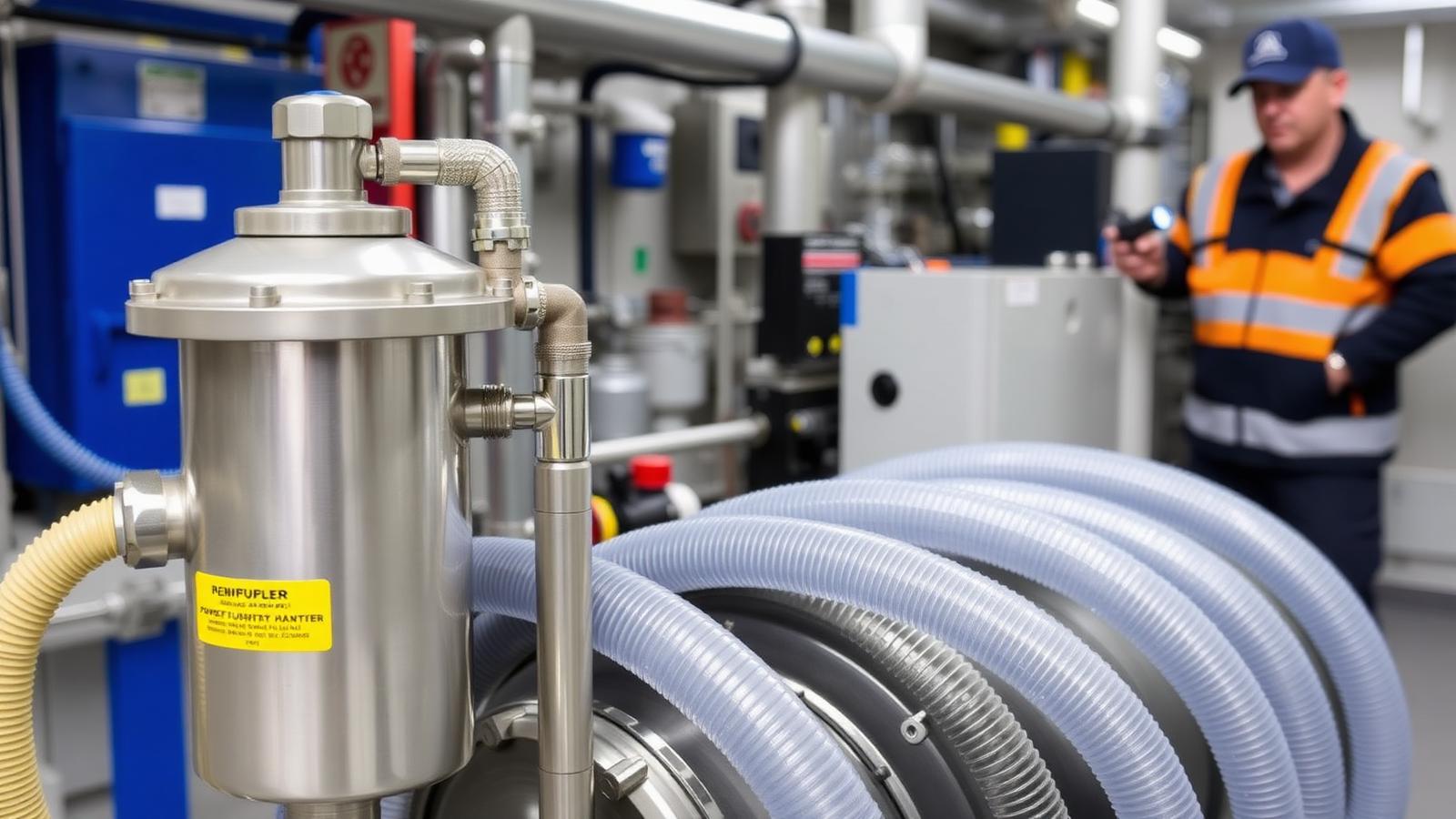
The technical necessity of a power flush school heating strategy
In the UK, school heating systems often suffer from chronic magnetite build-up due to ageing pipework and intermittent usage patterns. A power flush school heating project is not merely a cleaning exercise; it is a critical maintenance intervention designed to restore design flow rates and heat transfer efficiency. According to BSRIA BG50 guidelines, monitoring water chemistry is essential, but once suspended solids and iron oxides have compromised the system's thermal performance, mechanical and chemical cleaning become unavoidable. Engineers must evaluate whether a traditional high-velocity flush is sufficient or if the system requires a more robust recovery strategy involving side stream filtration to prevent the immediate re-accumulation of debris during the following academic term.
When planning a power flush school heating operation, the primary goal is to remove the 'black sludge' that creates cold spots in radiators and increases the heat exchange resistance in commercial boilers. For educational estates, this often involves cleaning multiple zones across large campus layouts, necessitating high-flow pumps and specialized chemicals. If the system is not properly cleared, the new high-efficiency boilers typically installed during school refurbishments will likely fail prematurely due to heat exchanger fouling. This makes the cleaning process a prerequisite for any significant plant-room upgrade to ensure that the capital investment is protected from the day of commissioning and adheres to manufacturer warranty requirements.
Disruption is the greatest hurdle for school-based projects, often forcing works into the short half-term breaks or summer holidays. A standard power flush for a smaller primary school may take several days, while larger secondary campuses can require weeks of phased cleaning. To mitigate this downtime and ensure the system remains within BS 8552 water quality parameters, many facilities managers are now moving away from one-off flushes in favour of permanent, high-performance side stream filtration. This shift ensures for a more sustainable approach to water treatment, reducing the need for aggressive chemical interventions in the future and providing a measurable improvement in the overall efficiency of the school's central heating plant.
- Restoration of heat distribution across large classrooms and assembly halls.
- Compliance with BSRIA BG50 Water Treatment for Closed Heating and Cooling Systems.
- Significant reduction in carbon emissions and seasonal fuel expenditure.
- Prevention of localized boiling and noise in boiler heat exchangers.
Estimating costs and logistics for school heating maintenance
The financial outlay for a power flush school heating exercise varies significantly based on the total system volume and the density of heat emitters. A typical primary school may see costs starting from £2,500, but for larger secondary schools or colleges with extensive pipework, the price can escalate quickly when factoring in labour, specialist pumping equipment, and large quantities of chemical inhibitors. It is vital for procurement leads to demand a detailed RAMS (Risk Assessment and Method Statement) that accounts for the specific challenges of educational sites, such as restricted access and the protection of sensitive administrative areas. These costs should be weighed against the potential for school closures due to heating failure, which carries high indirect costs.
Beyond the immediate labour of the flush, contractors must consider the disposal of contaminated water, which must be handled according to local water authority regulations. Simply dumping chemical-laden sludge down a standard drain is often prohibited, and failure to comply can lead to significant fines for the school or the contractor. Furthermore, if the system is found to be in a severe state of decay, the flush may reveal pre-existing pinhole leaks in radiators that were previously 'sealed' by sludge. This contingency must be built into the project budget to ensure that the site is not left without heating when the system is refilled and pressurized ahead of the winter season.
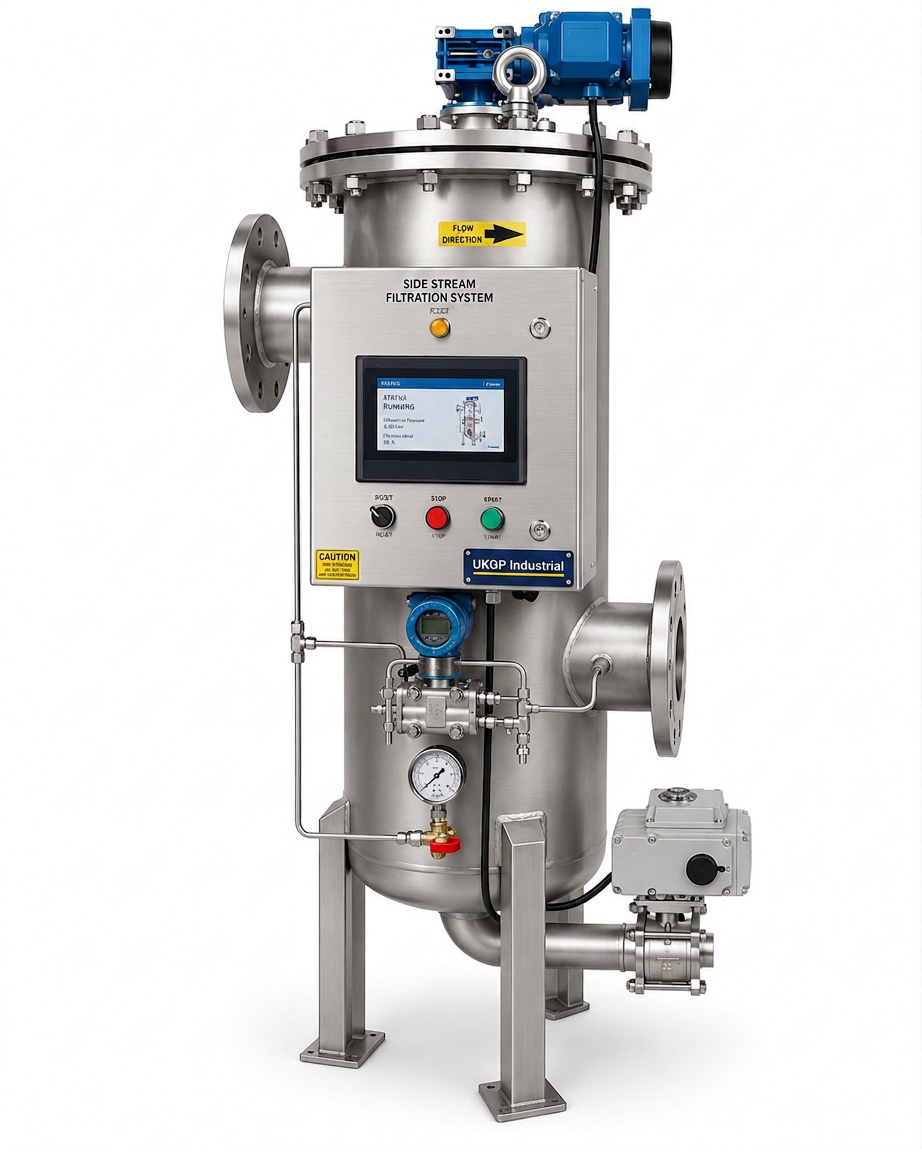
For a more cost-effective and long-term solution, UKGP Industrial recommends the installation of side stream filtration skids as part of the remediation strategy. Rather than repeated expensive flushes, a dedicated skid continues to clean the system water while the heating is in full operation. Our side stream filtration units, starting from £6,800 + VAT, are made to order with a 6-8 week lead time and provide a permanent solution for schools looking to move beyond reactive maintenance. These DN50 to DN100 skids are assembled in the UK and carry a 2-year warranty, offering a superior return on investment compared to the recurring costs and disruption of temporary power flushing equipment.
- Capital expenditure for commercial-grade flushing starts at approx. £3,000+ for mid-sized sites.
- Contingency budgets should account for 10-15% of the project total for radiator replacements.
- Chemical water analysis should be performed before and after to validate the results.
- Consider the 24/7 cleaning benefits of permanent side stream filtration skids over temporary flushes.
Compliance with BSRIA BG29 and BG50 standards
In the UK's building services sector, adherence to BSRIA guidelines is the benchmark for professional excellence. BG29 (Pre-commission cleaning of pipework systems) and BG50 (Water treatment for closed heating and cooling systems) provide the technical framework necessary to justify a power flush school heating project to local authorities and insurance providers. These documents emphasize that water quality is not a 'set and forget' metric; it requires constant vigilance. By following these standards, school engineers can demonstrate that they have taken all reasonable steps to prevent corrosion and scale, which are the leading causes of system inefficiency and component failure in public sector buildings.
The role of chemical dosing in this process cannot be overstated. After a mechanical flush is completed, the system must be correctly inhibited to prevent immediate flash rusting. This is where high-quality dosing equipment becomes essential. Without a consistent and measurable level of inhibitor, the benefits of the power flush will be lost within months. CIBSE guidelines also suggest that water quality should be regularly sampled—typically every six months for school systems—to ensure that the chemical balance remains within the target range. This proactive monitoring is the only way to avoid the 'boom and bust' cycle of system degradation and expensive emergency repairs.
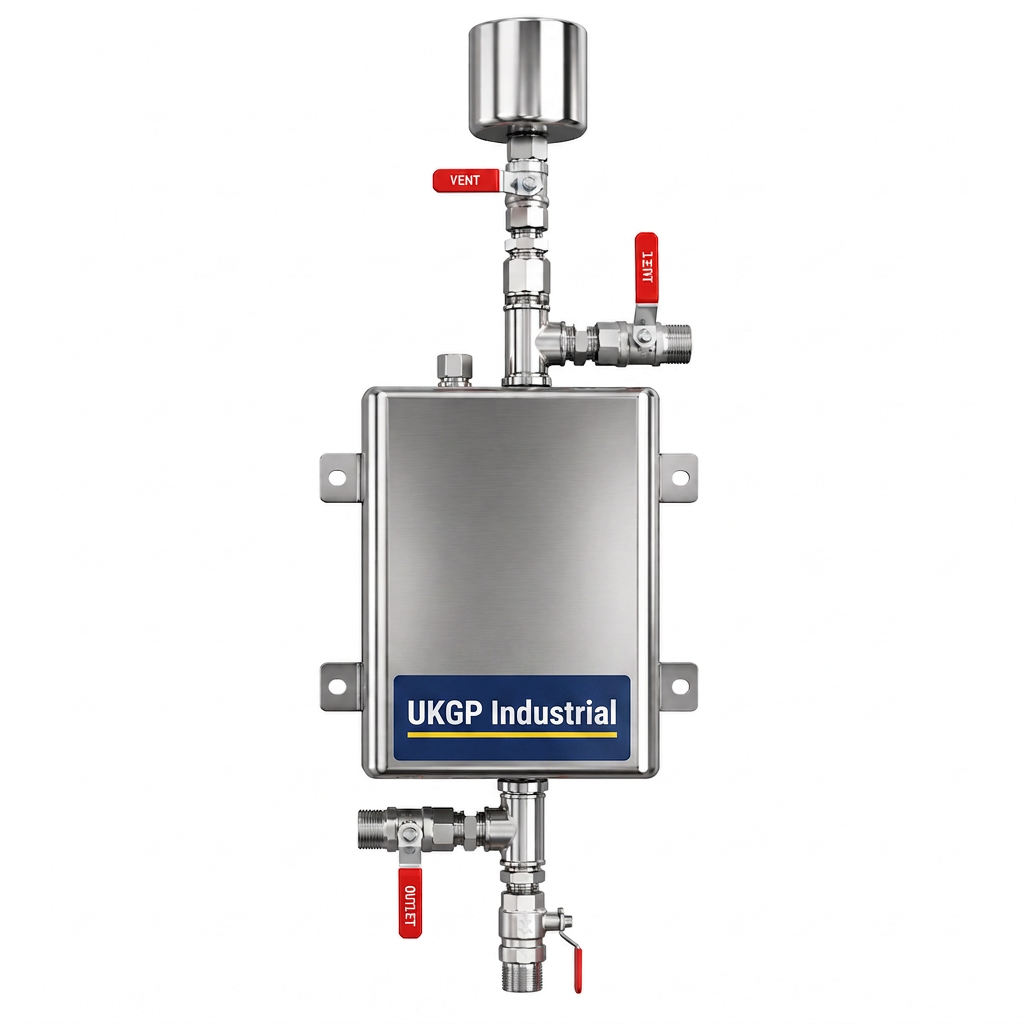
To facilitate this ongoing maintenance, UKGP Industrial provides heavy-duty chemical dosing pots that allow for the safe and easy introduction of inhibitors into the school heating loop. These pots are designed to withstand the rigours of a busy plant room and are a staple requirement for any school seeking to maintain BSRIA compliance. When used in conjunction with a comprehensive power flush, these units help maintain the integrity of the heat transfer fluid, ensuring that the school's boilers operate at their highest possible efficiency. Investing in the right infrastructure today prevents the massive disruption of a failed heating system during the coldest months of the school year.
- Mandatory compliance for state-funded and academy maintenance contracts.
- Documentation provides a legal audit trail for health and safety inspections.
- Alignment with CIBSE CP1 standards for district heating and large-scale plant.
- Supports the longevity of plate heat exchangers and modern condensing boilers.
Minimising disruption during educational term times
One of the biggest challenges for any FM is scheduling a power flush school heating project without interfering with the educational timetable. Ideally, these works are performed during the 6-week summer recess, allowing contractors full access to all areas of the building without the risk of interacting with students or staff. However, system failures rarely happen on a schedule. If an emergency flush is required during term time, it must be planned with military precision. This usually involves working out-of-hours or over weekends, which can significantly increase the labour costs due to overtime rates. Clear communication between the site manager and the contractor is essential to ensure that noise and access do not disrupt exams or teaching.
To reduce the downtime associated with a total system drain-down, modern techniques such as magnetic filtration and partial system isolation can be used. By focusing on the most heavily affected zones first, engineers can restore some level of heating to critical areas of the school while the rest of the work continues. However, the most effective way to minimize disruption is to prevent the need for a full-scale power flush in the first place. This is achieved through the continuous removal of iron oxides. Moving to a proactive model where the water is constantly polished by high-flow filtration equipment allows the school to keep the heating running while maintenance occurs behind the scenes in the plant room.
When planning these works, engineers also need to consider the air and dirt separation capabilities of the system. Often, the reason a school requires a power flush is that the original air and dirt separators were either undersized or have become blocked. Upgrading these components at the same time as the power flush is a common commercial strategy. It ensures that the newly cleaned system stays clean for longer and that air-related corrosion—which is the root cause of much of the sludge build-up—is effectively eliminated. This holistic approach to plant-room health is what separates a standard repair from a professional UKGP-standard engineering upgrade that will last for decades.
- Out-of-hours working is often required for term-time heating maintenance.
- Zone-by-zone flushing allows for phased restoration of heat in large schools.
- Effective temporary heating solutions may be needed if work exceeds 48 hours.
- Clear signage and cordoned-off work areas are mandatory for school site safety.
Long-term protection of the boiler plant-room
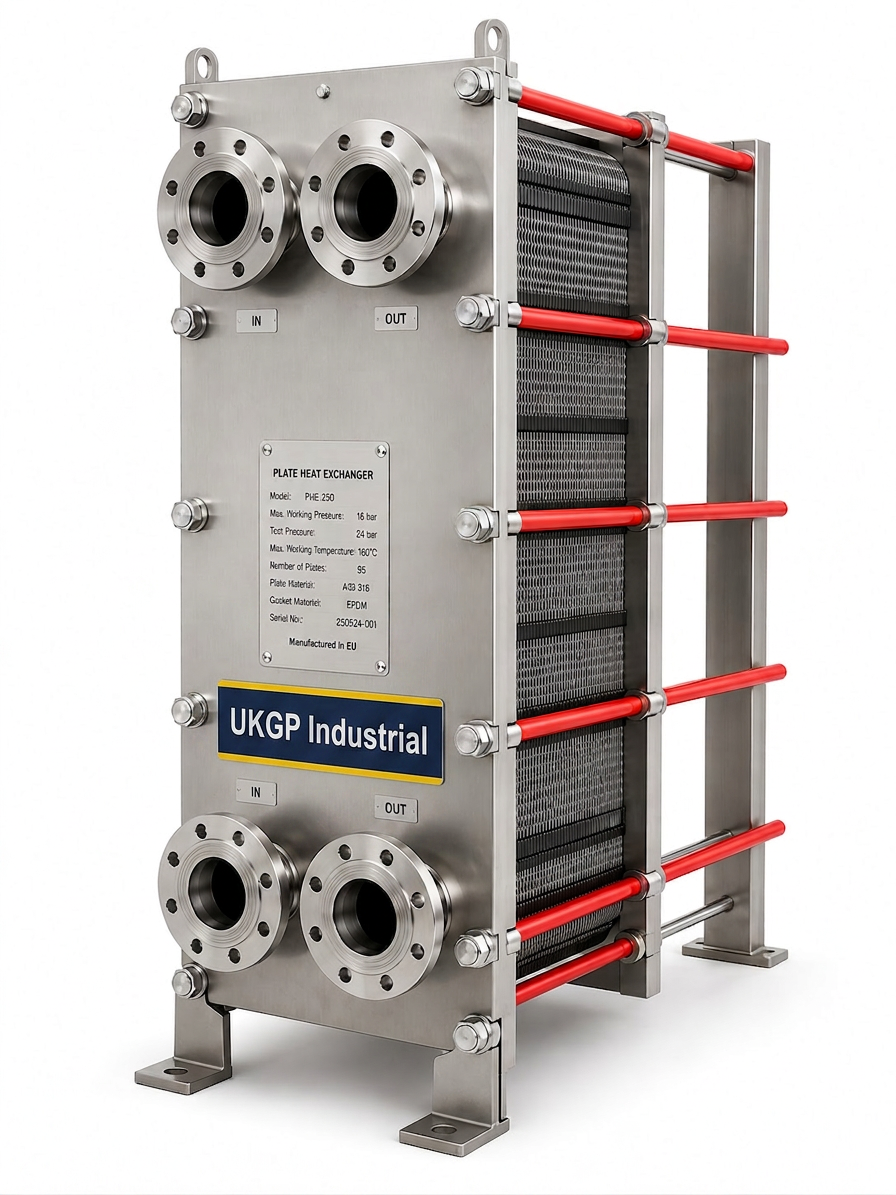
Once the power flush school heating process is complete, the focus must shift to preventing a recurrence of the problem. Modern low-water-content boilers are extremely sensitive to debris, and even a small amount of residual magnetite can cause local overheating and cracked heat exchangers. To protect these expensive assets, the installation of a plate heat exchanger (PHE) to hydraulically separate the primary boiler loop from the secondary building loop is often recommended. This ensures that any dirt remaining in the old radiator circuits cannot reach the new boilers, effectively 'quarantining' the most sensitive equipment and significantly extending its operational lifespan.
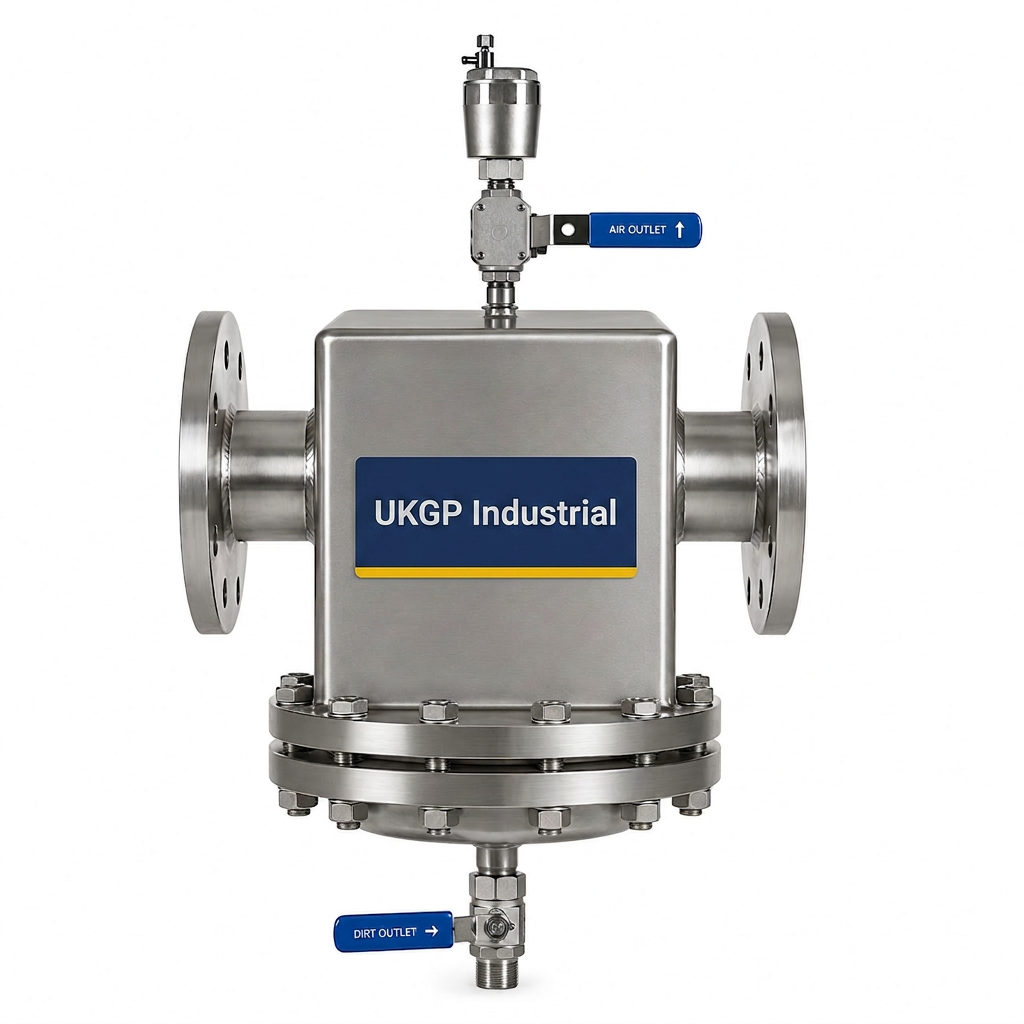
In addition to hydraulic separation, the integration of high-performance air and dirt separators is non-negotiable for school systems. These units work by slowing down the water flow to allow micro-bubbles to rise and dirt particles to settle, where they can be easily blown down during routine maintenance. By removing these contaminants before they can settle in the emitters or the boiler, the school can maintain its BSRIA BG50 compliance with significantly less effort. This systematic approach to plant-room design is what UKGP Industrial specialises in, providing the hardware necessary to keep UK schools warm and operational throughout even the harshest winters.
Finally, the implementation of a regular water testing regime, as per BS 8552, is the only way to prove the effectiveness of the power flush and the ongoing chemical treatment. This data is invaluable for FMs when reporting to governors or local authorities, as it provides objective proof that the school's assets are being managed correctly. Whether you are looking for a made-to-order side stream filtration skid to clear up a fouled system or need a quote for specialized dosing equipment, choosing UK-manufactured components with a strong warranty ensures that your school's heating system is in safe hands for the long term.
- Hydraulic separation using plate heat exchangers protects new boiler warranties.
- Continuous de-aeration reduces oxygen-induced corrosion in radiators.
- Regular blow-down of dirt separators is a simple but vital FM task.
- Annual water analysis provides a 'health check' for the entire school estate.
Investment and ROI for school facilities management
The Return on Investment (ROI) for a professional power flush school heating project is typically realized within two to three heating seasons. By improving the heat transfer efficiency of the radiators and reducing the load on the circulating pumps, schools can expect a reduction in energy bills of between 10% and 15%. In an era of rising energy costs, these savings are substantial and can be reinvested into other areas of the curriculum. Furthermore, the reduction in emergency call-out fees and the extension of the plant's life mean that the total cost of ownership for the heating system is lowered significantly compared to a purely reactive maintenance model.
UKGP Industrial understands the budget cycles of educational institutions. Our products, such as our side stream filtration skids priced from £6,800 + VAT, are designed for longevity and ease of maintenance, fitting perfectly into long-term lifecycle planning. These units are specifically engineered to cope with the high flow rates found in school heating systems, ranging from DN50 to DN100. With a focus on UK-based manufacturing, we offer a 6-8 week lead time, allowing projects to be specified throughout the spring and installed during the summer holidays, ready for the autumn term with a full 2-year warranty for peace of mind.
For procurement leads, it is important to look beyond the initial quote and consider the 'value engineering' possibilities. Does the contractor offer a post-flush report? Is there a guarantee on the water quality levels as per BSRIA standards? By choosing high-quality UKGP components and professional flushing services, a school can move from a position of constant heating anxiety to one of confidence. We invite consultants and M&E contractors to reach out for bespoke quotes on filtration and dosing equipment that will ensure their school heating projects are a technical and commercial success for years to come.
- Lower fuel bills through improved radiator and heat exchanger efficiency.
- Fewer emergency repairs during the critical winter heating period.
- Extended life of expensive pumps, valves, and boiler components.
- Enhanced comfort levels for students and staff, promoting a better learning environment.
Frequently asked questions
How long does a power flush for a school heating system take?
- Depending on the size of the school, it can take anywhere from 3 days for a small primary school to 2 weeks for a larger secondary campus. Most works are scheduled for school holidays to avoid disruption.
What is the cost of a side stream filtration skid for a school?
- UKGP Industrial side stream filtration skids typically start from £6,800 + VAT. These are commercial-grade units designed for DN50 to DN100 pipework, made to order in the UK.
Is power flushing compliant with BSRIA BG50?
- Yes, BSRIA BG50 recommends the removal of solids and the maintenance of water quality. A power flush is a recognised method for restoring a system that has fallen below the required standards.
Can side stream filtration replace a power flush?
- In some cases of moderate fouling, side stream filtration can gradually clean the system without a full shutdown. However, for heavily blocked systems, a power flush is used initially, followed by filtration for long-term protection.
What warranty comes with UKGP equipment?
- Our side stream filtration skids and other major plant-room components come with a 2-year warranty and are manufactured to order in the UK with a 6-8 week lead time.