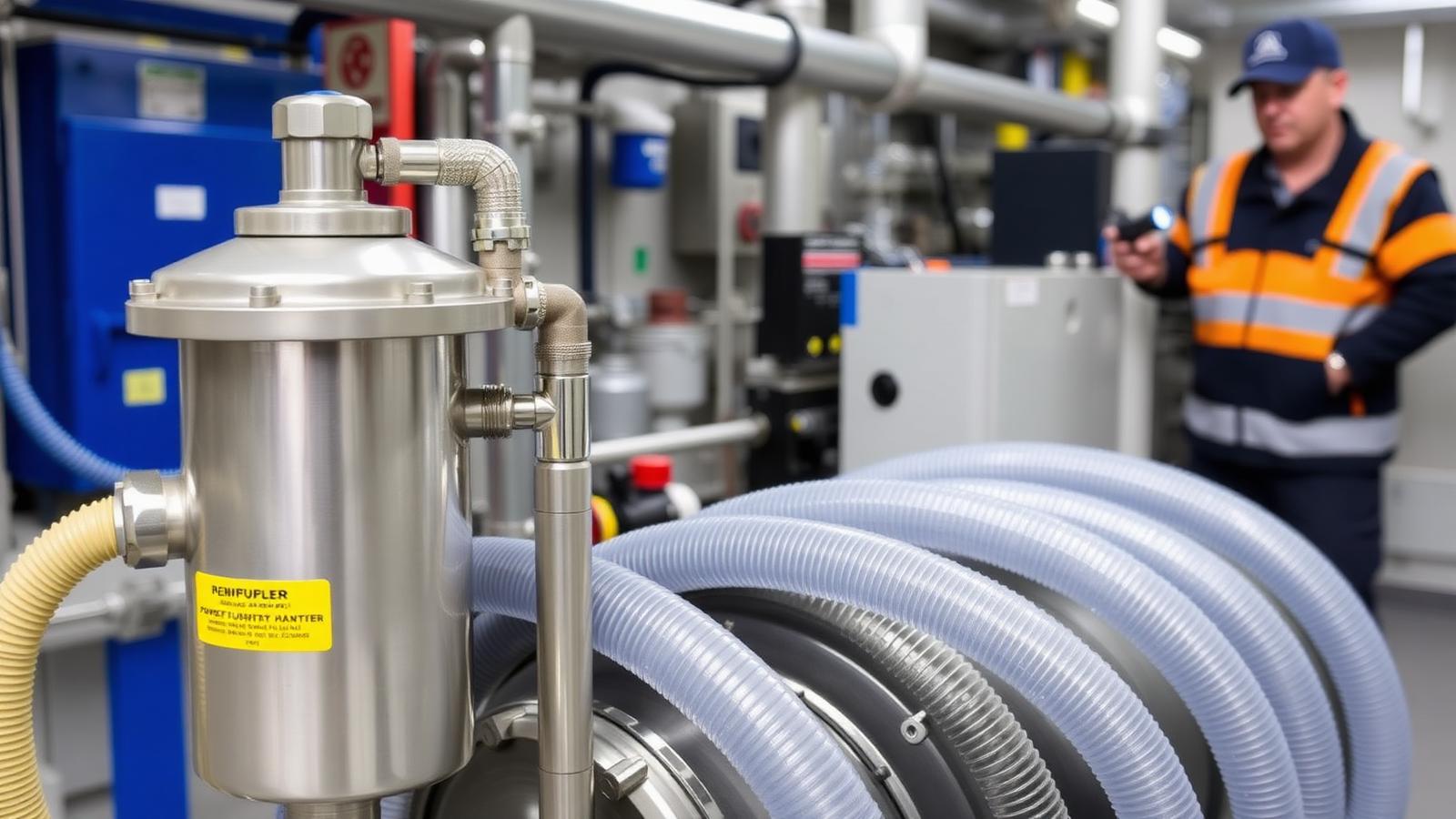
The Technical Need to Power Flush Radiator Circuits Commercial Systems
In large-scale commercial HVAC installations, the accumulation of magnetite, calcium carbonate scale, and microbiological film can significantly impede thermal transfer and increase operational costs. When facility managers decide to power flush radiator circuits in commercial environments, they are often reacting to cold spots, noisy pumps, or frequent terminal unit failures. This process involves high-velocity, low-pressure water flow combined with specific chemical cleaning agents to dislodge stubborn debris. However, a one-off flush is rarely a permanent solution. Without addressing the underlying cause of the sludge—often oxygen ingress or poor initial commissioning—the system will rapidly return to a degraded state, necessitating further expensive interventions and potentially voiding manufacturer warranties on boiler plant or heat exchangers.
The complexity of commercial pipework, featuring long horizontal runs and numerous vertical climbs, means that standard domestic flushing equipment is often insufficient. To effectively power flush radiator circuits in commercial settings, engineers must employ heavy-duty pumps capable of maintaining the necessary Reynolds number to ensure turbulent flow. This turbulence is critical for lifting heavy particulate matter from the bottom of radiators and stagnant pipe segments. Furthermore, the use of magnetic filtration during the flushing process helps to capture magnetite before it can settle elsewhere. For Surrey-based consultants and M&E contractors, ensuring that this process is documented and aligns with the system's original design intent is basic professional practice for maintaining asset value and operational stability.
Crucially, the decision to flush should be data-driven. Before undertaking a massive remedial project, water samples should be analyzed in accordance with BS 8552 to identify the specific nature of the contaminants. High levels of suspended solids or dissolved iron indicate that the system's internal corrosion inhibitors have failed or were never correctly applied. By identifying the root cause, you can tailor the chemical cleaning regime to be more effective, ensuring that the power flush achieves maximum debris removal without causing unnecessary stress to aged gaskets or delicate components. Following the flush, the introduction of high-quality side stream filtration is the industry-recognised method for preventing the re-accumulation of the very sludge you have just worked so hard to remove.
- Elimination of cold spots in large-format commercial radiators
- Reduction in pump wear and tear by removing abrasive magnetite
- Improved heat transfer efficiency leading to lower carbon emissions
- Compliance with CIBSE CP1 and BSRIA BG29/50 guidelines
- Extension of the service life for primary boiler plant and valves
BSRIA BG29 and BG50 Compliance Strategy
BSRIA BG29/2021 and BG50/2021 provide the gold standard for water treatment in UK commercial buildings. When you power flush radiator circuits in commercial properties, you are often performing a remedial action described under BG50 for older systems or BG29 for pre-commissioning cleaning of new builds. These documents emphasize that cleaning is not a standalone event but part of a holistic water management strategy. For instance, BG50 highlights the importance of keeping dissolved oxygen levels low to prevent the oxidation of ferrous metals. Even the most thorough power flush will be rendered moot if the system continues to pull in air through faulty expansion vessels or leaking seals, which provides the fuel for ongoing corrosion and sludge formation.
Navigating these regulations requires a meticulous approach to documentation and chemical balance. After you power flush radiator circuits in commercial networks, the system must be immediately treated with a balanced inhibitor and passivated to protect the freshly cleaned metal surfaces. Failure to do so can lead to 'flash rusting,' where the internal surfaces of radiators and pipework corrode even faster than before the cleaning took place. This is where many DIY or cut-price flushing services fail, leading to recurring blockages within months. Expert UK contractors understand that the flushing fluid must be neutralised and disposed of according to local water authority bylaws, ensuring that hazardous chemicals do not enter the wastewater stream improperly.
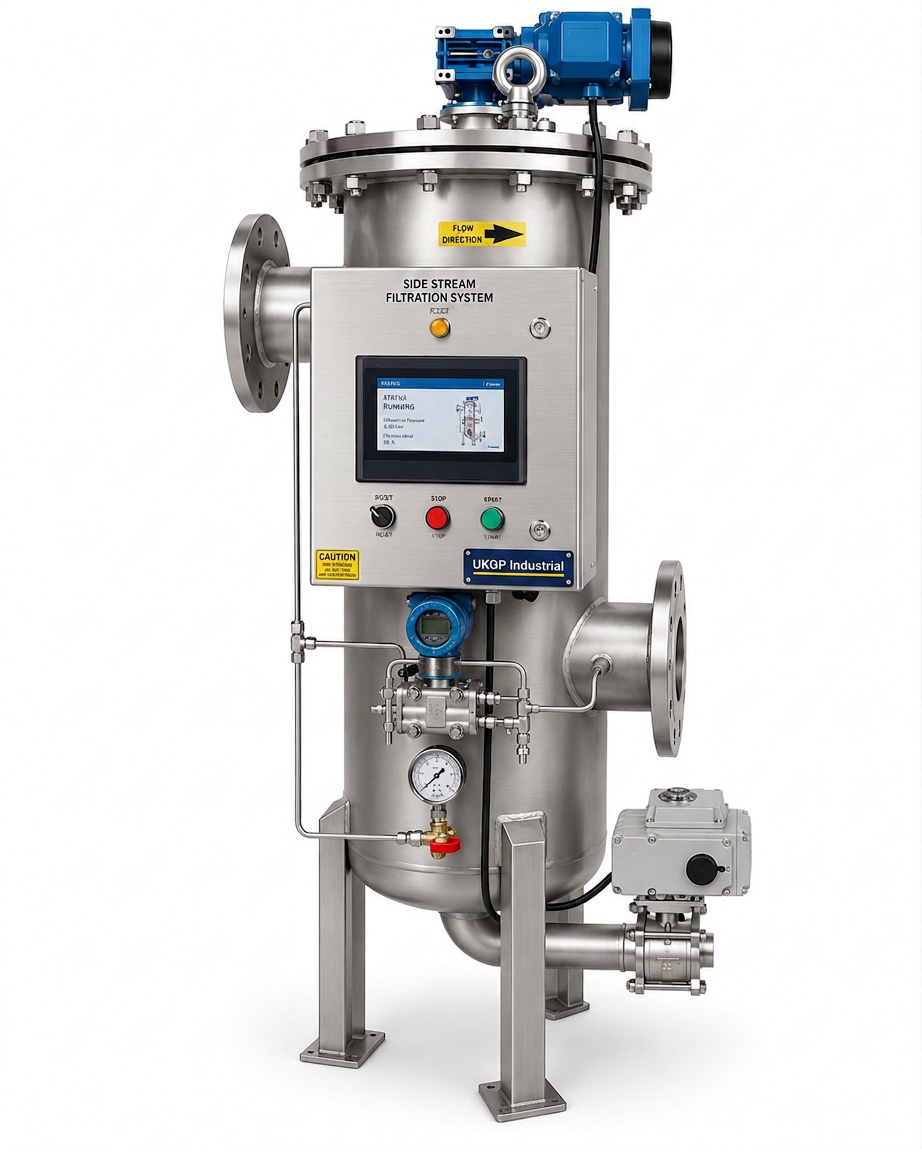
Integrating UKGP's engineering solutions into your BSRIA compliance plan provides long-term peace of mind. While a remedial power flush deals with the existing buildup, maintaining the required water quality parameters (such as conductivity, pH, and iron levels) requires consistent filtration. For systems ranging from DN50 to DN100, we recommend installing a permanent side stream filtration unit. Our units start from £6,800 + VAT and are made to order with a 6-8 week lead time. These skids ensure that any microscopic debris remaining after a flush is continuously removed, allowing your system to meet BG50 standards throughout its entire lifecycle, backed by a robust 2-year warranty for UK-wide installations.
- Adherence to BSRIA BG29 for pre-commissioning cleanliness
- Maintenance of BG50 standards for ongoing system health
- Precise chemical dosing following any remedial flushing works
- Continuous monitoring of system iron and suspended solids levels
- Legal disposal of flushing chemicals in line with environmental regs
Implementing Side Stream Filtration Post-Flush
The logic of performing an expensive remedial flush without installing permanent protection is flawed in a commercial context. Once you power flush radiator circuits in commercial facilities, the water is at its cleanest, but the system remains vulnerable. Side stream filtration acts as the 'kidneys' of the HVAC system, constantly filtering a percentage of the total flow (typically 5-15%) to remove particulate down to 5 microns. This proactive approach is significantly more cost-effective than repeating a full system flush every five years. UKGP Industrial specializes in side stream filtration skids that are specifically designed for the UK's demanding commercial plant rooms, ensuring that your investment in a power flush is protected for the long haul.
Our side stream filtration units are engineered to handle the flow rates of DN50 to DN100 pipework, making them ideal for office blocks, hospitals, and educational institutions. Priced from £6,800 + VAT, these skids are a capital investment that pays for itself through reduced maintenance call-outs and lower fuel consumption. Because they are made to order, we can tailor the specifications to meet the specific pressure and temperature requirements of your plant room. With a 6-8 week lead time, they can be scheduled for installation immediately following your planned maintenance shutdown, ensuring that the new radiators and heat exchangers remain in pristine condition from day one of operation.
Choosing a side stream filtration skid from UKGP also provides the benefit of a 2-year warranty, reflecting our confidence in British manufacturing and engineering quality. These units include high-intensity magnetic separators and fine-mesh filters that far exceed the performance of standard Y-strainers. When you present this as part of a total cost of ownership (TCO) analysis to a procurement lead or building owner, the argument for side stream filtration becomes undeniable. It moves the maintenance strategy from reactive 'break-fix' flushing to a proactive, reliable, and BSRIA-aligned management model that keeps the building's occupants warm and the energy bills manageable.
- Continuous removal of magnetite and non-magnetic debris
- Made-to-order skids for DN50 to DN100 commercial pipework
- Significant reduction in manual intervention and system downtime
- 2-year warranty on all UKGP filtration skids for UK clients
- Prices starting from £6,800 + VAT for professional-grade hardware
Maintaining Modern Heat Exchangers and Boilers
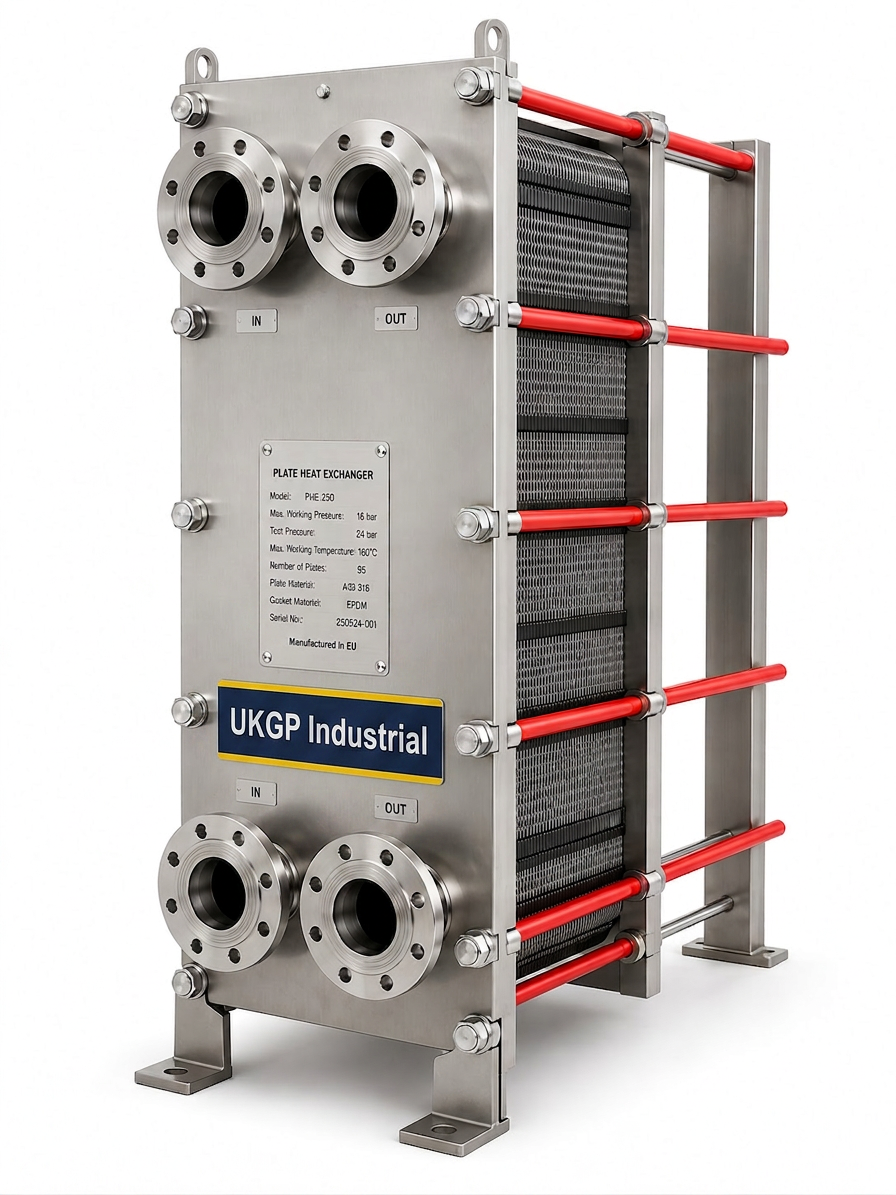
Modern condensing boilers and plate heat exchangers (PHEs) have very narrow waterways compared to the cast-iron sectional boilers of the past. This makes them extremely susceptible to blockage from the sludge liberated during a power flush. If you power flush radiator circuits in commercial buildings and the debris isn't captured effectively, it will inevitably migrate to the heat exchanger. Once a PHE is fouled, its efficiency drops sharply, and the cost of chemical descaling or manual plate cleaning can be substantial. In some cases, the blockage can lead to thermal stress and cracking of the heat exchanger plates, resulting in an expensive and unplanned replacement that could have been avoided with better water management.
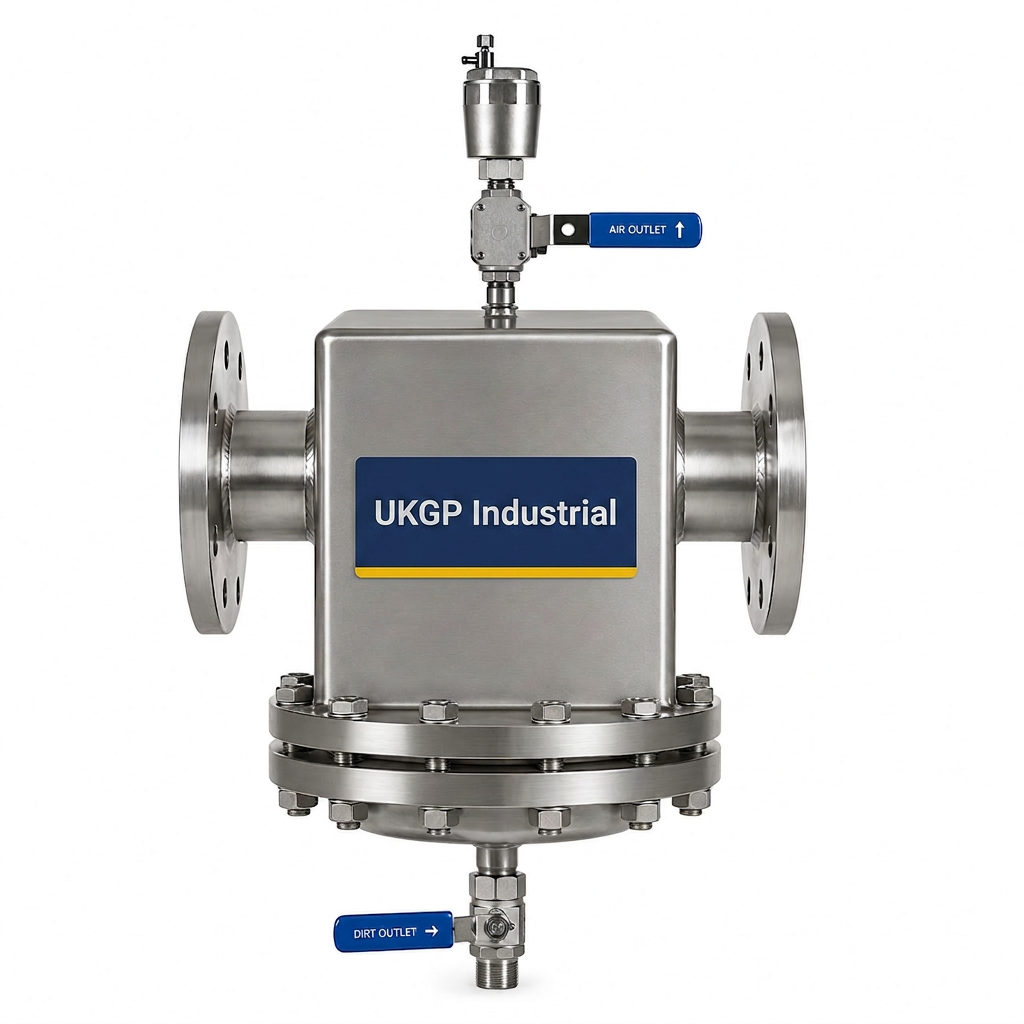
To mitigate this, many engineers install a plate heat exchanger to hydraulically separate the primary boiler circuit from the secondary radiator circuits. This 'separation' ensures that debris from older radiator pipework cannot enter the new, high-efficiency boiler plant. However, the secondary circuit—the radiators themselves—still needs protection. By combining a power flush with a dedicated air and dirt separator, you provide a multi-layered defense. UKGP supplies high-performance plate heat exchangers and separators designed to work in tandem with our filtration units, ensuring that every component in the plant room is insulated from the damaging effects of poor water quality and abrasive particulates.
Consultants should specify these components as a package to ensure compatibility. For example, ensuring that the air and dirt separator is sized correctly for the flow velocity of the secondary circuit is vital for the effective removal of microbubbles, which are often the primary cause of the corrosion that necessitates a flush in the first place. By addressing entrained air and suspended solids simultaneously, you create a stable chemical environment that adheres to the strict guidelines set out in CIBSE Knowledge Series and BSRIA guides. This professional approach ensures that when you power flush radiator circuits in commercial buildings, you are not just treating a symptom but curing the underlying systemic illness.
- Protection for narrow waterways in modern condensing boilers
- Hydraulic separation using high-efficiency plate heat exchangers
- Integration of air and dirt separators to prevent further corrosion
- Improved heat transfer coefficients across the entire system
- Reduced risk of thermal shock and plate fouling in HVAC plant
Cost-Benefit Analysis for Facilities Managers
For a Facilities Manager, the cost of a remedial power flush can be daunting, but the cost of inaction is far higher. An inefficient commercial heating system can consume up to 15-20% more energy as pumps work harder to move water through restricted pipes and boilers fire longer to compensate for poor radiator output. When you power flush radiator circuits in commercial buildings, you are directly impacting the bottom line. By restoring the system to its design efficiency, the payback period for the flushing service and the installation of a side stream filtration skid (from £6,800 + VAT) is typically less than 24 months. This is a compelling case for any procurement lead focused on operational expenditure (OPEX) reduction.
Beyond energy savings, there is the matter of emergency repair costs. Magnetite is an abrasive; it erodes pump impellers, fouls three-way valves, and causes pinhole leaks in radiators. A single emergency call-out and pump replacement in a large commercial building can easily cost several thousand pounds, not including the disruption to building occupants. By investing in a scheduled power flush and permanent filtration, you shift the budget from unpredictable emergency repairs to planned, predictable maintenance. UKGP’s made-to-order solutions, with a reliable 6-8 week lead time, allow for this planning to happen well in advance of the heating season, ensuring the building is ready for peak demand.
Furthermore, environmental social and governance (ESG) targets are increasingly important for UK businesses. Reducing the carbon footprint of a building is a core requirement for modern FMs. A clean heating system is a green heating system. By removing the sludge and maintaining water quality through BSRIA BG50 compliance, you ensure the heating plant operates as cleanly as possible. This commitment to system health also reduces the volume of replacement parts and chemical waste generated over the building's life, contributing to a more sustainable facility management model. Requesting a quote for a UKGP side stream filtration unit is the first step toward this more professional and sustainable approach to commercial heating.
- Typical energy savings of 15% or more post-flushing
- Reduced frequency of emergency 24/7 maintenance call-outs
- Extended life for expensive components such as circulating pumps
- Support for corporate ESG and carbon reduction targets
- Clear ROI path for filtration equipment starting at £6,800 + VAT
Final Commissioning and Water Quality Monitoring
The final stage after you power flush radiator circuits in commercial systems is rigorous testing. It is not enough to simply see 'clear water'; you must prove the water quality with laboratory analysis. This involves testing for a range of parameters including iron, copper, aluminum, chloride, and sulphate, as well as checking the levels of active corrosion inhibitor. BS 8552 provides the framework for this sampling, ensuring that it is representative of the system's overall health. If the results are not within the recommended parameters, further dosing or filtration is required until the system stabilizes. This evidence-based approach is what distinguishes a professional M&E contractor from a basic plumbing service.
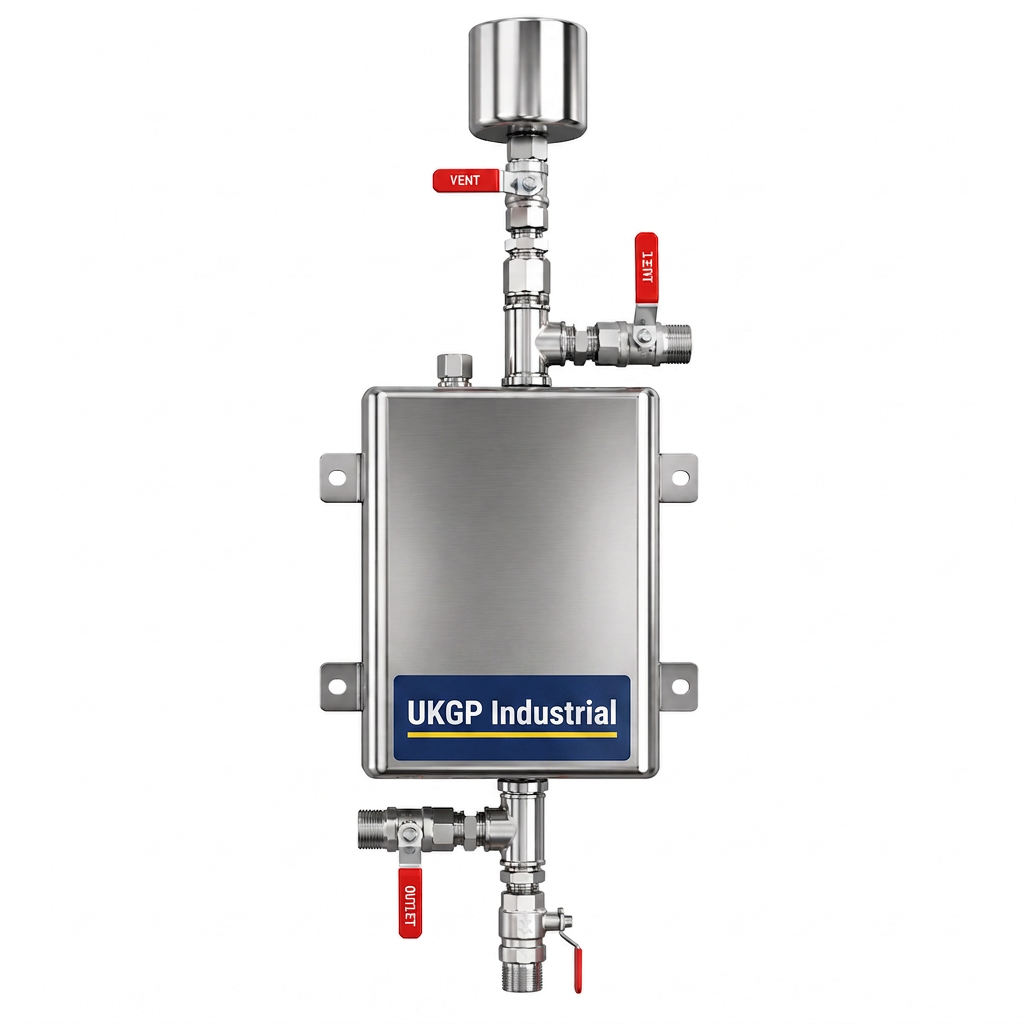
In addition to chemical levels, physical monitoring is vital. UKGP filtration skids can be fitted with pressure gauges to monitor the pressure drop across the filter media. A rising pressure drop indicates that the filter is successfully capturing debris, providing the maintenance team with a clear visual indicator of when servicing is required. This data-driven maintenance ensures that the filtration is always working at peak efficiency. For large-scale projects, we provide bespoke advice on how to integrate our filtration skids and dosing pots into your existing Building Management System (BMS), allowing for remote monitoring of water quality parameters and system health indicators.
Ultimately, the goal is to create a closed-loop system that is clean, stable, and efficient. By following the steps to power flush radiator circuits in commercial buildings correctly—remedial cleaning, high-quality component installation, and continuous filtration—you ensure the longevity of the heating infrastructure. UKGP Industrial is proud to support UK engineers with the hardware required to achieve these results. Our side stream filtration units (DN50-DN100, made to order, 2-year warranty) are the cornerstone of this strategy. Contact our Surrey office today to discuss your site requirements and receive a competitive quote based on our industry-leading manufacturing standards and technical expertise.
- Laboratory analysis post-flush to confirm water quality
- BMS integration for remote monitoring of filtration status
- Visual pressure monitoring for timely filter media changes
- Compliance with BS 8552 for representative water sampling
- Documented handover to the FM team for ongoing management
Frequently asked questions
How long does it take to power flush a commercial radiator circuit?
- The duration depends on the system volume and contamination level, but typically takes 2 to 5 days for a large commercial building. This includes the setup, chemical circulation, flushing of individual zones, and final commissioning with inhibitors.
What is the cost of a side stream filtration skid for a commercial system?
- UKGP side stream filtration skids for DN50 to DN100 pipework start from £6,800 + VAT. These are made-to-order units with a 6-8 week lead time and include a 2-year warranty.
Why is side stream filtration better than a one-off power flush?
- A power flush is a remedial 'snapshot' clean. Side stream filtration provides continuous cleaning ('kidney dialysis') for the life of the system, removing new magnetite as it forms and ensuring ongoing BSRIA BG50 compliance.
Does power flushing damage old commercial radiators?
- While the process uses high velocity, it uses low pressure (typically under 2 bar). However, in very old systems where sludge is the only thing sealing a corroded hole, leaks can occur. Pre-flush surveys and water analysis are essential to mitigate this risk.
Can I install side stream filtration without a power flush?
- Yes, if water analysis shows low levels of suspended solids, but for heavily fouled systems, we recommend a remedial power flush first to remove the bulk of the debris, followed by the installation of a UKGP skid for permanent protection.