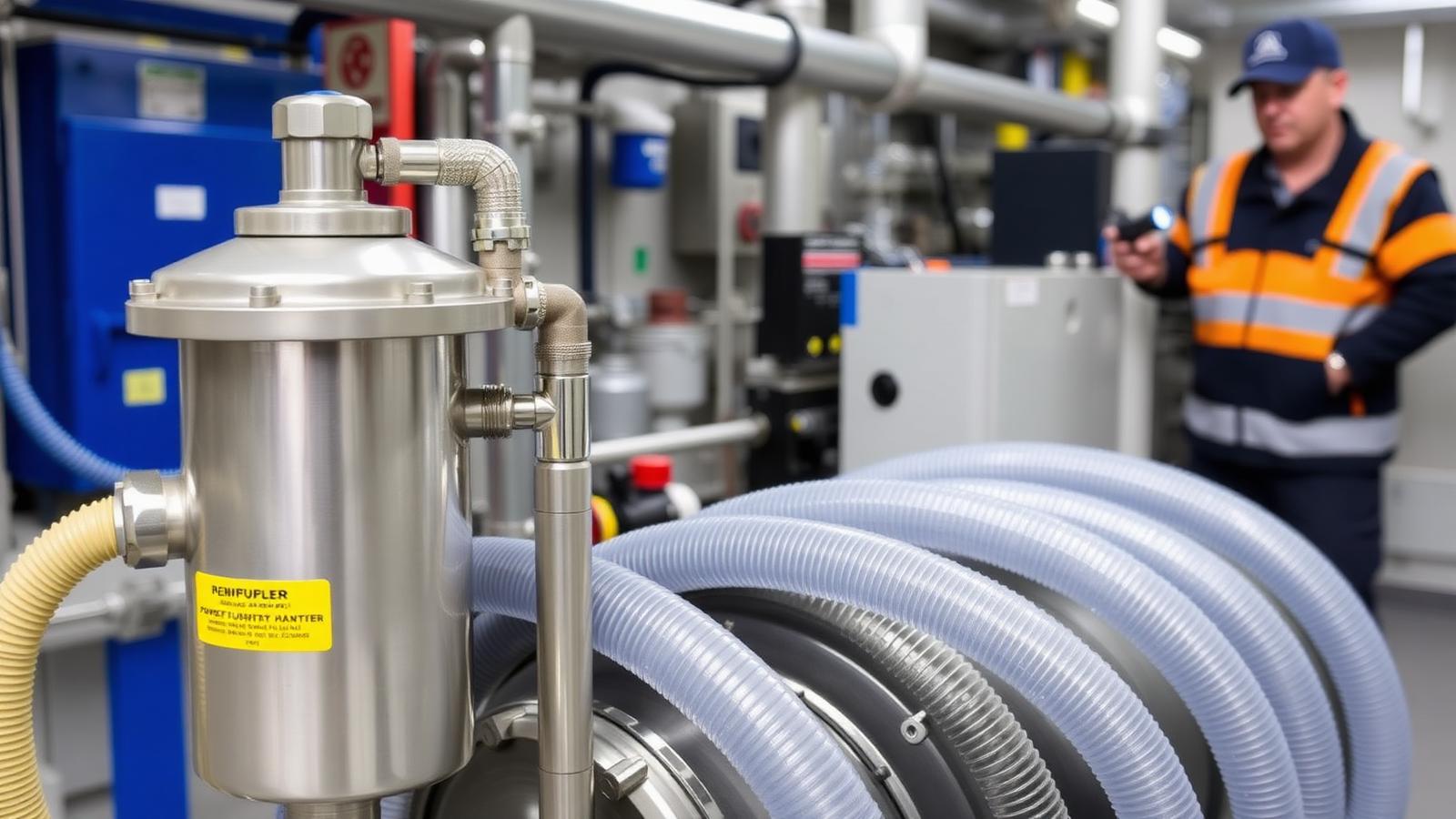
Why Office Buildings Require Periodic Power Flushing
In a commercial office environment, the heating system is the backbone of occupant comfort and operational continuity. Over time, closed-loop hydronic systems suffer from the inevitable buildup of black iron oxide, commonly known as magnetite. If you are seeking a power flush office heating quote, it is typically because the building is experiencing cold spots in radiators, noisy pipework, or pump failures. For UK facility managers, the objective is to restore the system to its design parameters as defined by CIBSE guidelines. Ignoring these symptoms leads to exponential increases in energy consumption, as the sludge acts as an insulator, forcing the central plant to work significantly harder to achieve the same ambient internal temperatures across multiple floors.
The technical necessity of a power flush office heating routine is underscored by the risk of internal corrosion. When bypass valves or terminal units become blocked with debris, the entire hydraulic balance of the building is disrupted. This is not merely a domestic-scale issue; in an office block, the pipework can span kilometres, meaning the volume of suspended solids is substantial. Professional contractors using industrial-grade pumps must ensure that the flow rate is sufficient to dislodge stubborn deposits that standard circulators simply cannot move. This proactive maintenance ensures that the heat transfer efficiency of the building remain high, directly impacting the bottom line and reducing the carbon footprint of the facility's operations.
Furthermore, insurance providers and boiler manufacturers often mandate documented system cleaning to maintain warranty validity. If a high-efficiency boiler or a modern plate heat exchanger fails due to sludge ingress, the cost of repair far outweighs the initial investment in a power flush office heating service. By adhering to a strict flushing regime, building owners can extend the life of their assets by decades. It is also important to consider the impact on the building's EPC rating, as a clean system operates at peak thermodynamic efficiency, ensuring that the HVAC infrastructure is not a liability during property valuations or energy audits in line with current UK legislation.
- Elimination of cold spots in office radiators and fan coil units
- Reduction in boiler noise and mechanical wear on circulating pumps
- Compliance with manufacturer warranty conditions and insurance requirements
- Significant improvement in system-wide thermodynamic efficiency
Adhering to BSRIA BG29 and BG50 Standards
In the UK, the benchmark for water quality in closed-loop systems is set by BSRIA. Specifically, BG29 (Pre-commission Cleaning) and BG50 (Water Treatment for Closed Heating and Cooling Systems) provide the regulatory framework for any power flush office heating project. BG50 highlights that flushing alone is often insufficient for long-term protection; it must be part of a wider water management strategy. When contractors quote for a commercial flush, they must account for the chemical cleaning agents required to break down magnetite without damaging the diverse metallurgy found in modern office plant rooms, such as aluminium heat exchangers or copper pipework. Failure to follow these standards can lead to accelerated pitting corrosion shortly after the flush is completed.
Consultants and M&E contractors must ensure that the water chemistry is stabilised post-flush. The power flush office heating process effectively resets the system, but without the correct application of inhibitors and biocides, the microbial activity and oxygen ingress will immediately begin the degradation process again. BSRIA guidelines suggest that system water should be tested regularly, ideally every quarter, to monitor conductivity, pH levels, and suspended solids. This data-driven approach allows facilities managers to move away from reactive repairs toward a predictive maintenance model. UKGP advocates for this holistic view, where the flushing event is seen as the first step in a long-term water quality assurance programme that protects high-value thermal assets.
Implementing the recommendations within BS 8552 is also vital when planning a power flush office heating intervention. This British Standard covers the sampling of water in buildings, ensuring that the results obtained are representative of the entire system. Before a flush begins, a site-wide survey should identify 'dead legs' and low-flow areas where debris is most likely to accumulate. By documenting the water quality before and after the flushing procedure, contractors provide a 'certificate of cleanliness' that is essential for building handovers and ESG reporting. This level of technical rigour distinguishes a standard domestic flush from a professional commercial intervention suitable for high-density office environments.
- Strict adherence to BSRIA BG50 for ongoing water chemistry management
- Pre-commission cleaning protocols following BSRIA BG29 for new builds
- Regular BS 8552 compliant water sampling to monitor suspended solids
- Comprehensive reporting to document system health for stakeholders
Integrating Side Stream Filtration for Continuous Protection
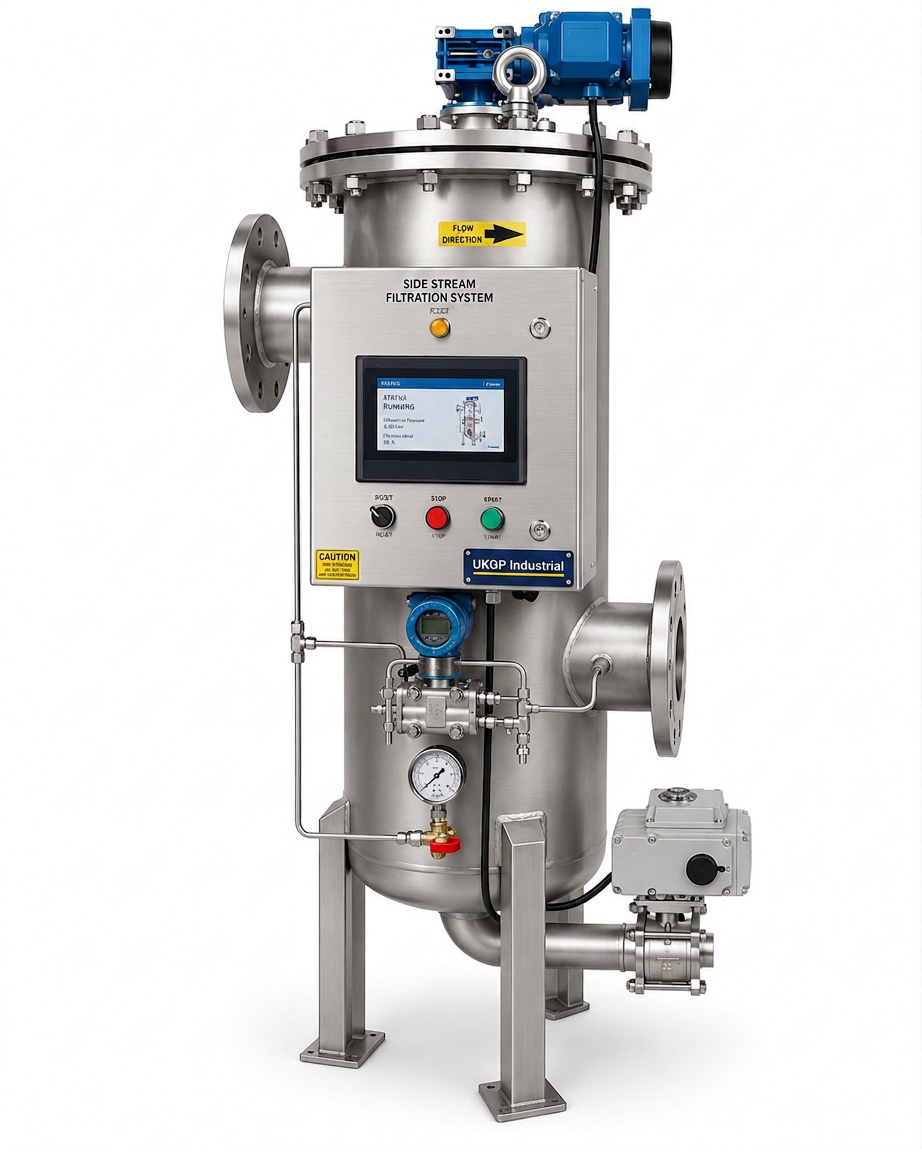
While a one-off power flush office heating service provides an immediate cleanup, the most effective way to prevent debris re-accumulation is through the installation of a side stream filtration skid. In a large office system, suspended solids are constantly generated through minor corrosion and oxygen ingress at joints and seals. A side stream filter works by diverted a portion of the system flow (typically 5-15%) through a high-efficiency magnetic and mechanical filter. This ensures that the water remains polished to BSRIA standards 24/7. At UKGP, we manufacture bespoke side stream filtration skids in Surrey, specifically designed for the rigours of commercial plant rooms, featuring robust construction and easy-access filter housings for rapid maintenance.
Investing in a UKGP side stream filtration skid is a commercially savvy decision. Prices for our units start from £6,800 + VAT for a DN50 unit, with sizes ranging up to DN100 to suit the largest office complexes. These units are made to order with a typical lead time of 6 to 8 weeks and come backed by a comprehensive 2-year warranty for peace of mind. By integrating our filtration technology alongside a power flush office heating strategy, you significantly reduce the frequency of full-system flushes, which can be disruptive and costly in a working office. Our skids are designed to be retrofitted easily into existing plant rooms, providing a compact footprint without sacrificing filtration performance or hydraulic integrity.
The procurement of these skids should be a priority for any FM lead managing a site with historical water quality issues. Rather than relying on chemical dosing alone, mechanical filtration provides a physical barrier that removes contaminants that chemicals simply cannot neutralise. When you specify a UKGP side stream filter, you are choosing a British-manufactured solution that understands the specific pressures of the UK commercial market. From the initial quote to the final commissioning, our team provides technical support to ensure the skid is perfectly sized for your system's flow rate and pressure drops. This proactive approach ensures your office heating system remains sludge-free for its entire operational lifespan.
- Continuous 24/7 polishing of system water to remove sub-micron particles
- UKGP skids from £6,800+VAT, made to order in 6-8 weeks
- Heavy-duty construction available in DN50 to DN100 sizes
- Significant reduction in long-term maintenance costs and plant downtime
Calculating the Cost of a Commercial Power Flush
When requesting a power flush office heating quote, it is crucial to understand the variables that influence pricing. Unlike residential properties, commercial offices are priced based on the number of zones, the total system volume, and the complexity of the pipework. A standard three-storey office block may require several days of work and the use of high-volume pumping equipment that exceeds standard 110V site tools. Contractors will also factor in the cost of specialist chemicals and the disposal of heavily contaminated water, which must be handled in accordance with local environmental regulations. Expect quotes to vary based on whether the work is performed out-of-hours to avoid disrupting office tenants, which is a common requirement in the Surrey and London markets.
The price of a power flush office heating project should also include the cost of a post-flush water analysis. You are not just paying for the labor of moving water through pipes; you are paying for the technical verification that the system is clean. A comprehensive quote will detail the steps for isolating sensitive equipment, such as chillers or plate heat exchangers, which may require separate cleaning or bypassing to prevent damage. Be wary of quotes that seem unusually low, as they likely skip the crucial step of individual radiator and fan coil flushing, which is the only way to ensure 100% debris removal. Professional M&E contractors will always provide a detailed method statement and risk assessment (RAMS) before commencing work.
In the UK, the starting price for a professional commercial flush of a medium-sized office can range from a few thousand pounds to tens of thousands for massive campus-style systems. However, this should be viewed alongside the potential energy savings. Research suggests that a heavily fouled system can be up to 15% less efficient. For an office building with a yearly heating bill of £100,000, a power flush office heating intervention could pay for itself within a single heating season. When combined with the installation of a UKGP side stream filtration skid, the 'payback' period is even more attractive, as the system will maintain that peak efficiency for years to come, avoiding the 'sawtooth' efficiency curve typical of poorly maintained buildings.
- Pricing tailored to system volume, zone count, and pipework complexity
- Inclusion of specialist chemical cleaners and environmental disposal fees
- Post-flush laboratory water analysis to confirm BSRIA compliance
- Rapid ROI through lower energy bills and reduced component failure
Protecting Critical Assets: Heat Exchangers and Pumps
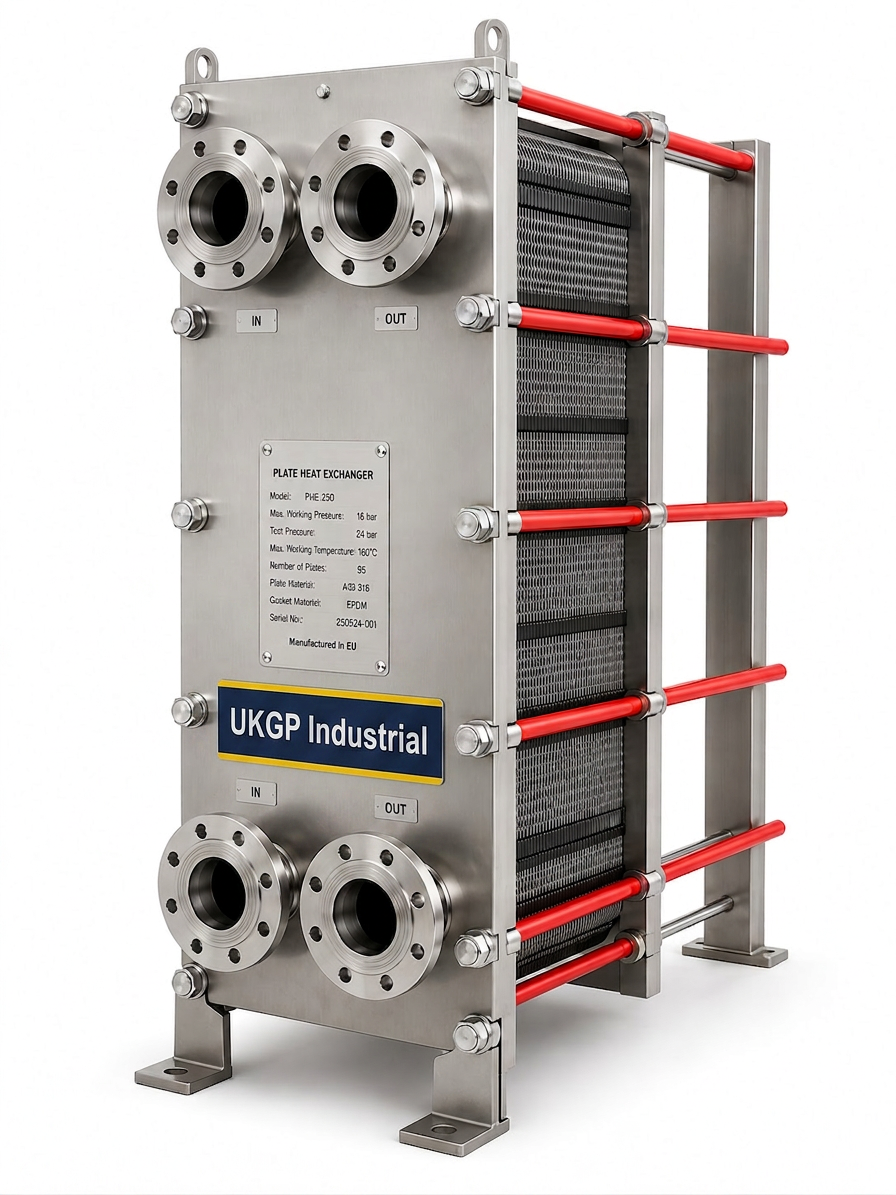
The plant room is the heart of the office, containing the most expensive components of the HVAV system. A power flush office heating routine is fundamentally about protecting these assets. High-efficiency plate heat exchangers have extremely narrow channels that can block in a matter of weeks if magnetite is allowed to circulate freely. Once a heat exchanger is scaled or blocked, the differential pressure increases, which in turn forces the circulating pumps to work at a higher RPM, consuming more electricity and bearing more mechanical stress. By clearing these bottlenecks, you restore the hydraulic equilibrium of the entire building, ensuring that even the most distant office on the top floor receives adequate heat.
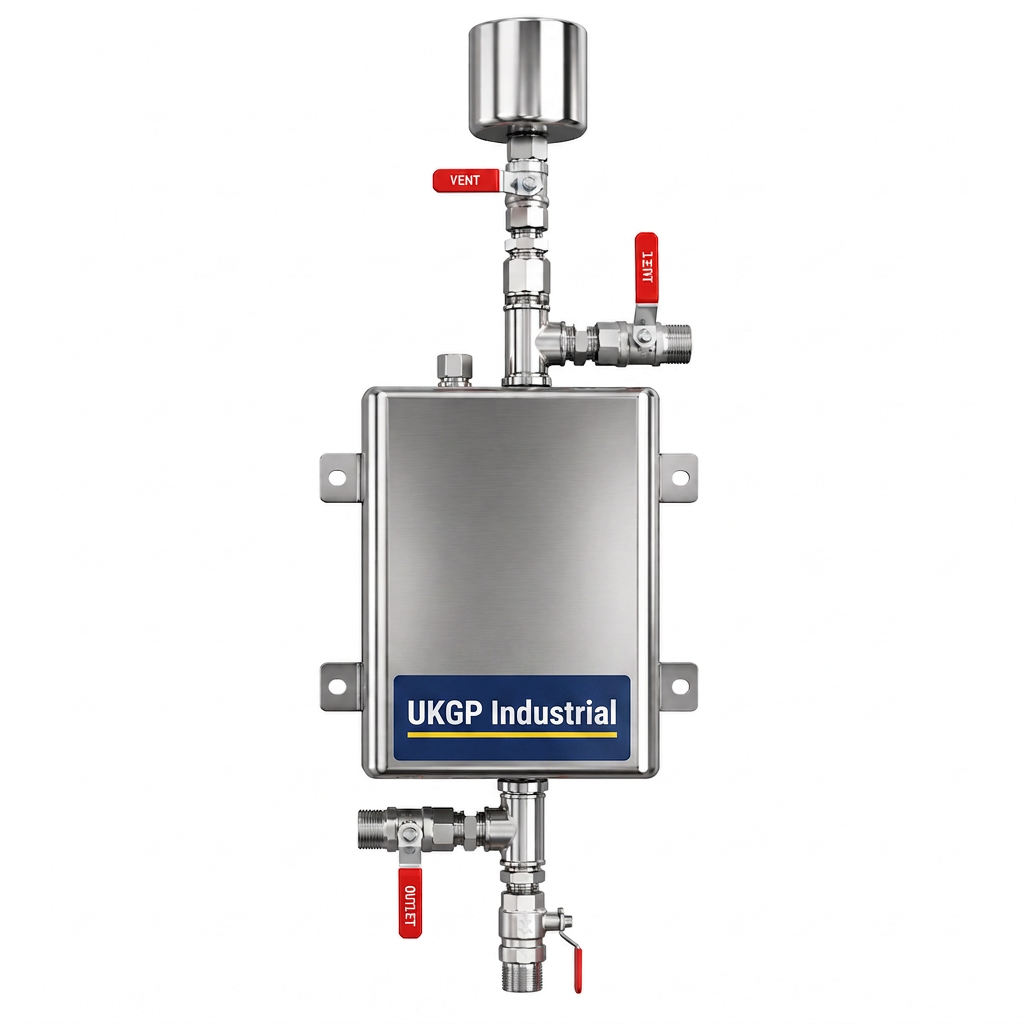
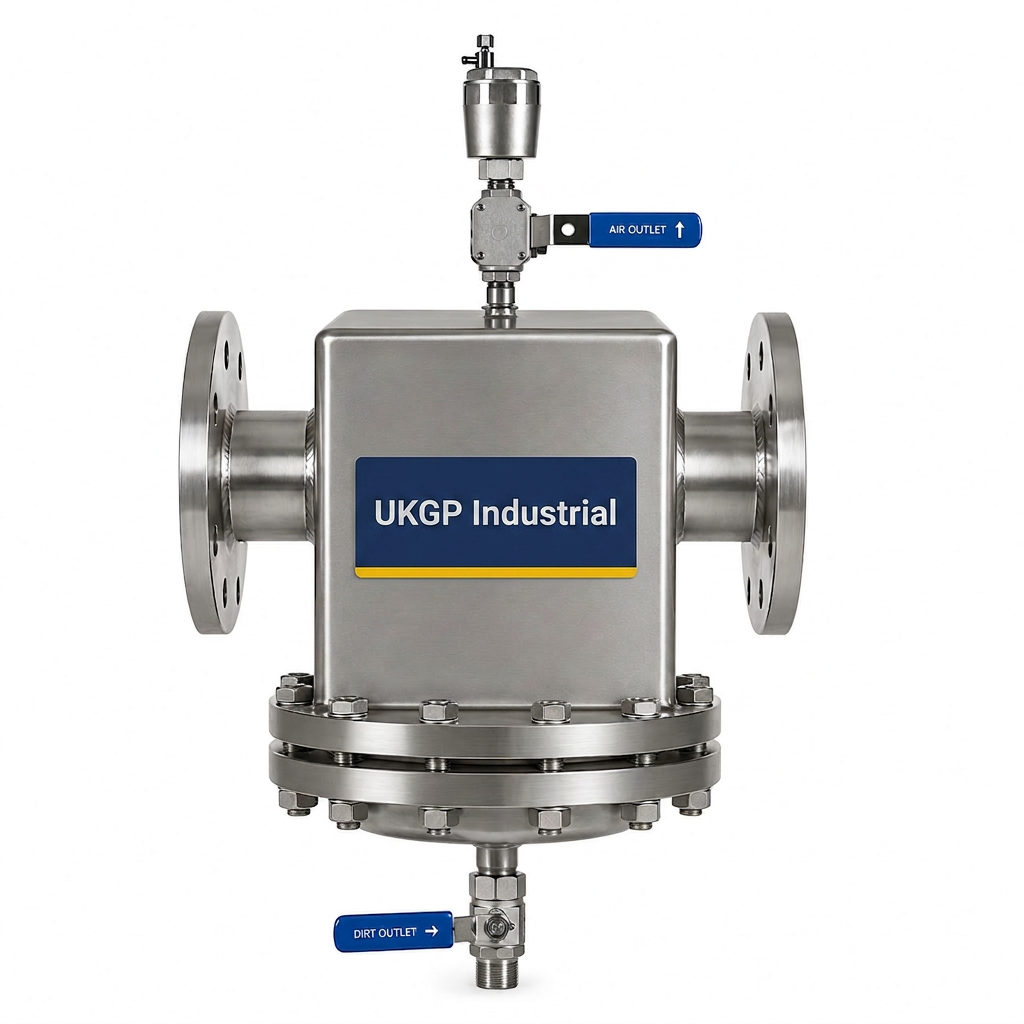
Pumps are particularly vulnerable to the abrasive nature of black sludge. The magnetite particles can wear down impellers and damage mechanical seals, leading to leaks and costly emergency repairs. During a power flush office heating procedure, it is often advisable to inspect the pumps and strainers for signs of early wear. If your quote includes the replacement of worn components, it is a sign of a thorough contractor. In tandem with flushing, using high-quality air and dirt separators can help prevent new particles from settling in these critical areas, acting as a first line of defence before the water even reaches the finer filtration stages of the system.
For offices with older pipework, the risk of pinhole leaks during a flush is a common concern. A professional contractor will perform a pressure test before and after the power flush office heating process to ensure the integrity of the system. They use modulated pressure to avoid 'shocking' old joints while still providing enough velocity to clear debris. This careful balance is why experienced M&E contractors are preferred for commercial office work. They understand that a flood in a high-rent office building is not an option, and they carry the appropriate professional indemnity insurance to cover large-scale commercial operations. This peace of mind is a critical component of the value proposition for any facility manager.
- Prevents terminal failure of narrow-channel plate heat exchangers
- Reduces mechanical load and energy consumption of circulating pumps
- Identifies potential system weaknesses through pre-flush pressure testing
- Enhances the operational lifespan of the entire HVAC plant
Planning Your Power Flush: Timing and Execution
Timing is everything when scheduling a power flush office heating project. The ideal window is during the shoulder seasons—spring or autumn—when the heating load is lower, but the system is still operational for testing. For many UK offices, a summer flush is preferred to ensure everything is perfect before the first cold snap of October. It is important to coordinate with the building's occupants, as some noise and temporary loss of heating or hot water are inevitable. Many contractors now offer weekend or night-shift work to ensure that the 9-to-5 operation of the office is completely unaffected, though this may incur a premium on the initial quote.
The execution phase must be methodical. A power flush office heating procedure starts with a site walk-through to identify all isolation valves. The contractor will then connect a high-flow pumping station to the system, usually at the boiler manifold or a large radiator connection. Using a combination of flow reversal and agitation, they will work through each zone systematically. Water samples are taken at various stages to track progress, with the goal of reaching a turbidity level and iron content that meets BSRIA BG50 requirements. This process cannot be rushed; for a medium-sized office, expect the onsite team to be working for at least 3 to 5 business days to achieve a truly professional result.
Once the flush is complete, the final step is the introduction of chemical passivators. These chemicals form a protective film on the internal surfaces of the pipes, preventing the immediate return of corrosion. At this stage, it is the perfect time to commission your UKGP side stream filtration skid. The skid will take over where the flush left off, catching any residual fine particles that were disturbed but not removed. To get a quote for a bespoke skid that complements your power flush, contact the UKGP team in Surrey. provide your system volume and pipe sizes, and we can provide a tailors solution that ensures your office heating remains in peak condition for years to come.
- Optimal scheduling during shoulder seasons to minimise tenant impact
- Systematic zone-by-zone cleaning using flow-reversal technology
- Application of passivators to prevent post-flush flash rusting
- Seamless integration with UKGP side stream filtration for long-term health
Frequently asked questions
How often should an office heating system be power flushed?
- While there is no fixed rule, BSRIA BG50 suggests that if water quality parameters for suspended solids and iron levels are exceeded, a flush is necessary. Typically, a well-maintained system with a side stream filter may only need a flush every 5-10 years, whereas a neglected system may need it every 2-3 years.
What is the price of a UKGP side stream filtration skid?
- Our side stream filtration skids start from £6,800 + VAT for a DN50 unit. They are made to order in our Surrey facility with a lead time of 6-8 weeks and include a 2-year warranty. Larger units up to DN100 are available for bigger commercial systems.
Can a power flush cause leaks in old office pipework?
- A power flush does not create leaks; it can, however, remove the 'plug' of rust or scale that was holding back a leak in a severely corroded pipe. Professional contractors perform pressure tests and use modulated flow to minimise this risk, but older systems should always be surveyed first.
Is power flushing the same as chemical cleaning?
- Power flushing is a mechanical process that uses high-velocity water to remove debris. Chemical cleaning uses acid or alkaline-based agents to dissolve scale and loosen magnetite. A professional power flush office heating service always uses a combination of both for maximum effect.
Does BSRIA BG50 require a side stream filter?
- BG50 strongly recommends the use of side stream filtration for closed-loop systems, especially in larger commercial buildings. It is considered the best practice for maintaining water quality and preventing the accumulation of the magnetite that a power flush is designed to remove.