The Role of Power Flush Chemicals in BG29 and BG50 Compliance
In the UK building services sector, the management of water quality is governed by strict industry standards, specifically BSRIA BG29 for pre-commission cleaning and BG50 for the maintenance of older systems. Power flush chemicals play a pivotal role in these processes by breaking down the iron oxide sludge and limescale that inevitably form over time. For plant-room engineers, selecting the correct chemical formulation is not merely a matter of convenience; it is a critical strategy for extending the lifecycle of multimillion-pound assets. Without the targeted application of these agents, system circulation remains restricted, leading to cold spots in emitters and significant heat exchanger fouling that drives up energy consumption across the estate.
Choosing the right chemical requires a nuanced understanding of the system's metallurgy. Modern UK plant rooms often feature a mix of materials, including stainless steel heat exchangers, copper pipework, and aluminium radiators. Using overly aggressive acidic descalers without proper buffering can lead to pinhole leaks and catastrophic component failure. Therefore, the specification of neutral pH or inhibited power flush chemicals is standard practice for M&E contractors who need to ensure deep cleaning without compromising structural integrity. These advanced dispersants work by holding particulates in suspension, allowing them to be efficiently moved through the system and eventually captured by filtration equipment or flushed out during the cleaning cycle.
To achieve a successful result that meets BS 8552 water quality monitoring criteria, the chemistry must be matched with high-velocity flushing techniques. Simply adding power flush chemicals into a stagnant system is insufficient. The chemical energy provided by the dispersant must be coupled with the mechanical energy of a high-flow pump to dislodge stubborn deposits. UKGP Industrial recommends that facilities managers integrate these cleaning cycles into a wider preventative maintenance schedule. By proactively treating systems before efficiency drops below 80%, operators can avoid the expensive emergency remediation often associated with complete system blockages or pump seizures in high-load commercial environments.
- Ensures adherence to BSRIA BG29 and BG50 best practices.
- Protects diverse metallurgy including aluminium and stainless steel.
- Maximises the volume of magnetite removed during the flushing process.
- Reduces the carbon footprint by restoring original design heat transfer.
- Essential for meeting BS 8552 water quality testing benchmarks.
Understanding Descalers vs. Sludge Dispersants
It is common for procurement leads to conflate the different types of power flush chemicals available on the UK market, yet their functions are distinct. Sludge dispersants are primarily formulated to tackle magnetite (black iron oxide), which is the most common contaminant in low-temperature hot water (LTHW) systems. These chemicals work by breaking down the cohesive forces of the sludge, turning large clumps into microscopic particles that can be circulated through the pipework. In contrast, descalers are designed to target calcium carbonate and other mineral deposits that precipitate in hard water areas, such as London and the South East. Descaling is particularly vital for domestic hot water (DHW) generation and plate heat exchangers where temperature differentials are highest.
Applying a sludge remover to a system suffering from heavy limescale will yield poor results, just as using a mild descaler on heavy magnetite will prove ineffective. Professional engineers must conduct a water analysis to determine the primary cause of system resistance before selecting their chemical arsenal. Heavy-duty descalers often contain phosphoric or citric acids, which must be carefully neutralised after use to prevent post-flush corrosion. The application of these power flush chemicals often requires a secondary pass-through with a neutralising agent to restore the system to a stable pH between 7.0 and 8.5. This two-stage process is non-negotiable for contractors aiming to provide a high-quality handover that stands up to independent fluid analysis.
For complex commercial systems where both scaling and sludge are present, a sequenced approach is recommended. By beginning with a high-performance sludge dispersant to clear the main channels, engineers can then introduce descaling agents to strip away mineral deposits from internal heat transfer surfaces. This comprehensive approach ensures that the system is returned as close as possible to its 'as-installed' state. UKGP Industrial understands that downtime is a major concern for FM leads, which is why we advocate for higher-concentration chemicals that work faster and reduce the total labour hours required on-site. Investing in quality chemistry at the start of the project ultimately saves money by reducing the frequency of repeat visits and call-outs.
- Identify system contaminants through professional water testing.
- Use sludge dispersants for magnetite and black oxide removal.
- Select acid-based descalers for calcium and mineral build-up.
- Always neutralise acid descalers to prevent long-term corrosion.
- Sequential cleaning improves the longevity of high-value plant assets.
Integration with Side Stream Filtration Skids
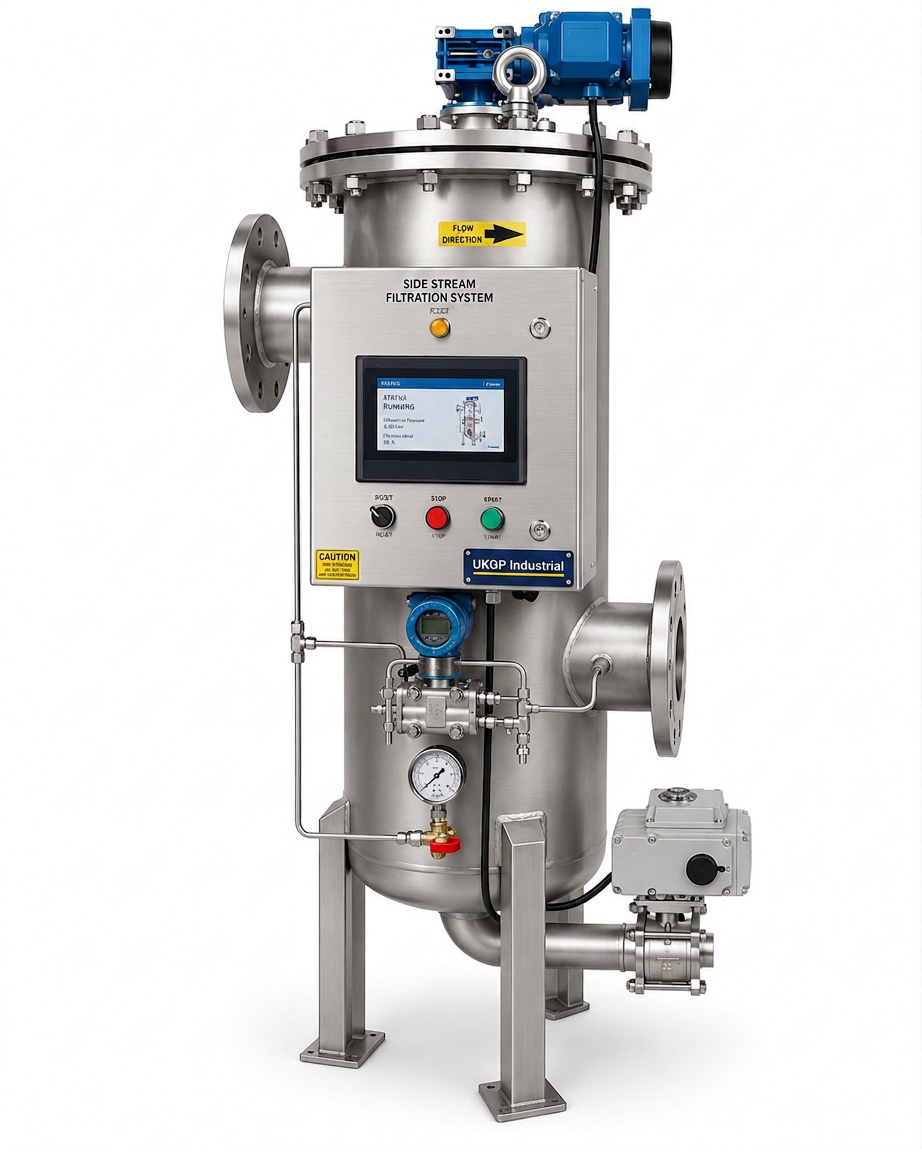
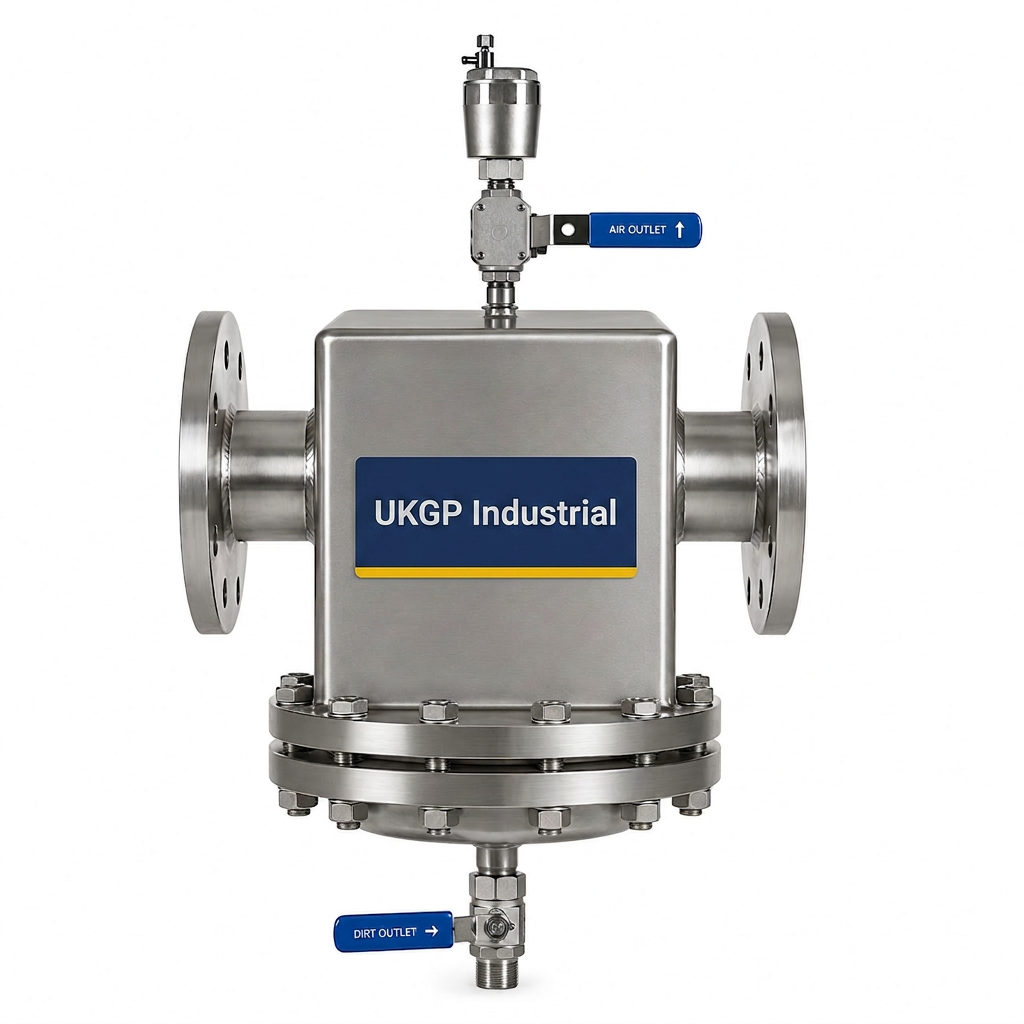
While power flush chemicals are excellent for mobilising debris, their effectiveness is limited if that debris is not permanently removed from the system. This is where the synergy between chemical treatment and side stream filtration becomes crucial for UK building services. Once the chemicals have suspended the magnetite and sludge, a high-quality filtration skid can trap these particles without requiring a full system shutdown. For many UK commercial buildings, a complete drain-down is impractical or prohibitively expensive. In these scenarios, the combination of mobile power flush chemicals and permanent side stream filtration provides a continuous cleaning solution that keeps the water within BSRIA BG50 parameters indefinitely.
UKGP Industrial provides made-to-order side stream filtration skids specifically designed for the demanding environments of UK plant rooms. These units are available from DN50 to DN100 and are manufactured to order with a lead time of 6-8 weeks. Starting from £6,800 + VAT, our skids are an essential investment for any site undergoing a chemical clean. By installing a permanent skid, the benefits of the power flush chemicals are locked in, as the filter continuously removes any residual debris that the chemicals have loosened from the pipe walls. This prevents the rapid re-accumulation of sludge that typically occurs in the weeks following a manual power flush, ensuring the long-term protection of the system's pumps and valves.
Our filtration skids come with a 2-year warranty and are engineered for ease of maintenance, allowing facility managers to perform filter bag changes or magnet cleaning without interrupting the building's heating or cooling services. When procurement leads specify UKGP skids alongside their power flush chemicals, they are opting for a commercially aware solution that prioritises system uptime and energy efficiency. Whether you are managing a hospital, or a large-scale commercial office block, integrating a DN50 to DN100 skid ensures that your chemical investment translates into permanent operational savings. We encourage contractors to request a quote early in the design phase to align with our bespoke manufacturing timelines.
- Continuous removal of particles suspended by power flush chemicals.
- Eliminates the need for frequent, costly full-system drain-downs.
- UKGP skids available from DN50 to DN100 for versatile application.
- Competitively priced from £6,800+VAT with a 2-year warranty.
- Made to order in the UK with a standard 6-8 week lead time.
Protecting Plate Heat Exchangers from Fouling
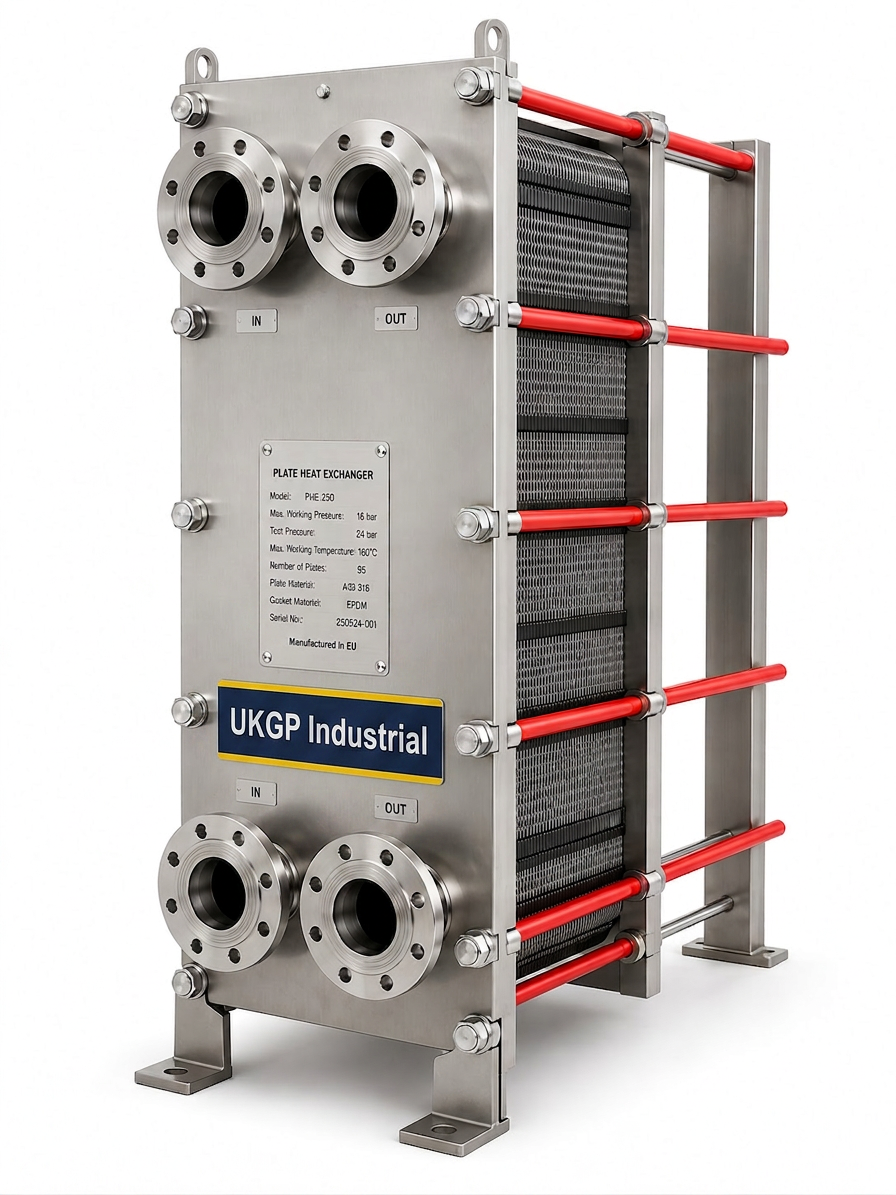
Plate heat exchangers (PHEs) are particularly vulnerable to the debris moved during a chemical clean. Due to the very narrow gaps between the plates, any sludge or scale loosened by power flush chemicals can easily bridge these gaps, causing a significant drop in pressure and a total loss of heat transfer efficiency. In a BSRIA-compliant maintenance regime, it is common practice to either bypass the PHE during the heavy cleaning phase or to ensure that rigorous filtration is in place to protect the delicate plate surfaces. High-performance chemicals are designed to break these particles down small enough to pass through, but the risk of agglomeration remains high in low-velocity zones within the exchanger.
Specifying the correct chemical dosage is also vital for the longevity of the PHE gaskets and plates. Certain strong acidic cleaners can degrade the EPDM or Nitrile gaskets used in plate heat exchangers, leading to cross-contamination between the primary and secondary circuits. This is why UKGP Industrial emphasises the use of inhibited power flush chemicals that are certified safe for use with multi-metal and multi-material components. By protecting the PHE, you ensure that the entire system delivers the design temperature to the end-users, whether that be for underfloor heating or domestic hot water. A fouled heat exchanger often leads to boilers cycling more frequently, which increases wear and tear and drives up utility bills.
Should your heat exchangers be beyond the help of chemical cleaning alone, UKGP Industrial also supplies premium replacement plate heat exchangers. Our units are designed to withstand the rigours of commercial HVAC applications and can be integrated seamlessly into your existing plant-room layout. However, the most cost-effective route remains preventative maintenance using high-quality power flush chemicals and regular monitoring. If you are experiencing high pressure drops across your exchangers, it is time to consult with an expert on a combined chemical and filtration strategy to restore your system's hydraulic balance and thermal performance.
- Narrow plate gaps are highly sensitive to magnetite and scale fouling.
- Inhibited power flush chemicals protect gasket integrity and plate life.
- Fouled exchangers lead to inefficient boiler cycling and high energy costs.
- By-passing exchangers during initial flush phases prevents blockages.
- Replacement PHEs available for systems where cleaning is no longer viable.
The Importance of Post-Flush Passivation
One of the most overlooked aspects of using power flush chemicals is the requirement for passivation immediately following the clean. When a system is cleaned back to bare metal, the surfaces are highly reactive and prone to 'flash rusting' if exposed to oxygenated water without protection. A professional power flush must always conclude with the introduction of a high-quality corrosion inhibitor. This inhibitor forms a protective film on the internal surfaces of the pipework, radiators, and plant equipment, preventing the immediate return of magnetite. According to CIBSE guidelines, a system should never be left with raw water for more than 24 hours after a chemical clean.
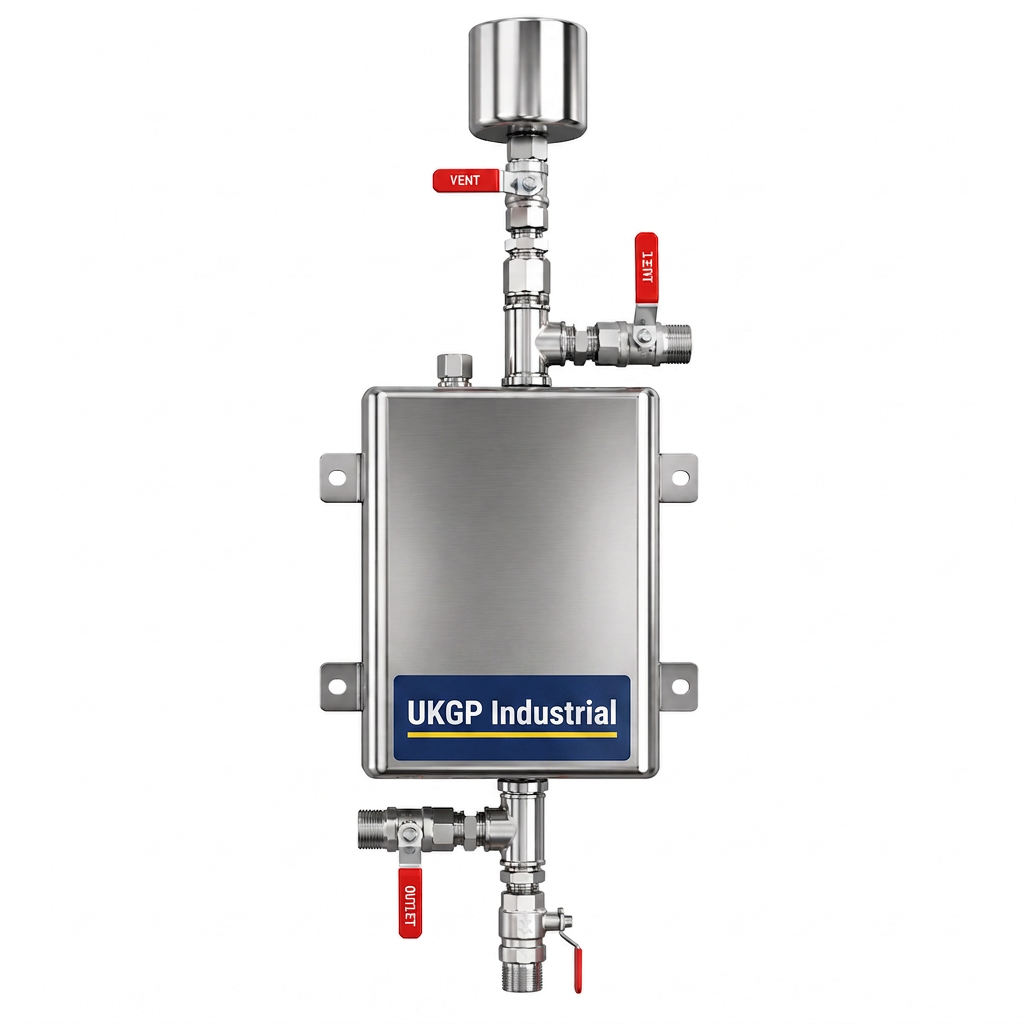
The use of chemical dosing pots is the industry-standard method for introducing these inhibitors into a closed-loop system. UKGP Industrial offers durable chemical dosing pots that allow engineers to safely and accurately inject power flush chemicals or maintenance inhibitors while the system is under pressure. This ensures that the water chemistry is balanced without the need for a system shutdown, maintaining those essential BSRIA BG50 standards throughout the year. For contractors, the convenience of a properly installed dosing pot cannot be overstated, as it allows for the incremental dosing of sludge dispersant if the initial clean needs a secondary boost.
Failing to passivate a system after using aggressive power flush chemicals is a recipe for long-term disaster. The newly cleaned surfaces are particularly vulnerable to microbial growth and galvanic corrosion if the water chemistry remains out of balance. By combining a thorough chemical flush with a robust passivation and inhibition strategy, M&E contractors can provide a 2-year warranty on their work with confidence. At UKGP Industrial, we see the power flush as just one part of a three-stage process: clean, protect, and maintain. This holistic approach is the only way to ensure that commercial HVAC systems reach their full 25-to-30-year design life in the challenging UK environment.
- Prevents 'flash rusting' on newly cleaned metal surfaces.
- Inhibitors create a protective barrier against future corrosion.
- Mandatory under CIBSE and BSRIA guidelines for system longevity.
- Use chemical dosing pots for safe and pressurized chemical entry.
- Critical for maintaining the theoretical design life of plant equipment.
Best Practices for Power Flushing in Large Commercial Estates
In large-scale commercial estates, such as university campuses or large hospitals, the logistics of using power flush chemicals become more complex. These systems often contain tens of thousands of litres of water, making the cost of chemicals and the disposal of trade effluent a significant factor. Proper planning must include a site-specific method statement that details the chemical concentrations required and the safety measures for handling the agents. It is also important to liaise with the local water authority if large volumes of chemically treated water are to be discharged into the foul sewer, as an effluent discharge permit may be required under UK environmental law.
To manage these large volumes effectively, engineers often use a ‘zonal’ approach to power flushing. By isolating specific wings or floors and treating them with concentrated power flush chemicals, the debris can be moved more effectively than if the entire building were treated as one. This targeted approach allows for higher flow velocities, which are necessary to lift heavy sludge and transport it to the filtration point. Our bespoke side stream filtration skids are particularly effective here, as they can be moved or piped into specific zones to capture the high volume of particulates released during a sectional flush, reducing the total time on site.
Finally, the success of any power flush involving chemicals must be verified through rigorous on-site testing and laboratory analysis. Indicators such as turbidity, total dissolved solids (TDS), and iron levels should be measured both before and after the process. This data provides the facility manager with a clear 'before and after' picture of the system health and satisfies the insurance requirements of many UK commercial property owners. When you specify UKGP Industrial's equipment and follow a disciplined chemical cleaning protocol, you are investing in a data-driven maintenance standard that mitigates risk and optimizes the performance of the building's most critical mechanical systems.
- Requires site-specific method statements and safety protocols.
- Zonal flushing increases the efficacy of chemicals in large systems.
- Check local water authority regulations for effluent discharge.
- Lab analysis is essential to verify the success of the flush.
- Mitigates insurance risks by providing documented system maintenance.
Frequently asked questions
What are the best power flush chemicals for aluminium heat exchangers?
- For systems containing aluminium, it is critical to use pH-neutral or specifically inhibited power flush chemicals. Acidic cleaners will cause rapid pitting and corrosion in aluminium components. Always check the manufacturer's data sheet for multi-metal compatibility.
How long should power flush chemicals be left in a commercial system?
- Typically, sludge dispersants should be circulated for 1 to 4 weeks under normal operating conditions before the actual flush takes place. However, high-velocity cleaners used by M&E contractors may only require 2-6 hours of circulation during the active flushing process.
Do I need to bypass my side stream filter when adding chemicals?
- It depends on the stage of the clean. During the initial 'loosen' phase, the filter should be active to catch debris. However, if using certain heavy-duty chemicals that could degrade filter bags, temporary bypass or the use of specific high-temp/chemical-resistant bags may be necessary.
Can power flush chemicals fix a completely blocked pipe?
- No, chemicals require circulation to work. If a pipe is 100% blocked, the chemical cannot reach the face of the blockage to dissolve it. In these cases, mechanical intervention or section replacement is required before a chemical clean can be performed.
What is the cost of a side stream filtration skid for a DN80 pipe?
- UKGP Industrial side stream filtration skids start from £6,800 + VAT. A DN80 unit is made to order with a 6-8 week lead time and provides essential protection for the system after the initial power flush chemicals have done their job.