The Limitations of Manual Litmus Testing
Litmus paper operates on a qualitative basis, using a range of pH-sensitive dyes to indicate acidity or alkalinity. In a UK industrial plant room, this method is increasingly viewed as an anachronism. The resolution is fundamentally capped; most litmus strips provide a visual comparator scale in increments of 1.0 or 0.5 pH. When managing high-pressure steam boilers or chilled water loops where a deviation of 0.3 pH can signify the start of aggressive corrosion, this margin of error is unacceptable.
Furthermore, the reliability of manual testing is highly dependent on the environment. In the typically dim lighting of a basement plant room, distinguishing between a shade of teal and forest green on a wet paper strip is subjective. When process fluids contain additives like corrosion inhibitors, biocides, or leak-detection dyes, the chemical interaction often discolours the paper independently of the actual pH level, rendering the result void.
- Resolution limited to 0.5 or 1.0 pH units.
- Susceptibility to operator error and 'colour blindness' bias.
- Non-functional in opaque or heavily dyed liquids (e.g., glycol mixes).
- No capability for remote monitoring or data logging.
The Case for Digital pH Transmitters
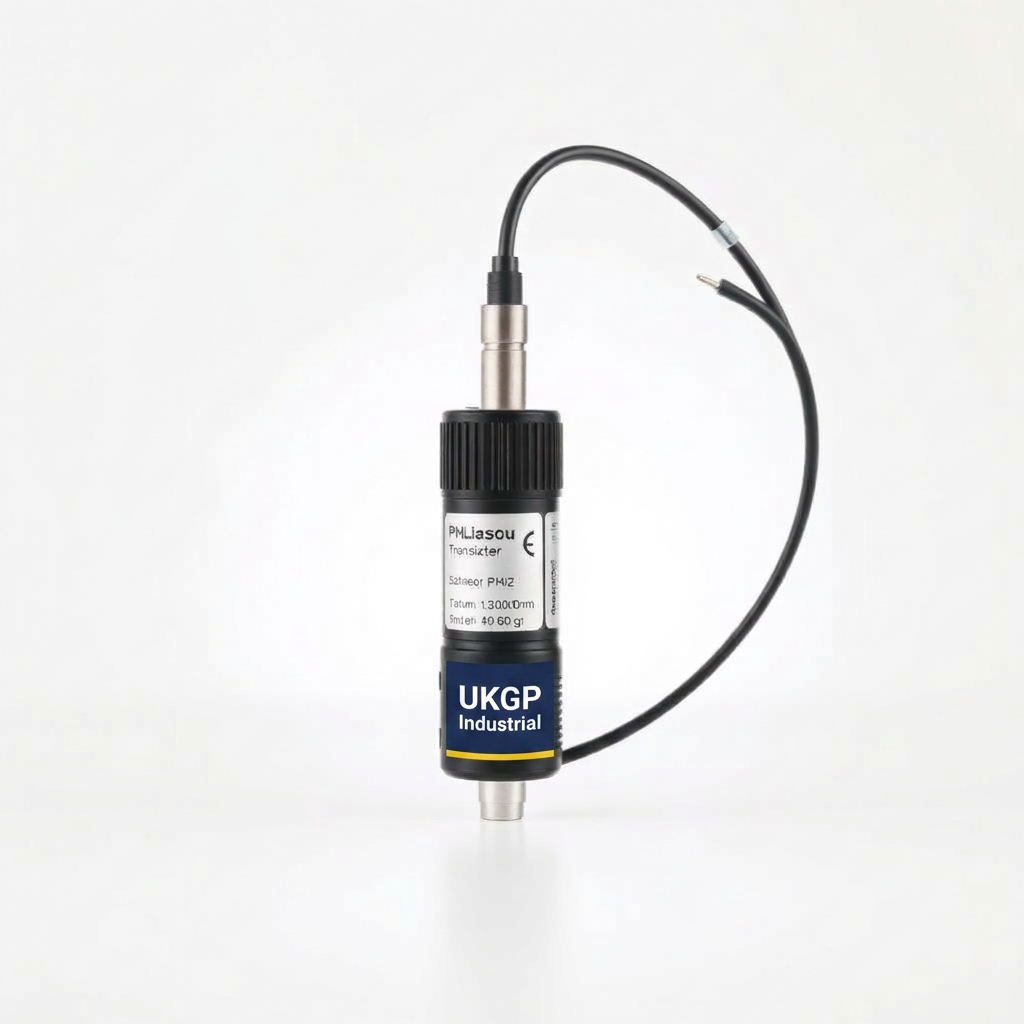
Modern industrial pH sensors, such as those featuring M12 quick-connect smart electronics, represent a significant leap in water quality management. These devices provide continuous, high-accuracy measurement (often to within ±0.02 pH) and convert the electrochemical potential of the sensing electrode into a digital or analogue signal. This allows for real-time integration into a Building Management System (BMS) or local PLC, enabling automated chemical dosing interventions.
The 'smart' aspect of contemporary sensors is critical. By embedding the transmitter electronics directly into the sensor head, the signal is digitised at the point of measurement. This eliminates the interference and impedance issues associated with long cable runs of traditional high-impedance pH probes. For M&E contractors, the use of M12 connectors means sensors can be replaced or calibrated in minutes without the need for complex rewiring, ensuring consistent uptime for critical process cooling or heating loops.
- Precision to ±0.02 pH units.
- 4-20mA or Modbus output for BMS integration.
- Real-time compensation for temperature fluctuations.
- Built-in diagnostic data for predictive maintenance.
Compliance and Regulatory Standards
In the UK, the maintenance of building services is governed by strict guidelines, notably BSRIA BG29 and BG50. These standards emphasise the importance of consistent water chemistry to prevent the degradation of heat exchangers and pumps. Manual litmus testing fails to provide the audit trail required under these standards. Digital transmitters, conversely, allow for automated data logging, providing a historical record of system stability that can be audited by facilities managers or insurance providers.
The ability to monitor pH trends over time is a powerful diagnostic tool. A gradual drift in pH across a month may indicate a slow leak or a failing chemical dosing pump—nuances that occasional manual testing with paper strips will inevitably miss. By moving to digital sensing, engineers move from reactive 'spot-checking' to proactive, data-driven system management.
- BSRIA BG29/21: Pre-commission cleaning of pipework.
- BSRIA BG50: Water treatment for closed heating and cooling systems.
- BS 8552: Sampling and monitoring of water from building services systems.
Operational Efficiency and Total Cost of Ownership
While the initial capital expenditure for a pH sensor transmitter is higher than a pack of litmus strips, the total cost of ownership (TCO) often tells a different story. Manual testing requires technician time; in large-scale industrial facilities, the man-hours spent collecting samples and performing manual tests across multiple plant rooms can be substantial. Automated sensors free up staff for more complex maintenance tasks.
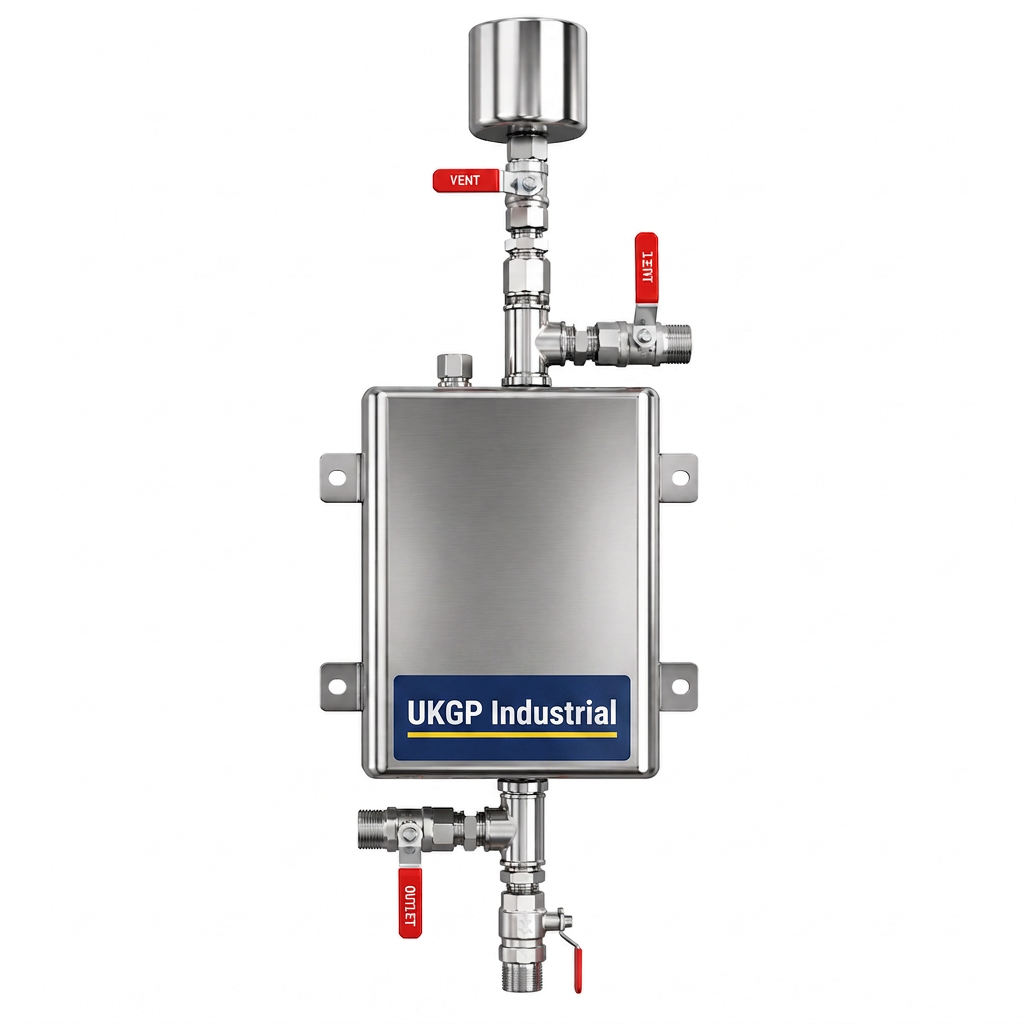
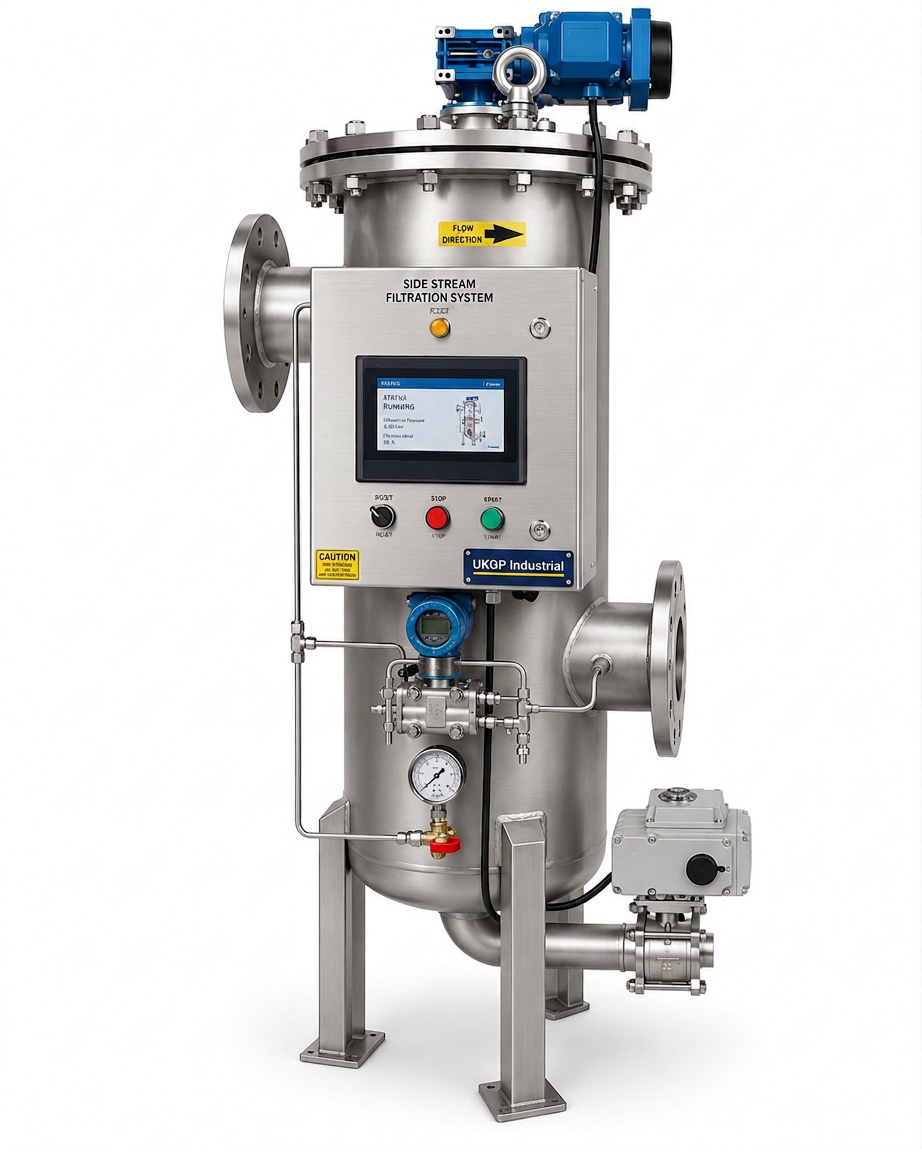
When integrated with side-stream filtration units or chemical dosing skids, pH sensors ensure chemicals are only added when necessary. This prevents the over-dosing of expensive inhibitors, which can occur when manual testing provides inaccurate data. Over a single year, the savings in chemical costs and the extension of plant life often far outweigh the cost of the sensor hardware. Furthermore, the risk of catastrophic pipework failure due to undetected acidification can cost hundreds of thousands of pounds in remedial works.
Technical Specifications for Industrial Environments
Selecting the right pH sensor requires an understanding of the operating environment. Industrial-grade sensors are designed to withstand pressures up to 10 bar and temperatures exceeding 80°C, conditions that would make manual sampling dangerous or impractical. The use of double-junction references in modern sensors also prevents 'poisoning' of the electrode in harsh chemical environments, ensuring a longer lifespan compared to entry-level lab probes.
Engineers should specify sensors with integrated temperature compensation (ATC). pH is temperature-dependent; a fluid at 20°C will have a different pH reading than the same fluid at 60°C. Digital transmitters process this calculation automatically, providing a 'normalised' reading that allows for accurate comparison. Litmus paper offers no such compensation, introducing another layer of inaccuracy into the measurement process.
- High-temperature steam return lines.
- High-pressure cooling circuits.
- Chemically aggressive wastewater streams.
Frequently asked questions
What is the main difference between litmus paper and a pH sensor? Outreach?
- Litmus paper is a qualitative indicator that changes colour based on acidity or alkalinity. It provides an approximate range (usually ±1.0 pH) and cannot be used for continuous monitoring or automated dosing control.
Are pH sensors high maintenance compared to manual testing?
- Modern M12 quick-connect sensors are designed for swap-and-go maintenance. While they require periodic calibration (typically monthly in closed-loop systems), the integration of smart electronics ensures calibration data is stored on the sensor head, reducing downtime compared to manual testing.
When is litmus paper acceptable in a commercial plant room?
- For non-critical, infrequent spot checks where high precision isn't required, litmus paper is cost-effective. However, in systems regulated by BSRIA BG29 or BG50, the lack of a data log and the poor resolution usually make it unsuitable as a primary monitoring method.
How much more accurate is a digital pH transmitter?
- Digital pH transmitters offer significantly higher accuracy (typically ±0.02 pH) compared to the human eye's interpretation of a colour scale, which is highly subjective and prone to error in poor lighting or with turbid fluids.