The Mechanics of pH Signal Degradation
Industrial pH measurement relies on the Nernst equation, where a potential difference is generated across a hydrogen-sensitive glass membrane. In a plant room environment, this millivolt signal is incredibly high-impedance, making it susceptible to electrical noise and moisture ingress. Even the slightest contamination of the internal electrolyte or the external junction can lead to significant measurement errors that compromise chemical dosing regimes.
Commonly, engineers encounter 'sluggish' sensor response. This is frequently a result of the hydrated layer on the glass bulb becoming dehydrated or coated in minerals/oil. In cooling tower applications, scale formation on the sensor tip insulates the electrode, leading to an artificial lag in the control loop, which often results in the over-dosing of acid or base chemicals.
- Loss of slope (sensitivity) due to ageing glass membranes.
- Zero-point offset caused by reference junction fouling.
- Temperature compensation failure in LPHW circuits.
- Mechanical damage from high-velocity particulates.
Smart Transmitters and M12 Connectivity
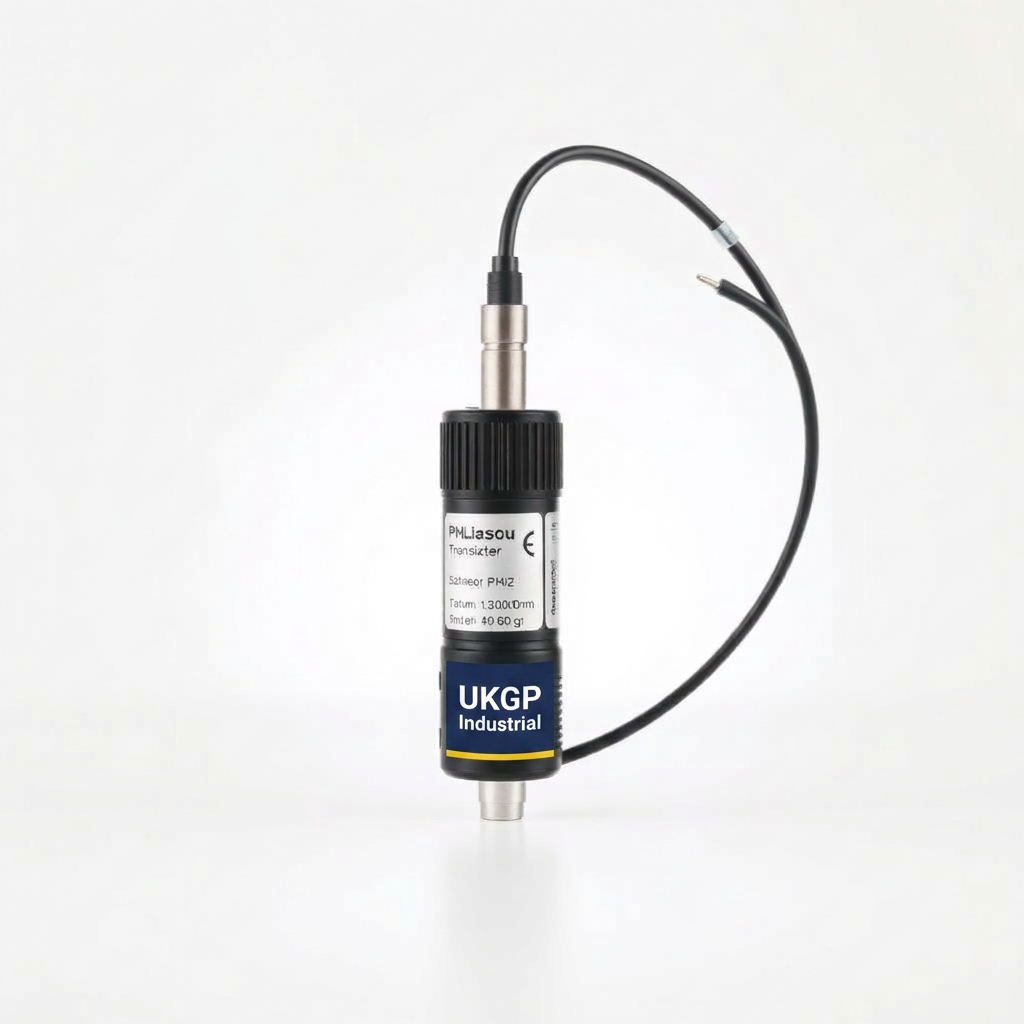
Modern UKGP Industrial pH sensor transmitters utilise M12 quick-connect smart electronics to digitise the signal at the point of measurement. This architecture eliminates the high-impedance cable runs that historically plagued analogue pH systems. By converting the mV signal to a robust 4-20mA or RS485 Modbus output within the sensor head, the system becomes significantly more resilient to electromagnetic interference (EMI) from variable speed drives (VSDs) and heavy pump motors.
When troubleshooting these units, the first step is to verify the integrity of the M12 connection. While IP67-rated, the pins must be free of corrosion. Unlike traditional BNC connectors, M12 smart systems often include onboard diagnostics that can report 'glass impedance' or 'reference impedance' directly to the BMS. This allows engineers to differentiate between a fouled sensor (low slope) and a depleted electrolyte (high reference impedance) without removing the probe from the line.
Diagnosing Erratic Readings and Noise
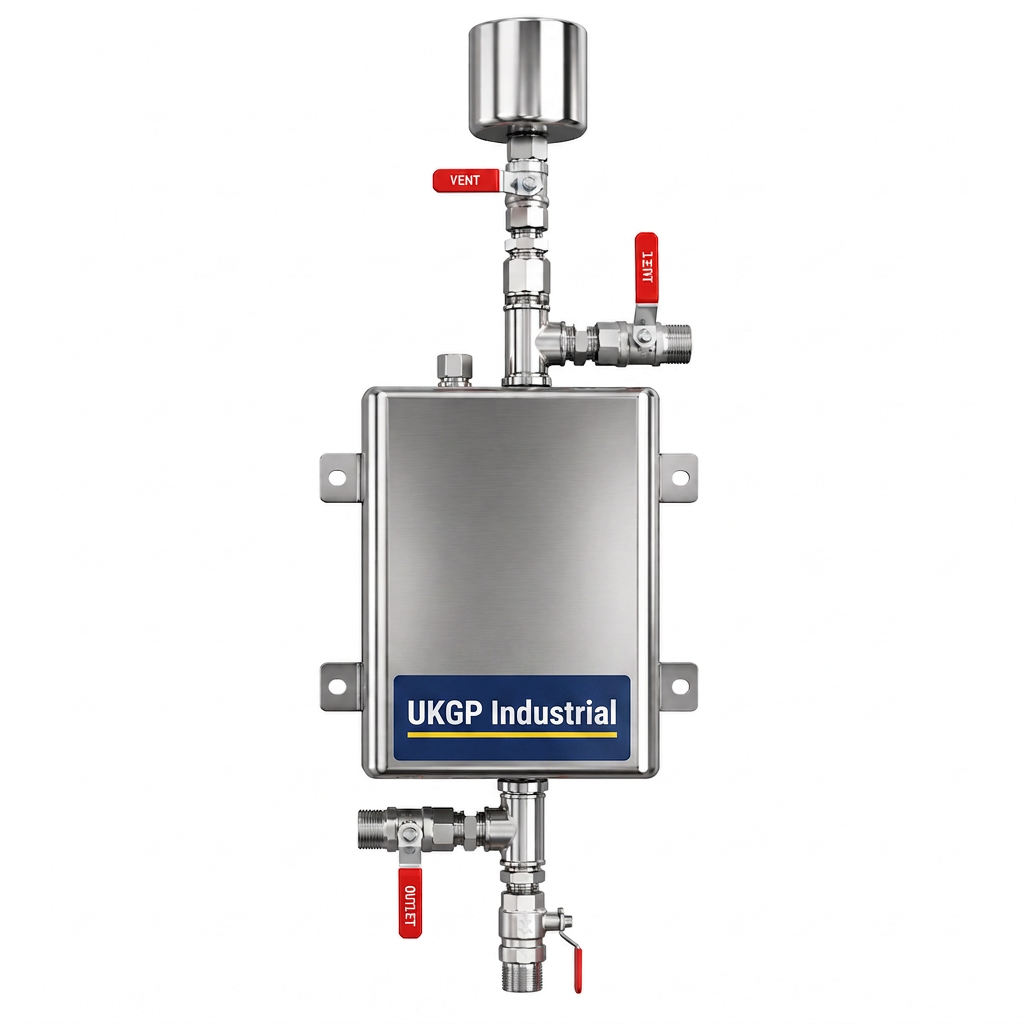
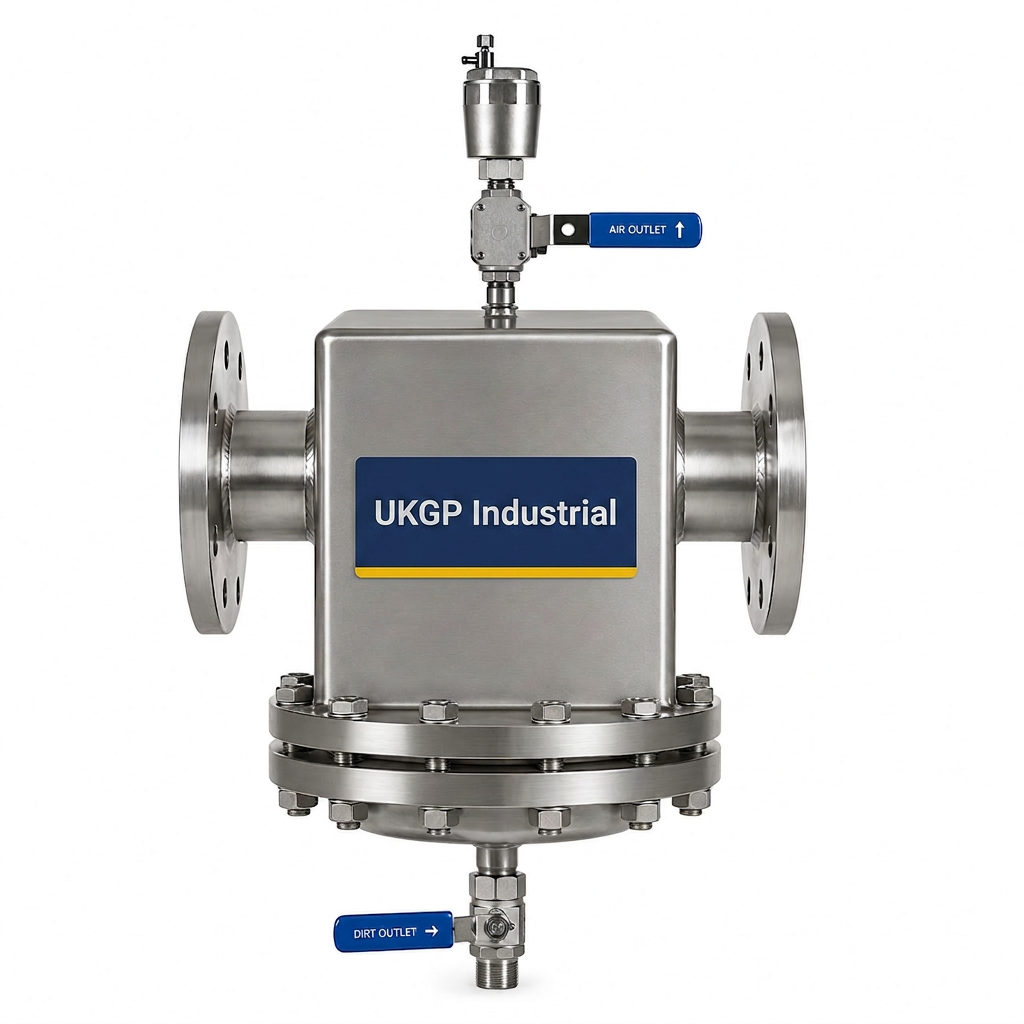
Erratic or 'jumping' pH readings are usually symptomatic of electrical interference or air entrainment. In UK building services, circulating pumps can introduce micro-bubbles into the flow; if these bubbles collect around the pH electrode, they break the electrical circuit between the sensing and reference elements, causing the signal to fluctuate wildly. Correct orientation (ideally 15 degrees above the horizontal) is essential to prevent air trapping.
Ground loops are another frequent culprit in industrial plants. If there is a potential difference between the process liquid and the instrument ground, a stray current will flow through the pH electrode. This not only causes inaccurate readings but can rapidly deplete the silver/silver chloride reference element. Utilising a transmitter with galvanically isolated outputs, as found in premium UKGP Industrial specifications, is the primary engineering solution for this issue.
- Check for air pockets in the sensor housing or 'T' piece.
- Verify the ground loop potential between the process fluid and the transmitter.
- Inspect the M12 cable for proximity to high-voltage power lines.
- Ensure the sensor stay-wet bulb is not drying out during system downtime.
Calibration Deviations and Buffer Solutions
A sensor that refuses to calibrate often has a 'Slope' value below 80% or an 'Offset' exceeding ±30mV. Before condemning the electrode, the buffer solutions must be audited. pH buffers are shelf-stable but degrade rapidly once exposed to air—specifically pH 10 buffers, which absorb atmospheric CO2 and shift toward acidity. Always use fresh, NIST-traceable buffers and ensure they are at the same temperature as the process fluid for maximum accuracy.
In wastewater and side-stream applications, chemical fouling of the junction is the leading cause of calibration failure. If the porous junction becomes blocked by suspended solids or precipitates, the interface between the reference gel and the process is lost. Cleaning with a 5% HCl solution or a specialist surfactant is often required before a successful two-point calibration can be performed.
Integration with Water Treatment Systems
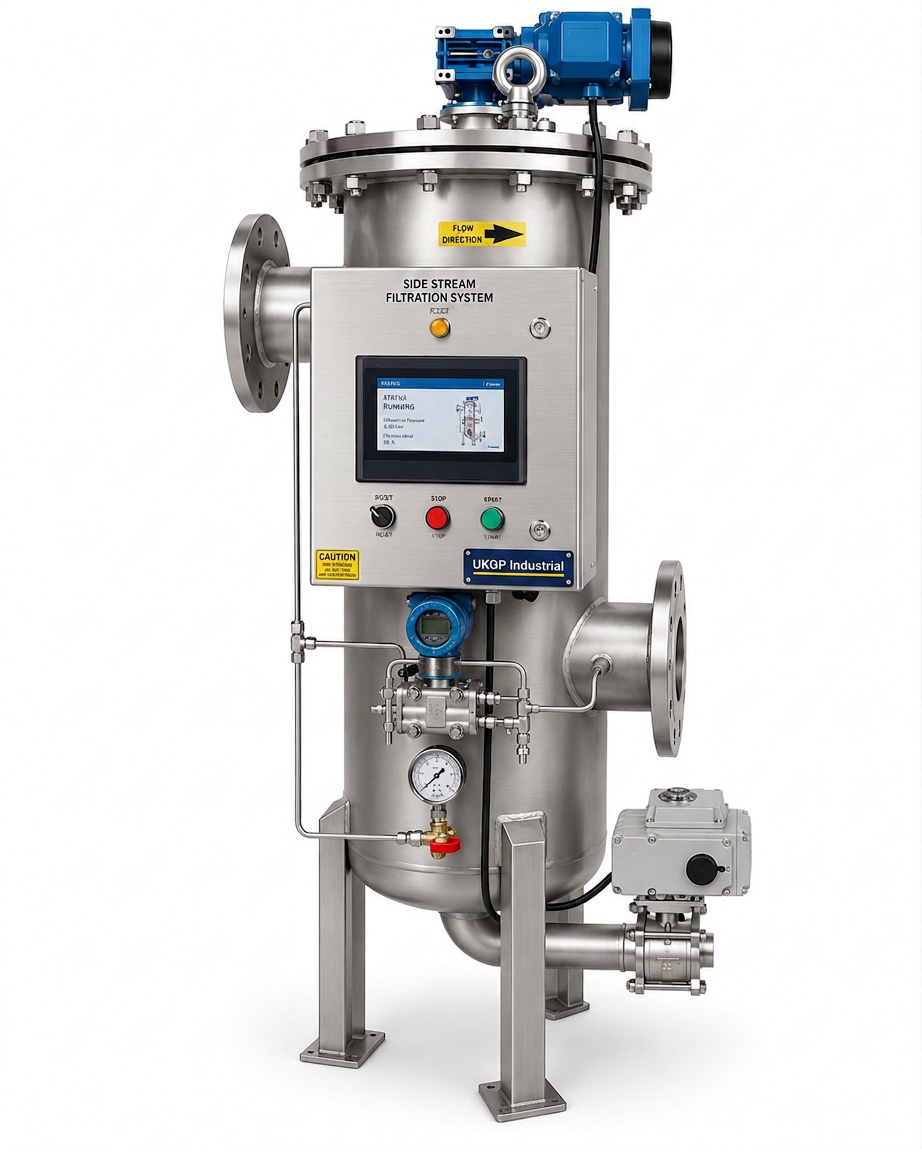
pH sensors do not operate in isolation; they are the 'eyes' of the water treatment assembly. In systems equipped with side-stream filtration, the placement of the pH transmitter is critical. It should be positioned downstream of the filter but upstream of any chemical injection points to ensure it measures the bulk water chemistry rather than the concentrated dose. This prevents 'short-circuiting' of the control loop.
When troubleshooting a system-wide chemistry imbalance, engineers must also consider the physical state of the water. High turbidity or oil carry-over in CHW systems can coat sensors within hours. Integrating the pH transmitter with a side-stream filtration manifold ensures that the sensor is protected from the heaviest particulate loads, extending the interval between manual cleanings and recalibrations.
- Biocide dosing control in cooling towers (HSG274 compliance).
- Effluent neutralisation in industrial manufacturing.
- Boiler feed-water monitoring.
- Side-stream filtration efficiency.
Standard Maintenance Protocol
Preventative maintenance is the only way to ensure the longevity of pH instrumentation. A quarterly schedule should involve a visual inspection, cleaning of the electrode tip with a soft cloth (never abrasive), and a two-point calibration check. If the transmitter is used in a high-temperature LPHW circuit, ensure the temperature compensation (ATC) probe within the sensor is responding correctly, as pH is inherently temperature-dependent.
For systems in seasonal use, never leave a pH sensor dry. If a system is drained, the sensor must be removed and stored in a proper KCL storage solution. A dry glass bulb will lose its hydrated layer, and while it can sometimes be 'rejuvenated' by soaking for 24 hours, it often leads to permanent loss of sensitivity and necessitates replacement.
- Check power supply (typically 24V DC).
- Verify the 4-20mA loop resistance is within the transmitter's specification.
- Ensure the M12 connector is fully seated and the locking ring is hand-tight.
- Inspect the sensor glass for physical 'pitting' or cracks.
Frequently asked questions
How often should pH sensors be calibrated in industrial closed-loop systems?
- Standard practice for building services applications (LPHW/CHW) dictates monthly calibration checks. However, in high-fouling environments like wastewater or cooling tower sumps, weekly inspection is recommended until a baseline of drift is established.
Why is my pH reading drifting despite using a new M12 smart sensor?
- While M12 connectors provide an IP67 seal, internal moisture in the cabling can cause high-impedance signal leakage. Always use factory-moulded M12 cables and ensure the transmitter housing is not subject to internal condensation.
What is the typical lifespan of an industrial pH sensor?
- Standard glass electrodes have a typical lifespan of 12 to 24 months. Beyond this, the electrode's internal reference gel depletes and the glass membrane loses its sensitivity, leading to 'sluggish' response times.
What causes 'reference poisoning' in chemical dosing applications?
- Reference poisoning occurs when process chemicals (like sulphides or heavy metals) penetrate the porous junction and react with the silver/silver chloride (Ag/AgCl) internal element, permanently shifting the zero point.