The Fundamentals of pH Electrode Preservation
A pH sensor is essentially an electrochemical battery that requires a specific environment to remain functional. The sensing element consists of a thin glass membrane that must remain hydrated to allow ion exchange. If this membrane dries out, the hydrated layer collapses, leading to a permanent shift in the electrode's potential or total failure. In industrial environments, where sensors may be removed for seasonal boiler maintenance or plant shut-downs, understanding the chemistry of the storage environment is paramount.
Equally critical is the reference system, usually a Silver/Silver Chloride (Ag/AgCl) electrode. The reference junction provides the electrical bridge between the internal chemistry and the process fluid. If the sensor is stored in an inappropriate medium, such as tap water or deionised water, the electrolyte will leach out through the junction, causing a 'poisoned' reference and erratic readings upon commissioning. Following BSRIA BG50 guidelines for closed-loop monitoring requires high levels of accuracy that cannot be achieved with compromised sensors.
- The hydrated gel layer on the pH-sensitive glass membrane.
- The electrolyte concentration within the reference electrode.
- The integrity of the porous junction (ceramic or PTFE).
- The electrical contacts of the M12 quick-connect interface.
Selecting the Correct Storage Media
The gold standard for industrial pH sensor storage is a concentrated Potassium Chloride (KCl) solution, typically 3.0M. This solution matches the internal electrolyte of most industrial-grade sensors, ensuring an osmotic equilibrium. This prevents the flow of ions out of the reference junction and maintains the sensitivity of the pH glass. UKGP Industrial sensors are shipped with a protective 'soaker bottle' containing this solution to ensure they are ready for immediate deployment.
Engineers often mistakenly use deionised water for storage, believing it to be 'clean'. In reality, DI water is aggressive; because it lacks ions, it will actively pull electrolytes out of the sensor via osmosis. This leads to a slow-responding probe that is difficult to calibrate. If KCl is unavailable, a pH 4.0 phthalate buffer is an acceptable short-term substitute for up to 48 hours, but it should never be a permanent storage solution. For M12 smart electronics, storage should be entirely dry, focusing on the protection of the gold-plated pins from atmospheric corrosion.
- 3.0M or 4.0M Potassium Chloride (KCl) Solution (Recommended).
- pH 4.0 Buffer Solution (Short-term emergency only).
- NEVER: Deionised (DI) or Distilled Water.
- NEVER: Dry storage of the electrode bulb.
Frequently asked questions
Can I store a pH sensor in deionised water?
- Standard pH sensors should never be stored in deionised or distilled water, as this leaches the ions from the reference electrolyte, leading to reference junction failure. Use 3.0M or 4.0M Potassium Chloride (KCl) solution.
What is the shelf life of a new pH sensor?
- Typical shelf life for a new, properly stored pH probe is 6 to 12 months. Beyond this, the glass membrane may dehydrate or the reference electrolyte may deplete, leading to sluggish response times.
How should I store the M12 smart transmitter electronics during system downtime?
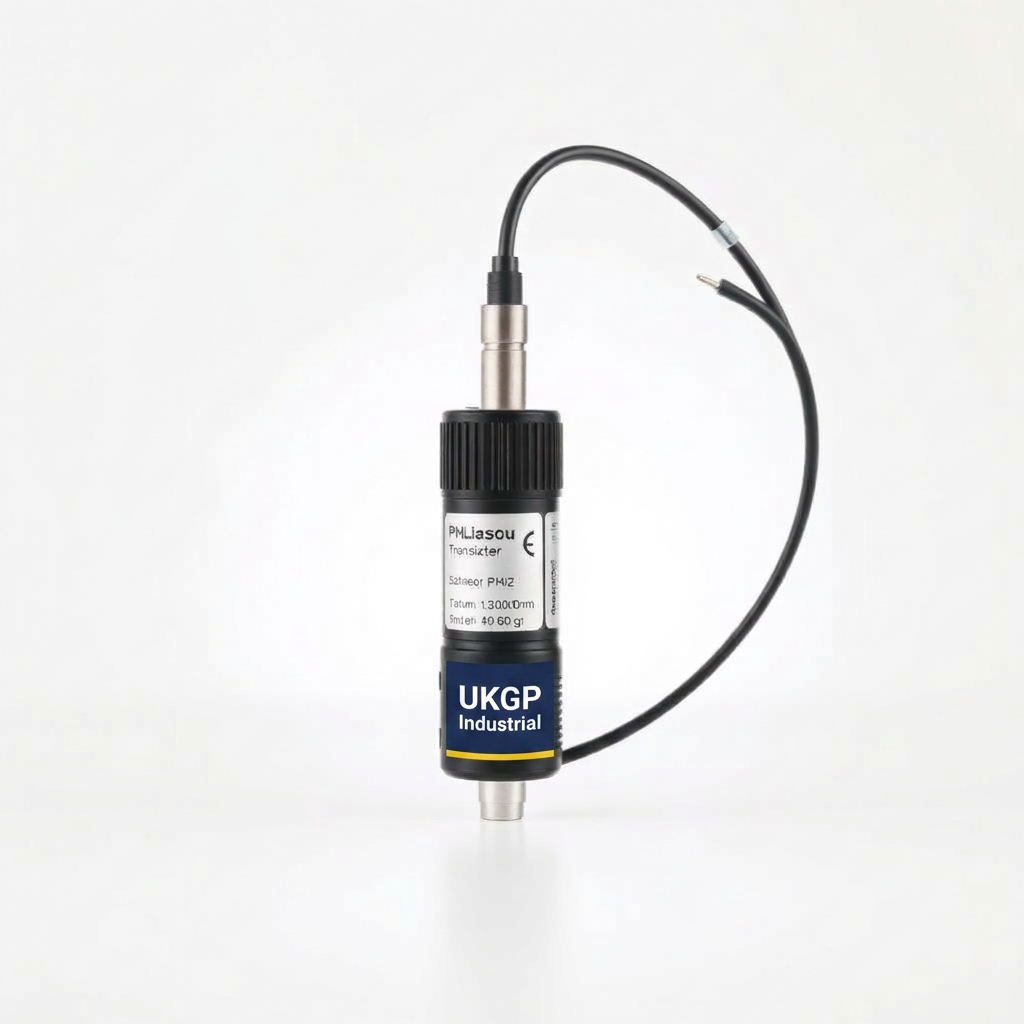
- The M12 smart transmitter should be disconnected and stored in a dry, anti-static environment. Ensure the protective caps are fitted to the M12 pins to prevent oxidation or moisture ingress during the shutdown period.
How do I reactivate a sensor that has been left dry?
- First, check for salt crusting. If the bulb is dry, soak it in 3.0M KCl for at least 24 hours. Recalibrate using pH 4.0 and 7.0 buffers. If the slope efficiency is below 85% or response takes longer than 60 seconds, the sensor requires replacement.