INSTRUMENTATION & CONTROL STRATEGY

pH Sensor Modbus vs 4-20mA Output

In UK industrial water treatment and building services, the transition from traditional analogue signals to digital bus protocols is accelerating. Selecting between a 4-20mA current loop and Modbus RTU for pH monitoring involves more than a simple choice of hardware; it dictates the sophistication of your preventative maintenance regime and the accuracy of your chemical dosing. This article examines the technical trade-offs between these two dominant standards in the context of cooling towers, wastewater treatment, and closed-loop heating systems.

10 June 2026 5 min readpH sensor transmitters
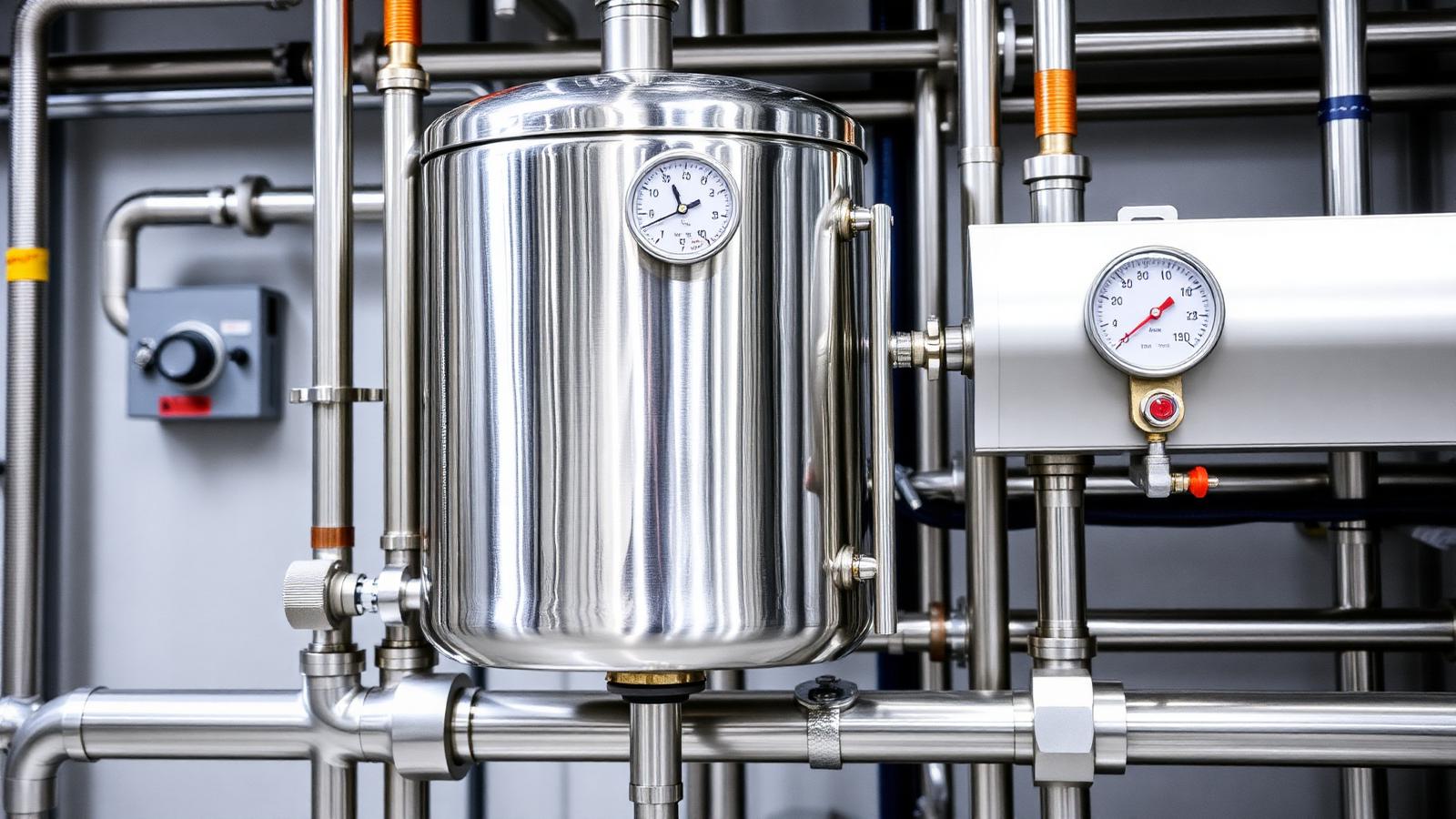
pH Sensor Modbus vs 4-20mA Output — Industrial pH sensor and transmitter installed on process pipework
Industrial pH sensor and transmitter installed on process pipework

The Case for 4-20mA Current Loops

The 4-20mA current loop remains the 'de facto' standard in UK plant rooms due to its inherent simplicity and 'fail-to-safe' characteristics. In a pH monitoring application, the sensor transmitter converts the high-impedance Millivolt signal from the glass electrode into a robust current signal. A reading of 4mA typically represents pH 0, while 20mA represents pH 14. If the signal drops to 0mA, the control system immediately identifies a loop failure or cable break, providing an essential safety interlock for acid/alkali dosing pumps.

From a commissioning perspective, 4-20mA systems are straightforward. For engineers following BSRIA BG29/21 guidelines for water treatment, the ability to quickly verify a sensor’s output using a basic handheld loop calibrator is invaluable. Unlike digital protocols, there are no baud rates, parity bits, or slave IDs to configure, which can significantly reduce time-to-site for M&E contractors who may not have specialist networking expertise.

  • True linear relationship between hydrogen ion concentration and current.
  • Ease of troubleshooting with a standard multimeter.
  • Compatibility with virtually every BMS and PLC on the UK market.
  • Zero-drop signal over distances up to 1,000 metres with quality screening.

Frequently asked questions

Is Modbus more reliable than 4-20mA in high-interference environments?

While 4-20mA is more susceptible to EMI (electromagnetic interference), Modbus RTU uses a balanced differential signal (RS-485) which is inherently more robust over long cable runs in electrically noisy plant rooms.

What wiring is required for a Modbus pH sensor?

A standard 4-20mA pH loop typically requires a 2-core screened cable. A Modbus RS-485 network requires a 4-core cable (two for power, two for data) with an overall screen.

Can I use M12 connectors for both signal types?

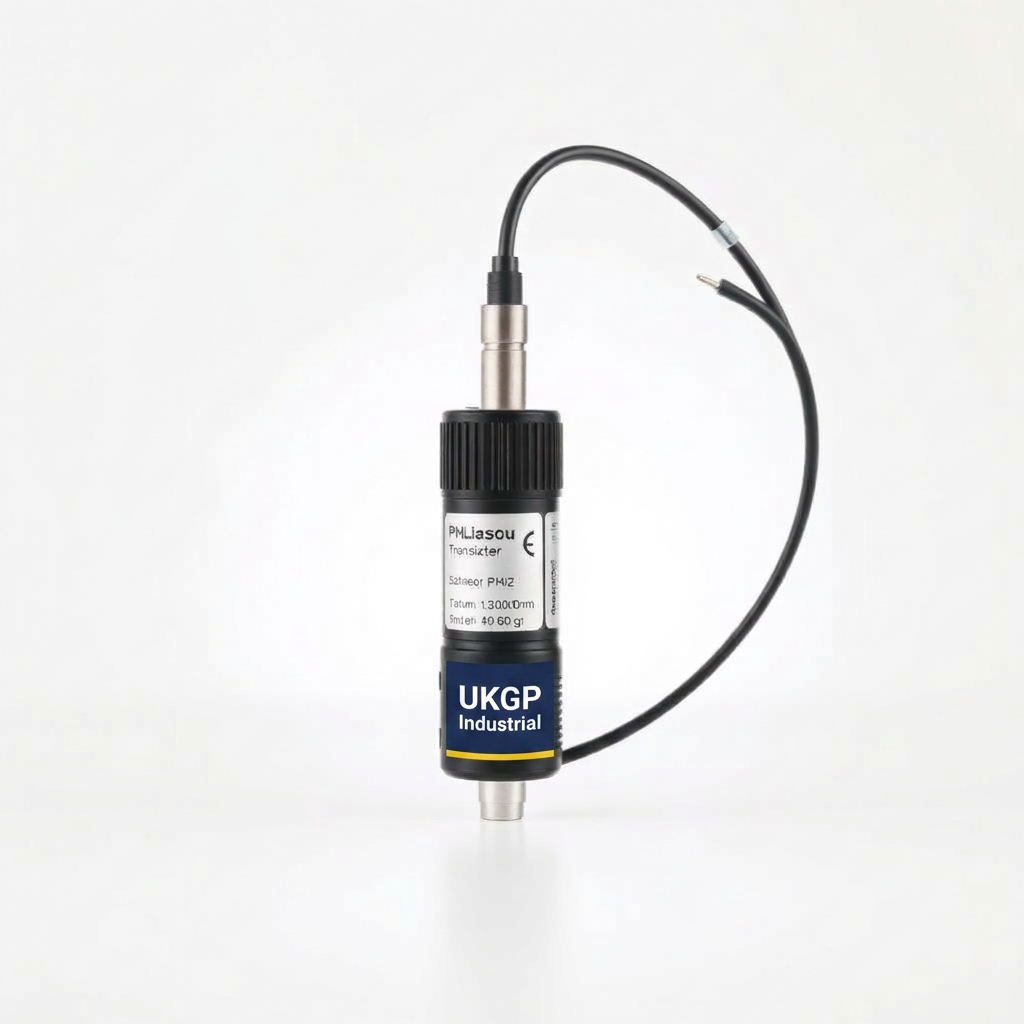
Yes, Many UKGP Industrial transmitters utilise M12 quick-connect systems which allow for rapid sensor replacement without disrupting the permanent field wiring back to the PLC.

Can I run both signals simultaneously?

Absolutely. In many legacy plant rooms, engineers use a local pH transmitter to convert the Millivolt signal to 4-20mA for the BMS, while simultaneously using a Modbus gateway for high-level data logging.
Keep reading

Related articles

pH sensor transmitters

Industrial pH Sensor Transmitters in Plant Room Engineering

For building services engineers managing large-scale HVAC, cooling terminals, or industrial effluent, pH monitoring is the first line of defence against asset degradation. A pH sensor is more than a simple probe; in a modern plant room context, it is a precision electrochemical instrument that converts chemical activity into a standardised electrical signal. This guide examines the mechanics of pH measurement, the transition toward smart M12 quick-connect electronics, and the critical role of pH monitoring in maintaining system longevity under BSRIA and CIBSE guidelines.

Read
pH sensor transmitters

Precision pH Measurement in Industrial Building Services

For building services engineers managing HVAC systems, cooling towers, and industrial wastewater, monitoring pH is not merely a box-ticking exercise; it is a critical safeguard against asset degradation and regulatory non-compliance. A drift in pH can lead to rapid pipework corrosion, scaling of heat exchangers, or the failure of chemical dosing regimes. Understanding the underlying electrochemistry of pH sensors, and the advantages of modern smart transmitters, is essential for maintaining system longevity and operational efficiency. This guide examines the mechanics of pH measurement, focusing on robust, industrial-grade solutions required for the UK plant room environment.

Read
pH sensor transmitters

Advanced Guidance: How to Use a pH Sensor in Industrial Systems

For the building services engineer, pH monitoring is the first line of defence against asset degradation. Whether managing a cooling tower, an industrial wastewater discharge, or a critical process loop, accurate pH measurement dictates the efficacy of chemical dosing and the longevity of heat exchangers. This technical guide examines the application of modern pH sensor transmitters, focusing on M12 digital electronics and the move away from high-impedance coaxial cabling toward robust, field-swappable smart technology.

Read
Request Quote