Regulatory Framework and Technical Standards
The installation of pH monitoring equipment within UK plant rooms must align with rigorous technical standards to ensure long-term system integrity. For building services engineers, the primary drivers are BSRIA BG29/21 and BG50. These documents highlight pH as a key performance indicator for the prevention of corrosion and scale in closed-loop systems. A pH shift outside the 9.0 to 10.5 range in steel systems, or 7.0 to 8.5 in aluminium-containing systems, can lead to rapid catastrophic failure of heat exchangers and boiler tubes.
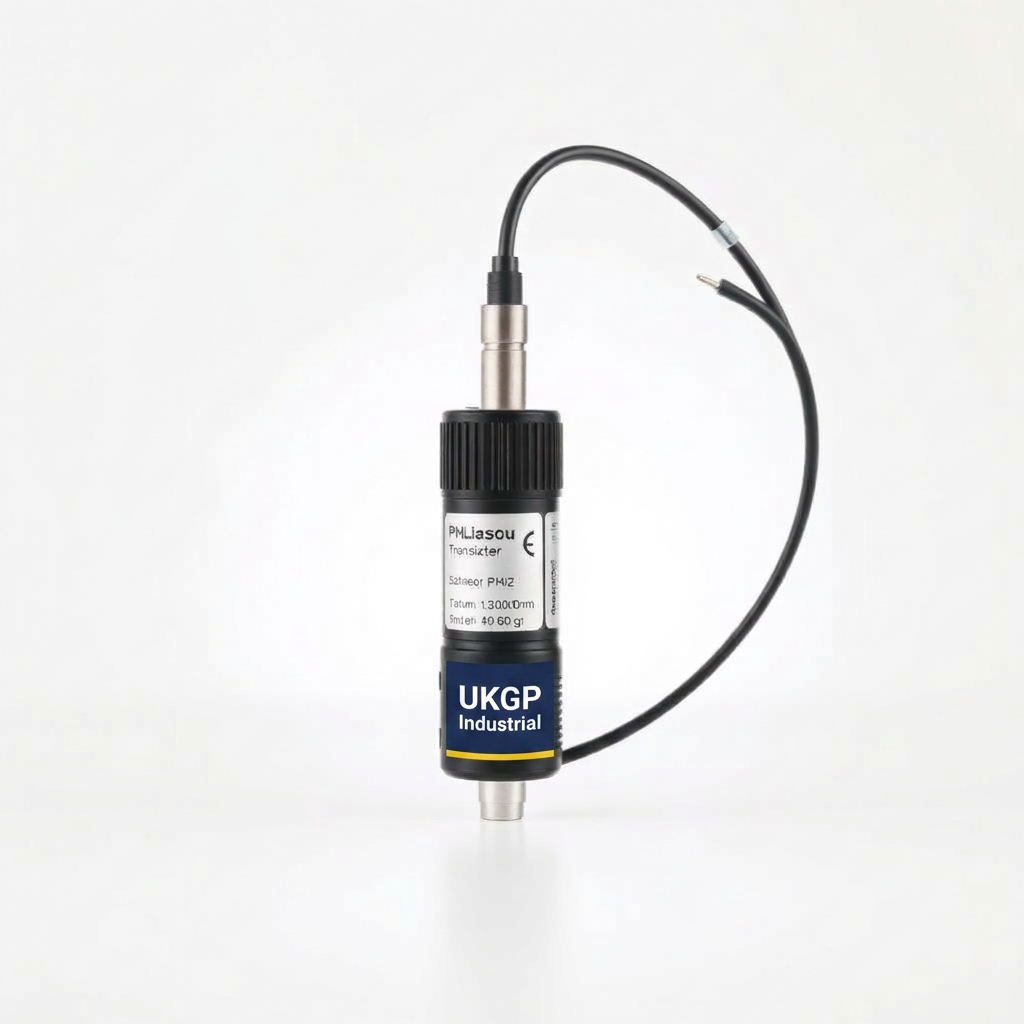
From an electrical standpoint, the integration of pH transmitters into Building Management Systems (BMS) or Programmable Logic Controllers (PLC) must adhere to BS 7671. The transition to M12 smart electronics has simplified this by providing standardised IP67/68 connections that reduce the risk of signal interference—a common issue with high-impedance pH cables used in legacy installations. These digital or 4-20mA smart transmitters ensure that data integrity is maintained over longer cable runs without the need for external pre-amplifiers.
Environmental compliance is another critical factor. Under the Water Resources Act, industrial wastewater discharge must fall within specific pH parameters (typically 6.0 to 9.0) before entering the sewerage network. Installation of pH sensors at the final effluent point is not merely a process requirement but a legal necessity for many UK industrial sites. Ensuring these sensors are installed in accessible, representative flow areas is vital for accurate reporting to water authorities.
- BS EN 60751 for temperature compensation accuracy.
- BSRIA BG29/21 guidelines for pre-commissioning cleaning and monitoring.
- BSRIA BG50 for the ongoing water treatment of closed heating and cooling systems.
- The IET Wiring Regulations (BS 7671) for low-voltage sensor cabling.
Frequently asked questions
What is the maximum operating pressure for a standard pH sensor?
- Most industrial pH sensors operate optimally within a 0–10 bar pressure range, but the specific rating depends on the electrode's reference junction. For high-pressure closed loops, a pressure-compensated electrode or a flow-through assembly with a pressure-reducing valve is required. Always verify the PN rating of the housing assembly.
Can these sensors be installed in ATEX-rated hazardous areas?
- Under BS EN 60079 standards, sensors installed in explosive atmospheres must be intrinsically safe (ATEX/IECEx rated). This involves using a galvanic isolator or Zener barrier between the transmitter and the PLC to limit energy levels, along with appropriately rated M12 cabling.
How does the M12 smart electronics system simplify calibration?
- M12 quick-connect systems allow for 'Hot Swapping' where a pre-calibrated sensor can be swapped into the process in seconds. This eliminates the need to bring bulky calibration buffers into the plant room, as the calibration data is stored on the sensor's internal memory chip.
How often should pH sensors be calibrated in a typical HVAC primary circuit?
- For heating or cooling systems treated with glycol or film-forming amines, sensors should be inspected monthly. In clean water applications, quarterly calibration is standard. If the response time (Slope) falls below 85%, the electrode should be replaced.