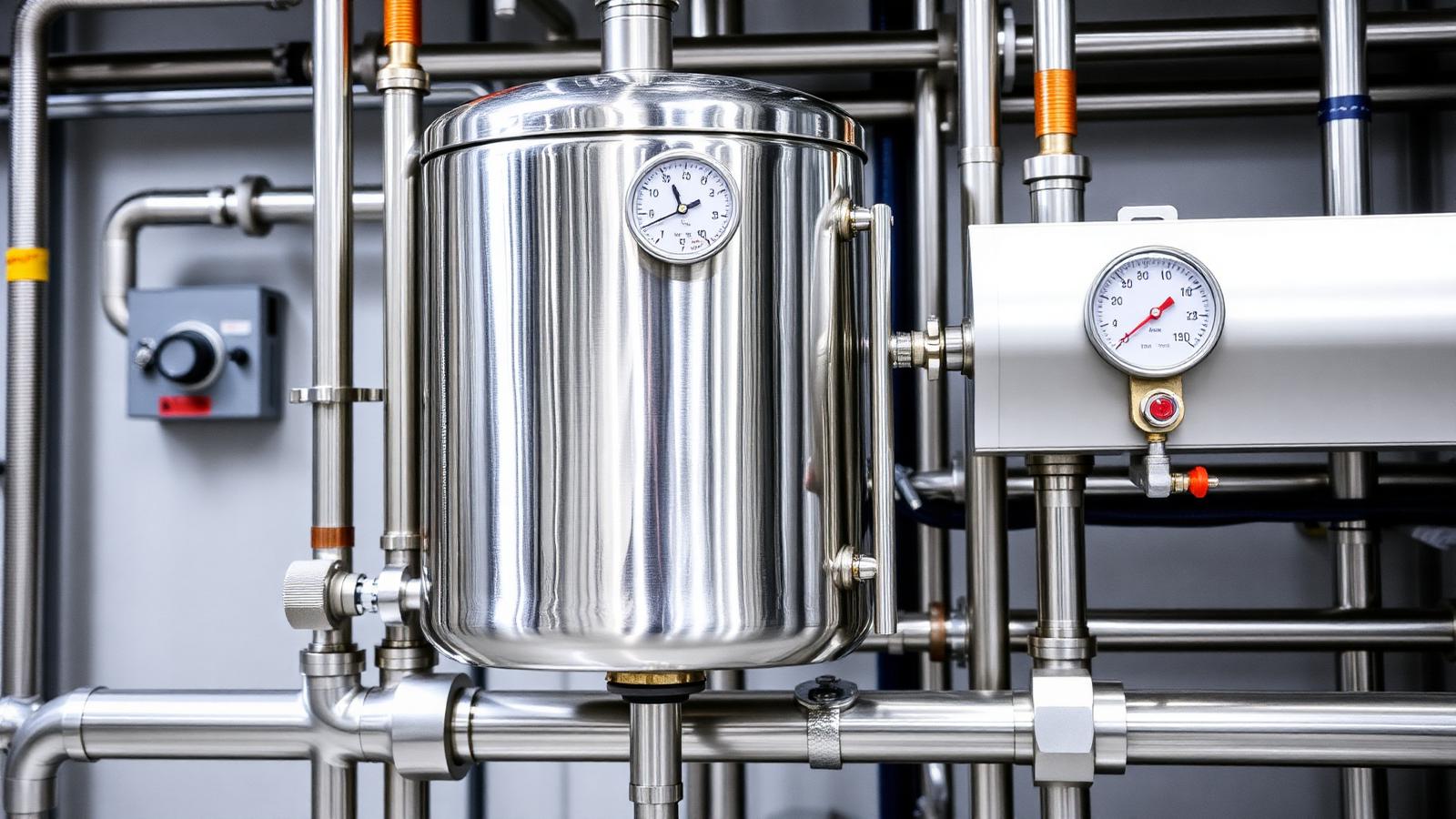
The Role of pH Monitoring in Industrial Water Systems
In the context of UK building services, pH is not merely a chemical variable but a primary indicator of system health. In closed-loop heating and cooling circuits, maintaining an alkaline pH (typically between 8.2 and 10.0 depending on metallurgy) is essential to promote the formation of a stable oxide layer on steel surfaces. Failure to monitor this parameter leads to rapid pitting, microbial proliferation, and the eventual failure of heat exchangers and circulators.
For industrial process engineers, pH control is often a regulatory requirement. Wastewater discharge into the public sewer system must strictly adhere to the pH limits set by the local water utility (typically between 6 and 10). Continuous monitoring via robust sensor transmitters ensures that neutralisation skids operate efficiently, preventing costly fines and damage to the sewerage infrastructure.
In open-loop systems like cooling towers, pH directly influences the solubility of mineral salts. As water evaporates, the concentration of dissolved solids increases; without precise pH-driven blowdown control, calcium carbonate scale will rapidly foul condenser tubes, resulting in a catastrophic drop in COP for the associated chillers.
- Real-time corrosion monitoring in LTHW and CHW systems.
- Automated acid/base dosing for wastewater neutralisation.
- Scaling prevention in industrial cooling towers and spray booth systems.
- Compliance with environmental discharge permits (Environment Agency/Water Authority).
Advancements in Smart Transmitter Electronics
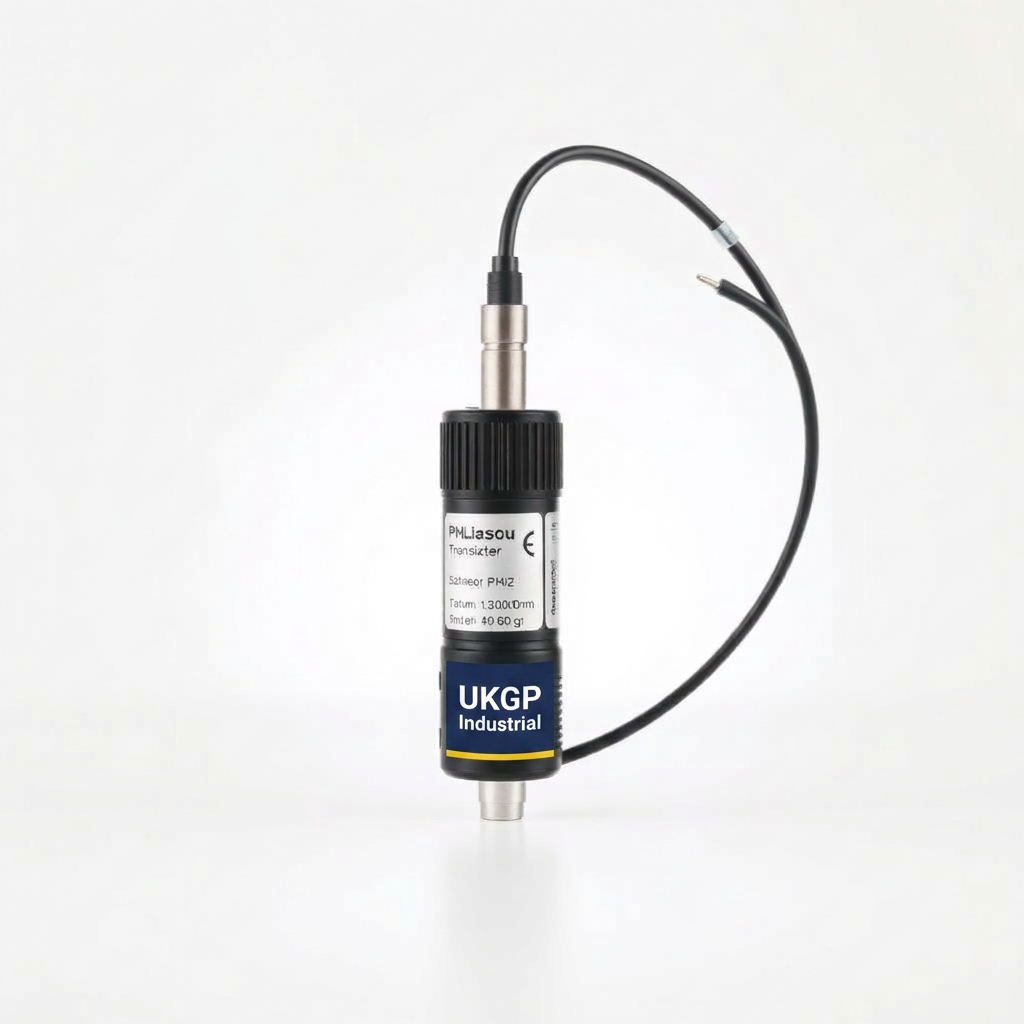
Traditional pH measurement relied on high-impedance mV signals transmitted via fragile coaxial cables. These systems were notoriously susceptible to electromagnetic interference (EMI) from VFDs and heavy-duty pump motors commonly found in plant rooms. The modern standard has shifted towards integrated digital transmitters that convert the mV signal to a robust 4-20mA or RS485 Modbus signal directly at the sensor head.
UKGP Industrial pH sensor transmitters utilise the M12 connector standard, which offers an IP67-rated waterproof connection. This physical disconnect allows facilities managers to replace sensors in seconds without opening the main control panel or disturbing the fixed wiring. By digitising the signal at the point of measurement, the 'noise' associated with long cable runs is virtually eliminated, ensuring stable readings even in electrically noisy environments.
Furthermore, these smart transmitters incorporate automatic temperature compensation (ATC). Since the pH of a solution is temperature-dependent, the transmitter uses an internal thermistor to adjust the output signal. This is critical in process applications where water temperatures may fluctuate between 5°C and 80°C throughout a production cycle.
- High-impedance signal conversion at the source.
- M12 quick-connect cabling for rapid field replacement.
- Integrated temperature compensation (PT100/PT1000).
- Galvanic isolation to prevent ground loop interference.
Frequently asked questions
How often should M12 smart pH sensors be calibrated?
- In heavy industrial or wastewater applications, sensors should be calibrated monthly. For closed-loop heating or cooling systems with stable chemistry, quarterly calibration is often sufficient, provided the transmitter's diagnostic alerts are monitored.
What are the advantages of M12 digital transmitters over traditional coaxial pH probes?
- M12 quick-connect systems allow for 'hot-swapping' sensors without rewiring the junction box. The integrated transmitter in UKGP Industrial units converts the high-impedance mV signal to 4-20mA locally, eliminating the need for expensive, noise-sensitive coaxial cabling back to the BMS.
What pressure limits apply to industrial pH sensors?
- Standard pH glass electrodes are typically rated up to 6 bar at 25°C. For industrial boiler blowdown or high-pressure process lines, high-pressure rated probes and retractable holders (hot-taps) must be specified to prevent glass impedance failure.
Why is pH monitoring critical for closed-loop HVAC systems?
- Low pH (acidic) water accelerates the corrosion of steel and copper components. High pH (alkaline) water can lead to scale formation and, in the case of aluminium heat exchangers often found in modern plant rooms, can cause rapid metal loss through amphoteric corrosion. Control via accurate sensing is vital for BSRIA BG50 compliance.