The Shift to M12 Smart Electronics
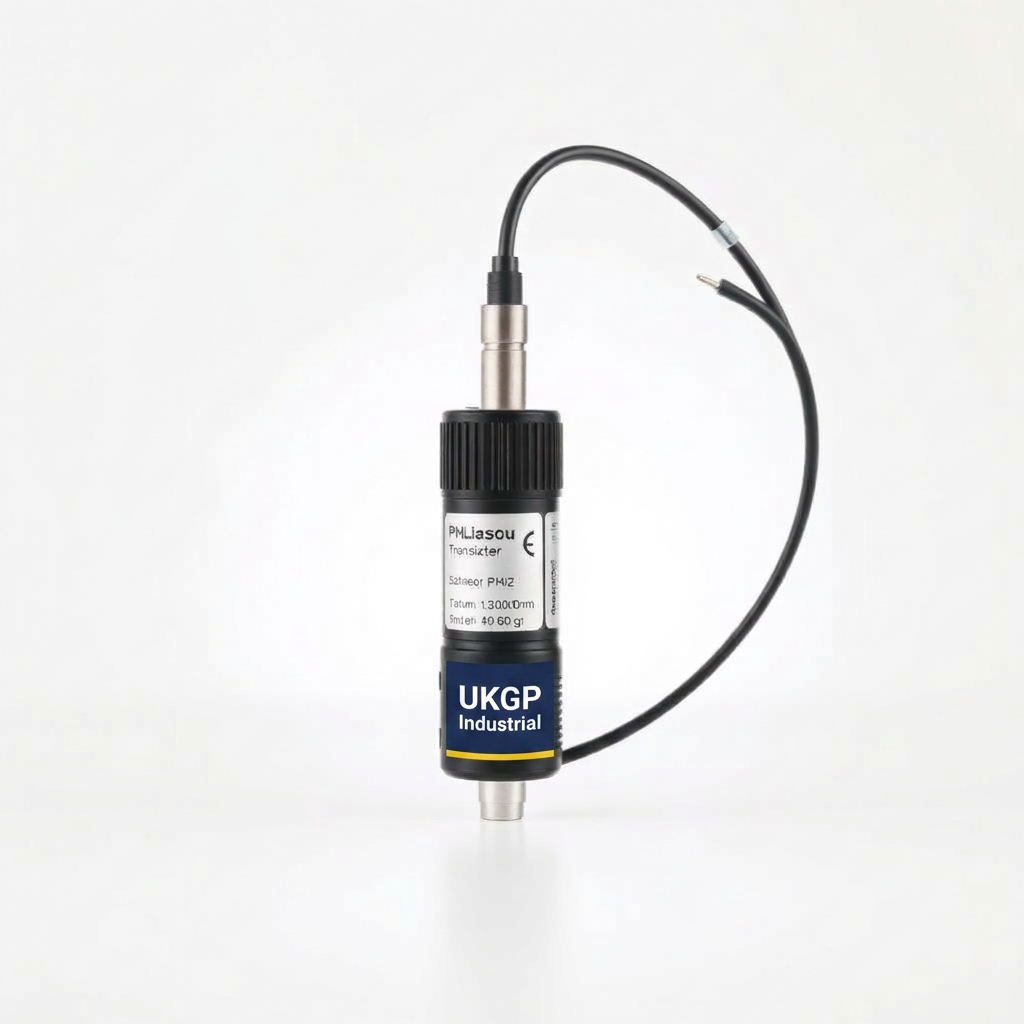
Historically, pH measurement in plant rooms relied on raw millivolt signals transmitted over coaxial cables. These signals are highly sensitive to moisture and electromagnetic interference (EMI) from nearby pumps and VSDs. The transition to M12 quick-connect digital transmitters has fundamentally changed the reliability of these measurements. By converting the sensitive high-impedance signal into a robust digital or 4-20mA output directly at the sensor head, the risk of signal attenuation is virtually eliminated.
UKGP Industrial pH transmitters utilise these M12 connections to facilitate rapid deployment. In critical building services applications, such as large-scale chilled water circuits or steam boiler feed-water, the ability to hot-swap a pre-calibrated sensor reduces system downtime. Furthermore, the standardised M12 interface ensures a secure, vibration-resistant connection that is essential in industrial environments where pipework vibration is prevalent.
- Minimisation of high-impedance signal interference common in long analogue cable runs.
- Ease of sensor exchange during maintenance cycles without disturbing fixed wiring.
- Enhanced IP-rating (typically IP68) compared to standard BNC connections.
- Integration of digitised calibration data stored on the sensor head.
Integration with PLC and BMS Controllers
Data logging is only as effective as the controller’s ability to interpret the sensor input. Modern industrial pH transmitters typically output a 4-20mA linear signal or utilise Modbus RTU communication. When integrating with a Building Management System (BMS) or a dedicated Programmable Logic Controller (PLC), engineers must ensure the input scaling is precisely matched to the transmitter’s 0-14 pH range. Modbus integration offers the added benefit of transmitting diagnostic data, such as sensor health and temperature, over a single twisted-pair cable.
For facilities managers, logging this data allows for the identification of 'creeping' acidity or alkalinity, which often indicates a failure in chemical dosing or system contamination. When logging pH in cooling tower applications, the data must be synchronised with biocidal dosing cycles. High pH levels can significantly reduce the efficacy of chlorine-based biocides, making precise logging a prerequisite for L8 compliance and legionella risk management.
Regulatory Compliance and Water Quality Standards
In the UK, the maintenance of water quality in closed-loop systems is governed by BSRIA guidelines. BG50 specifically highlights the importance of pH control in preventing corrosion of metallic components. Aluminium heat exchangers, for instance, are highly sensitive to pH levels exceeding 8.5. Continuous data logging provides the audit trail required to prove that these thresholds have not been breached, protecting both the asset and the manufacturer's warranty.
Wastewater discharge also requires rigorous monitoring. Industrial processes discharging to sewers must comply with trade effluent consents issued by water undertakers like Thames Water or United Utilities. These consents often mandate pH limits between 6 and 10. Digital transmitters with integrated data logging serve as a 'black box' for environmental compliance, providing time-stamped evidence of discharge quality that can be presented during inspections.
- BSRIA BG29/21: Pre-commission cleaning of pipework systems.
- BSRIA BG50: Water treatment for closed heating and cooling systems.
- BS EN 12502: Protection of metallic materials against corrosion.
- HSG274: Control of legionella bacteria in water systems.
Optimising System Health with Side-Stream Monitoring
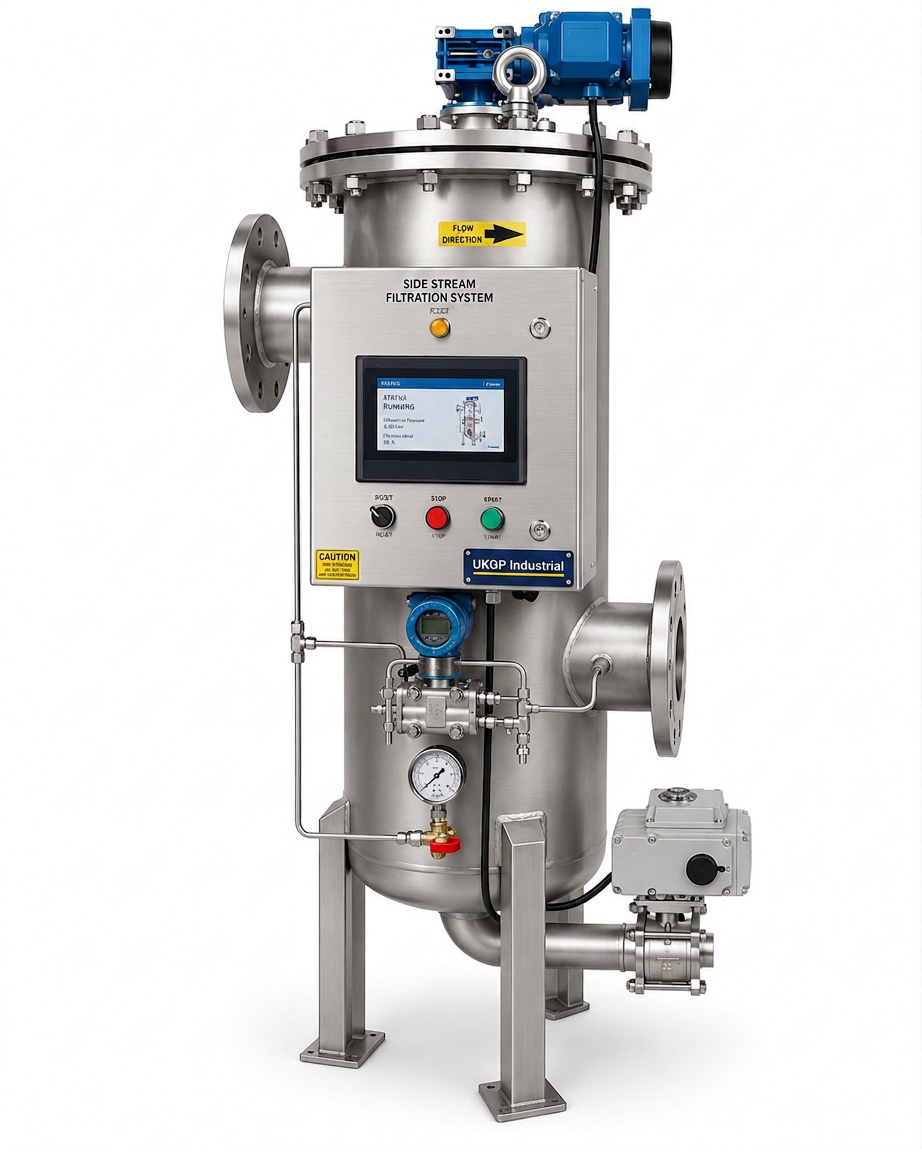
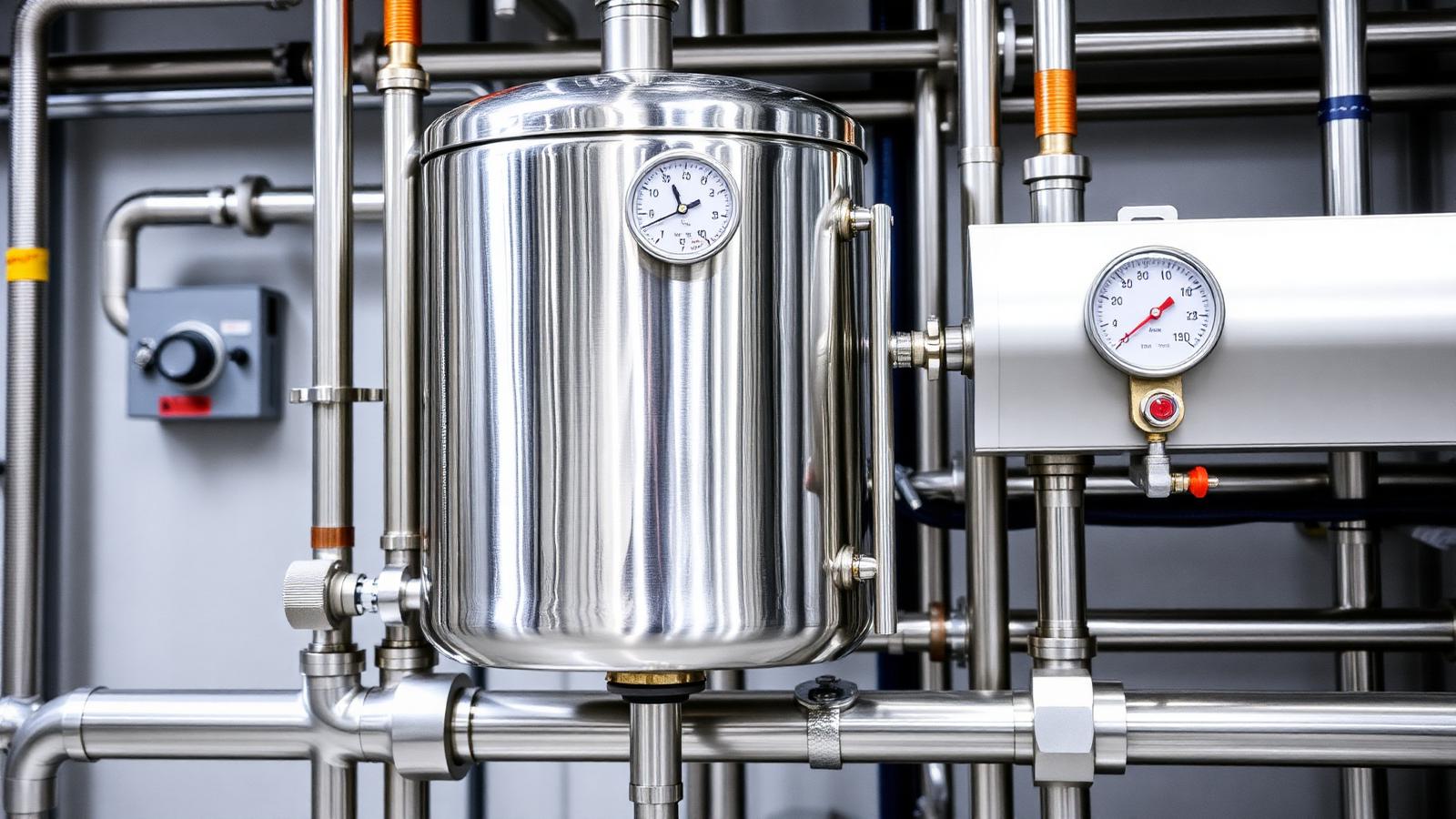
While inline pH sensors offer real-time data, their placement is critical. Installing sensors directly into high-flow main headers can lead to electrode 'sandblasting' from suspended solids. Integrating pH monitoring within a side-stream filtration or bypass loop offers a more stable environment for measurement. This arrangement allows for easier isolation and calibration without shutting down the primary circulating pumps.
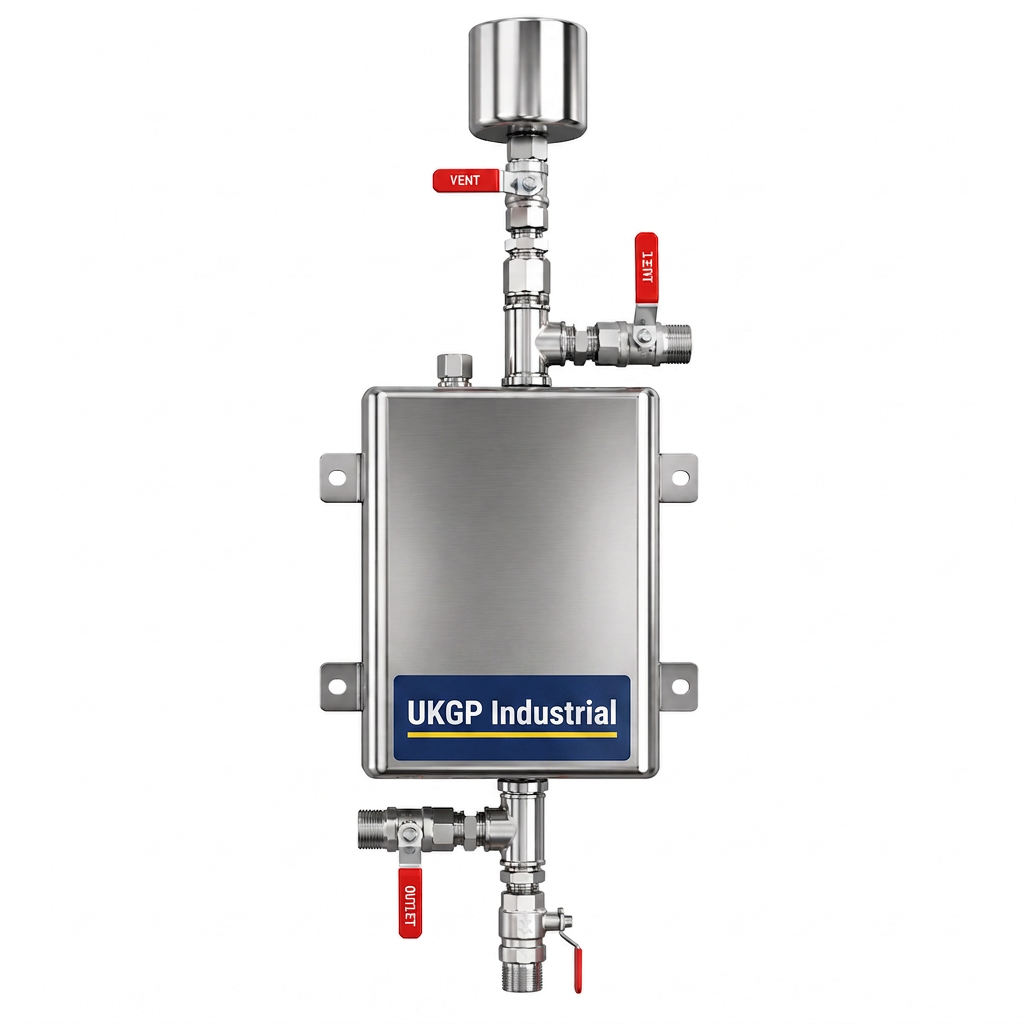
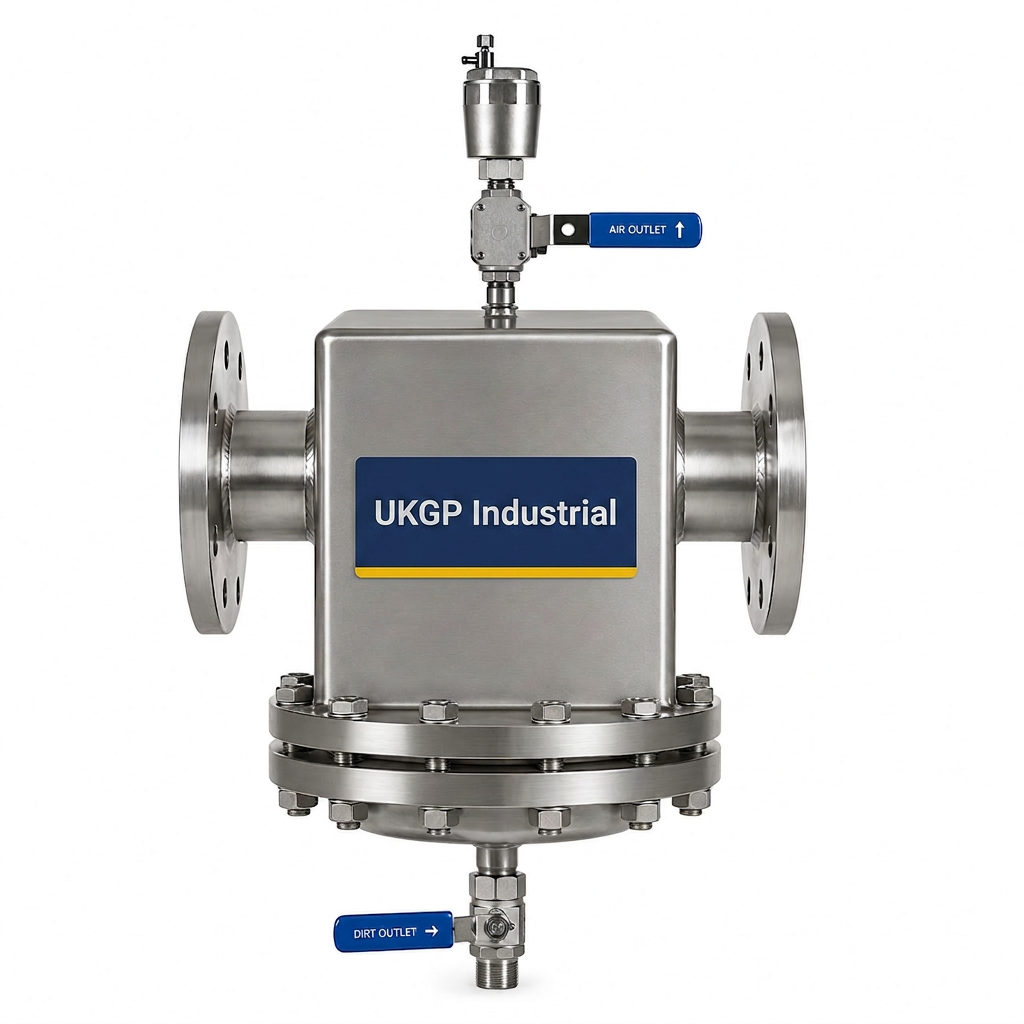
Side-stream assemblies often combine pH transmitters with filtration units and chemical dosing points. By logging pH data immediately downstream of a side-stream filter, engineers can verify the chemical balance of the filtered water before it is reintroduced to the main loop. This holistic approach to water treatment ensures that the pH data logged is representative of the entire system's chemistry, rather than a localised pocket of stagnant water.
Calibration and Maintenance of logged Sensors
The accuracy of logged data is entirely dependent on the calibration regime of the pH transmitter. Over time, pH electrodes undergo 'slope' and 'offset' changes due to the aging of the glass membrane and the depletion of the reference electrolyte. Advanced digital transmitters feature internal memory that logs these calibration events, allowing engineers to track the sensor's lifespan and predict when a replacement will be necessary.
For M&E contractors, a preventative maintenance contract should include quarterly two-point calibrations using certified buffer solutions. Because M12 smart transmitters can be calibrated in a workshop environment and then brought to the site, the time spent in the plant room is minimised. This 'lab-to-pipe' workflow ensures the highest possible accuracy for the data logging system, reducing the risk of false alarms or, conversely, undetected corrosion events.
- Standardised buffer solutions (pH 4, 7, and 10) for multi-point calibration.
- Regular cleaning of the glass bulb to remove bio-fouling or mineral scaling.
- Checking the reference junction for depletion or poisoning chemicals.
- Verification of temperature compensation accuracy against a calibrated thermometer.
Future-Proofing Plant Room Infrastructure
As building services move towards 'Smart Buildings' and IoT integration, the role of digital pH transmitters will only increase. Future architectures will likely see pH data pushed directly to cloud-based platforms for remote monitoring and AI-driven predictive maintenance. Using sensors with standardised industrial protocols such as 4-20mA or Modbus ensures that today's installations remain compatible with tomorrow's software platforms.
Ultimately, the goal of pH data logging is to move from reactive maintenance to proactive system management. By investing in robust digital transmitters with M12 electronics, engineers can ensure they have the precision data necessary to maintain system efficiency, extend equipment life, and meet the stringent regulatory requirements of the UK building services industry.
Frequently asked questions
Why is the M12 quick-connect preferred in plant-room environments?
- The M12 connector provides a standard IP67/IP68 rated connection that simplifies sensor replacement. Unlike traditional BNC or screw terminals, it eliminates the risk of high-impedance signal loss and moisture ingress at the terminal head, allowing for fast 'plug-and-play' swaps without re-wiring the transmitter.
How often should pH sensors be calibrated in a typical closed-loop system?
- For most heating and cooling applications, weekly or monthly checks are standard. However, in aggressive chemical processes or wastewater treatment, drift may occur faster. Digital transmitters with diagnostic indicators can signal when calibration is required rather than relying on a fixed schedule.
What are the maximum cable lengths for pH signal transmission?
- Standard industrial pH transmitters typically support cables up to 100 metres when using 4-20mA loops. For longer runs or high-noise environments, Modbus RTU (RS485) is recommended as it allows for significant distances without signal degradation.
Do I need a separate temperature probe for accurate pH logging?
- Temperature significantly affects pH electrode slope (Nernst equation). High-quality transmitters use integrated PT100/PT1000 sensors within the pH probe to provide automatic temperature compensation (ATC), ensuring the logged 25°C equivalent value remains accurate.