WATER TREATMENT & PROCESS CONTROL

Determining Industrial pH Sensor Calibration Frequency

In industrial water treatment, cooling tower chemistry, and wastewater management, the accuracy of pH measurement is the linchpin of system integrity. While modern M12 smart transmitters have revolutionised signal stability, the electrochemical nature of pH electrodes dictates a rigorous calibration regime. For the UK building services engineer, establishing the correct frequency is not merely a matter of following a manual; it requires an assessment of process drift, fouling rates, and the critical nature of the application. This guide examines the technical variables that dictate calibration intervals and how modern UKGP Industrial smart electronics are streamlining these essential maintenance tasks.

10 June 2026 6 min readpH sensor transmitters
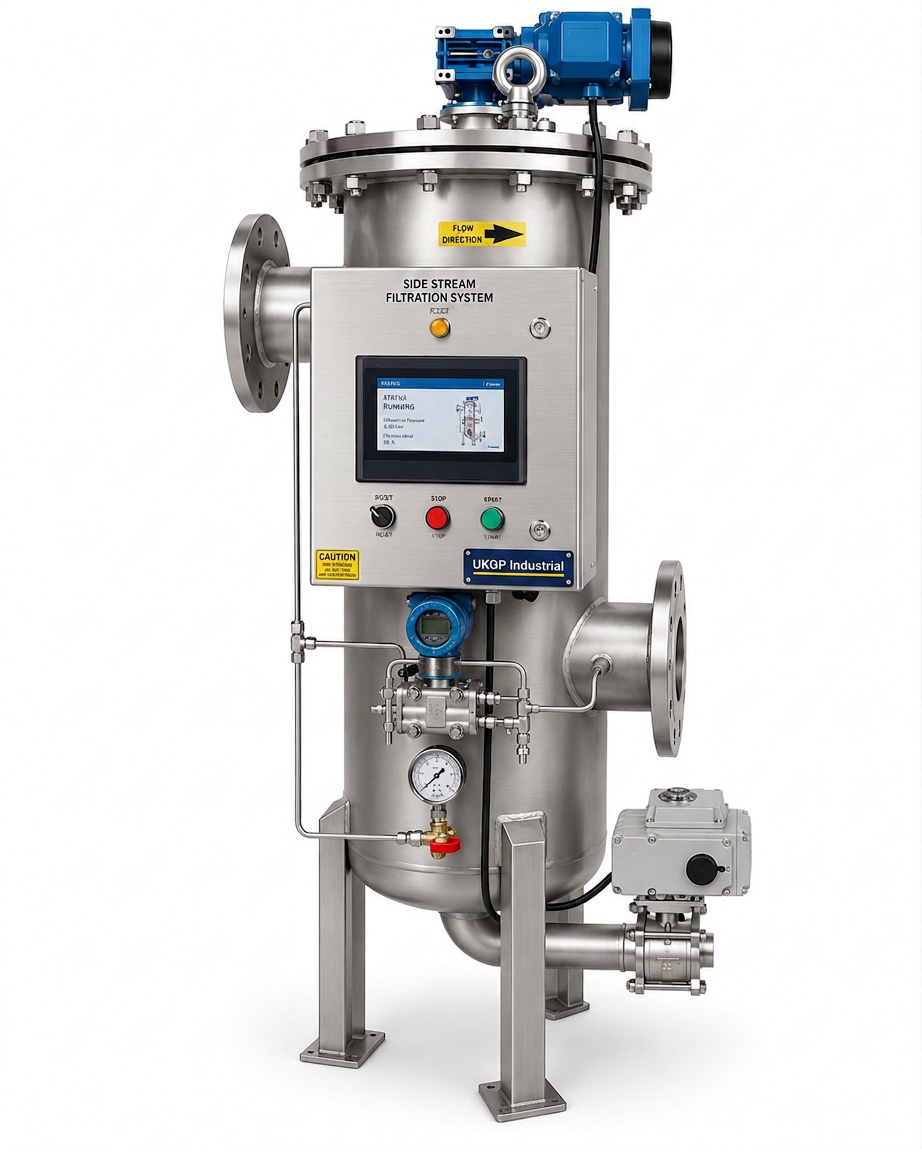
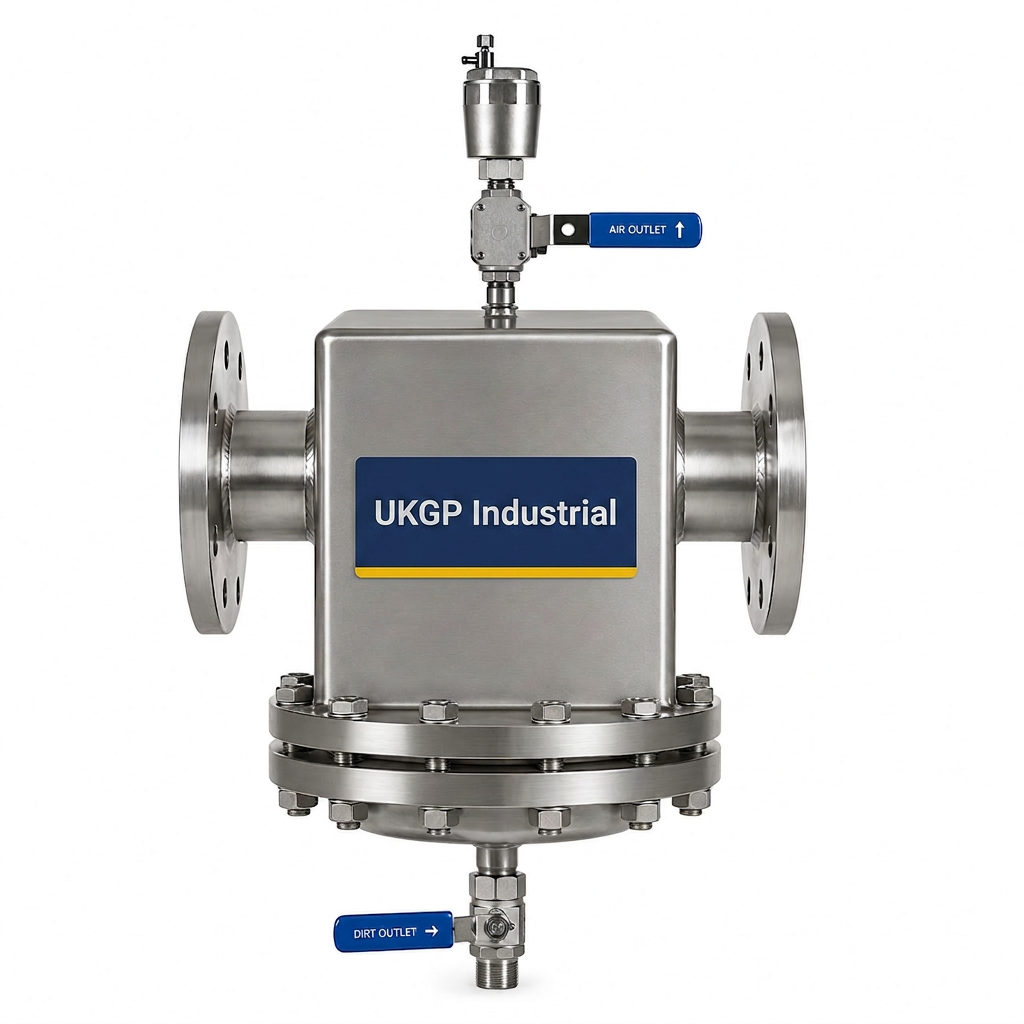
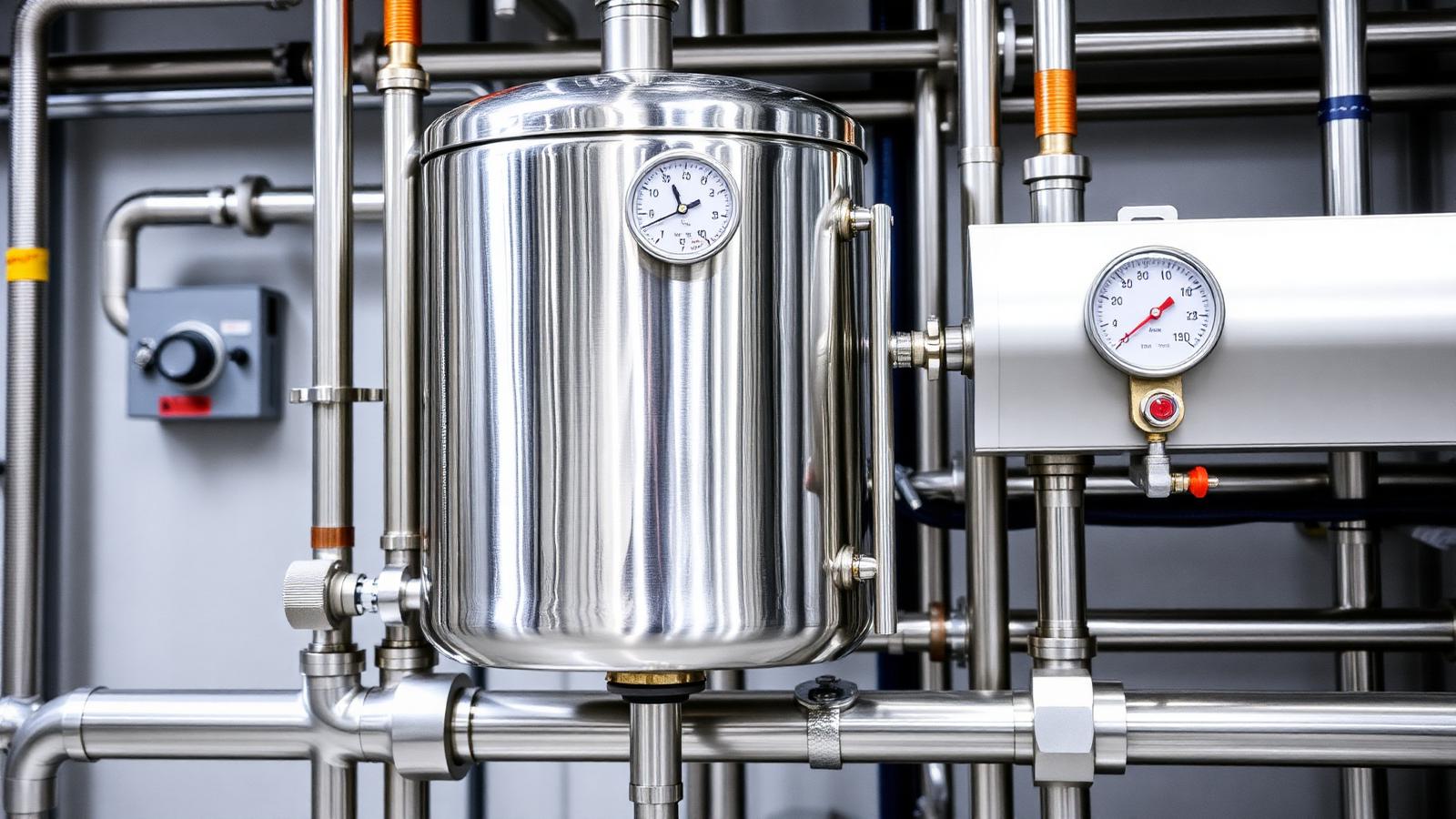
Determining Industrial pH Sensor Calibration Frequency — Industrial pH sensor and transmitter installed on process pipework
Industrial pH sensor and transmitter installed on process pipework

The Variables Affecting Measurement Stability

The frequency of calibration is fundamentally driven by the rate of degradation of the electrochemical cell. A pH sensor is a consumable item that produces a millivolt signal relative to the hydrogen ion activity. In a perfect environment, this follows the Nernst equation, but in industrial plant rooms, variables such as flow velocity, pressure, and chemical composition constantly erode the sensor's accuracy. If a sensor is installed in a closed-loop chilled water system with stable chemistry, drift may be negligible over several months. Conversely, in a trade effluent plant with fluctuating caustic levels, the sensor may require weekly attention.

For M&E contractors and FMs, understanding 'Offset' and 'Slope' is critical. Offset (the mV reading at pH 7) indicates the health of the reference electrode, while Slope (the efficiency of the glass membrane) indicates how accurately the sensor reflects changes in acidity or alkalinity. Monitoring these values during the calibration process provides the data necessary to extend or shorten service intervals based on evidence rather than guesswork.

  • Drift in the Reference Junction: The internal electrolyte slowly depletes or becomes contaminated.
  • Glass Membrane Ageing: The hydration layer on the pH-sensitive glass changes over time, affecting response speed.
  • Chemical Coating: Scales such as calcium carbonate or oil films physically insulate the probe.
  • Temperature Fluctuations: Expansion and contraction of the internal elements can shift the isopotential point.

Frequently asked questions

Should I perform a single-point or two-point calibration?

Calibration should always be performed using at least two points (typically pH 4.01 and 7.00 or 10.01) that bracket the expected operating range. Always rinse the probe with deionised water between buffers to prevent cross-contamination.

How often should pH electrodes be replaced?

Standard industrial pH electrodes typically last 12 to 24 months depending on the process temperature and chemical aggressiveness. Rapid fluctuations or high temperatures (above 60°C) will significantly shorten this lifespan.

Can smart transmitters eliminate the need for calibration?

No. Calibration compensates for the natural ageing of the electrode's glass membrane and reference junction. Without it, the signal drift will lead to inaccurate dosing and potential plant damage.

What is the best way to store a pH sensor during plant shutdown?

Store the sensor in a dedicated storage solution (typically 3M KCl). Never store a pH probe in deionised or distilled water, as this leaches the ions from the reference electrolyte and permanently damages the junction.
Keep reading

Related articles

pH sensor transmitters

Industrial pH Sensor Transmitters in Plant Room Engineering

For building services engineers managing large-scale HVAC, cooling terminals, or industrial effluent, pH monitoring is the first line of defence against asset degradation. A pH sensor is more than a simple probe; in a modern plant room context, it is a precision electrochemical instrument that converts chemical activity into a standardised electrical signal. This guide examines the mechanics of pH measurement, the transition toward smart M12 quick-connect electronics, and the critical role of pH monitoring in maintaining system longevity under BSRIA and CIBSE guidelines.

Read
pH sensor transmitters

Precision pH Measurement in Industrial Building Services

For building services engineers managing HVAC systems, cooling towers, and industrial wastewater, monitoring pH is not merely a box-ticking exercise; it is a critical safeguard against asset degradation and regulatory non-compliance. A drift in pH can lead to rapid pipework corrosion, scaling of heat exchangers, or the failure of chemical dosing regimes. Understanding the underlying electrochemistry of pH sensors, and the advantages of modern smart transmitters, is essential for maintaining system longevity and operational efficiency. This guide examines the mechanics of pH measurement, focusing on robust, industrial-grade solutions required for the UK plant room environment.

Read
pH sensor transmitters

Advanced Guidance: How to Use a pH Sensor in Industrial Systems

For the building services engineer, pH monitoring is the first line of defence against asset degradation. Whether managing a cooling tower, an industrial wastewater discharge, or a critical process loop, accurate pH measurement dictates the efficacy of chemical dosing and the longevity of heat exchangers. This technical guide examines the application of modern pH sensor transmitters, focusing on M12 digital electronics and the move away from high-impedance coaxial cabling toward robust, field-swappable smart technology.

Read
Request Quote