The Evolution of pH Monitoring in Plant Environments
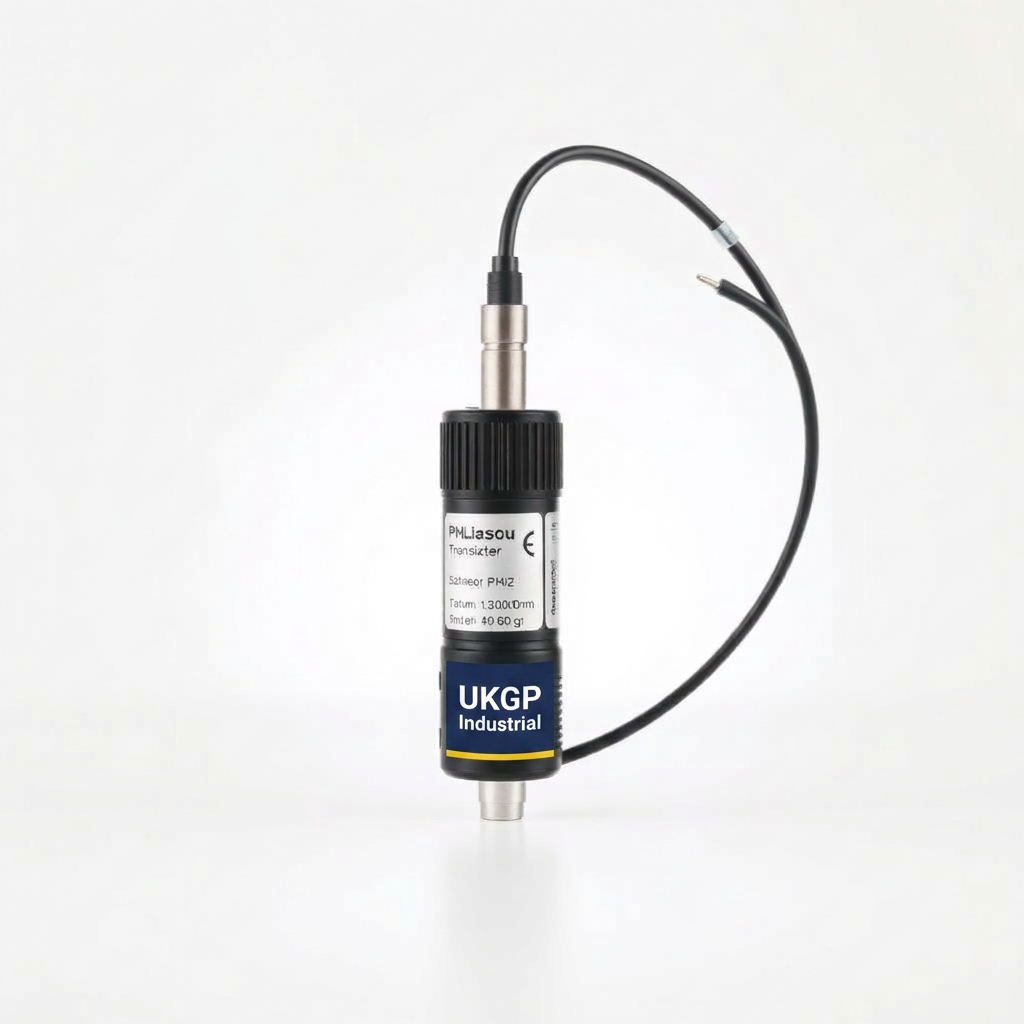
For decades, building services engineers have grappled with the limitations of analogue pH probes. Standard high-impedance signals are notoriously susceptible to electromagnetic interference (EMI) from nearby variable speed drives (VSDs) and heavy pump motors. Moving the signal conversion from the controller to the sensor head via an integrated transmitter resolves these issues by sending a robust digital or 4-20mA signal down the line.
The M12 connector interface has become the de facto standard in industrial automation for its vibration resistance and reliability. In the context of pH monitoring, the M12 quick-connect allows for a 'plug-and-play' approach. This is particularly beneficial in UK plant rooms where space is at a premium and the time required for traditional cable stripping and terminal wiring is a significant labour cost.
- Elimination of low-impedance signal interference common with BNC cables.
- Integration of temperature compensation (PT100/PT1000) within a single connection.
- Faster commissioning for M&E contractors during site handover.
- Enhanced ingress protection (IP67/68) compared to screw-terminal heads.
Frequently asked questions
Can M12 connectors handle high-humidity plant room environments?
- M12 connectors typically carry an IP67 or IP68 rating, making them suitable for plant rooms and industrial bays where wash-downs or high humidity are common. This is a significant upgrade over traditional BNC or S8 connectors which are prone to corrosion.
Are these sensors compatible with my existing BMS?
- While some smart transmitters are designed to be universal, digital protocols (like Modbus or IO-Link) often require compatible receivers. However, UKGP Industrial smart sensors often output standard 4-20mA signals, ensuring backward compatibility with most UK BMS and PLC hardware.
How often do M12 smart sensors require calibration?
- Ideally, monthly. However, with 'Smart' data logging, engineers can move toward predictive maintenance, only calibrating when the sensor's internal diagnostics indicate a shift in slope or zero-point.
Is there a standard pin configuration for these sensors?
- The standard M12 A-coded 4-pin or 5-pin configuration is the industry norm for these transmitters, allowing for easy sourcing of replacement lead sets.