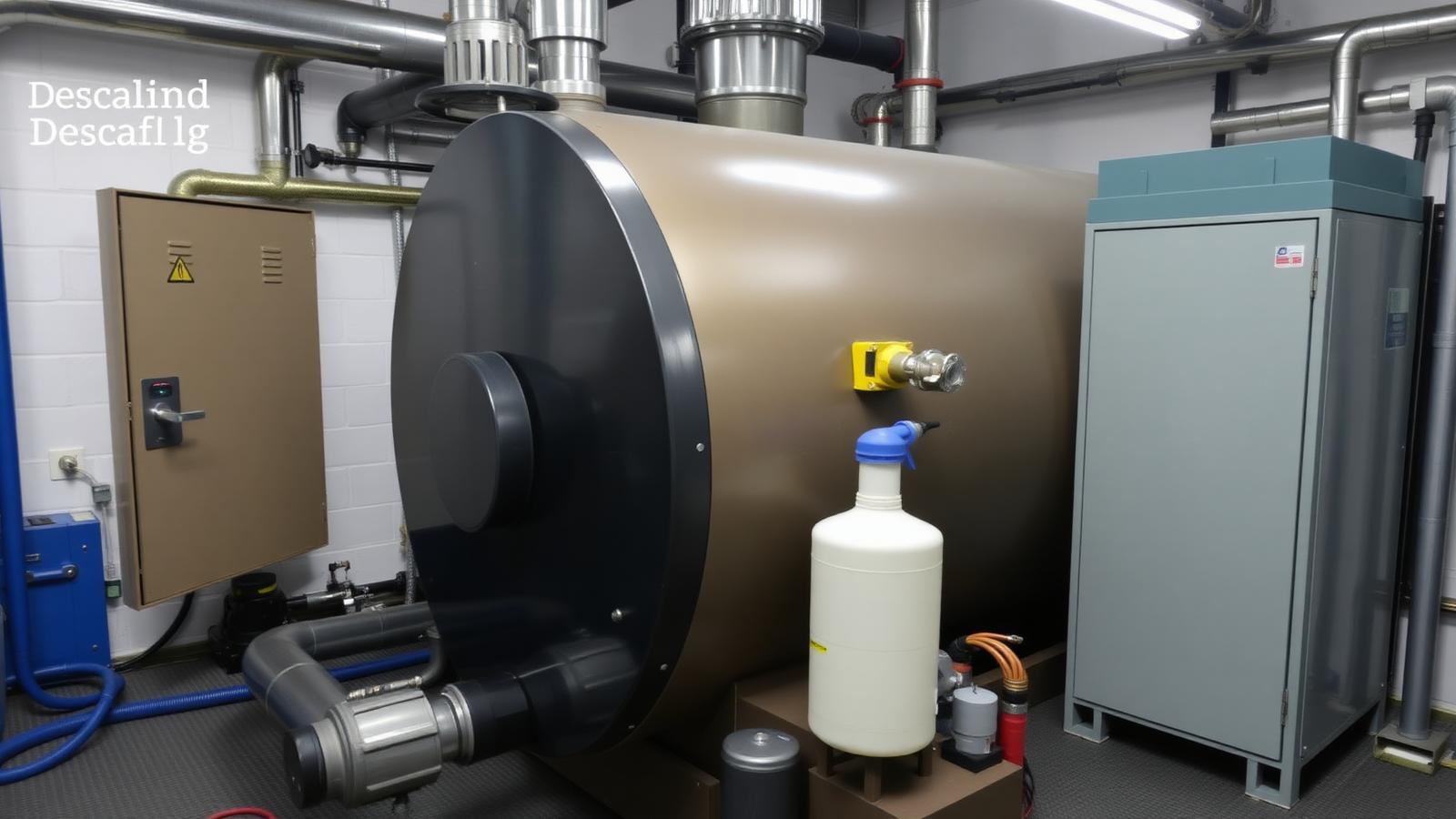
The Impact of Limescale in Commercial Boiler Systems
In the UK, hard water areas pose a significant risk to the longevity and efficiency of high-duty heating plant. Limescale, primarily composed of calcium carbonate, precipitates out of the water when heated, forming a hard, insulating crust on heat exchanger surfaces. This thermal barrier prevents efficient heat transfer from the burner to the system water, forcing the burner to fire longer and harder to achieve the required set point. For facility managers, a limescale commercial boiler scenario translates directly into increased carbon emissions and soaring utility bills. Even a 1.5mm layer of scale can reduce thermal efficiency by up to 12%, a cost that scales rapidly in large-scale residential blocks or industrial facilities where boiler outputs exceed 500kW.
Beyond the immediate energy penalties, the internal accumulation of scale causes localized overheating of the heat exchanger metal. This thermal stress often leads to hairline fractures, material fatigue, and ultimately, catastrophic failure of the primary heat exchanger. Replacing a commercial boiler is a capital-intensive project that most UK FM budgets cannot accommodate unexpectedly. Furthermore, as scale flakes off, it travels through the circuit, contributing to blockages in sensitive components like thermostatic mixing valves (TMVs) and small-bore pipework. Maintaining system integrity requires a proactive approach that moves beyond reactive repairs toward a comprehensive water quality management strategy that aligns with CIBSE and BSRIA recommendations for closed-loop systems.
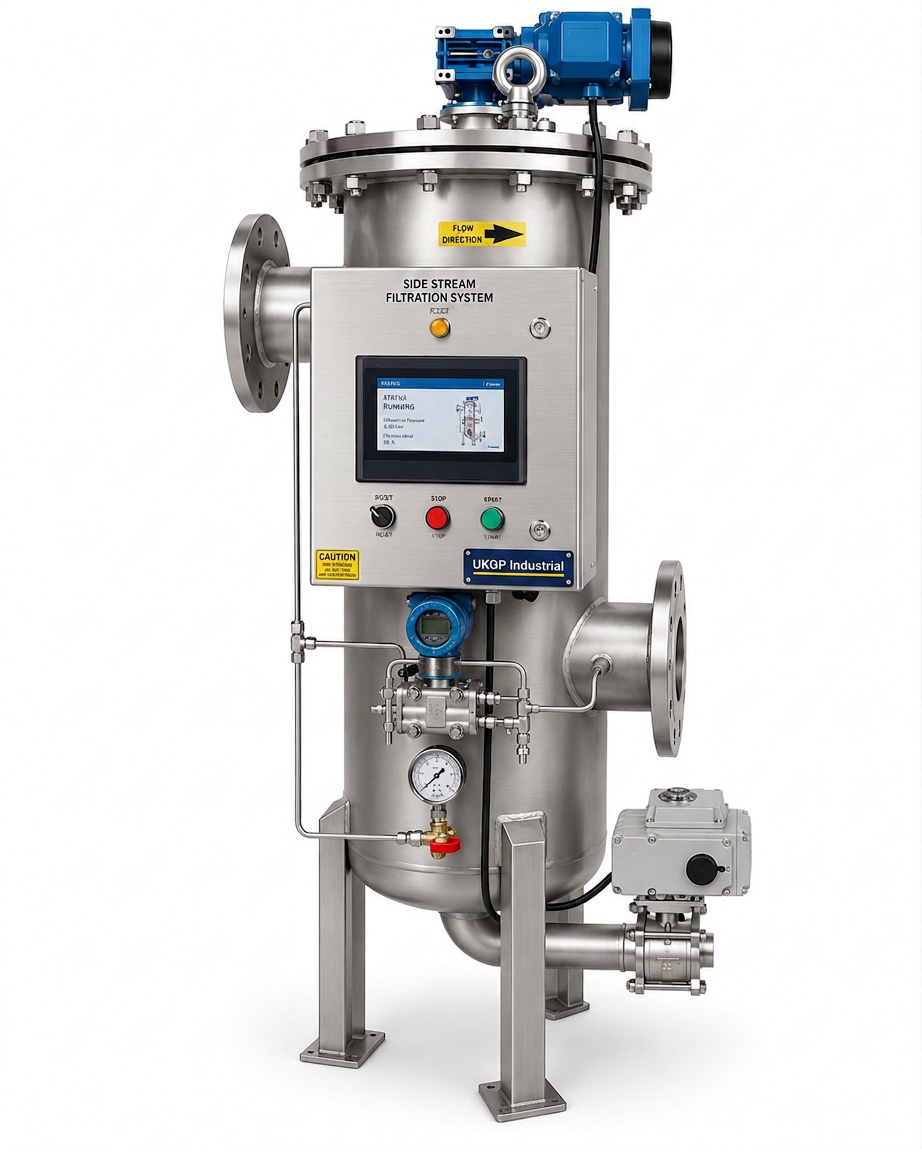
To mitigate these risks, UKGP Industrial provides bespoke solutions designed to strip out contaminants before they can settle. Our made-to-order side stream filtration skids, starting from £6,800+VAT, are specifically engineered to handle the flow rates of a modern commercial plant room. With a typical 6-8 week lead time, these units are an essential investment for any site manager struggling with hard water symptoms. By integrating high-quality filtration and chemical dosing early in the plant lifecycle, you effectively future-proof the equipment against the most common causes of downtime. Each skid is backed by a 2-year warranty, reflecting our confidence in UK manufacturing standards and the durability of the components we supply to the UK B2B market.
- Significant reduction in seasonal boiler efficiency (SEDBUK).
- Increased risk of heat exchanger cracking due to hot-spotting.
- Higher maintenance costs from frequent descaling interventions.
- Total system shutdown risk during peak winter demand periods.
Identifying Limescale Commercial Boiler Symptoms
Recognising the early symptoms of a limescale commercial boiler problem is vital for preventing permanent damage. One of the most common indicators is 'kettling'—a distinct banging or whistling sound emanating from the boiler casing. This occurs when trapped water between the scale layer and the heat exchanger surface reaches boiling point, creating steam bubbles that collapse violently. If you hear these noises in your plant room, it is a clear sign that the internal surfaces are already compromised and require urgent attention. Ignoring these acoustic warnings often leads to a rapid degradation of the boiler's internal components and can void manufacturer warranties which typically stipulate strict water quality parameters.
A secondary symptom is the noticeable fluctuation in flow temperatures and increased pressure drops across the heat exchanger. As scale narrows the internal waterways, the pump must work harder to circulate water, leading to increased wear on variable speed drives and centrifugal pumps. Monitoring the Delta-T across the boiler is a practical way for engineers to gauge system health; if the temperature differential is widening beyond design specifications without a change in load, scale buildup is a likely culprit. Regular water testing, ideally every six months, should be conducted to check for calcium hardness levels and total dissolved solids (TDS), ensuring the system remains within the thresholds defined by BS 8552 and BSRIA BG50 guidelines.
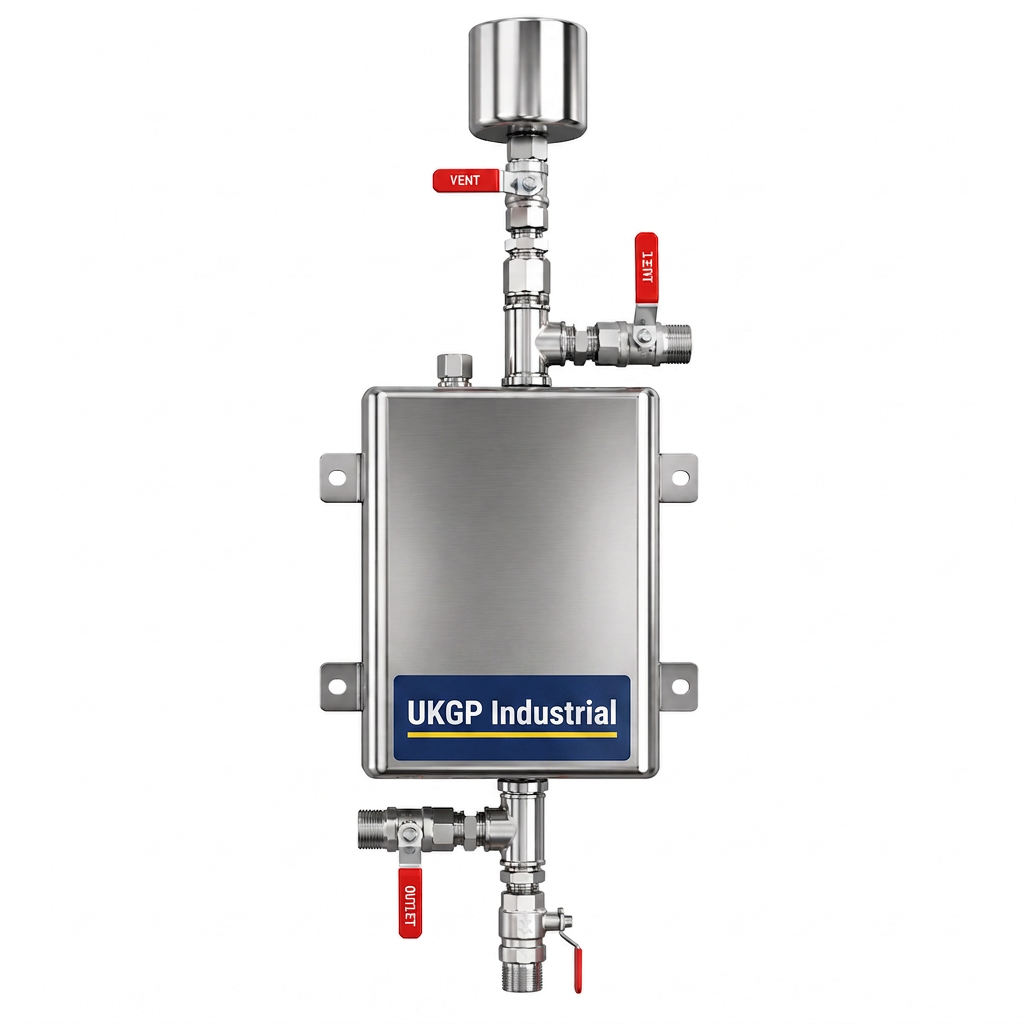
In addition to mechanical noises and thermal issues, keep a close eye on your gas consumption records. An unexplained upward trend in fuel usage, despite consistent heating degree days, is often the first financial symptom of a limescale commercial boiler. When the scale acts as an insulator, the boiler's control logic may compensate by increasing the firing rate, leading to 'short-cycling' where the boiler turns on and off too frequently. This not only wastes fuel but also puts immense strain on the ignition components and gas valves. Addressing these symptoms early with UKGP industrial-grade filtrations skids and dosing pots can save tens of thousands of pounds in avoided replacement costs and fuel wastage over the system's operational life.
- Audible kettling or banging noises during high-fire operation.
- Increasingly high fuel bills without a change in building occupancy.
- Reduced flow rates and fluctuating secondary hot water temperatures.
- Frequent 'overheat' lockout errors on the boiler control panel.
BSRIA BG29 and BG50 Compliance for Scale Control
Compliance with BSRIA BG29 (Pre-commission cleaning) and BG50 (Maintenance of water quality) is not merely a box-ticking exercise; it is the industry standard for ensuring a commercial boiler survives its intended service life. BG50 specifically highlights the importance of continuous monitoring and the use of side stream filtration to maintain water clarity. In hard water areas, chemical inhibitors must be maintained at correct concentrations to keep calcium in suspension, preventing it from bonding to the metal surfaces. Without a robust filtration and dosing regime, the chemical treatment becomes less effective as it reacts with existing debris and scale, creating a sludge that further degrades system performance and accelerates corrosion.
For new installations, the transition from BG29 to BG50 is critical. During the commissioning phase, any residual construction debris can act as a catalyst for scale formation. By installing a dedicated side stream filtration unit during the initial fit-out, M&E contractors can ensure that the system enters its operational phase in the best possible condition. UKGP Industrial offers side stream filtration skids from DN50 to DN100 sizes, ensuring that whether you are managing a small office block or a sprawling hospital complex, the filtration capacity matches the system volume. These units are made to order with a 6-8 week lead time, allowing for perfect integration into the project's mechanical schedule and providing peace of mind for the end user.
Long-term management of a limescale commercial boiler environment involves regular sampling as per BS 8552. This standard provides a framework for water sampling in buildings, ensuring that the data collected is representative of the system's true state. If samples show rising hardness levels, it is a trigger for immediate remedial action—either through additional chemical dosing or by increasing the blowdown frequency of the filtration system. Our technical team at UKGP can assist in selecting the right skid configuration to manage these variables. Investing in a permanent filtration solution is far more cost-effective than repetitive acid cleaning cycles, which can themselves thin the heat exchanger walls and lead to leaks over time.
- Adherence to BSRIA BG50 prevents the accumulation of scale and sludge.
- Continuous side stream filtration removes particles down to 5 microns.
- Correct chemical dosing prevents calcium carbonate precipitation.
- Regular sampling to BS 8552 ensures early detection of water quality drift.
The Role of Side Stream Filtration in Scale Management
Side stream filtration is perhaps the most effective mechanical fix for maintaining a healthy commercial heating circuit. Unlike full-flow filters, which can create significant pressure drops, a side stream skid diverts a portion of the system water (typically 5-15%) through a high-efficiency filter medium before returning it to the main loop. This process continuously 'polishes' the water, removing the suspended solids and micro-bubbles that contribute to scale formation. For a limescale commercial boiler, this constant cleaning action ensures that even if some scale does precipitate, it is quickly captured by the filter rather than settling on the heat exchanger. This keeps the internal surfaces clean and maintains the high thermal conductivity required for energy-efficient operation.
When specifying a filtration unit, the build quality and serviceability are paramount. UKGP Industrial skids are designed with the plant room engineer in mind, featuring clear pressure gauges to indicate when a filter change is required and easy-access housings for rapid maintenance. Our DN50 to DN100 units are assembled in the UK, supporting local engineering while providing a robust solution that far outlasts cheap imported alternatives. With prices starting from £6,800+VAT, the return on investment is often realized within the first two years through fuel savings alone. Furthermore, the 2-year warranty ensures that your capital expenditure is protected against manufacturing defects, a critical consideration for procurement leads and facility managers overseeing high-value assets.
Incorporating side stream filtration also simplifies the chemical management of the system. By removing the physical debris that often 'soaks up' chemical inhibitors, the water treatment becomes more efficient, requiring lower volumes of chemicals to achieve the same level of protection. This synergy between mechanical filtration and chemical treatment is the gold standard for commercial boiler care. If you are currently dealing with a limescale commercial boiler, retrofitting a UKGP skid is the most effective way to halt the damage and restore system performance. We recommend contacting our Surrey-based team to discuss your specific flow requirements and lead times, which are currently averaging 6 to 8 weeks for custom-made units.
- Continuous polishing of system water without main-line pressure loss.
- Rapid removal of suspended solids that encourage scale nucleation.
- Reduction in chemical consumption through improved water clarity.
- Robust UK construction with DN50 to DN100 flanged connections.
Comparing Mechanical and Chemical Fixes
When faced with a limescale commercial boiler, there is often a debate between using purely chemical descalers versus mechanical filtration units. Chemical descaling involves circulating an acidic solution through the boiler to dissolve existing scale. While effective as a 'emergency' fix, it is a reactive measure that does nothing to prevent the scale from returning. Moreover, the aggressive nature of descaling acids can weaken gaskets and seals, potentially leading to leaks post-treatment. It is much more commercially viable to invest in a preventative mechanical solution like a side stream filtration skid, which provides 24/7 protection and prevents the scale from forming in the first place, thus avoiding the need for high-risk chemical flushing.
Fixed-price maintenance contracts often overlook the long-term benefits of hardware upgrades like dosing pots and filtration skids. However, for the FM looking to reduce total cost of ownership, the data is clear: mechanical prevention is cheaper than chemical cure. A UKGP side stream filtration system, made to order for your specific site, ensures that the water quality remains high without constant manual intervention. Our units are designed to be low-maintenance, requiring only periodic filter changes and visual checks. This contrasts sharply with the labor-intensive process of monitoring and replenishing chemicals in a system that is constantly losing water or accumulating sludge due to poor filtration.
For contractors and consultants, specifying the right equipment at the design stage is crucial. A system designed with a UKGP side stream filtration skid (priced from £6,800+VAT) and a properly sized chemical dosing pot will outperform a 'standard' install every time. Not only does this protect the boiler manufacturer's warranty, but it also establishes a reputation for delivering high-performance, low-maintenance plant rooms. With a 2-year warranty and a 6-8 week lead time, these units are easily integrated into standard construction timelines. Ultimately, a balanced approach combining high-quality mechanical kit with a disciplined water treatment regime is the only way to effectively manage the threat of a limescale commercial boiler in hard water regions.
- Chemical descaling is a reactive, temporary measure with potential risks.
- Mechanical filtration offers 24/7 proactive protection against scale.
- Properly specified hardware reduces long-term labor and chemical costs.
- UKGP equipment provides a 2-year warranty for long-term peace of mind.
Specifying the Right Solution for Your Plant Room
To effectively solve a limescale commercial boiler issue, the filtration solution must be correctly sized. A filter that is too small for the system volume will fail to clean the water effectively, while an oversized unit may be an unnecessary capital expense. UKGP Industrial offers a range of skids from DN50 up to DN100, ensuring we can cater to everything from small modular boiler setups to large-scale district heating energy centres. Our technical team works closely with consultants to review flow rates and system volumes, ensuring the specified skid provides the optimal turnover of water to maintain BSRIA BG50 compliance. This bespoke service is why so many UK engineering firms trust us for their side stream filtration needs.
Lead times are a critical factor in any commercial project. At UKGP, we understand that plant room upgrades often happen during tight summer shutdowns or as part of urgent remedial works. Our made-to-order skids typically have a 6-8 week lead time, which is among the most competitive for UK-manufactured industrial water treatment equipment. We encourage FMs and contractors to plan ahead; by securing a quote for a side stream filtration unit starting from £6,800+VAT today, you can ensure the protection is in place before the high-demand winter heating season begins. Every day a boiler runs with poor water quality is a day its lifespan is being significantly shortened by scale and corrosion.
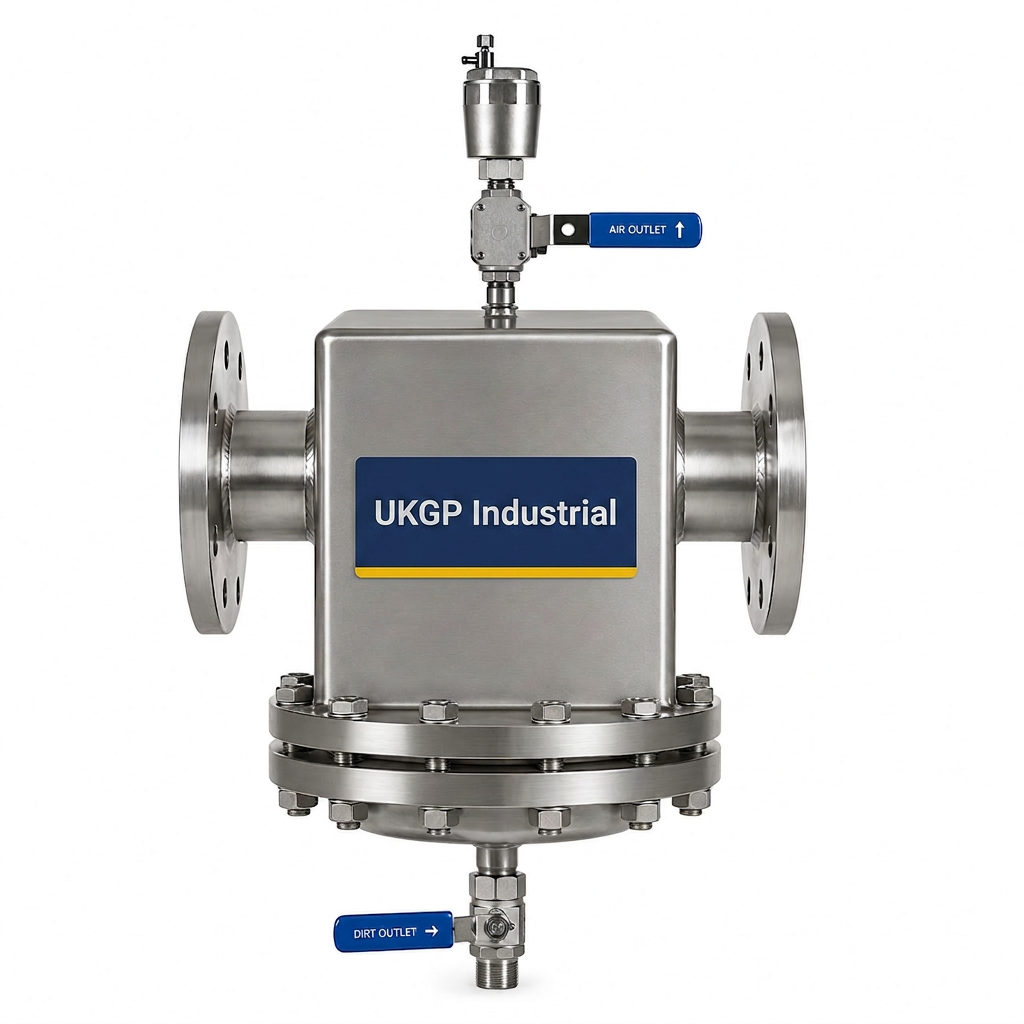
In conclusion, managing a limescale commercial boiler requires a combination of early symptom recognition, adherence to industry standards like BSRIA BG50, and the installation of high-quality mechanical protection. UKGP Industrial is proud to support the UK building services industry with robust, Surrey-made equipment that stands the test of time. Whether you need a side stream skid, a dosing pot, or an air and dirt separator, our products are built to the highest standards and backed by a comprehensive 2-year warranty. Contact us to discuss your project requirements today and take the first step toward a scale-free, efficient plant room that delivers reliable heat for years to come.
- Selection of DN50 to DN100 sizes to match specific system requirements.
- Consultative approach to ensure compliance with BSRIA and CIBSE.
- Competitive 6-8 week lead times for bespoke UK manufacturing.
- Robust 2-year warranty included on all filtration skid orders.
Frequently asked questions
How much does a commercial side stream filtration skid cost?
- UKGP Industrial side stream filtration skids typically start from £6,800+VAT. Prices vary based on the connection size (DN50 to DN100) and specific site requirements, as all units are made to order.
What is the lead time for UKGP filtration equipment?
- Our industrial water treatment equipment, including side stream filtration skids and dosing pots, is manufactured in the UK with a standard lead time of 6 to 8 weeks.
Can limescale damage be reversed in a commercial boiler?
- While chemical descaling can remove some existing scale, the thermal stress and material fatigue caused by a limescale commercial boiler are often permanent. Prevention via side stream filtration and BG50 compliance is always the better commercial strategy.
Does BSRIA BG50 require side stream filtration?
- BSRIA BG50 strongly recommends the use of side stream filtration as a primary means of maintaining water quality and preventing the buildup of scale and sludge in closed-circuit heating and cooling systems.
What is the warranty period for UKGP Industrial products?
- We provide a 2-year warranty on our side stream filtration skids, giving facility managers and contractors long-term confidence in the durability of our UK-built solutions.