Understanding the Standards for Corrosion Control
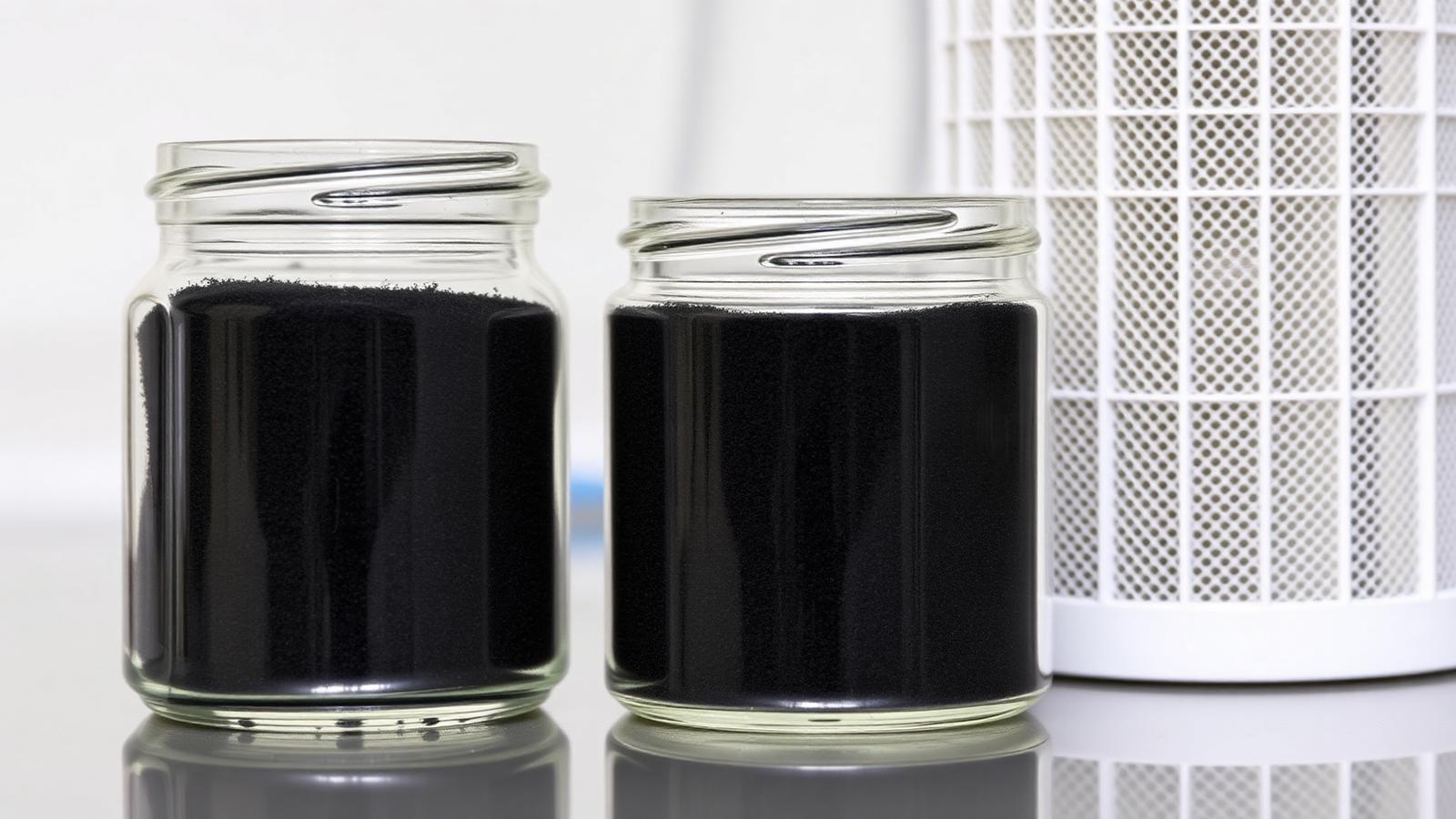
In the UK's commercial HVAC sector, heating system corrosion prevention is governed by rigorous technical frameworks, most notably BSRIA BG50 and CIBSE CP1. These documents outline the necessity of maintaining water chemistry through proactive monitoring and mechanical intervention. Failing to manage dissolved oxygen and suspended solids leads to the formation of magnetite, a black iron oxide sludge that significantly impairs heat transfer efficiency. For procurement leads and plant room engineers, understanding these standards is not just a matter of compliance but a critical step in preserving the lifespan of high-value internal components like boilers and pumps.
The shift from traditional chemical dosing alone toward a more holistic approach involving mechanical filtration is now standard practice across the South East and beyond. Current UK regulations emphasise that a well-designed system must address both the chemical and physical drivers of corrosion. High-velocity systems are particularly prone to erosion-corrosion if debris is not effectively captured. By referencing BS 8552 for water sampling and BSRIA BG29 for pre-commission cleaning, designers can ensure a baseline of cleanliness. However, the ongoing challenge remains the operational phase, where water quality can degrade rapidly without the correct plant room infrastructure in place.
Selecting the right equipment for heating system corrosion prevention requires a detailed analysis of system volume and flow rates. It is no longer sufficient to install a basic magnet; modern specifications demand skid-mounted solutions that combine magnetic separation with fine particle filtration. This integrated approach ensures that even microscopic particles, which often act as catalysts for further microbial growth and oxidative reactions, are removed from the loop. For M&E contractors, specifying a UKGP manufactured solution translates to lower maintenance call-outs and a more reliable handover to the end client, ensuring the building operates at its peak thermodynamic potential.
- Strict adherence to BSRIA BG50:2021 guidelines for water quality management.
- Compliance with BS 8552 water sampling techniques for consistent data monitoring.
- Mitigation of internal pitting and scale build-up via mechanical filtration.
- Reduction in carbon emissions through maintained heat transfer efficiency.
Side Stream Filtration and System Integrity
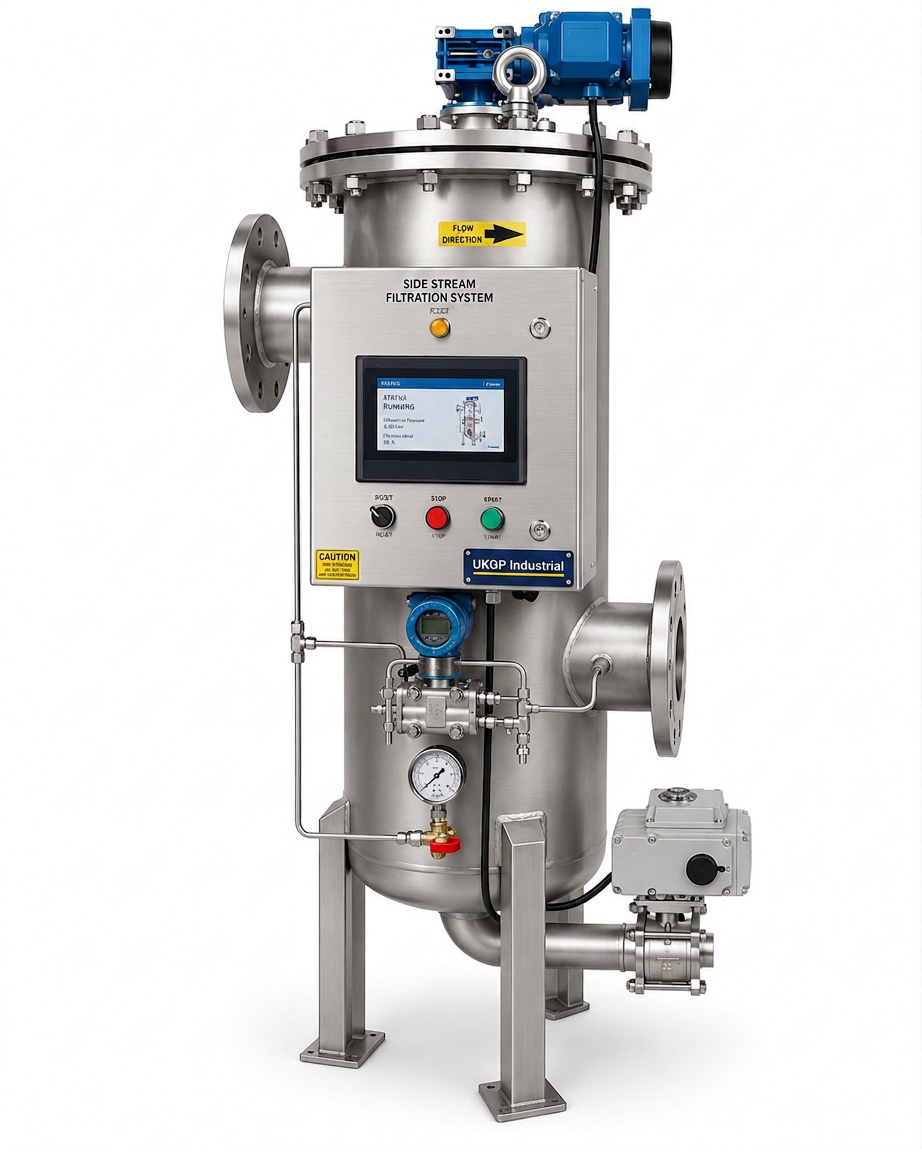
A critical component in any heating system corrosion prevention strategy is the implementation of a side stream filtration skid. Unlike full-flow filters, which can introduce prohibitive pressure drops, side stream units divert a portion of the circulating water through a high-efficiency bypass loop. This allows for continuous cleaning of the system water without compromising the primary flow. UKGP Industrial specialises in manufacturing these skids from DN50 up to DN100 sizes, often starting from approximately £6,800+VAT. These units are made to order in our Surrey facility with a typical lead time of 6-8 weeks, providing a bespoke fit for specific project requirements.
When specifying these units, engineers must look for features that simplify maintenance, such as high-intensity magnetic rods and 5-micron bag filters. The capture of both metallic and non-metallic debris is vital because non-magnetic particulates can still cause significant damage to delicate control valves and secondary heat exchangers. UKGP skids are designed with ease of access in mind, allowing facility managers to perform filter changes without system shutdowns. Each unit carries a 2-year warranty, reflecting the build quality necessary for the demanding environments of UK schools, hospitals, and high-rise commercial offices where uptime is the ultimate priority.
The commercial case for side stream filtration is compelling when compared to the cost of acid cleaning or component replacement. A single pump failure or a blocked heat exchanger can cost thousands in reactive repairs and lost productivity. By investing in a robust heating system corrosion prevention asset early in the design or retrofit phase, building owners see a rapid return on investment. Our skids are engineered to meet the exact demands of British plant rooms, ensuring that the water quality remains within the narrow ranges specified by boiler manufacturers, thus protecting warranties and ensuring long-term thermal performance throughout the heating season.
- Continuous particle removal down to 5 microns to prevent sludge accumulation.
- Magnetic separation to target black iron oxide (magnetite) specifically.
- Bypass design ensures zero impact on primary system hydraulic balance.
- UK-manufactured quality from DN50 to DN100 bespoke specifications.
The Role of Chemical Dosing in Water Treatment
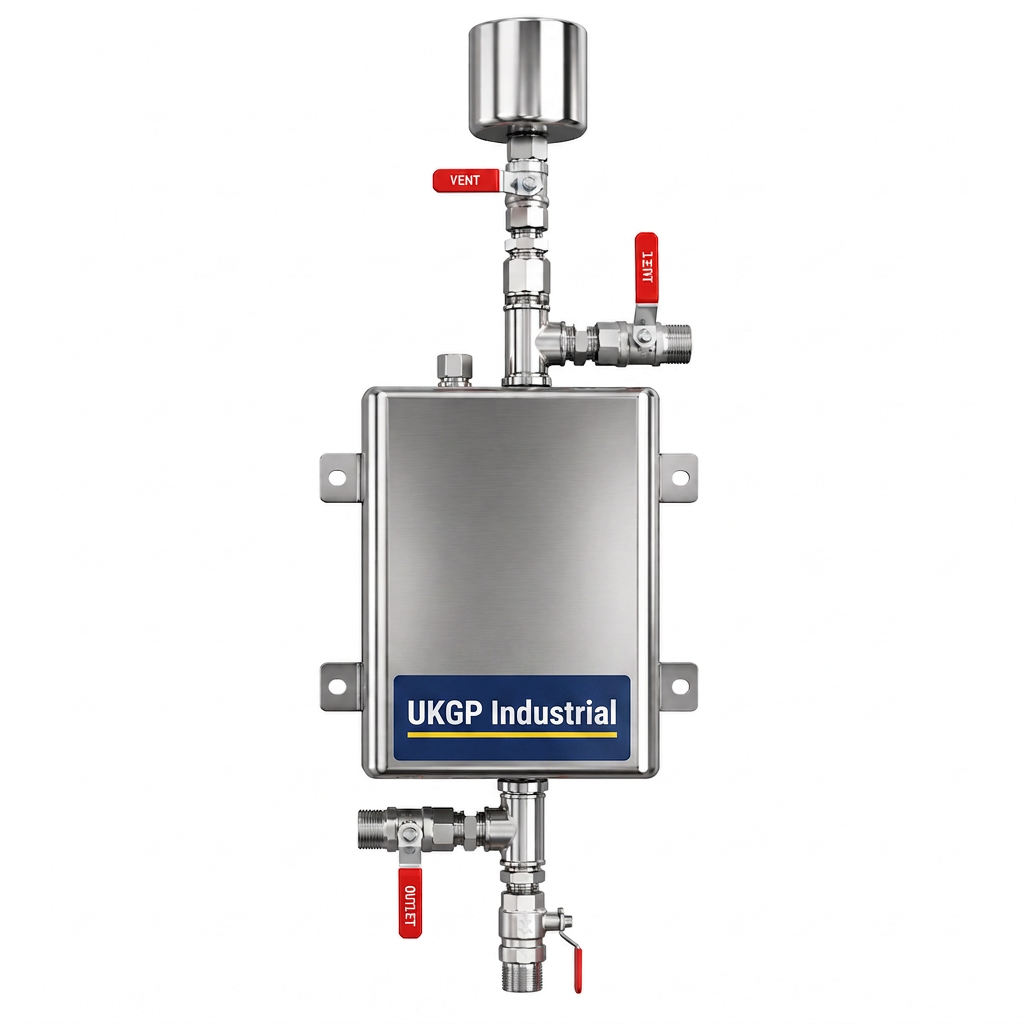
While mechanical filtration handles the physical debris, chemical dosing remains a secondary but vital pillar of heating system corrosion prevention. Dosing pots allow for the safe and controlled introduction of inhibitors, biocides, and glycol into the system. Without the correct chemical balance, the metallic surfaces within the pipework are vulnerable to oxygen attack and galvanic corrosion. It is essential that the dosing pot is constructed to withstand the operating pressures of the system, typically up to 10 or 14 bar in many commercial UK applications, to ensure safety and longevity for all plant room personnel.
UKGP Industrial provides a range of stainless steel chemical dosing pots that complement our filtration systems. These pots are designed for ease of use, featuring clear labelling and robust valves that allow engineers to dose the system without introducing excessive fresh water, which could introduce new oxygen. In a BSRIA-compliant maintenance regime, the dosing levels should be checked quarterly and topped up as necessary. This combined approach—removing contaminants with a filtration skid and stabilizing the water with chemistry—provides the most comprehensive protection against the degradation of high-value HVAC assets over a 25-plus year lifecycle.
When procurement leads evaluate these components, they should prioritise manufacturers who understand the UK's unique water conditions. Hard water areas require different chemical management strategies compared to soft water regions, but the mechanical requirement for debris removal remains constant. Our dosing pots are stocked for quick dispatch, helping contractors meet tight commissioning deadlines on-site. By integrating our dosing pots with a high-performance filtration solution, you create a robust defence-in-depth strategy that satisfies both insurers and building auditors regarding the duty of care for plant room maintenance and total system health.
- Safe introduction of corrosion inhibitors and biocide treatments.
- Robust stainless steel construction for high-pressure durability.
- Essential for maintaining the chemical balance required by BSRIA BG50.
- Available in a variety of capacities to suit small to large system volumes.
Protecting Secondary Loops and Heat Exchangers
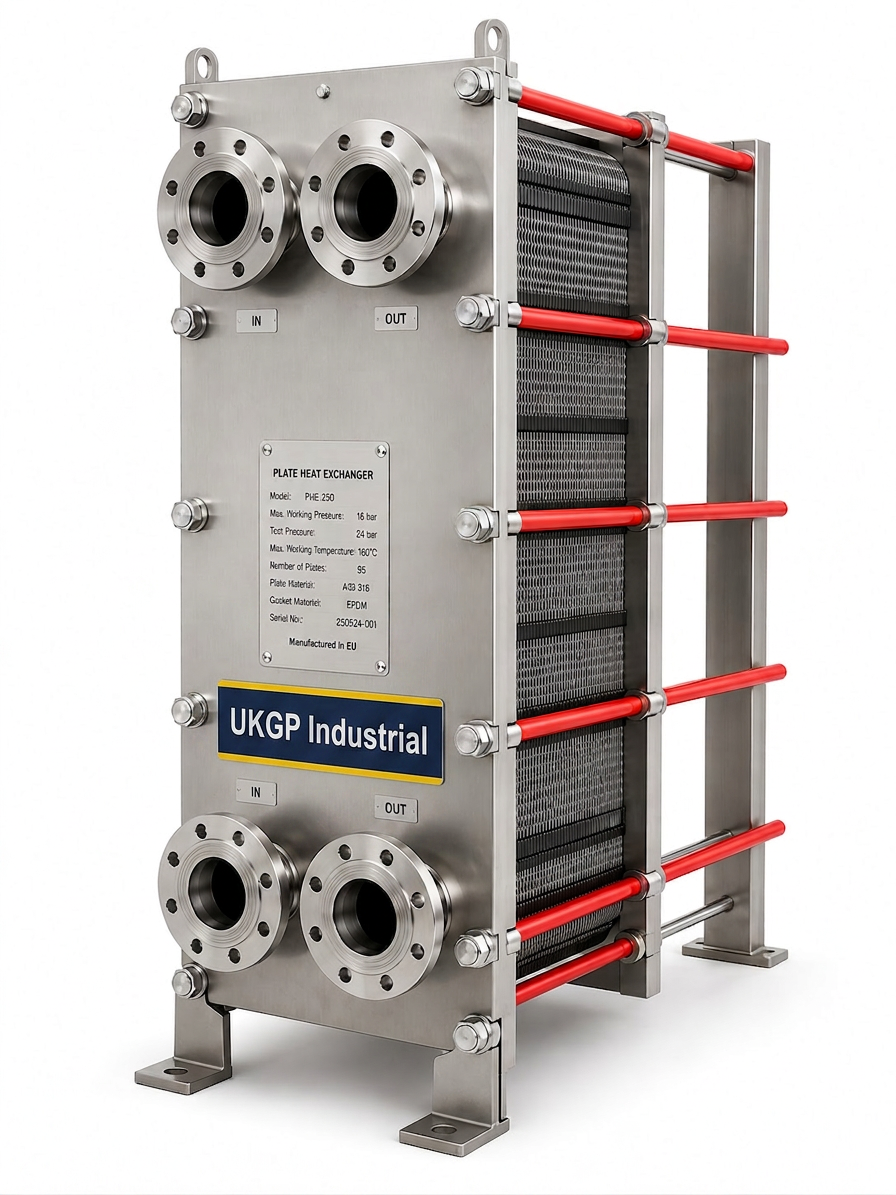
Secondary loops often present the highest risk in large-scale heating system corrosion prevention because they are frequently overlooked during general maintenance. When using plate heat exchangers to separate primary and secondary circuits, the narrow channels within the plates are highly susceptible to fouling. Even minimal debris can cause a significant drop in thermal transfer efficiency, forcing the primary boiler plant to work harder and consume more fuel. Protecting these interfaces is crucial for maintaining the operational expenditure (OPEX) at sustainable levels throughout the life of the building's infrastructure.
The specification of air and dirt separators on the intake side of heat exchangers is a recommended practice. By removing micro-bubbles and heavy dirt particles before they reach the exchanger, you significantly extend the time between required plate cleans. If a system is already showing signs of efficiency loss, it may be time to audit the filtration strategy. Our Surrey-based technical team often works with consultants to size the correct combination of separators and side stream units to ensure that every part of the network, from the central plant to the terminal units, remains free of corrosive elements.
Long-term protection also involves regular thermal imaging and flow testing to identify potential cold spots caused by sludge. If the heating system corrosion prevention measures are effective, the water should remain clear and the pressure drops across heat exchangers should remain stable. For those managing multi-site portfolios, standardising on UKGP components ensures a consistent maintenance profile and simpler spare parts management. Our bespoke side stream filtration skids (DN50-DN100, starting from £6,800+VAT) are specifically built to address these fouling challenges, ensuring the heat exchanger operates at its design delta-T indefinitely.
- Prevents fouling of narrow plate heat exchanger channels.
- Reduces energy consumption by maintaining optimal heat transfer.
- Extends the service interval for secondary loop equipment.
- Essential for complex multi-zone systems with varying temperatures.
Air and Dirt Separation for System Longevity
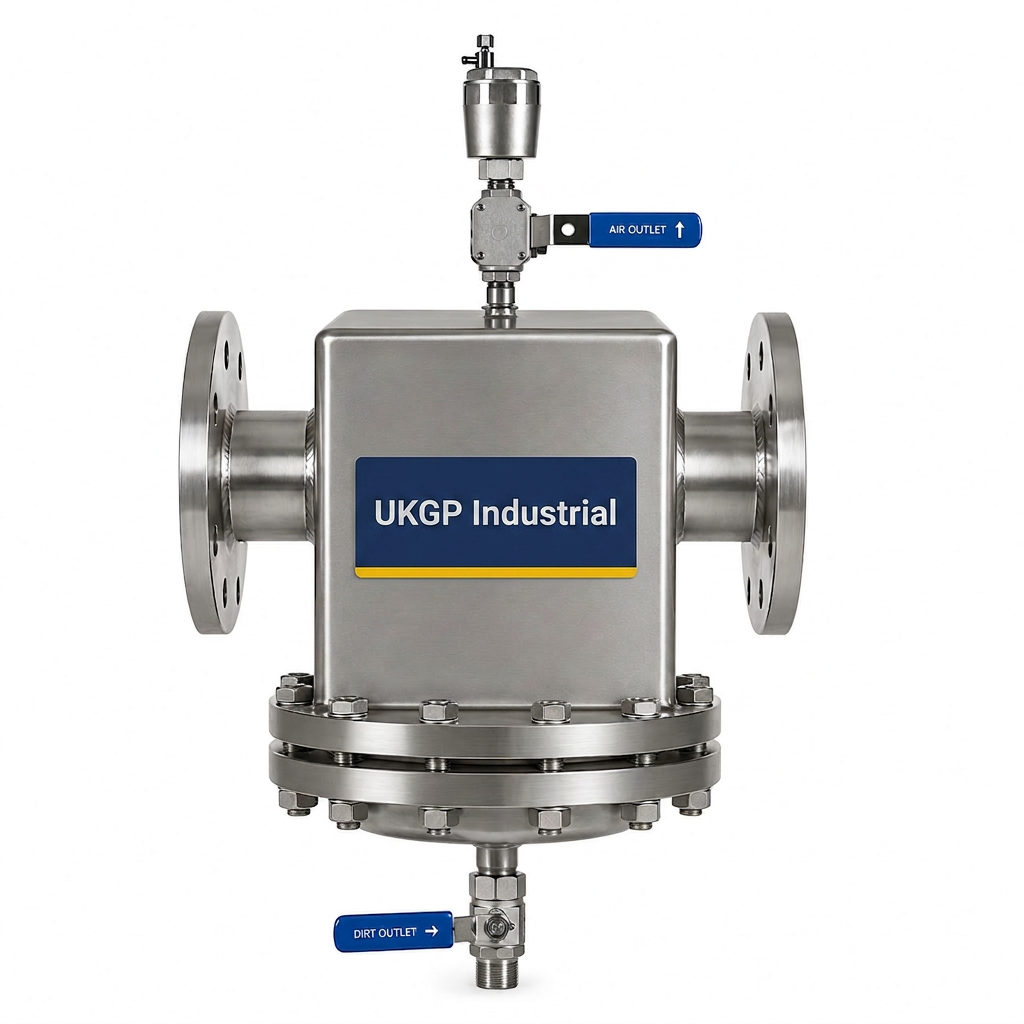
Air and dirt separators play a foundational role in any heating system corrosion prevention strategy by addressing the two most common causes of component failure. Entrained air leads to oxidative corrosion, while heavy dirt causes erosion and blockages. A combined de-aerator and dirt separator removes micro-bubbles that are otherwise difficult to purge through standard vents. This is particularly important in high-performance boiler circuits where high temperatures can cause dissolved gases to come out of solution rapidly, leading to noise, pump cavitation, and localized metal degradation that shortens asset life.
For M&E contractors, the installation of these separators is a 'fit and forget' solution that provides immediate benefits. However, to maximize the effectiveness of heating system corrosion prevention, these units should be paired with a side stream filtration skid to capture the finer suspended solids that standard separators might miss. The synergistic effect of these two components ensures that the water quality remains well within CIBSE guidelines. By removing the oxygen that fuels the corrosion cycle, you effectively halt the production of magnetite at its source, leading to a much cleaner and more efficient system over its entire operational life.
Quality is paramount when selecting separators, as they must endure constant thermal cycling and pressure fluctuations. UKGP's range is manufactured to the highest UK standards, ensuring that the internal media for bubble coalescence is durable and effective. When specifying these for a project, consider the flow velocity and pipe size to ensure the unit does not become a bottleneck. We recommend discussing your system parameters with our engineering team to ensure the selected components are perfectly matched to your side stream filtration needs and overall system volume for maximum protection and performance.
- Removes entrained air to prevent internal oxidative corrosion.
- Captures heavy dirt particles to protect pumps and valves.
- Lowers system noise and prevents pump cavitation issues.
- Improves overall thermal efficiency of the primary heating circuit.
Specifying UK-Made Solutions for Project Security
Choosing a UK manufacturer like UKGP Industrial for your heating system corrosion prevention equipment offers significant advantages in the current market. With global supply chains frequently facing delays, our 6-8 week lead time for made-to-order side stream filtration skids provides project managers with the certainty they need for site handover. Our facility in Surrey ensures that every product, from a single bellows expansion joint to a complex DN100 filtration skid, undergoes rigorous quality control. This local oversight is vital for maintaining the high standards of construction required for BSRIA-compliant heating installations.
Furthermore, our technical support is based right here in the UK, meaning that site engineers can get immediate advice on installation and commissioning. This proximity is invaluable when troubleshooting complex system issues or when a consultant requires specific documentation for building sign-off. The £6,800+VAT starting price for our side stream filtration units represents a commercially competitive option for high-spec UK projects, particularly when considering the 2-year warranty and the long-term savings in maintenance costs. Investing in quality UK engineering is a signal to clients of a commitment to building reliability and professional standards.
In conclusion, effective heating system corrosion prevention is an integrated process involving standards compliance, mechanical filtration, and chemical control. By specifying UKGP Industrial components, you are choosing assets built for the specific demands of the UK's commercial building stock. From expansion bellows that handle thermal stress to dosing pots and advanced skids, we provide the hardware necessary to keep your plant room running efficiently. Contact our team today to request a quote or to discuss your specific project requirements, and ensure your building is protected by the very best in industrial filtration technology.
- Short 6-8 week lead times from our Surrey-based manufacturing hub.
- Full technical support and 2-year warranty on all skid units.
- Competitive UK pricing for high-specification industrial components.
- Ensures long-term compliance with BSRIA and CIBSE standards.
Frequently asked questions
Why is BSRIA BG50 important for heating systems?
- BSRIA BG50 provides the definitive industry guidelines for water treatment and corrosion prevention in UK commercial heating systems. Following it ensures your system meets insurance requirements and operates efficiently.
How much does a commercial side stream filtration skid cost?
- At UKGP Industrial, our bespoke side stream filtration skids typically start from £6,800+VAT, depending on the pipe size (DN50 to DN100) and specific site requirements.
What is the typical lead time for bespoke filtration units?
- Our made-to-order filtration skids generally have a lead time of 6 to 8 weeks, as they are manufactured and tested at our Surrey facility to ensure high quality.
Can side stream filtration reduce my energy bills?
- Yes, by removing magnetite and other debris, side stream filtration maintains high heat transfer efficiency in boilers and heat exchangers, leading to lower fuel consumption and reduced carbon emissions.
Is a 2-year warranty standard for your plant room equipment?
- Yes, we provide a 2-year warranty on our side stream filtration skids, offering peace of mind and demonstrating our confidence in the durability of our UK-manufactured products.