The Engineering Logic Behind Clean Water Efficiency
In the UK commercial sector, thermal efficiency is often compromised by the gradual accumulation of magnetite, scale, and organic debris within the closed-loop system. When these contaminants settle on heat transfer surfaces, they act as an insulating layer, forcing boilers and heat pumps to work significantly harder to achieve the desired set-point. By focusing on energy savings clean heating water, facilities managers can reverse this trend, ensuring that heat exchangers operate at their design delta-T. Engineering data suggests that even a 1mm layer of scale can reduce heat transfer efficiency by over 10%, leading to a direct increase in carbon emissions and fuel costs that could otherwise be avoided through proactive water treatment and filtration strategies.
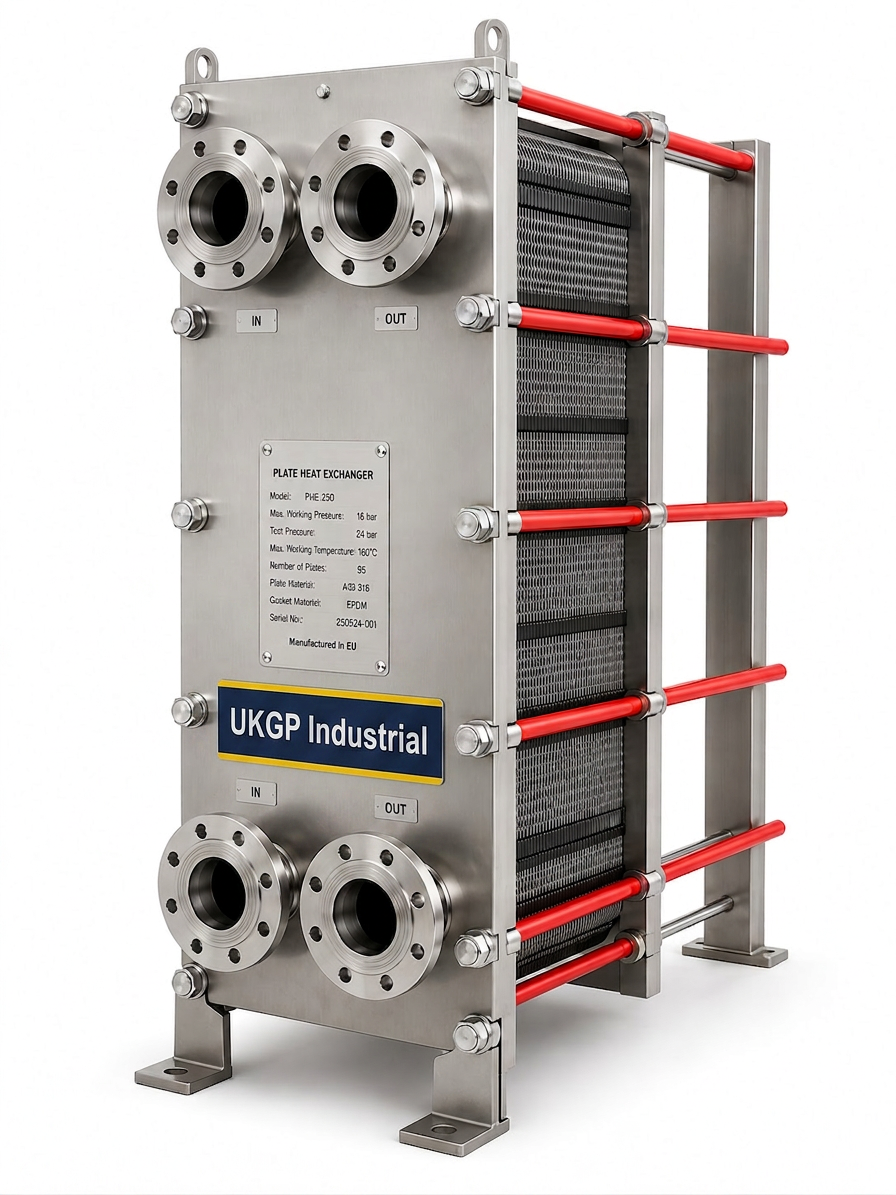
The physics of heat transfer dictate that clean surfaces are essential for laminar flow and optimal thermal conductivity. When suspended solids are present, the pump energy required to circulate the fluid increases due to higher viscosity and frictional losses within the pipework. Implementing a strategy for energy savings clean heating water involves removing these microscopic particulates before they can form a stubborn sludge. This is particularly relevant in modern systems where high-efficiency kondensing boilers and plate heat exchangers have narrow waterways that are notoriously susceptible to blockages. By maintaining water quality to BSRIA BG50 standards, engineers can ensure that the system operates within its peak efficiency window for the duration of its lifespan.
Furthermore, dirty water is often the primary driver of premature component failure in UK plant rooms. From seized valves to eroded impeller blades, the mechanical impact of poor water quality is substantial. When we talk about energy savings clean heating water, we are also discussing the reduction of 'hidden' costs such as emergency call-outs and unplanned downtime. A clean system requires less chemical intervention and fewer flushes, which aligns with both CIBSE sustainability guidelines and the financial objectives of procurement leads. Investing in high-quality filtration is not just a maintenance task; it is a strategic decision to protect the building's core assets while driving down the total cost of ownership across the mechanical estate.
- Reduction in magnetite-induced thermal resistance on boiler tubes
- Lowering of circulating pump power consumption via reduced fluid friction
- Improved heat exchanger 'Approach Temperature' for better thermal transfer
- Compliance with CIBSE CP1 and BSRIA BG50 maintenance frameworks
Implementing Side Stream Filtration for ROI
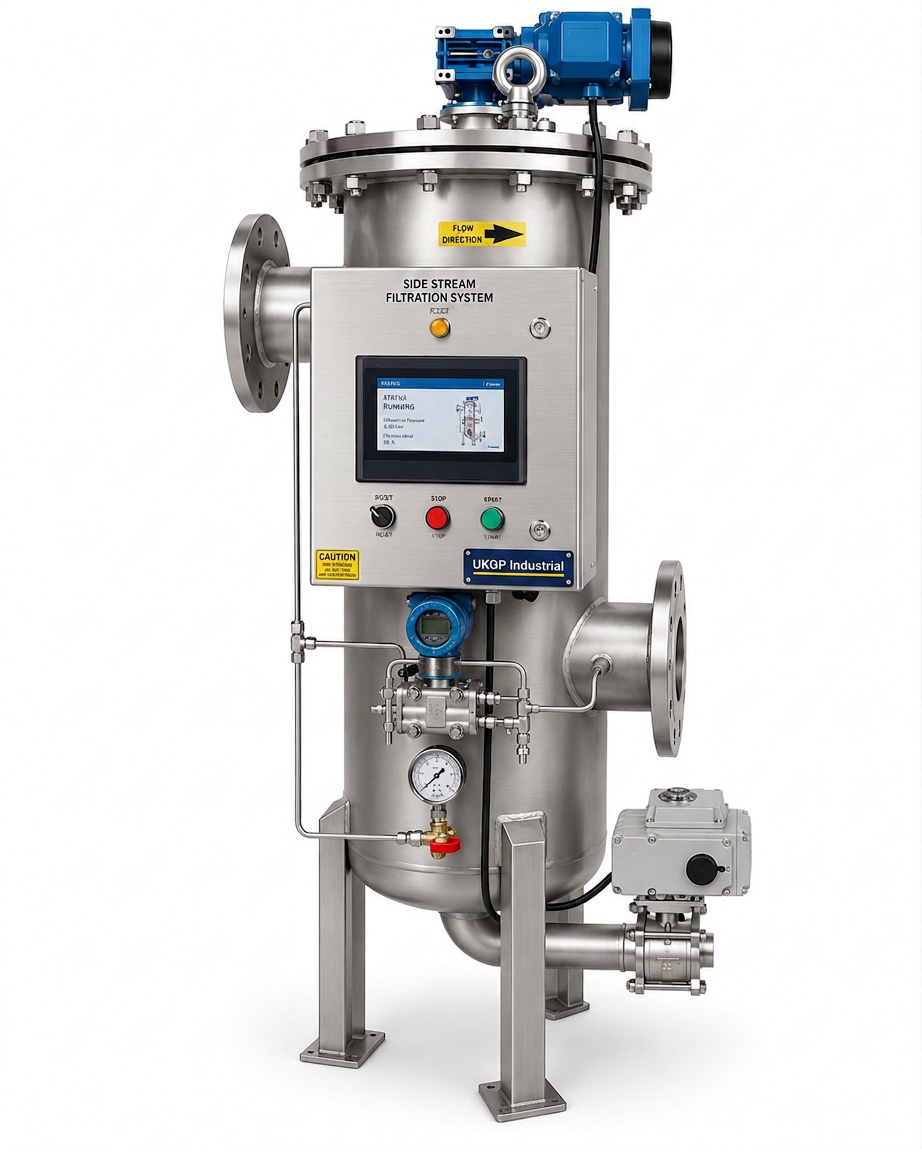
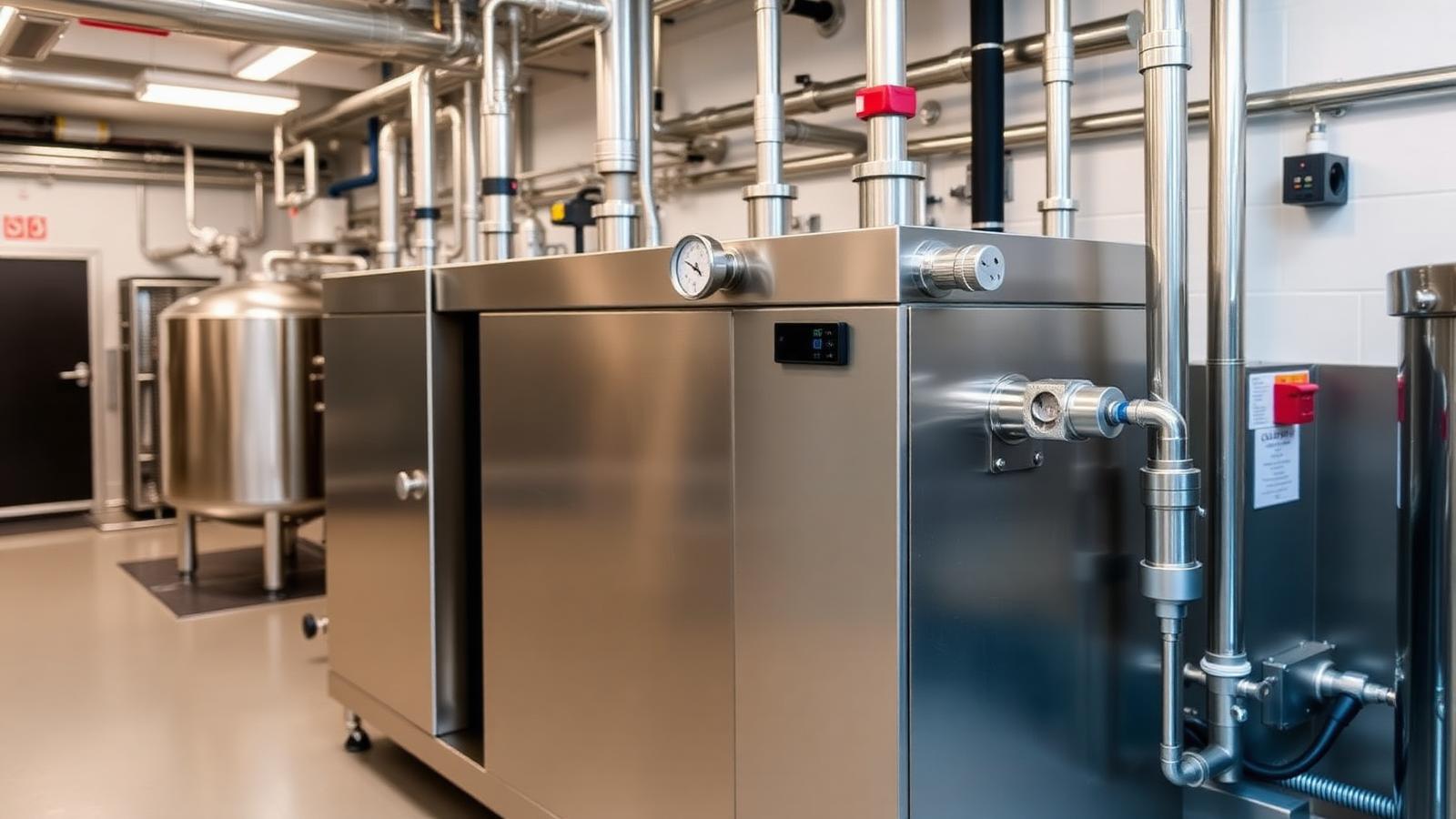
To achieve measurable energy savings clean heating water, the installation of a dedicated side stream filtration skid is the gold standard for UK commercial buildings. Unlike full-flow filters which can create significant pressure drops, a side stream system continuously diverts a percentage of the total flow through a high-efficiency filter housing. UKGP's range of UK-manufactured filtration skids, covering sizes from DN50 to DN100, are specifically designed to capture particles down to 5 microns. These units are made to order with a typical lead time of 6 to 8 weeks and start from approximately £6,800+VAT. When compared to the cost of a full system flush or a catastrophic boiler failure, the ROI on these units is often realized within the first 18 months of operation.
Our skids come equipped with an internal pump and an intelligent control logic that ensures optimal filtration without disrupting the main system hydraulic balance. Included as standard is a 2-year warranty, providing peace of mind to M&E contractors and consultants who require reliable, long-term solutions for their clients. By removing magnetite and non-magnetic debris, these skids facilitate the energy savings clean heating water goals that are now mandatory for many green building certifications. The skid's footprint is compact, making it suitable for both new-build plant rooms and retrofit projects where space is at a premium but water quality is a high priority for the facilities management team.
When specifying a side stream system, it is crucial to consider the flow rate requirements and the existing level of contamination. A UKGP technical specialist can assist in selecting the correct DN size to ensure the entire system volume is filtered effectively every 24 hours. For procurement leads, the transparency of our pricing—starting from £6,800+VAT—and our status as a Surrey-based manufacturer make us an ideal partner for domestic projects. We encourage all engineers to request a formal quote for a side stream filtration skid to see how our made-to-order British engineering can enhance their specific heating or cooling network's overall efficiency and reliability.
- Filtration down to 5 microns to protect narrow-channel heat exchangers
- Compact made-to-order designs from DN50 to DN100 sizes
- 2-year warranty as standard for all UKGP manufactured skids
- UK-based support and manufacturing with 6-8 week lead times
Case Study: Commercial Office Retrofit in London
A recent case study involving a Grade A office building in London demonstrated the profound impact of energy savings clean heating water on the bottom line. The facility was experiencing frequent high-limit trips on its primary boilers and a noticeable drop in radiator temperatures on the upper floors. Initial water testing conducted according to BS 8552 protocols revealed iron levels in excess of 50mg/l, well above the recommended BSRIA BG50 limits. The decision was made to install a UKGP DN80 side stream filtration skid alongside a comprehensive chemical cleaning programme. Within just three months of installation, the iron levels dropped below 5mg/l, and the system began to stabilise.
The financial results were just as impressive as the chemical ones. The building saw a 14% reduction in seasonal gas consumption compared to the previous year's weather-adjusted data. This equates to substantial energy savings clean heating water that directly improved the building's EPC rating. Furthermore, the frequency of pump seal replacements plummeted, as the abrasive magnetite particles were no longer present to chew through mechanical seals. This case study highlights that water quality is not merely a 'chemistry' issue but a fundamental 'energy' issue that impacts the entire building’s operational efficiency and carbon footprint in a tangible way for the owners.
For the M&E contractor involved, the ease of installation was a key benefit. Because the UKGP skid is delivered pre-wired and pre-assembled, it integrated seamlessly into the existing plant room return header. The engineer on-site noted that the 2-year warranty and the robust build quality of the Surrey-made unit gave the client significant confidence in the upgrade. By investing approximately £7,500+VAT for the DN80 unit, the client avoided a projected £20,000 spend on heat exchanger clean-outs and potential replacement over the next five years, proving that clean water is one of the most cost-effective energy efficiency measures available today.
- 14% reduction in gas consumption post-filtration installation
- Significant drop in iron levels from 50mg/l to under 5mg/l
- Reduced mechanical wear on circulating pump seals and valves
- Improved EPC rating through verified energy efficiency gains
Maintaining BSRIA BG29 and BG50 Compliance
In the UK, the BSRIA BG29 (Pre-commission Cleaning) and BG50 (Water Treatment for Closed Systems) frameworks provide the definitive guide for managing water quality. Adherence to these standards is essential for achieving energy savings clean heating water. BG50, in particular, emphasizes the importance of ongoing monitoring and the use of sidestream filtration to manage the inevitable ingress of contaminants over time. Failure to comply with these standards often results in the voiding of manufacturer warranties for boilers and heat exchangers. By integrating filtration and air/dirt separation from the outset, specifiers can ensure that the system remains 'in spec' throughout its operational life.
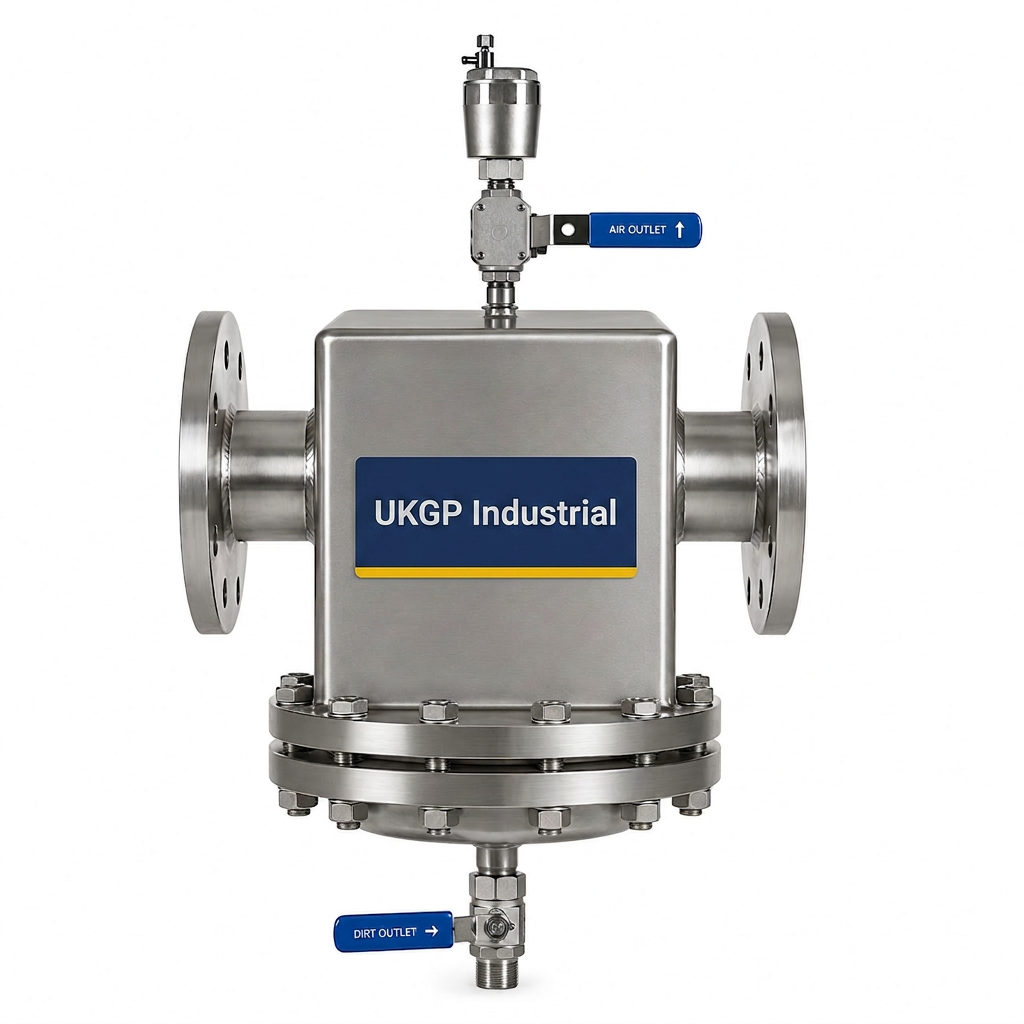
Air and dirt separators play a complementary role in this process. While side stream filtration targets fine particulates, air and dirt separators are vital for removing larger debris and, more importantly, micro-bubbles of entrained air. Air is a poor conductor of heat and a major catalyst for corrosion. When used in conjunction with a filtration skid, an air and dirt separator ensures that the water remains 'dead' and non-corrosive, which is a pillar of the energy savings clean heating water philosophy. This multi-layered approach to water conditioning is the only way to guarantee that the system's thermal performance does not degrade the moment the commissioning engineers leave the site.
We recommend that all FM teams maintain a logbook of water quality parameters, including pH, conductivity, and dissolved iron levels, as part of their BG50 compliance strategy. This proactive documentation not only ensures the system is running efficiently but also provides the necessary evidence for insurance and warranty claims. If your current system is showing signs of high turbidity or rising energy bills, it may be time to consult with an expert on upgrading your filtration hardware. Our air and dirt separators are available in various sizes to suit any commercial application, ensuring your plant room is equipped with the best British-made components for long-term health.
- Strict adherence to BSRIA BG50 for long-term water quality
- Combined use of filtration and air/dirt separation for maximum efficiency
- System logbooks as a tool for verifying thermal performance
- Protection of multi-million pound plant assets through simple upgrades
The Role of Dosing Pots in Water Treatment
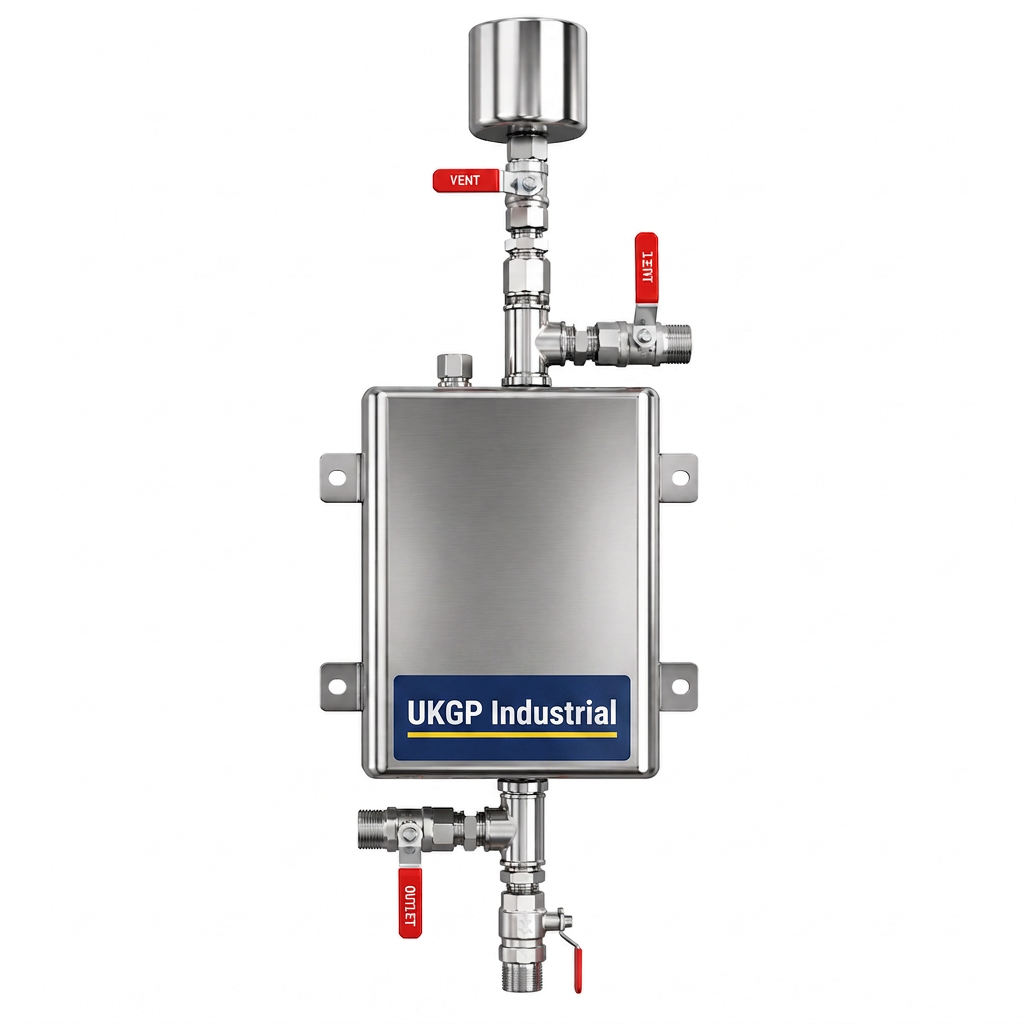
Chemical dosing remains a vital component of the energy savings clean heating water equation. While mechanical filtration removes the solids, chemical inhibitors are necessary to prevent the formation of new corrosion products and to control microbiological growth. A robust stainless steel dosing pot allows for the safe and controlled introduction of these chemicals into the system without the need to shut down the pumps. UKGP dosing pots are built to withstand the rigours of commercial plant rooms, providing a reliable point of entry for the inhibitors that keep your heating water clean and your energy bills low.
It is important to remember that chemicals and filters work better when used together. A filter will eventually become overwhelmed if corrosion is allowed to run rampant due to lack of inhibitor, and an inhibitor will struggle to protect surfaces that are already buried under a layer of sludge. By using a dosing pot to maintain correct chemical levels, and a side stream filter to remove the byproduct of any minor corrosion that does occur, you create a self-sustaining cycle of efficiency. This holistic approach is what enables the energy savings clean heating water that modern sustainable buildings require to meet their stringent performance targets.
When procurement teams look at the cost of water treatment, they should view it as an insurance policy for their energy budget. The initial outlay for a dosing pot and a side stream filtration skid is minimal when compared to the 10-15% increase in fuel consumption caused by fouled system water. At UKGP, we provide all the necessary components to build a high-performance water treatment station. Our products are designed for the UK market, manufactured to BS EN standards, and supported by a team of experts who understand the specific challenges of British building services engineering and the associated regulatory landscape.
- Stainless steel construction for longevity in harsh environments
- Safe introduction of inhibitors to prevent system corrosion
- Essential for maintaining the chemical balance required by BG50
- Complementary technology to mechanical side stream filtration
Economic Conclusion: The True Value of Clean Water
The evidence for pursuing energy savings clean heating water is overwhelming from both a technical and financial perspective. In a landscape where energy prices are volatile and carbon taxes are increasing, the ability to shave 10-15% off a building's heating load through simple water quality management is a competitive advantage. The capital expenditure for a high-quality side stream filtration system, starting at £6,800+VAT, is often recouped through energy savings alone in a remarkably short period. When you add the savings from reduced maintenance and extended equipment life, the business case becomes undeniable for any modern facility.
As a Surrey-based manufacturer, UKGP is committed to supporting UK engineering excellence. Our made-to-order approach means you get a solution tailored to your plant room's specific needs, with the reliability of a 2-year warranty and the assurance of BSRIA compliance. Whether you are a consultant designing a new district heating network or an FM looking to fix an underperforming system, our DN50 to DN100 filtration skids offer a robust, British-made answer to the problem of system contamination. We pride ourselves on our 6-8 week lead times, ensuring your project stays on schedule while delivering long-term performance.
To start your journey toward energy savings clean heating water, we invite you to contact our technical sales team for a consultation. We can provide detailed specifications, CAD drawings, and fixed-price quotes to help you secure budget approval. Don't let poor water quality erode your margins and your equipment; invest in the filtration and treatment solutions that define modern, high-efficiency building services. Our expertise in British manufacturing ensures that you receive a product that is not only fit for purpose but specifically engineered to meet the highest standards of the UK heating and cooling industry.
- Rapid ROI through lower utility bills and reduced maintenance
- Support for UK manufacturing and engineering jobs
- Tailored solutions from a technical-led manufacturing partner
- Guaranteed performance with a 2-year manufacturer warranty
Frequently asked questions
What is the typical energy saving from installing a side stream filter?
- While results vary by system condition, most commercial buildings see a 10-15% reduction in gas or electricity consumption for heating. This is due to improved heat transfer efficiency and lower pump head requirements as the water is cleaned to BSRIA BG50 standards.
What size filtration skid do I need for my building?
- UKGP manufactures skids from DN50 to DN100. The size depends on your total system volume; we typically aim to filter the entire volume every 24 hours. Contact us with your system capacity for a specific sizing recommendation.
How long does it take to get a UKGP filtration skid delivered?
- As our units are made to order in our Surrey facility to ensure the highest quality, our standard lead time is 6 to 8 weeks. This allows us to customise the skid to your specific plant room requirements.
Do your products help with BSRIA BG50 compliance?
- Yes, our side stream filtration skids, air/dirt separators, and dosing pots are specifically designed to help facilities managers and engineers achieve and maintain the water quality standards set out in BSRIA BG50 and BG29.
What is the warranty on UKGP manufactured equipment?
- We provide a 2-year warranty on all our manufactured products, including side stream filtration skids. This reflects our confidence in our British engineering and the high-grade components we use.