The Critical Role of District Heating Heat Exchanger Cleaning
District heating systems are the backbone of modern UK high-density residential and commercial developments. However, these networks are inherently susceptible to debris and chemical imbalances within the primary and secondary circuits. Without regular district heating heat exchanger cleaning, the stainless steel plates within your substation can quickly become fouled with calcium carbonate scale or magnetite sludge. This fouling creates a thermal barrier that forces the primary network to run at higher temperatures and pressures to achieve the same setpoint on the secondary side, leading to significant energy wastage and unnecessary carbon emissions. For Facilities Managers, maintaining these assets is not just about operational performance but about protecting the financial viability of the heat network through reduced reactive call-outs and extended component life.
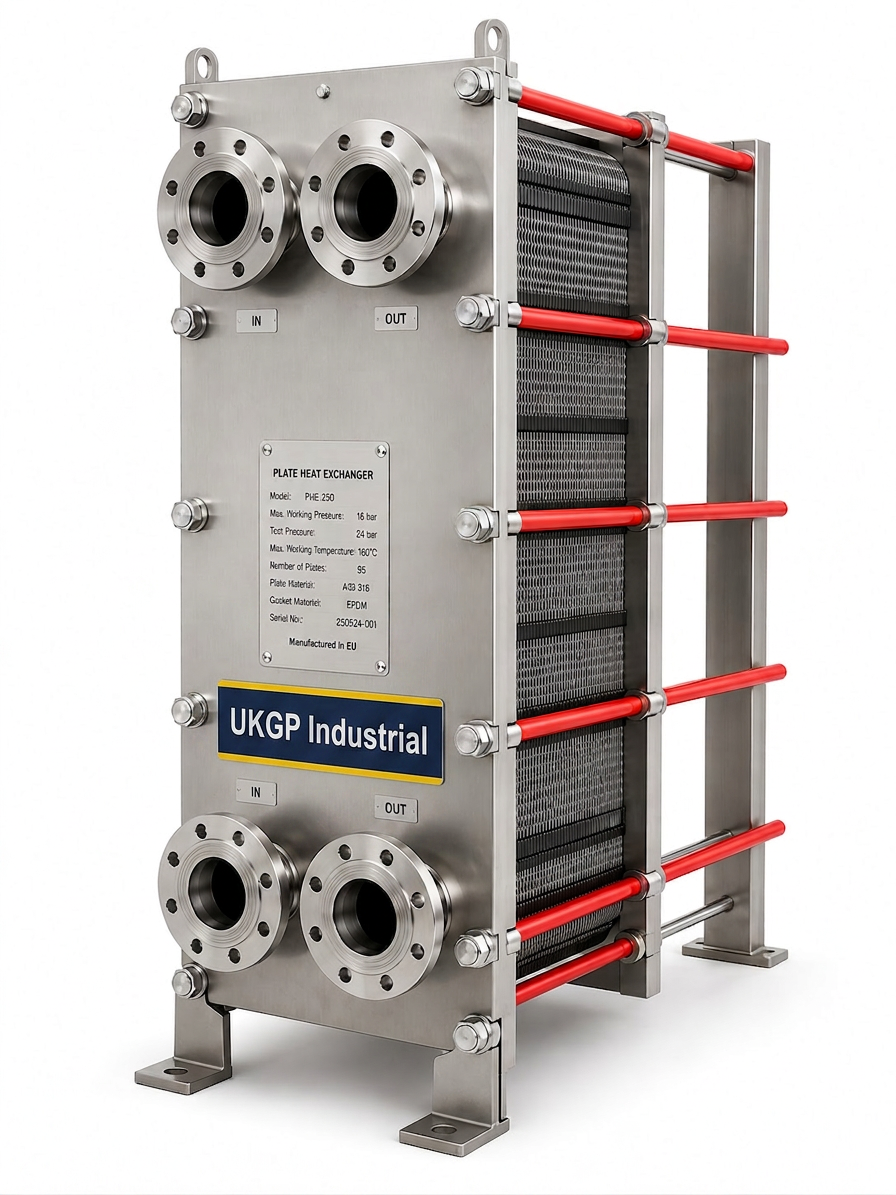
When considering the logistics of cleaning, building services consultants must account for the specific metallurgy of the plates, typically 316-grade stainless steel, and the nitrile or EPDM gaskets involved. Harsh chemical interventions without proper flushing can lead to localized pitting or gasket degradation, which ultimately causes cross-contamination between circuits. Utilizing industry-standard methodologies ensures that the cleaning process restores the 'U-value' or heat transfer coefficient of the unit to its original design specification. This is particularly vital in heat interface units (HIUs) and larger substation exchangers where delta-T precision is critical for revenue accuracy and occupant comfort. UKGP Industrial advocates for a proactive maintenance schedule that aligns with annual plant room inspections to mitigate the risk of sudden thermal drop-off.
Beyond the immediate thermal gains, a rigorous cleaning regime supports the broader integrity of the heating infrastructure. In the UK, many district networks suffer from oxygen ingress in older pipework, which accelerates the formation of suspended solids. These solids tend to settle in regions of lower velocity or high turbulence, such as the entry ports of a plate heat exchanger (PHE). By implementing a systematic approach to district heating heat exchanger cleaning, engineers can identify internal wear patterns early, allowing for scheduled gasket replacement rather than emergency shutdowns. This strategic foresight is what separates high-performing assets from those plagued by recurring downtime and tenant complaints regarding lukewarm water or insufficient room temperatures during peak winter loads.
- Restoration of design-specified heat transfer coefficients.
- Reduction in primary network return temperatures for better efficiency.
- Protection of internal plate metallurgy against corrosive fouling.
- Prevention of cross-contamination between primary and secondary circuits.
Protecting Assets with Side Stream Filtration
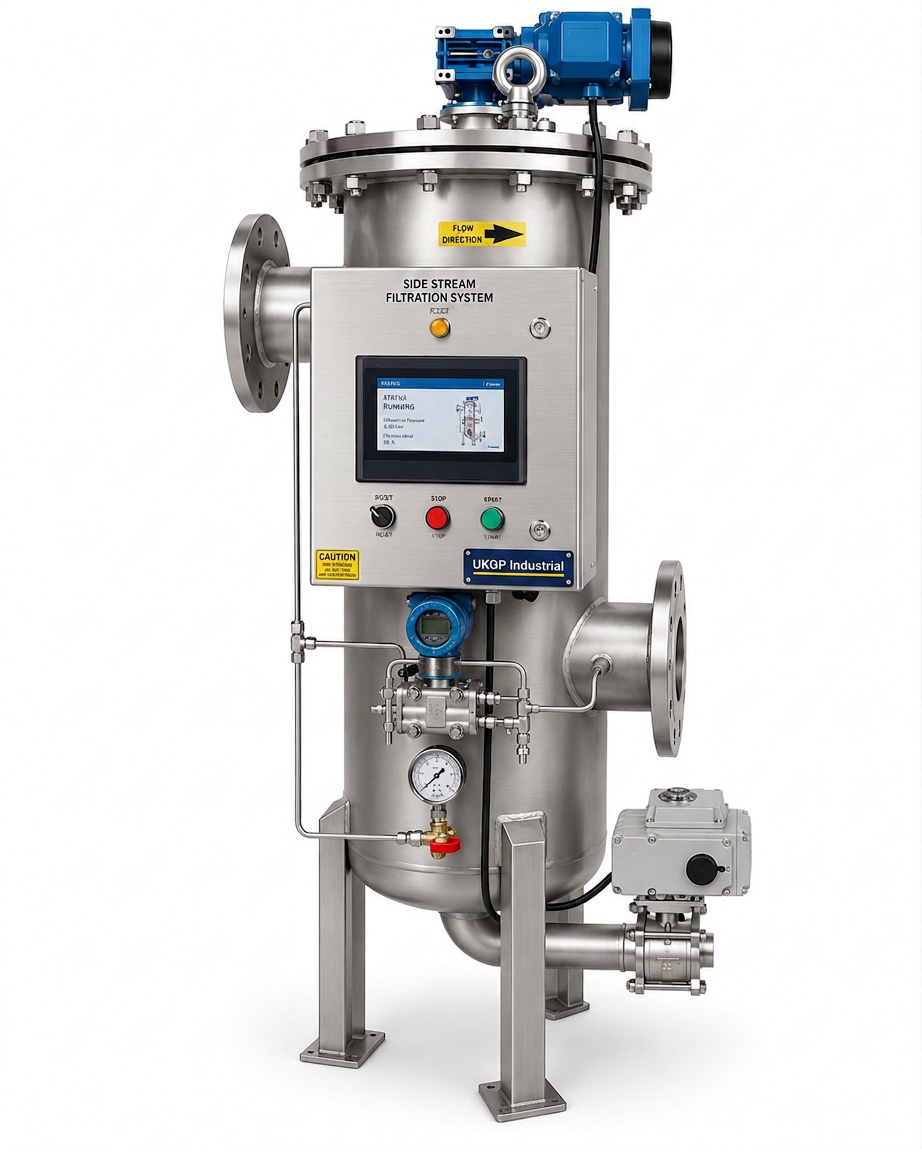
While reactive district heating heat exchanger cleaning is necessary for neglected systems, the integration of side stream filtration is the gold standard for long-term protection. BSRIA BG50 emphasizes the importance of continuous water treatment and particulate removal to maintain system health. UKGP Industrial provides high-performance side stream filtration skids specifically designed to capture magnetite and non-magnetic debris down to sub-micron levels. By diverting a portion of the circulating water through a dedicated filtration loop, you significantly reduce the volume of material available to settle within the narrow channels of your heat exchanger plates. This proactive measure drastically extends the intervals between deep cleans, ensuring your substation operates at peak efficiency for years to come.
Our side stream filtration skids are engineered for the rigours of the UK commercial market, featuring robust stainless steel construction and intuitive controls. Available in sizes ranging from DN50 to DN100, these units are made to order with a lead time of approximately 6-8 weeks. Starting from £6,800+VAT, they represent a cost-effective alternative to the high labor costs associated with manual plate stripping and acid cleaning. Each unit comes with a 2-year warranty, providing M&E contractors and procurement leads with the confidence that they are installing a durable, UK-manufactured solution. In a district heating context, where water quality can vary significantly between the plant room and the substation, having dedicated local filtration is a critical safeguard against system-wide contamination.
The installation of a UKGP filtration skid ensures that the benefits of your district heating heat exchanger cleaning efforts are not lost within weeks of the procedure. By continuously removing the black iron oxide sludge that characterizes many UK systems, you prevent the 'sandpaper' effect that can erode pump impellers and control valve seats. Whether you are refurbishing an older housing estate or designing a new 5G heat network, integrating these skids ensures compliance with CIBSE CP1 and BSRIA guidelines. Our technical team is available to assist with sizing and specification to ensure the flow rates of the skid perfectly match the requirements of your secondary district heating loop.
- Continuous removal of magnetite and suspended solids to prevent PHE fouling.
- UK-made units from £6,800+VAT with standard 2-year warranty support.
- DN50 to DN100 sizes available to suit various commercial substation scales.
- Reduces frequency of manual district heating heat exchanger cleaning.
Compliance with BSRIA BG29 and BG50 Standards
Adhering to BSRIA guidelines is non-negotiable for professional building services management in the UK. BG29 (Pre-commission cleaning of pipework systems) and BG50 (Water treatment for closed heating and cooling systems) provide the framework for maintaining a heat network. During a district heating heat exchanger cleaning project, these standards mandate that water quality must be sampled and analyzed before and after the procedure. Using BS 8552 protocols for water sampling, engineers can determine the exact nature of the fouling, whether it is microbiological growth, scale, or metallic corrosion by-products. This data-driven approach allows for the selection of the most effective, yet least abrasive, cleaning agents to protect the exchanger's internal components.
Documenting the cleaning process according to BSRIA standards provides a vital audit trail for insurance and warranty purposes. When a plate heat exchanger fails prematurely, the first question asked by manufacturers is often related to the water chemistry and maintenance history. By following a structured cleaning regime that includes flushing, chemical circulation, and final passivisation, you demonstrate due diligence in asset management. For FMs managing large-scale district heating portfolios, this level of compliance is essential for meeting ESG targets and ensuring the life-cycle costs of the plant room are kept within anticipated budgets. Failure to comply often leads to the voiding of warranties on expensive equipment like pumps and boilers.
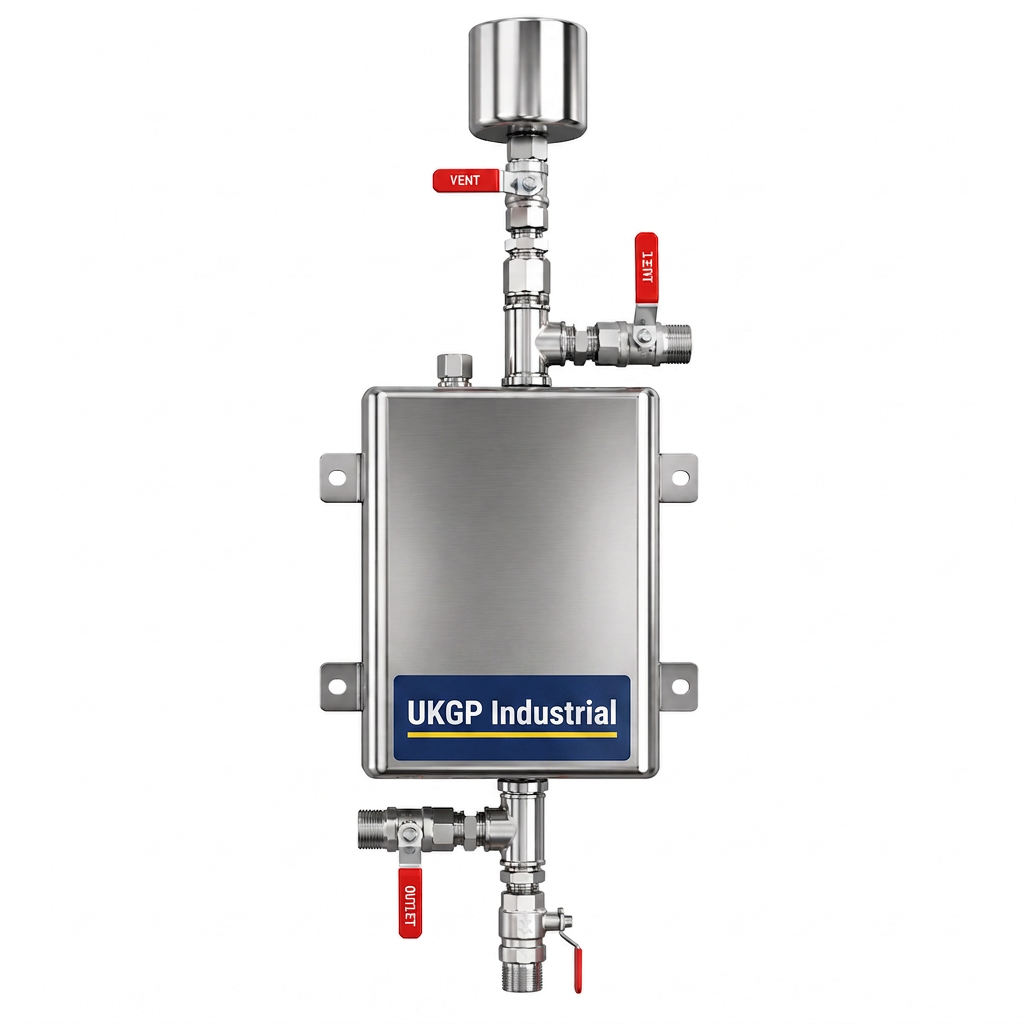
Moreover, BG50 highlights the necessity of maintaining low dissolved oxygen levels and correct inhibitor concentrations. Cleaning the heat exchanger is only part of the solution; the chemical balance must be restored to prevent immediate re-fouling. UKGP Industrial supports these standards by offering high-quality ancillary products, such as chemical dosing pots, which allow for the safe and easy introduction of water treatment chemicals. This holistic view of system health—combining mechanical cleaning with chemical stability—is the only way to achieve the 25+ year lifespan expected from modern district heating infrastructure. Contractors should always specify BHP-grade components to ensure the system remains resilient under the high-pressure conditions often found in these networks.
- Ensures alignment with CIBSE and BSRIA best practice for water quality.
- Provides a verifiable maintenance log for asset insurance and warranty.
- Includes critical water sampling protocols as per BS 8552 guidelines.
- Facilitates the move from reactive to predictive plant room maintenance.
The Technical Process of Chemical CIP (Cleaning In Place)
For many UK substations, a full teardown of the heat exchanger is not always feasible due to space constraints or the risk of shattering old, brittle gaskets. In these scenarios, Cleaning In Place (CIP) is the preferred method for district heating heat exchanger cleaning. This process involves isolating the exchanger from the main loop and circulating a bespoke chemical solution through the plate bank. The selection of the cleaning agent is paramount; it must be effective at dissolving magnetite and scale while remaining inhibited against attack on the stainless steel and non-metallic seals. A typical CIP cycle lasts between 4 and 8 hours, depending on the severity of the fouling and the volume of the unit.
During a CIP procedure, flow reversal is often employed to help dislodge stubborn debris trapped in the contact points of the plate chevrons. Monitoring the pH and conductivity of the cleaning solution during circulation provides real-time feedback on the progress of the cleaning. Once the district heating heat exchanger cleaning cycle is complete, the unit must be neutralized and flushed with clean water until the discharge is clear and the chemistry matches the rest of the system. This prevents residual acids from causing accelerated corrosion once the unit is brought back online. For M&E contractors, mastering the CIP process is a key service offering that minimizes downtime for the end-user while maximizing thermal recovery.
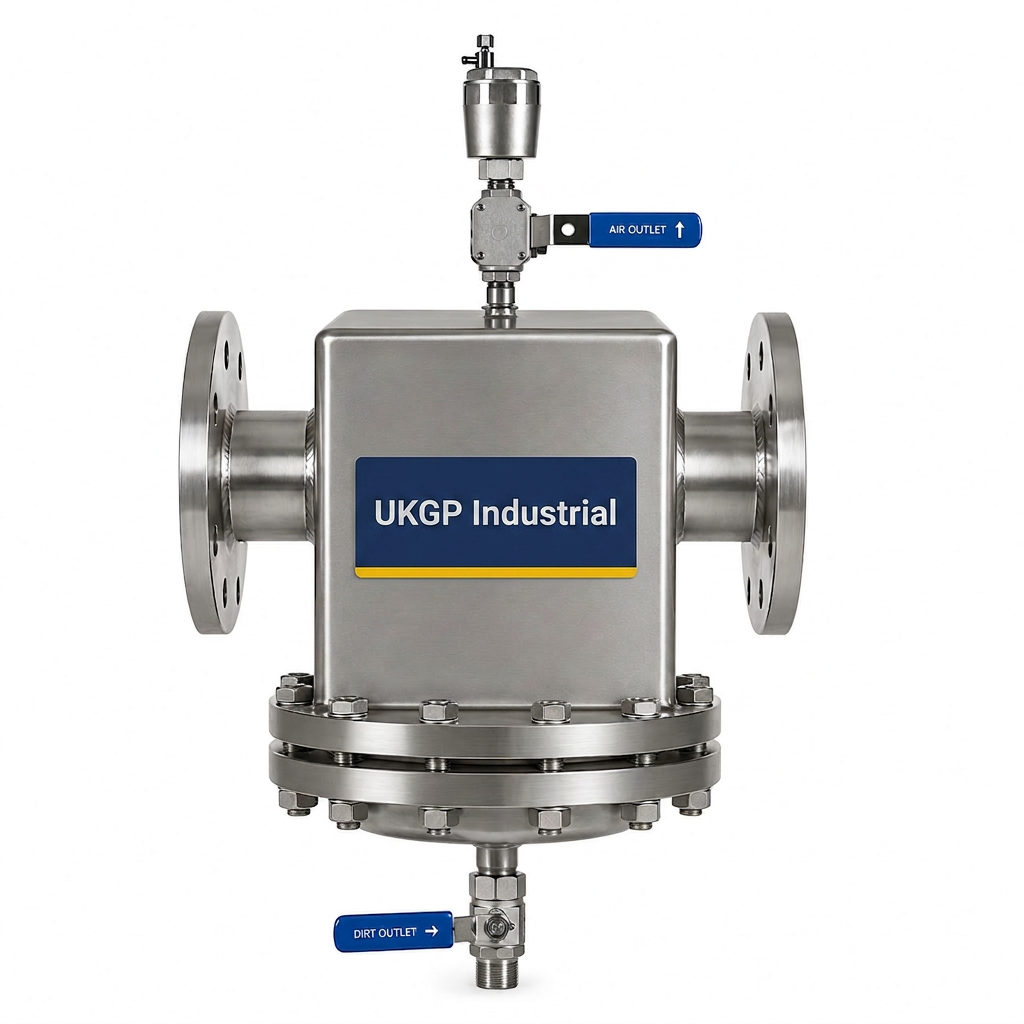
It is important to note that while CIP is highly effective for scale and light sludge, it may not remove large physical debris such as welding slag or gravel that can sometimes enter a system during initial construction or major repairs. In these instances, a physical strip-down or the pre-emptive installation of high-capacity air and dirt separators is required. UKGP recommends that any CIP process be followed by a thermal performance test to verify that the approach temperature (the difference between the primary inlet and secondary outlet) has returned to the manufacturer's specified range. If performance remains sub-par, it may indicate that the plates have suffered permanent fouling or that the internal gaskets have bypassed.
- Minimizes downtime by avoiding the need for a full plate pack teardown.
- Specifically targets magnetite and scale through inhibited chemical action.
- Requires flow reversal techniques to clear plate chevron contact points.
- Safely restores thermal efficiency without risking gasket leakage.
Identifying When Your Substation Needs Attention
Early detection of fouling is the best way to prevent an emergency shutdown. The primary symptom requiring district heating heat exchanger cleaning is a noticeable rise in the primary return temperature. In an efficient district heating network, the goal is to extract as much heat as possible, resulting in a low return temperature to the central energy centre. If your return temperatures are creeping upward, it indicates that the heat exchanger is no longer effectively transferring energy to the secondary circuit. Additionally, keep a close eye on pressure drops across the PHE; a significant increase in differential pressure (DP) suggests that debris is physically blocking the narrow flow channels between the plates.
Secondary indicators include the inability of the system to maintain domestic hot water (DHW) setpoints during peak demand or erratic control valve behavior as the building management system (BMS) struggles to compensate for reduced heat transfer. Routine monitoring of these KPIs (Key Performance Indicators) should be part of any FM's monthly checklist. When these signs appear, it is time to consult with a specialist supplier like UKGP Industrial about a professional district heating heat exchanger cleaning intervention. Procrastination usually results in the fouling becoming 'baked' onto the plates, making the eventually required cleaning much more difficult and costly to perform.
For procurement leads and plant room engineers, it is also worth considering the age of the installation. If a substation is over 5 years old and has never undergone a deep clean or had a side stream filter installed, it is highly likely that efficiency has dropped by 10-15%. In the current UK energy market, where gas and electricity prices remain volatile, this level of waste is commercially unsustainable. Investing in a proactive maintenance plan today—incorporating both cleaning and the installation of a UKGP side stream filtration skid (from £6,800+VAT)—will pay for itself through energy savings and the avoidance of expensive emergency parts procurement during the heating season.
- Rising primary return temperatures bypassing design ΔT targets.
- Increasing differential pressure across the plate heat exchanger.
- Failure to meet DHW or space heating setpoints during peak loads.
- Audible 'hunting' or high-frequency operation of secondary pumps.
Quality Components for Resilient District Heating
Maintaining a district heating network requires more than just expert cleaning; it requires a commitment to high-quality components designed for long-term service. At UKGP Industrial, we understand the unique pressures of the UK market, from the necessity for rapid lead times to the requirement for robust warranties. Our range of plate heat exchangers and side stream filtration skids are engineered to withstand the demanding cycles of a modern substation. When you invest in our filtration technology, you are not just buying a piece of hardware; you are securing a 2-year warranty and a UK-based support team that understands BSRIA and CIBSE requirements intimately. Our units are made to order, ensuring they fit the specific footprint of your plant room.
Beyond heat exchangers and filters, managing water expansion and air ingress is critical. Faulty expansion bellows or ineffective air separators can introduce oxygen and stress the system, leading back to the very fouling issues that require district heating heat exchanger cleaning in the first place. By sourcing all your substation ancillaries from a single, reputable UK supplier, you ensure component compatibility and simplify the procurement process. Our DN50 to DN100 skid solutions are particularly popular for medium-to-large residential blocks, providing a compact yet powerful defense against the magnetite build-up that characterizes many London and regional district schemes.
In conclusion, ensuring the thermal efficiency of your substation is a multi-faceted challenge. It begins with regular district heating heat exchanger cleaning but must be supported by continuous filtration and strict adherence to water quality standards like BG50. Whether you are currently facing a performance drop or are in the planning stages of a major HVAC upgrade, the team at UKGP Industrial is ready to provide the technical expertise and the high-grade components you need. Contact us today for a quote on our filtration skids or to discuss your specific maintenance requirements. With our 6-8 week lead times, you can have your system protected and optimized well before the next peak heating season arrives.
- UK-engineered components with a focus on durability and performance.
- Fast 6-8 week delivery on made-to-order filtration and heat exchangers.
- Comprehensive support for BSRIA BG29 and BG50 compliance.
- Two-year warranty on major skids and heat exchange equipment.
Frequently asked questions
How often should district heating heat exchanger cleaning be performed?
- Per BSRIA BG50, it is recommended to inspect performance annually. If a 10% or greater increase in primary return temperature or a significant pressure drop is observed, a deep clean should be scheduled immediately.
What causes the black sludge found in district heating systems?
- The sludge is primarily magnetite (iron oxide), formed by the corrosion of steel pipework in the presence of oxygen. This magnetite is highly magnetic and easily fouls the narrow channels of substation heat exchangers.
Can I clean a heat exchanger without taking it apart?
- Yes, through a process called Cleaning In Place (CIP). This uses inhibited chemicals circulated through the unit to dissolve scale and sludge, avoiding the risk of damaging gaskets during a teardown.
What is the lead time for a UKGP side stream filtration skid?
- Our high-performance filtration skids are made to order in the UK with a typical lead time of 6-8 weeks. Prices start from £6,800+VAT for standard DN50 to DN100 configurations.
Does regular cleaning extend the life of my plate gaskets?
- Yes, by removing scale and corrosive matter from the gasket tracks, you prevent localized failure and cross-contamination. However, if using CIP, ensures the chemicals are compatible with the specific gasket material (e.g., EPDM or Nitrile).