Identifying DHW Plate Heat Exchanger Fouling in UK Systems
Identifying the early signs of DHW plate heat exchanger fouling is critical for maintaining the operational integrity of high-demand hot water systems. In typical UK commercial buildings, the primary indicator is often a noticeable drop in the secondary outlet temperature despite the primary boiler loop running at full capacity. This thermal degradation occurs because fouling acts as an insulating barrier on the corrugated plate surfaces, significantly increasing the heat transfer resistance. Over time, as scale or biological matter builds up, the system must work substantially harder to achieve the required setpoint, which directly correlates to inflated energy bills and increased carbon emissions for the building operator.
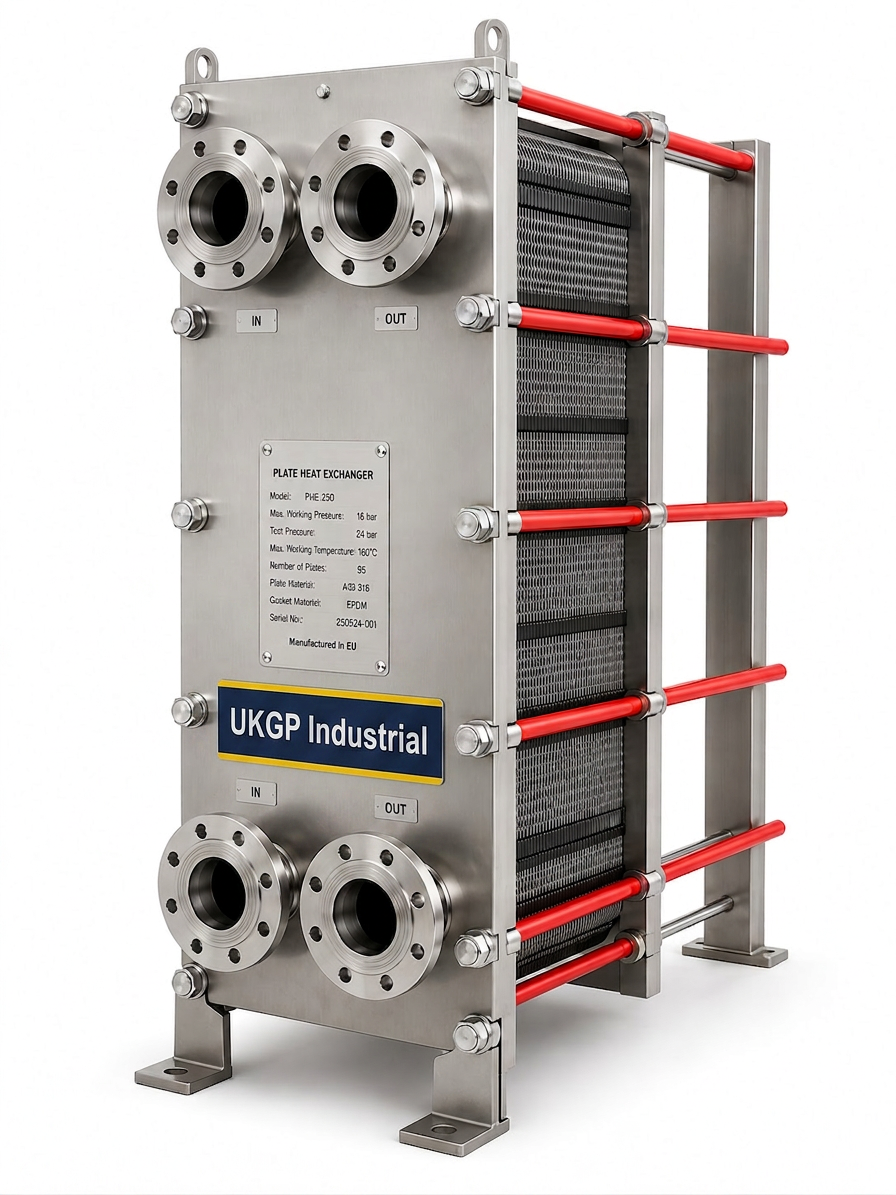
Pressure differentials often provide the most definitive diagnostic data when assessing the health of a plate heat exchanger assembly. By monitoring the pressure drop between the inlet and outlet ports on both the primary and secondary sides, engineers can quantify the level of internal obstruction. A significant increase over the commissioned design baseline typically indicates that the narrow flow channels between the stainless steel plates are becoming restricted by debris or mineral deposits. In regions with hard water, such as London and the South East of England, calcium carbonate scale precipitates rapidly at the higher temperatures required for DHW, making regular monitoring essential to prevent a total blockage.
Beyond technical performance metrics, physical symptoms like unusual vibrations or 'knocking' sounds within the pipework can indicate advanced DHW plate heat exchanger fouling. These noises are often caused by increased turbulence or localized boiling as water struggles to pass through constricted channels. If these symptoms are ignored, the resulting mechanical stress can lead to gasket failure or, in extreme cases, plate deformation. For consultants and FM leads, proactive diagnosis using both thermal mapping and pressure transducers is the only way to ensure compliance with CIBSE guidelines and prevent the high costs associated with emergency component replacement or unscheduled downtime.
- Sudden or gradual drop in secondary hot water flow temperatures
- Increased pressure drop across the exchanger (dP) beyond design limits
- Visible scaling present on internal surfaces during inspection
- Increased cycling of primary heating plant due to poor heat transfer
- Higher return temperatures to the boiler, indicating low energy exchange
The Impact of Water Quality on Thermal Efficiency
Water quality is the fundamental driver of DHW plate heat exchanger fouling and long-term system health. British Standard BS 8552 provides a robust framework for sampling and monitoring water in building services, yet many facilities fail to maintain these rigorous standards throughout the system life cycle. In domestic hot water applications, where fresh water is continuously introduced, the risk of scaling is particularly high. As water is heated, dissolved minerals like calcium and magnesium become less soluble, leading to the formation of hard scale on the very surfaces designed for heat transfer. This layer not only reduces efficiency but can also provide a breeding ground for Legionella bacteria, creating a documented health and safety risk.
Microbiological fouling and corrosion products add further layers of complexity to water quality management. In older UK heating loops, magnetite—a black iron oxide sludge—is a frequent culprit for fouling when it migrates into the primary side of the heat exchanger. This sludge settles in the low-velocity areas of the plates, creating a thick, insulating sludge layer that is difficult to remove through standard flushing. By adhering to BSRIA BG50 'Water Treatment for Closed Heating and Cooling Systems,' engineers can implement a chemical and filtration strategy that mitigates these risks, although DHW circuits require specific non-toxic approaches to ensure the tap water remains safe for consumption and domestic use.
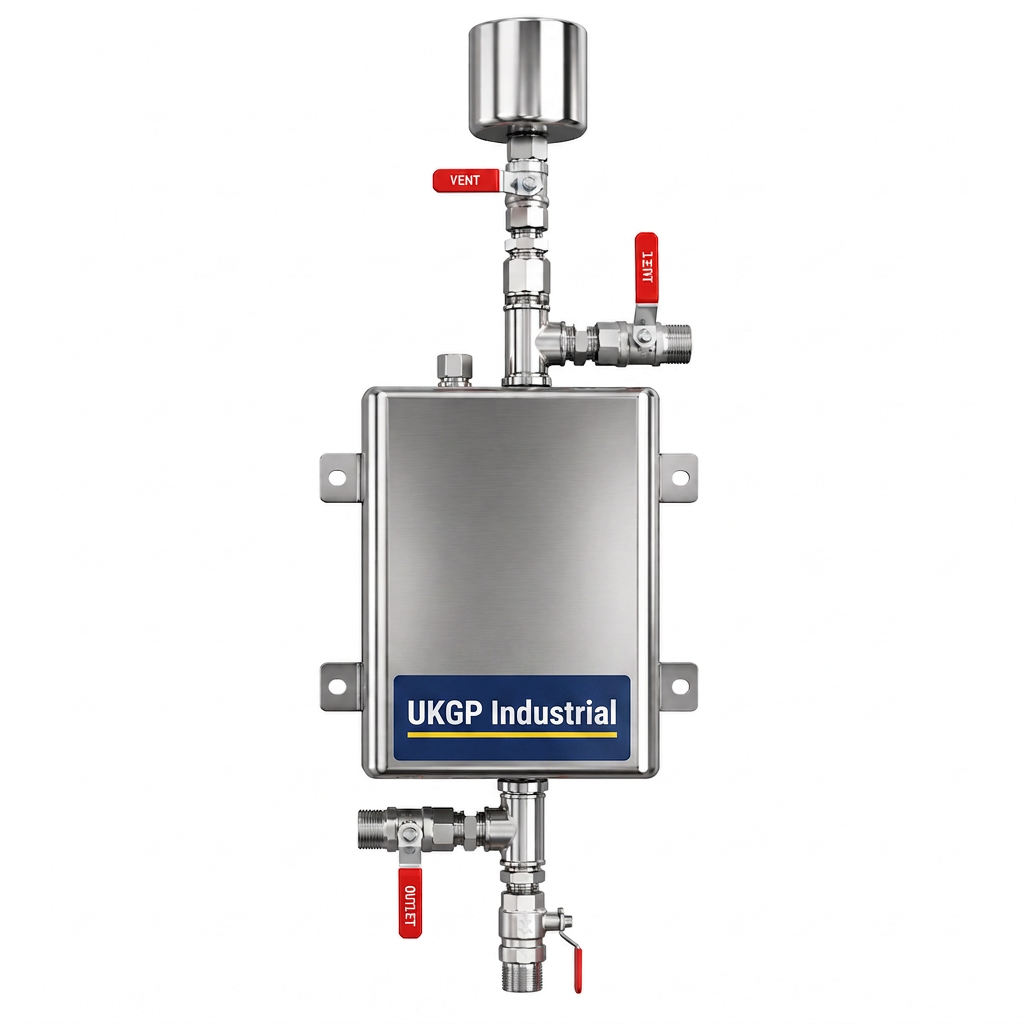
Implementing a robust water treatment regime early in the system design phase is far more cost-effective than reactive cleaning. Professionals should consider the installation of chemical dosing pots to maintain protective inhibitor levels and ensure that all incoming mains water is appropriately softened where local hardness levels exceed 200ppm. When fouling does occur, professional descaling solutions must be used cautiously to avoid damaging the 316L stainless steel plates or EPDM gaskets. Ultimately, consistent water testing and adherence to CIBSE CP1 standards will extend the life of the heat exchanger and maintain the building's overall BREEAM or EPC rating by optimizing fuel consumption.
- Prevention of calcium carbonate scale in hard water districts
- Control of magnetite sludge migration from primary heating loops
- Mitigation of Biofilm growth which compromises hygiene and flow
- Adherence to BS 8552 sampling protocols for commercial systems
- Protection of internal 316 stainless steel plate integrity
Side Stream Filtration for Primary Loop Protection
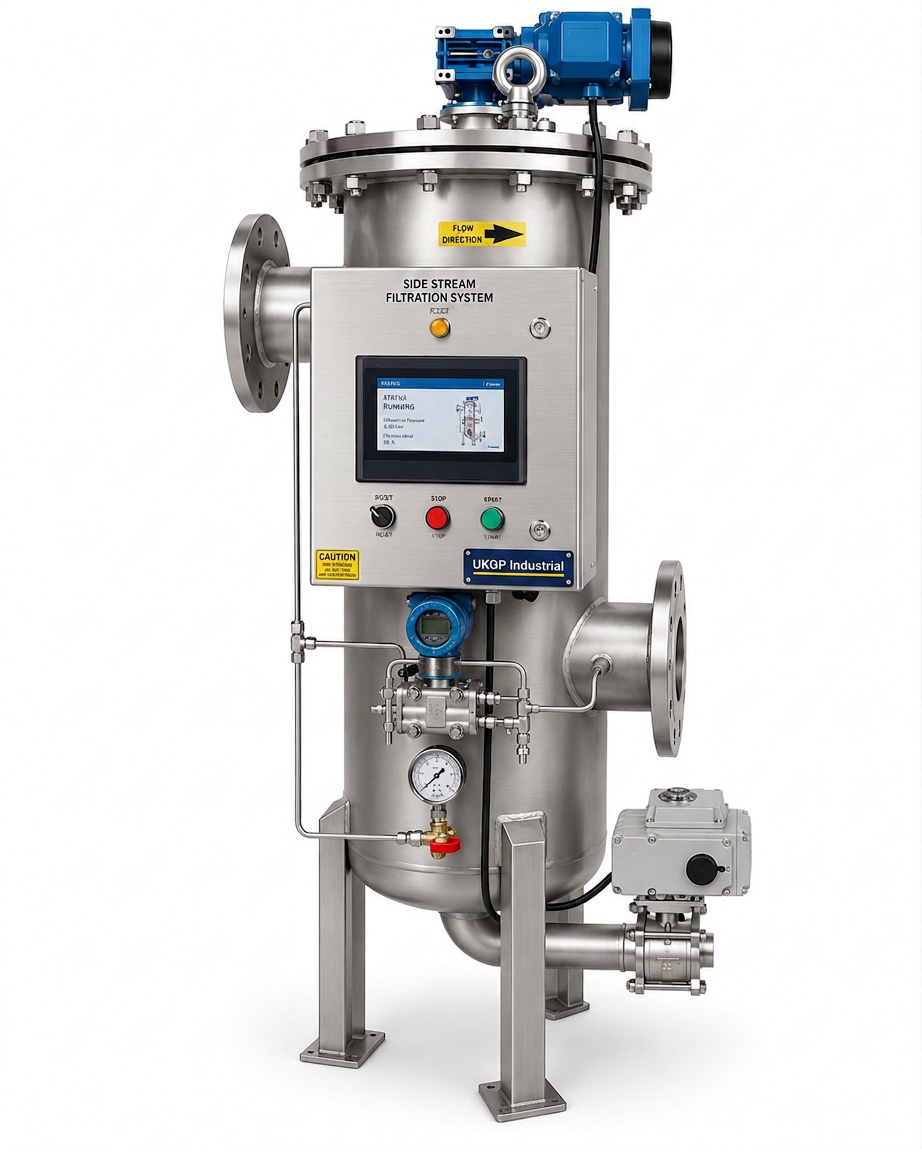
To effectively combat DHW plate heat exchanger fouling, one must address the contaminants circulating in the primary heating loop. Side stream filtration has emerged as the industry standard for maintaining water clarity and protecting sensitive heat transfer equipment. By diverting a small percentage of the total system flow—typically 5% to 15%—through a high-efficiency filter, these units continuously remove suspended solids, magnetite, and debris. This process ensures that the primary side of the DHW plate heat exchanger remains free from the abrasive sludge that often characterizes older UK heating systems, thereby maintaining the narrow plate gaps and high turbulence levels required for peak thermal efficiency.
The UKGP side stream filtration skid is an expertly engineered solution designed specifically for the rigours of commercial plant rooms. These units are made to order with a typical lead time of 6 to 8 weeks and are available in sizes ranging from DN50 to DN100 to suit a diverse range of system capacities. Starting from £6,800 + VAT, our skids offer a significant return on investment by preventing the catastrophic failure of plate heat exchangers and reducing the frequency of manual cleaning cycles. Each unit comes with a comprehensive 2-year warranty, providing BREEAM-focused consultants and FM leads with the long-term assurance required for major infrastructure projects.
Installing a side stream filter is a strategic move that aligns with BSRIA BG29 and BG50 recommendations for proactive system maintenance. Rather than waiting for a total system blockage, the continuous removal of particles down to sub-micron levels keeps the heat transfer surfaces clean. This is particularly important in systems where plate exchangers are used as the primary interface between boilers and the building's DHW load. By investing in a UKGP side stream filtration skid, operators can significantly reduce their maintenance overheads and prevent the efficiency losses associated with fouling, ensuring that the plant room remains operational and compliant with modern energy performance standards.
- Continuous removal of suspended solids down to sub-micron sizes
- Protects DHW heat exchangers from magnetite and metallic debris
- Available in DN50 to DN100 sizes for diverse building scales
- Reduces the carbon footprint by maintaining heat transfer efficiency
- Includes a 2-year warranty and high-quality UK manufacturing
Mechanical vs. Chemical Cleaning Protocols
When DHW plate heat exchanger fouling reaches a critical point, a formal cleaning intervention becomes necessary. There are two primary schools of thought: mechanical cleaning and chemical Cleaning-In-Place (CIP). Mechanical cleaning involves isolating the unit, depressurising it, and physically dismantling the plate pack. This allows for a thorough manual inspection of each stainless steel plate and the replacement of aged gaskets. While highly effective for removing heavy, stubborn scaling, mechanical cleaning is labor-intensive and carries the risk of plate damage if not performed by experienced technicians. It also necessitates a complete set of replacement gaskets, which must be factored into the maintenance budget and lead times.
Chemical CIP is often the preferred method for light to moderate DHW plate heat exchanger fouling because it does not require the unit to be dismantled. By circulating a mild acidic solution through the heat exchanger, mineral deposits can be dissolved and flushed away. This process is significantly faster and less disruptive to the building's hot water supply. However, the chemistry must be carefully selected; if the acid concentration is too high or the exposure time too long, it can cause pitting corrosion on the 316 stainless steel surfaces. Always ensure that the chemicals used are compatible with the gasket materials and are thoroughly neutralized and flushed before the system is returned to service for potable water use.
Choosing between these methods depends on the severity of the fouling and the results of a borescope inspection if feasible. For FM teams, scheduled chemical flushes based on pressure drop readings are often more cost-effective than waiting for a total blockage that requires mechanical intervention. It is also worth noting that if fouling is a recurring issue, the underlying water treatment strategy must be reviewed. No amount of cleaning will compensate for a lack of effective filtration or chemical dosing. Professionals seeking to optimize their systems should consider UKGP's range of UK-assembled equipment to ensure their hot water systems meet the rigorous demands of modern UK building regulations and technical standards.
- Mechanical cleaning allows for full plate inspection and gasket renewal
- CIP chemical cleaning minimizes downtime and laboUr costs
- Selection of non-toxic food-safe chemicals for DHW applications
- Importance of neutralizing acids to prevent downstream pipe corrosion
- Risk of gasket leaks when reassembling older mechanical plate packs
Best Practices for Gasket and Plate Maintenance
Maintaining the integrity of gaskets and plates is a cornerstone of preventing leaks following an event of DHW plate heat exchanger fouling. Over time, the EPDM or Nitrile gaskets used in these exchangers lose their elasticity due to thermal cycling and chemical exposure. When the unit is opened for cleaning, these gaskets often fail to re-seat correctly, leading to external leaks or, more dangerously, internal cross-contamination between the primary and secondary fluids. For UK commercial systems, it is generally recommended to replace the entire gasket set whenever a plate heat exchanger is opened for mechanical cleaning, especially if the gaskets are more than five years old.
The plates themselves must be inspected for signs of erosion or pitting corrosion during any maintenance window. DHW plate heat exchanger fouling can sometimes hide microscopic 'pinholes' that lead to the primary heating water leaking into the domestic hot water supply. This cross-contamination is a direct violation of water safety regulations and can compromise the safety of the building's occupants. If any plates show signs of thinning or structural fatigue, they should be replaced immediately. Using high-quality 316L stainless steel plates, such as those supplied by UKGP, ensures better resistance against the chlorides often found in treated UK mains water, further extending the interval between required services.
Proper re-assembly is just as important as the cleaning process itself. Plates must be stacked in the correct 'A-B' orientation to ensure the flow channels are properly formed, and the tightening of the frame bolts must be done evenly according to the manufacturer's 'A' dimension. Failure to tighten correctly can lead to localized stress points, bypass flow, or gasket failure. For facility managers, keeping a detailed log of these dimensions and maintenance dates is essential for CIBSE-compliant record-keeping. By ensuring that every maintenance task is performed to a high engineering standard, the risks associated with DHW plate heat exchanger fouling can be effectively managed, ensuring a reliable and efficient hot water supply.
If you are currently experiencing performance issues, don't wait for a total system failure. Contact UKGP for a quote on high-performance plate heat exchangers or specialized filtration skids. Our DN50 to DN100 side stream filtration units, starting from £6,800 + VAT, are made to order in our UK facility with a 6-8 week lead time and a 2-year warranty to protect your building's critical assets.
- Always replace gaskets when opening older plate packs for cleaning
- Check for plate pitting to prevent primary-secondary cross-contamination
- Monitor the 'A' dimension carefully during frame re-tensioning
- Use 316L stainless steel for improved chloride and corrosion resistance
- Maintain detailed maintenance logs for BSRIA and CIBSE compliance
Future-Proofing Your DHW Infrastructure
Future-proofing a commercial plant room against DHW plate heat exchanger fouling requires an integrated approach that combines high-quality hardware with intelligent monitoring. As UK legislation moves closer to net-zero, the efficiency of heat transfer components will come under increasing scrutiny. Installing oversized exchangers can provide a temporary buffer against fouling, but it often leads to lower velocities which actually encourage sediment to settle. The modern approach is to size equipment accurately for the peak load and implement high-efficiency side stream filtration to keep the water as clean as possible. This ensures that the system maintains its 'as-commissioned' performance for years, rather than months.
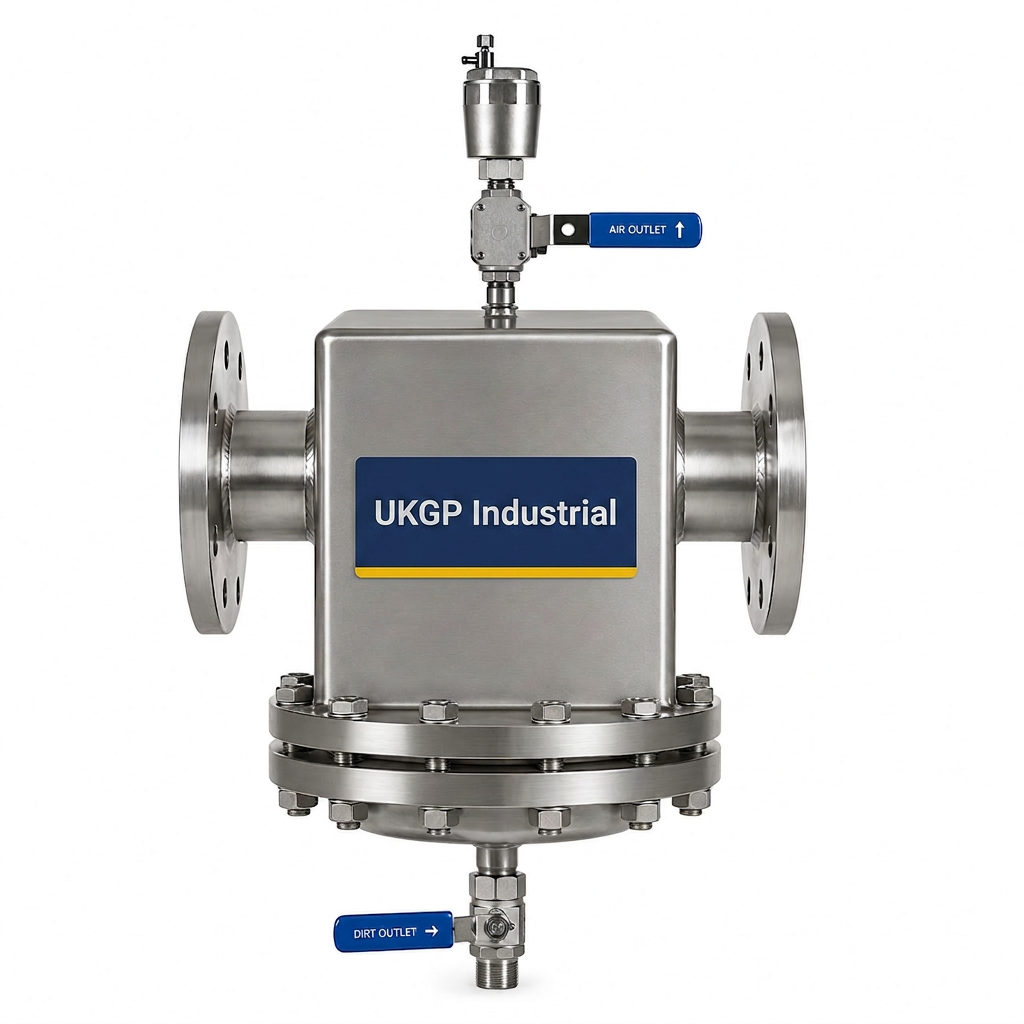
The role of the consultant and M&E contractor is to specify systems that are not only efficient at the point of sale but maintainable throughout their lifecycle. This includes ensuring there is adequate space around the DHW plate heat exchanger for cleaning and plate removal. Furthermore, the inclusion of air and dirt separators is highly recommended to protect the primary circuit from oxygen ingress and particulates. By integrating these components with a UKGP side stream filtration skid, specifying engineers can offer their clients a robust, low-maintenance solution that meets the highest industry standards, including those set by BSRIA BG29 for pre-commission cleaning and long-term water quality.
In summary, while DHW plate heat exchanger fouling is a common challenge in the UK building services sector, it is entirely manageable through a combination of diagnostic vigilance and proactive hardware investment. UKGP stands ready to support engineers and FMs with UK-manufactured, made-to-order filtration and heat transfer solutions. Whether you require a new plate heat exchanger or a filtration skid to protect your existing infrastructure, our technical team provides the expertise needed to keep your plant room running at peak efficiency. Reach out today for pricing on our DN50-DN100 skids and experience the reliability of UK-made industrial components backed by a 2-year warranty.
- Size exchangers accurately to maintain high fluid velocity and scrubbing action
- Integrate air and dirt separators to protect the primary heating loop
- Ensure plant-room layouts allow for easy maintenance and plate access
- Adopt digital monitoring for real-time pressure and temperature analysis
- Specify UKGP made-to-order equipment for long-term UK support and parts
Frequently asked questions
What is the primary cause of DHW plate heat exchanger fouling?
- The primary cause is typically calcium carbonate scaling onto the hot surfaces from the domestic water supply, or magnetite sludge accumulation from the primary heating circuit. Both create an insulating layer that reduces thermal efficiency.
How can I tell if my heat exchanger is fouled without opening it?
- Monitor the pressure drop across the unit; an increase over the design baseline indicates obstruction. Additionally, if the secondary temperature fails to reach the setpoint despite a high primary temperature, fouling is likely the culprit.
What is the lead time for a UKGP side stream filtration skid?
- Our filtration skids are made to order in the UK with a typical lead time of 6 to 8 weeks. They are available in sizes DN50 to DN100 and carry a 2-year warranty.
Is chemical cleaning safe for domestic hot water systems?
- Yes, provided food-safe, non-toxic descaling agents are used and the system is thoroughly flushed and neutralized before being returned to service, in accordance with BS 8552 and local water regulations.
How often should a plate heat exchanger be serviced?
- At a minimum, DHW exchangers should be inspected annually. However, frequency depends on local water hardness and the effectiveness of your primary-side filtration and water treatment regime.